
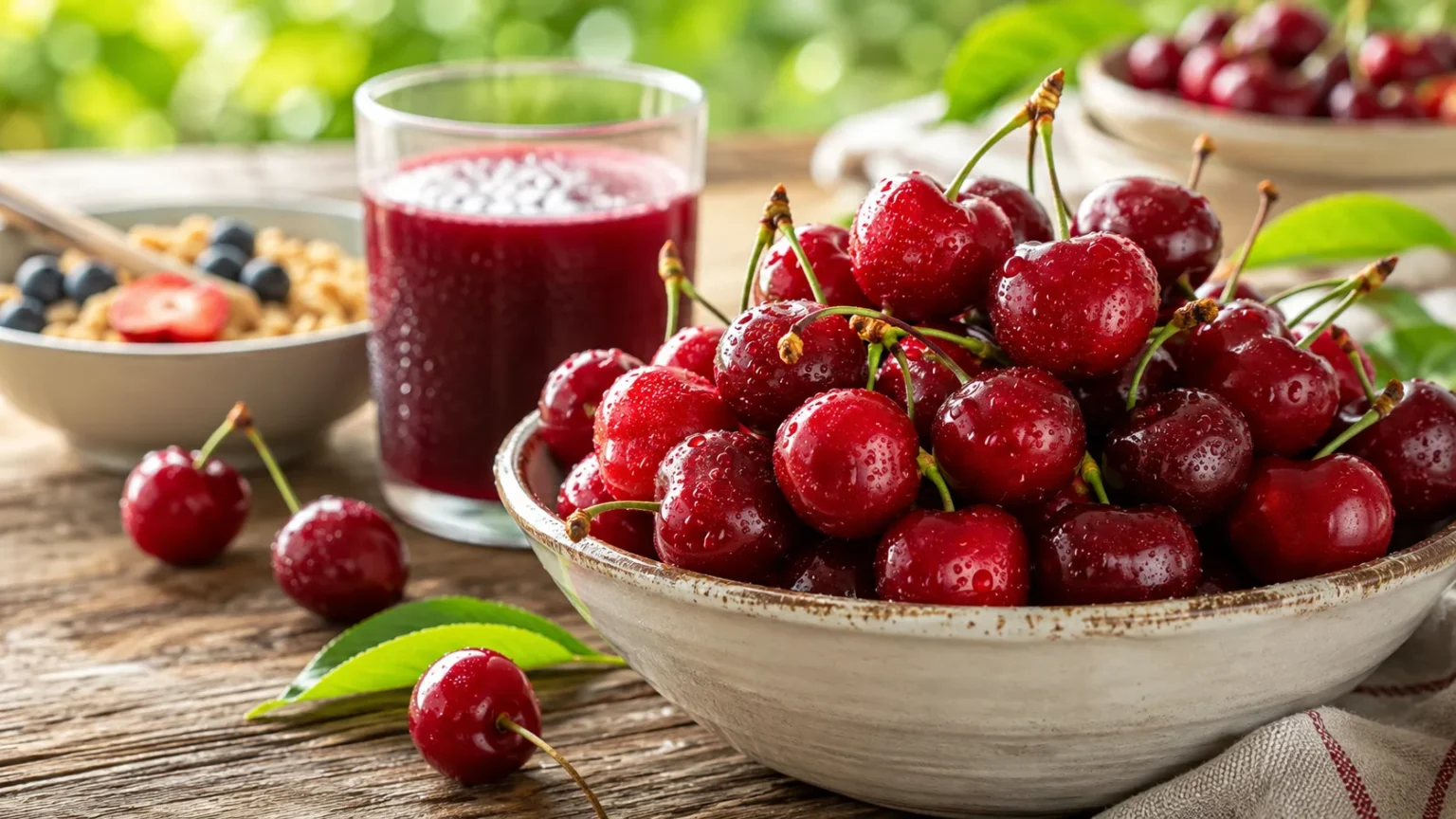

Cherries Benefits: 10 Reasons to Eat Them More Often
Cherries may be small, but they pack an impressive mix of nutrients and plant compounds into every bite. Sweet cherries and tart cherries both provide vitamin C, potassium, fiber, anthocyanins, and other polyphenols that can complement an overall nutritious eating pattern.
Interest in cherries benefits has grown because research has explored their potential effects on inflammation, exercise recovery, sleep, cardiovascular health, and uric acid. However, not every claim applies equally to fresh sweet cherries, tart cherries, tart cherry juice, and concentrated cherry supplements.
That distinction matters. Some of the strongest studies involving sleep and muscle recovery have used Montmorency tart cherry juice or concentrate rather than a handful of fresh sweet cherries. Whole cherries still offer valuable nutrition, but eating them should not be presented as a treatment for medical conditions.
The good news is that cherries do not need to be a miracle food to deserve a place in your diet. They are naturally flavorful, provide useful nutrients, and can replace less nutritious sweet snacks while adding colorful plant compounds to meals. Here are 10 reasons you may want to enjoy them more often.
What Are Cherries?
Cherries are stone fruits belonging to the genus Prunus, the same broad botanical group that includes peaches, plums, and apricots. Their soft flesh surrounds a hard pit, while different varieties can range considerably in sweetness, acidity, color, and nutritional composition.
The two categories most people encounter are sweet cherries and tart cherries. Sweet varieties, such as Bing cherries, are commonly eaten fresh, while tart or sour cherries, including Montmorency cherries, are often used in juices, concentrates, frozen products, and cooking.
Both types contain naturally occurring plant compounds called polyphenols. Red and dark-purple cherries are particularly known for anthocyanins, pigments responsible for much of their deep color and some of the antioxidant activity researchers have investigated.
While tart cherries dominate many clinical studies, fresh sweet cherries remain a nutritious fruit choice. Instead of asking which variety is universally “healthiest,” it is more practical to choose the form that fits your needs while paying attention to added sugar in juices, dried cherries, and packaged products.
Cherry Nutrition: What Do Cherries Give Your Body?
Fresh cherries consist largely of water and carbohydrates while providing relatively little fat. A typical cup of sweet cherries provides roughly 90 calories along with around 3 grams of fiber, making them a satisfying fruit that can easily fit into meals and snacks.
Cherries also provide vitamin C, which contributes to immune function and collagen formation. Their potassium content supports normal nerve and muscle function and contributes to maintaining healthy blood pressure as part of a balanced dietary pattern.
Where cherries become especially interesting is their polyphenol content. Anthocyanins, hydroxycinnamic acids, and other naturally occurring plant compounds have antioxidant properties and are being studied for their relationships with inflammation, cardiovascular function, and recovery after exercise.
Their nutritional benefits should still be viewed as part of the larger diet. Eating cherries cannot compensate for consistently poor nutrition, inadequate sleep, inactivity, or smoking, but adding fruit like cherries can contribute to a more nutrient-dense eating pattern.
10 Cherries Benefits Worth Knowing
Many claims surrounding cherries begin with genuine nutritional science but sometimes become exaggerated online. Cherries are nutritious, but they do not detox the body, instantly eliminate inflammation, cure insomnia, or replace medication for conditions such as gout or high blood pressure.
Some benefits come from well-established nutrients. Their fiber contributes to digestive health, vitamin C supports collagen production, potassium plays a role in cardiovascular health, and their high water content can contribute to daily hydration.
Other potential benefits have been studied more directly using cherry products. Tart cherry research has received particular attention in sports recovery, sleep, uric acid, and inflammatory markers, although findings vary between studies and populations.
Understanding these differences makes it easier to enjoy cherries for what they genuinely offer. The following ten benefits combine established nutritional roles with areas where scientific research suggests cherries may provide additional advantages.
1. Cherries Provide Powerful Plant Compounds
Cherries contain several types of polyphenols, naturally occurring plant compounds that contribute to their color, flavor, and biological activity. Dark red cherries are especially notable for anthocyanins, which are responsible for their rich red and purple pigmentation.
Anthocyanins have antioxidant activity, meaning they can participate in the body’s broader defenses against oxidative stress. Oxidative stress occurs when the production of reactive molecules exceeds the body’s ability to regulate them effectively.
Cherries also contain other phenolic compounds that researchers have investigated for potential anti-inflammatory effects. This does not mean eating cherries immediately “removes inflammation,” but regular intake of polyphenol-rich plant foods can contribute to an overall health-supportive diet.
Rather than relying on antioxidant supplements, eating a variety of colorful fruits and vegetables provides many different phytochemicals together. Cherries can simply become one enjoyable component of that larger dietary pattern.
2. Cherries May Support Heart Health
One of the most practical benefits of cherries comes from their combination of potassium, fiber, and plant compounds. All three can fit comfortably within eating patterns commonly recommended for maintaining cardiovascular health.
Potassium helps balance sodium and contributes to normal blood pressure regulation. Cherries are not the highest-potassium food available, but regularly eating potassium-containing fruits alongside vegetables, beans, potatoes, and other nutritious foods can increase overall intake.
Fiber also contributes to cardiovascular health, particularly when fruit replaces highly refined snacks. Although cherries contain only a modest amount per serving, every source contributes toward meeting daily fiber needs.
Researchers have additionally investigated whether cherry polyphenols influence blood pressure, cholesterol, oxidative stress, and vascular function. Results are interesting but inconsistent, so cherries should complement—not replace—established heart-healthy habits and prescribed treatment.
3. Tart Cherries May Support Exercise Recovery
Tart cherries have attracted considerable attention in sports nutrition because their polyphenols may influence the body’s response to strenuous exercise. Several studies have examined tart cherry juice or concentrate around demanding endurance and resistance-training sessions.
Some research suggests tart cherry supplementation may help the recovery of muscle function after exercise-induced muscle damage. Reductions in certain inflammatory or oxidative stress markers have also been reported, although results for muscle soreness are less consistent.
This potential benefit appears particularly relevant when rapid recovery matters, such as during competitions or events occurring close together. It does not mean athletes must drink tart cherry juice after every workout to make progress.
Training itself creates signals that contribute to adaptation, so aggressively attempting to suppress every normal exercise response is not necessarily desirable. Adequate protein, carbohydrates, hydration, sleep, and appropriate training loads remain the foundation of exercise recovery.
4. Tart Cherries May Help Support Sleep
Another widely discussed benefit involves tart cherries for sleep. Tart cherries naturally contain small amounts of melatonin and other compounds that researchers believe could potentially influence sleep-related pathways.
Several relatively small studies have reported improvements in certain measures of sleep following tart cherry consumption. Outcomes investigated have included sleep duration, sleep efficiency, and subjective sleep quality, although the results have not been universally consistent.
The important detail is that much of this research uses tart cherry juice or concentrated products rather than ordinary servings of fresh sweet cherries. Eating a bowl of cherries therefore cannot be assumed to produce exactly the same results as a specific research protocol.
Persistent insomnia also deserves more than nutritional experimentation. Sleep schedule, caffeine, stress, medications, pain, sleep apnea, and other health issues can interfere with rest, so chronic sleep problems should be discussed with an appropriate healthcare professional.
5. Cherries May Be Helpful for People Concerned About Gout
Cherries have perhaps received more attention for gout and uric acid than almost any other fruit. Observational research has found associations between cherry intake and fewer recurrent gout attacks, while additional studies have investigated tart cherry products and serum uric acid.
Tart cherries contain anthocyanins and other polyphenols that have been proposed as possible contributors to these effects. Some studies have recorded reductions in uric acid, while others have produced less convincing results.
More recent analyses emphasize that current evidence remains limited and inconsistent. This means cherries may be an interesting dietary addition for some people with gout, but they should not be considered a proven substitute for urate-lowering medication or individualized medical treatment.
Anyone experiencing gout attacks should continue following the management plan provided by their healthcare professional. Adding cherries can be discussed as part of the overall diet rather than treating them as a natural cure for elevated uric acid.
6. Cherries Support Digestive Health
Fresh cherries provide dietary fiber, which supports normal digestive function and contributes to regular bowel movements. Fiber also feeds portions of the gut microbiome and can help meals and snacks feel more satisfying.
Eating whole cherries provides more fiber than drinking filtered cherry juice. This is one reason whole fruit is generally a better everyday choice when your goal is improving overall fruit and fiber intake.
Cherries also contain naturally occurring sorbitol, a type of sugar alcohol. For some people this may have a mild laxative effect, particularly when large quantities of cherries are eaten at once.
That same characteristic can become uncomfortable for people with sensitive digestive systems or irritable bowel syndrome. Large portions may cause gas, bloating, cramping, or loose stools, so individual tolerance should guide serving size.
7. Cherries Can Contribute to Healthy Skin
Cherries provide vitamin C, a nutrient your body requires to synthesize collagen. Collagen is an important structural protein found throughout the skin as well as connective tissue, bones, blood vessels, and other parts of the body.
Vitamin C also acts as an antioxidant and participates in processes involved in maintaining normal skin health. Cherries can therefore contribute some vitamin C to your diet alongside richer sources such as citrus fruits, berries, kiwi, and peppers.
Anthocyanins and other cherry polyphenols are also being studied for their potential relationships with oxidative stress. However, claims that eating cherries can directly eliminate wrinkles or reverse skin aging go beyond what current evidence can demonstrate.
Skin health reflects many factors, including genetics, sun exposure, smoking, sleep, hydration, and overall nutrition. Eating cherries can contribute useful nutrients, but daily sun protection and a balanced diet remain considerably more important than any single fruit.
8. Cherries Can Help Increase Fruit and Fiber Intake
One overlooked benefit is simply that cherries provide another enjoyable way to eat more whole fruit. Many people struggle to consume enough fruits, vegetables, and fiber consistently, and choosing foods you genuinely enjoy makes healthy eating easier to sustain.
Fresh cherries naturally provide sweetness without requiring added sugar. Replacing candy, cookies, or other highly processed desserts with a bowl of cherries can improve the overall nutrient density of a snack while still satisfying a desire for something sweet.
Whole cherries also require chewing and provide water and fiber, which can make them more satisfying than an equivalent amount of calories consumed through a sugary beverage. Pairing them with Greek yogurt or nuts can make a more substantial snack.
This does not make cherries a dedicated weight-loss food. Body-weight change depends on overall energy intake and many other factors, but fruit can certainly fit within a balanced approach to weight management.
9. Cherries Contribute to Daily Hydration
Fresh cherries have a high water content, making them another food that contributes to total daily fluid intake. Water-rich foods such as fruits, vegetables, soups, and yogurt can complement the liquids you drink during the day.
This can be particularly appealing during warmer weather when fresh cherries are in season. A chilled bowl of cherries provides fluid, carbohydrates, and micronutrients while also offering a refreshing alternative to highly sweetened snacks.
For athletes, however, cherries should not replace intentional hydration during demanding exercise. Long or intense workouts may require water, sodium, carbohydrates, and other nutrients in amounts that cannot practically be obtained from fruit alone.
Think of the hydration benefits of cherries as an added advantage rather than their main nutritional purpose. Drinking adequate fluids according to your environment, activity level, and personal needs remains important.
10. Cherries Offer a Nutrient-Dense Alternative to Desserts
Cherries taste naturally sweet, which makes them particularly useful when you want dessert without relying on heavily processed foods. A serving provides carbohydrates, water, fiber, vitamin C, potassium, and plant compounds along with its sweetness.
Fresh or frozen cherries can be added to yogurt, oatmeal, chia pudding, smoothies, and other foods that provide additional protein or fiber. This can make a simple meal feel sweeter without needing large amounts of syrup or refined sugar.
Frozen cherries can be especially useful outside cherry season. Nutritionally, frozen fruit can still be an excellent option when it contains cherries without unnecessary added ingredients.
The important distinction is between fresh or unsweetened cherries and products such as cherry pie filling, candied cherries, sweetened dried cherries, or sugary cherry beverages. The word “cherry” on a package does not automatically make the product nutritionally similar to whole fruit.
Sweet Cherries vs. Tart Cherries: Which Are Better?
Sweet cherries, including popular varieties such as Bing and Rainier, are usually eaten fresh because of their naturally sweet flavor. They provide fiber, vitamin C, potassium, and polyphenols and are an easy choice when your goal is simply to include more whole fruit.
Tart cherries, sometimes called sour cherries, have a sharper flavor and are commonly processed into juice, concentrate, frozen fruit, powder, or capsules. Montmorency tart cherries are especially prominent in studies involving exercise recovery and sleep.
Choosing between them depends largely on your goal. If you want an everyday nutritious snack, whole sweet or tart cherries can both fit well. If you are specifically interested in research on sports recovery, much of that evidence involves concentrated tart cherry products.
Concentrated products also deserve portion awareness. Tart cherry juice contains much less fiber than whole fruit and can deliver carbohydrates and natural sugars quickly, while some commercial cherry products contain additional sweeteners.
Are Cherries Good for Blood Sugar?
Cherries contain natural sugars, so they do raise blood glucose after eating. However, whole cherries also contain water, fiber, and other nutrients, making them nutritionally different from candy, soft drinks, and other foods containing large amounts of added sugar.
For most people, there is no need to avoid nutritious whole fruit simply because it contains carbohydrate. Portion size and the rest of the meal become more relevant for people who need to closely manage blood glucose.
Pairing cherries with protein or healthy fats can create a more substantial meal or snack. Options might include cherries with unsweetened Greek yogurt, cottage cheese, nuts, or seeds rather than eating large quantities of fruit alone.
People with diabetes should follow individualized nutrition recommendations rather than assuming cherries lower blood sugar. They can often fit into a diabetes-friendly diet, but they are not a treatment for insulin resistance or diabetes.
How Many Cherries Should You Eat a Day?
There is no scientifically established number of cherries that everyone needs to eat each day. A normal serving of whole fruit is a practical starting point rather than counting individual cherries precisely.
A serving may be around a cup depending on the variety and your nutritional needs. Some people may prefer less, particularly if they experience bloating or digestive discomfort from larger amounts.
Research studies using tart cherry juice or concentrate often use doses that represent considerably more fruit than an ordinary serving of fresh cherries. Those experimental amounts should not automatically become everyday dietary recommendations.
Instead, focus on variety. Cherries can be one of several fruits you enjoy alongside berries, citrus fruits, apples, bananas, melons, and other options so that your diet provides a wider range of nutrients and phytochemicals.
Fresh, Frozen, Dried or Juice: Which Cherries Are Healthiest?
Fresh cherries are an excellent option because they contain their natural fiber, water, vitamins, minerals, and plant compounds without requiring additional ingredients. Their main limitation is a relatively short seasonal availability in many regions.
Frozen cherries can be equally practical and make it easier to enjoy the fruit throughout the year. Look for packages containing cherries as the main ingredient without unnecessary added sugars, particularly when using them regularly.
Dried cherries are more concentrated because much of their water has been removed. This makes them easy to eat in large quantities, and many packaged dried cherries also contain added sugar, so checking the ingredient list can be worthwhile.
Tart cherry juice and concentrates are useful in much of the clinical research, but they lack the fiber profile of whole cherries. If you drink cherry juice regularly, choosing a product without added sugar and paying attention to serving size is sensible.
Easy Ways to Eat More Cherries
The simplest way to eat cherries is fresh after washing them and removing the pits. Their natural sweetness makes them a convenient snack that requires little preparation, particularly during peak cherry season.
For breakfast, add sliced or pitted cherries to oatmeal, overnight oats, yogurt, cottage cheese, or whole-grain cereal. Combining fruit with protein and whole grains can turn a small serving into a more balanced meal.
Frozen cherries work well in smoothies or can be gently warmed and served over yogurt or oatmeal. They can also add sweetness to homemade sauces, salads, whole-grain dishes, and desserts without relying entirely on refined sugar.
If you enjoy tart cherry juice, think about your reason for using it and the overall amount you consume. Juice can fit into a healthy diet, but it is considerably easier to consume large amounts of fruit sugar through liquids than through whole cherries.
Are There Any Side Effects of Eating Cherries?
Most people can enjoy cherries safely as part of a balanced diet. However, suddenly eating a large quantity may cause gastrointestinal discomfort because cherries contain fiber as well as naturally occurring sorbitol.
People sensitive to certain fermentable carbohydrates may notice bloating, gas, abdominal discomfort, or diarrhea after eating cherries. Smaller portions may be better tolerated, but anyone following a medically recommended low-FODMAP diet should use the serving guidance given by their dietitian or healthcare professional.
Cherry allergy is uncommon but possible. Symptoms of food allergy can include itching, swelling, hives, digestive reactions, or breathing difficulties, and serious allergic symptoms require urgent medical attention.
Cherry pits should also not be intentionally chewed, crushed, or consumed. The hard pit protects compounds in the seed that can release cyanide when broken down, so pits should simply be removed and discarded rather than eaten.
Should You Drink Tart Cherry Juice Every Day?
Tart cherry juice can be part of a healthy diet, but whether you should drink it daily depends on why you are using it. Research interest is strongest around exercise recovery, sleep, and uric acid, yet evidence does not support treating the juice as a universal health tonic.
One consideration is carbohydrate intake. Removing much of the fruit’s fiber makes juice easier to consume rapidly, so a glass of tart cherry juice is metabolically and nutritionally different from eating a serving of whole cherries.
Check the label carefully because concentrated juices and blends can vary considerably. Choosing 100% tart cherry juice without added sugars is different from drinking a cherry-flavored beverage made primarily from water and sweeteners.
People managing diabetes, kidney disease, digestive disorders, or other medical conditions should consider how concentrated fruit products fit into their individual diet. Supplements and juices should complement appropriate medical care rather than replace it.
How Cherries Fit Into a Healthy Diet
Nutrition rarely comes down to finding one exceptionally healthy food. Long-term eating patterns matter far more than whether you consume cherries, blueberries, apples, or any other individual fruit every day.
Cherries work best as part of a diet that also includes vegetables, whole grains, legumes, nuts, seeds, adequate protein, and sources of healthy fats. Variety helps provide nutrients and phytochemicals that no single food can supply in optimal amounts.
Their naturally sweet taste can make nutritious eating more enjoyable, which is an underrated advantage. A healthy diet that feels restrictive and unpleasant is often harder to maintain than one containing flavorful foods you genuinely look forward to eating.
Whether you prefer fresh sweet cherries in summer or frozen tart cherries throughout the year, they can be a worthwhile addition. The goal is not to consume them because they supposedly cure disease but because they offer good nutrition in a food that is easy to enjoy.
Final Thoughts on Cherries Benefits
The most reliable cherries benefits begin with what the fruit actually contains. Cherries provide water, fiber, vitamin C, potassium, carbohydrates, anthocyanins, and a variety of other polyphenols that can contribute to an overall nutrient-rich diet.
Tart cherry research adds another interesting dimension. Evidence suggests certain tart cherry products may support aspects of exercise recovery, while emerging research has also investigated sleep quality and uric acid management.
These findings should remain in perspective. Cherries do not replace exercise, adequate sleep, medical treatment, or an overall balanced diet, and many health claims surrounding concentrated cherry products still require stronger research.
Fortunately, you do not need dramatic health promises to justify eating them. Fresh or frozen cherries are colorful, naturally sweet, versatile, and nutritious—four good reasons to enjoy them whenever they fit comfortably into your diet.
Frequently Asked Questions About Cherries
What happens if you eat cherries every day?
Eating cherries regularly can contribute fiber, vitamin C, potassium, water, and antioxidant plant compounds to your diet. The overall benefit depends on your entire eating pattern rather than cherries alone.
Are cherries high in sugar?
Cherries contain naturally occurring fruit sugars, but whole cherries also provide water, fiber, and nutrients. Portion size may matter more for people who closely manage carbohydrate or blood glucose intake.
Are cherries good for inflammation?
Cherries contain anthocyanins and other polyphenols associated with antioxidant and inflammatory pathways. Research is promising, particularly for tart cherries, but they should not be treated as a cure for inflammatory conditions.
Do cherries help you sleep?
Some studies suggest tart cherry products may modestly improve certain measures of sleep, possibly due to melatonin and polyphenol-related mechanisms. Evidence remains limited, especially for ordinary fresh sweet cherries.
Are cherries good for gout?
Cherry intake has been associated with fewer gout attacks in some studies, and tart cherry products may influence uric acid. However, evidence remains insufficient to replace prescribed gout medication or professional medical care.



