
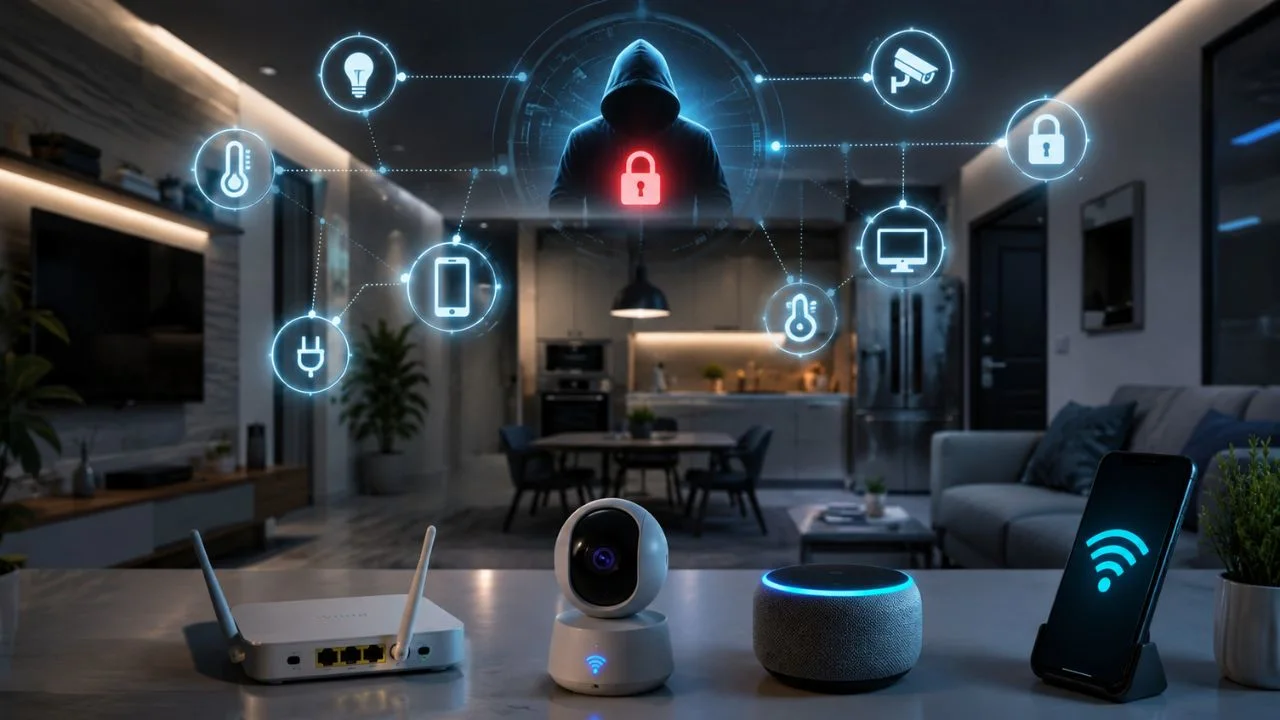

Internet of Things devices have become a normal part of everyday life. Smart cameras, watches, speakers, televisions, door locks, and home appliances can all connect to the internet. These devices make daily tasks easier, but they can also create security and privacy problems.
Many people use smart devices without thinking about how much information they collect. A fitness watch may track your location, while a smart speaker may store voice commands. A security camera may record your home. This information can become dangerous when it falls into the wrong hands.
So, what risk is posed by Internet of Things devices? The main risks include stolen personal data, weak security, privacy loss, device hacking, and attacks on larger networks. Some hacked devices may even allow criminals to control important systems inside homes, offices, hospitals, or factories.
Understanding these risks does not mean you should stop using smart technology. It means you should use it carefully. By learning how IoT devices work and how attackers target them, you can make better choices and protect your home, information, and connected devices.
Why Are Internet of Things Devices Easy to Hack?
Many IoT devices are built to be simple, cheap, and easy to use. Security is not always the main focus during their development. Some manufacturers release products with weak passwords, old software, or limited protection, which makes these devices easier for hackers to attack.
A common problem is the use of default usernames and passwords. For example, a smart camera may come with a password such as “admin” or “123456.” When users do not change these details, attackers can easily guess them and gain access to the device.
Some smart devices do not receive regular software updates. Updates are important because they repair security weaknesses. When a company stops supporting a device, known weaknesses may remain open for years. Hackers can use those weaknesses to enter the device or the network connected to it.
IoT devices also have limited memory and processing power. This can make it difficult for them to run strong security tools. As a result, many devices cannot protect themselves as well as computers or smartphones, even though they may collect equally sensitive information.
How IoT Devices Can Put Personal Data at Risk
Smart devices often collect more information than users realise. A smartwatch may collect health and movement data. A smart television may record viewing habits. A connected car may store travel routes. This data can show where you go, what you do, and when you are at home.
When an IoT device has weak security, hackers may steal the information stored inside it. They may use stolen details for scams, identity theft, blackmail, or targeted attacks. Even basic information can become harmful when it is combined with data from other online accounts.
Companies may also collect and share information from connected devices. Some businesses use this data for advertising, product research, or customer tracking. Users may agree to this collection without reading the privacy policy or understanding exactly how their information will be used.
The risk becomes greater when a device records sound or video. A hacked camera or microphone may allow someone to watch private spaces or listen to conversations. This kind of attack can seriously harm a person’s privacy, safety, and peace of mind.
Can Internet of Things Devices Threaten Home Safety?
IoT security problems are not limited to stolen information. Some devices control physical objects inside the home. Smart locks, alarms, lights, ovens, heating systems, and garage doors can all be connected to the internet and controlled through apps or voice commands.
If a hacker takes control of a smart lock, they may unlock a door without permission. A hacked security camera may stop recording or show false footage. An attacker could also change a smart thermostat, switch off alarms, or disturb people by controlling lights and speakers.
Smart appliances may also create safety concerns. A connected oven, heater, or electrical device could become dangerous if someone changes its settings from a distance. While these attacks are less common than password theft, their possible results can be much more serious.
For this reason, users should think carefully before connecting every home device to the internet. A smart feature may be useful, but it also creates another possible entry point. Devices that control doors, alarms, heat, or electricity need stronger protection than basic entertainment products.
What Risks Do IoT Devices Create for Businesses?
Businesses use IoT devices to track products, manage buildings, monitor machines, and improve daily operations. These tools can save time and reduce costs. However, one poorly protected device can give attackers a way into the company’s wider computer network.
For example, a hacker may enter through a smart printer, security camera, sensor, or meeting room system. Once inside, the attacker may search for customer records, financial information, employee passwords, or confidential business files stored on other connected systems.
A cyberattack can also stop business operations. Hacked factory equipment may stop working, while damaged tracking sensors may cause delivery problems. Hospitals could lose access to connected medical devices, and shops may be unable to use payment or stock management systems.
Businesses may also face legal and financial damage after an IoT attack. They may have to pay for repairs, investigations, customer support, or fines. Customers may lose trust in the company, especially when weak security leads to the exposure of personal information.
How Hackers Use IoT Devices in Larger Cyberattacks
Hackers do not always attack an IoT device to steal information from its owner. Sometimes they take control of thousands of devices and connect them together. This group of infected devices is called a botnet and can be used for larger online attacks.
A botnet may include cameras, routers, smart televisions, or other connected products. The owners may not know their devices have been infected. The devices may continue working normally while secretly following instructions sent by a hacker from another location.
Hackers often use botnets for distributed denial-of-service attacks. During this attack, thousands of devices send requests to the same website or online service. The large amount of traffic can slow down the service or make it completely unavailable to real users.
Infected IoT devices may also spread harmful software, send spam messages, or search for other weak devices. This means one unsecured product can become part of a much larger problem. Strong passwords and regular updates help stop devices from joining these criminal networks.
How to Protect IoT Devices from Security Risks
The first step is to change every default password. Create a different password for each important device and avoid simple choices such as names, birthdays, or number patterns. A strong password should contain a mix of letters, numbers, and special characters.
Users should also install software and firmware updates as soon as they become available. Many smart devices can update automatically through their settings. Automatic updates are useful because they reduce the chance of forgetting an important security fix.
It is also helpful to place smart devices on a separate Wi-Fi network. Many modern routers allow users to create a guest network. Connecting IoT products to this network can stop an infected device from easily reaching computers, phones, or files on the main network.
Finally, turn off features you do not use. Disable remote access, microphones, cameras, location tracking, or data sharing when they are unnecessary. Before buying a device, check whether the manufacturer offers regular updates, clear privacy controls, and reliable customer support.
What Should You Check Before Buying a Smart Device?
Before purchasing an IoT product, research the company that makes it. Look for information about security updates, privacy policies, and past data problems. A very cheap device may cost less because the manufacturer has spent less money on security and long-term support.
Check how the device stores and sends information. Reliable products should use encryption to protect data while it moves between the device, app, and company servers. Encryption makes stolen information harder for criminals to read or use.
You should also check what permissions the device requests. A smart light bulb should not need access to your contacts or microphone. When a product asks for information that is not needed for its main function, it may be collecting more data than necessary.
Think about what would happen if the company closed or stopped supporting the product. Some smart devices become useless when their online service shuts down. Choose products that can still perform basic functions without constant internet access whenever possible.
Final Thoughts on IoT Device Risks
Internet-connected products can make homes, schools, hospitals, and businesses more convenient. However, every connected device creates a possible security weakness. The level of danger depends on the information it collects, the systems it controls, and the protection provided by the manufacturer.
The answer to “what risk is posed by Internet of Things devices?” includes privacy loss, data theft, network attacks, physical safety problems, and business disruption. These risks become more serious when devices use weak passwords or do not receive regular security updates.
Users can reduce these dangers by making careful choices. Change default passwords, install updates, review privacy settings, and disconnect features that are not needed. It is also important to avoid keeping old smart devices that no longer receive support from their manufacturers.
IoT technology will continue to grow and become part of more everyday products. Smart technology is not automatically unsafe, but it must be used responsibly. Basic security habits can prevent many common attacks and help people enjoy connected devices without giving up their privacy or safety.