
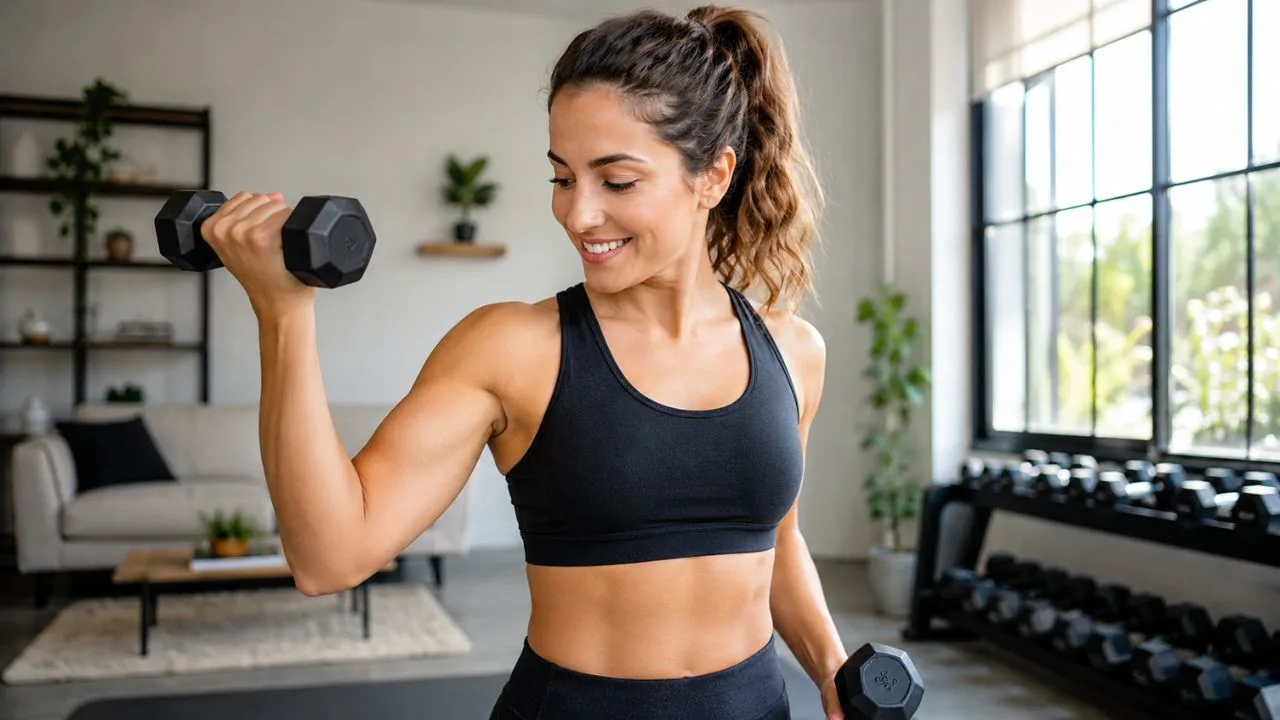

Arm fat is a common concern for people of different ages, weights and body types. You may notice extra softness around the upper arms, particularly near the triceps, even when other parts of your body appear relatively lean. This distribution is influenced by genetics, hormones, muscle mass and overall body-fat levels.
It is natural to search for exercises that promise to burn fat directly from the arms. Unfortunately, repeatedly training one body part does not give you complete control over where fat disappears first. Arm exercises can build and shape the muscles underneath, but overall fat loss is usually needed to make those changes more visible.
The most effective approach combines a manageable calorie deficit, regular strength training, cardiovascular activity and sufficient recovery. You do not need to follow a starvation diet or perform hundreds of arm exercises each day. Sustainable habits are more likely to produce results that you can maintain.
This guide explains how to get rid of arm fat safely and realistically. It covers nutrition, strength exercises, cardio, recovery and common mistakes, while also explaining the difference between arm fat and loose skin. The goal is to help you build healthier, stronger arms without unrealistic promises or body-shaming advice.
Key Takeaways
You cannot reliably choose to lose fat only from your arms. The body draws stored energy from different areas according to genetics, hormones and individual biology. Creating gradual overall fat loss is therefore the main strategy for reducing excess fat around the upper arms.
Arm exercises remain useful because they strengthen the biceps, triceps, shoulders, chest and upper back. Building these muscles can improve the shape and firmness of your arms as body fat decreases. It can also improve posture, lifting ability and everyday upper-body strength.
A moderate calorie deficit is more sustainable than a highly restrictive diet. Meals containing protein, vegetables, fruit, whole grains and other filling foods can help you control calorie intake without feeling constantly hungry. Consistency matters more than trying to eat perfectly every day.
Adults should aim for regular aerobic activity and strength training across all major muscle groups. Sleep, stress management and recovery also influence appetite, exercise quality and long-term adherence. Noticeable changes generally require weeks or months rather than a few days.
Can You Lose Arm Fat Specifically?
The idea of burning fat from one chosen area is commonly called spot reduction. It suggests that exercising a muscle forces the body to use fat stored directly above that muscle. Although local exercise uses energy, the body does not normally remove enough nearby fat to reshape one area independently.
Fat is stored in specialised cells throughout the body. When your body needs more energy than it receives from food, it releases stored energy from multiple areas. Genetics and hormones influence which regions become leaner quickly and which hold fat for longer.
Performing triceps extensions can strengthen the back of your upper arms, but it cannot guarantee that fat will leave that exact location. You might first notice changes around your face, waist or legs. The order of fat loss is individual and cannot be fully controlled through exercise selection.
This does not mean arm workouts are pointless. Stronger muscles can create more visible definition as overall body fat decreases, and resistance training helps preserve lean tissue during weight loss. The realistic goal is to combine targeted muscle development with whole-body fat reduction.
Why Do Some People Store More Fat in Their Arms?
Body-fat distribution differs considerably between individuals. Two people with the same weight and height may store fat in completely different areas. One may carry more around the abdomen, while another notices greater accumulation around the hips, thighs or upper arms.
Women commonly carry a higher essential body-fat percentage than men, although there is wide variation within both groups. Hormonal patterns can influence where fat is stored, particularly during puberty, pregnancy, menopause and other periods of biological change.
Arm size is not determined by fat alone. Muscle mass, bone structure, skin elasticity and fluid retention all affect appearance. Someone with less developed upper-body muscles may have softer-looking arms even when their total body-fat level is not particularly high.
Your arm shape is not evidence of laziness or poor discipline. Many factors are outside your direct control, including genetics and age. You can influence overall fitness and body composition, but healthy bodies will continue to have different natural shapes.
Genetics and Body-Fat Distribution
Genetics strongly influence how readily your body stores fat and where that fat tends to accumulate. Family members may have similar arm, hip or abdominal shapes even when their lifestyles differ. This can explain why your arms respond more slowly to weight loss than another person’s.
Genes can also affect appetite, metabolism, muscle structure and how your body responds to exercise. They do not make improvement impossible, but they can change the speed and appearance of your results. Comparing your progress with someone else’s may therefore create unrealistic expectations.
Some people naturally develop visible arm definition at a relatively high body-fat level. Others need to lose more total fat before muscle separation becomes noticeable. Neither pattern is healthier or more disciplined simply because it looks different.
Focus on behaviours that you can control, such as regular activity, balanced meals and progressive strength training. Your results should be judged against your starting point rather than an influencer, celebrity or genetically different training partner.
Hormones, Age and Muscle Loss
Hormones influence appetite, fat storage, fluid balance and muscle development. Changes involving oestrogen, testosterone, insulin and stress hormones can affect body composition over time. However, one area of arm fat does not automatically prove that you have a hormonal disorder.
Muscle mass tends to decline with age when people do not regularly perform resistance exercise. This loss can make the upper arms look softer because there is less muscle supporting the surrounding tissue. Strength training becomes particularly valuable as you grow older.
Menopause may be accompanied by changes in fat distribution, sleep and muscle mass. These changes can make previous weight-management strategies feel less effective. A balanced diet, adequate protein and progressive resistance training can help protect strength and lean tissue.
Speak with a healthcare professional when body changes occur alongside irregular periods, extreme tiredness, unusual hair growth, unexplained weight changes or other persistent symptoms. Medical conditions should be properly assessed rather than diagnosed from arm appearance alone.
Overall Weight Gain and Lifestyle
Weight gain occurs when energy intake regularly exceeds the energy your body uses. The surplus may gradually be stored as fat in the arms and other areas. Small daily differences can build over time without one obvious period of overeating.
A sedentary routine can reduce daily energy expenditure and contribute to muscle loss. Long working hours, driving and screen-based entertainment may leave little movement outside planned exercise. Increasing everyday activity can support weight management without requiring intense workouts every day.
Highly processed foods and sugary drinks can make excess calorie intake easier because they are often energy-dense and less filling. This does not mean individual foods must be completely banned. Portion size, frequency and the overall eating pattern matter more than labelling one ingredient as the cause.
Poor sleep and prolonged stress can also influence appetite, cravings and motivation. They may make it harder to prepare meals or remain active. A successful arm-fat reduction plan should therefore address your complete lifestyle rather than focusing only on exercise.
How to Get Rid of Arm Fat Safely
Reducing arm fat requires a strategy that lowers overall body fat while preserving or building muscle. This generally means eating slightly fewer calories than your body uses, performing regular resistance exercise and remaining physically active throughout the week.
The calorie deficit should be moderate enough to support normal work, sleep and exercise. Extreme restriction can cause fatigue, intense hunger and loss of muscle. It may also make the plan difficult to maintain, increasing the likelihood of regaining weight afterward.
Track progress using several measurements rather than relying only on the bathroom scale. Photographs, clothing fit, arm circumference, strength and energy levels can all provide useful information. Body weight naturally fluctuates because of food, water, hormones and digestion.
Aim for habits you could realistically continue after reaching your goal. A method that works only while you avoid social events, favourite foods or rest days is unlikely to provide lasting results. Sustainable fat loss should fit into your life rather than completely control it.
Create a Moderate Calorie Deficit
A calorie deficit means consuming less energy than your body uses over time. This encourages the body to release stored energy, including body fat. You do not necessarily need to count every calorie if portion awareness and food choices create the required deficit.
Begin with manageable changes such as reducing oversized portions, limiting frequent high-calorie drinks and adding more vegetables to meals. These adjustments can lower calorie intake without dramatically reducing food volume. Making several small changes is often easier than following one severe restriction.
Gradual weight loss of around 0.5 to 1 kilogram per week is commonly considered a reasonable target for many adults. Some people will lose more slowly, particularly when they are already close to a healthy weight. Faster change is not automatically safer or more successful.
Avoid consuming extremely low calories without medical supervision. Your body still requires enough energy, protein, vitamins, minerals and essential fats. A registered dietitian can help when you have medical conditions, a history of disordered eating or difficulty creating an appropriate plan.
Eat Enough Protein
Protein supports the maintenance and development of muscle tissue. This matters during fat loss because losing too much lean mass can reduce strength and create a softer appearance. Resistance training and adequate protein work together more effectively than either strategy alone.
Include a protein source in your main meals. Options include eggs, fish, chicken, lean meat, yoghurt, cottage cheese, tofu, beans, lentils and other pulses. The best choices depend on your dietary preferences, budget, culture and medical needs.
Spreading protein across the day may be more practical than trying to consume most of it at dinner. A protein-containing breakfast and lunch can also improve fullness for some people. This may make it easier to maintain a moderate calorie deficit without constant snacking.
Protein supplements are optional rather than essential. Powder can be convenient, but ordinary foods can provide sufficient protein for many people. Individuals with kidney disease or other medical conditions should obtain personalised advice before substantially increasing protein intake.
Build Meals Around High-Fibre Foods
Fibre adds volume to meals and can help you feel satisfied for longer. Vegetables, fruit, beans, lentils, whole grains, nuts and seeds are useful sources. These foods also provide vitamins, minerals and plant compounds that support overall health.
A practical plate might include a large portion of vegetables, a protein source and a moderate serving of higher-fibre carbohydrate. Examples include brown rice, wholegrain bread, potatoes with skin or oats. You do not need to remove carbohydrates to lose arm fat.
Increase fibre gradually when your current diet contains very little. A sudden large increase can cause gas, bloating or changes in bowel habits. Drinking enough water can help your digestive system manage the additional fibre comfortably.
Fruit and starchy foods should not be feared because they contain carbohydrates. The overall calorie balance and portion size remain important. A balanced meal is generally more sustainable than an unnecessarily restrictive diet based on avoiding entire food groups.
Reduce Liquid Calories and Mindless Snacking
Sugary drinks, sweetened coffee, milkshakes and frequent alcohol can contribute substantial calories without providing much fullness. Replacing some of these drinks with water, unsweetened tea or lower-calorie alternatives can create a useful deficit with relatively little effort.
Alcohol can also affect food choices and recovery. Drinking may lower inhibition, increase late-night snacking and reduce sleep quality. You do not necessarily need complete abstinence, but frequency and quantity should be considered within your overall plan.
Mindless snacking often occurs while watching television, working or scrolling on a phone. Eating directly from a large packet makes portion awareness difficult. Serving a planned amount in a bowl can help you enjoy the food without automatically finishing the entire package.
Do not respond by banning every snack. Planned snacks containing protein or fibre can prevent excessive hunger between meals. Yoghurt, fruit, nuts, boiled eggs or vegetables with hummus are examples, although portions still influence total calorie intake.
Best Exercises to Reduce Arm Fat and Improve Shape
The best exercises for arm appearance train more than the arms alone. Compound movements involving the chest, shoulders and back allow you to use greater resistance and develop the complete upper body. Smaller isolation exercises can then provide additional work for the biceps and triceps.
Train both the front and back of the upper body. Focusing only on triceps may create muscle imbalance and neglect posture. A balanced programme includes pushing, pulling, shoulder and direct arm movements alongside lower-body exercises.
Choose a resistance that makes the final repetitions challenging while allowing controlled technique. You do not need to reach complete muscular failure during every set. Gradually increasing repetitions, resistance or difficulty provides the progressive stimulus needed for improvement.
Beginners can start with two strength sessions each week. Leave enough recovery between demanding sessions for the same muscles. Persistent joint pain, sharp pain or worsening numbness is a reason to stop and obtain professional guidance.
Push-Ups
Push-ups train the chest, shoulders and triceps while also requiring core stability. They are an efficient upper-body exercise that can be adjusted for different fitness levels. Building strength in these muscles can improve the shape and function of the upper arms.
Beginners can perform push-ups against a wall, kitchen counter or sturdy bench. A higher hand position reduces the amount of body weight being lifted. Gradually use lower surfaces as your strength and control improve.
Keep your body in a straight, comfortable line and place your hands slightly wider than shoulder width. Lower your chest towards the surface while allowing the elbows to move at a natural angle. Push back without letting the lower back collapse.
Start with two or three sets of a number you can complete with good technique. Stop before your form breaks down. When standard push-ups become easy, increase repetitions, slow the lowering phase or progress to a more difficult variation.
Rows
Rows strengthen the upper back, rear shoulders and biceps. These muscles support healthy posture and balance the pressing movements included in many workouts. A stronger back can also make the shoulders and arms appear more defined as overall fat decreases.
At home, you can perform rows using a resistance band secured safely around a stable support. In a gym, cable rows, dumbbell rows and rowing machines provide suitable options. Choose the version that allows you to control the movement comfortably.
Begin by drawing your shoulder blades gently backwards and pulling your elbows towards your sides. Avoid lifting the shoulders towards your ears or using rapid body movement to create momentum. Pause briefly before returning the weight under control.
Use a resistance that allows roughly eight to fifteen controlled repetitions. Increase the band tension or weight when you can comfortably exceed your target range. Balanced pulling strength can also reduce the rounded posture created by long periods at a desk.
Overhead Press
The overhead press develops the shoulders and triceps. Building the shoulder muscles can create a stronger outline around the upper arms. The movement can be performed with dumbbells, resistance bands, machines or suitable household objects.
Begin with the weights near shoulder height and keep your wrists stacked comfortably over your forearms. Press upwards without aggressively arching your lower back. Lower the weights slowly until you return to the starting position.
People with limited shoulder mobility may prefer a machine or a neutral grip with palms facing each other. Do not force the arms into a painful position. A qualified trainer or physiotherapist can recommend alternatives when you have a previous shoulder injury.
Start with light resistance and focus on smooth movement. Two or three sets of eight to twelve repetitions can be sufficient for a beginner. Progress gradually instead of increasing the load before you can control the exercise.
Triceps Extensions
The triceps form a large portion of the upper-arm muscle and are located along the back of the arm. Strengthening them can improve firmness and pushing strength. However, triceps exercises will not independently burn the fat covering that area.
Extensions can be performed with a dumbbell, resistance band or cable machine. The movement involves straightening the elbow against resistance. Keep the upper arm relatively stable so the triceps perform most of the work.
An overhead extension stretches the triceps in a lengthened position, while a cable pushdown may feel more comfortable for some shoulders. Neither variation is universally best. Select the option that allows pain-free movement and steady progression.
Use a moderate weight and avoid aggressively locking the elbows. Aim for controlled repetitions and a clear muscular effort rather than swinging a heavy load. One or two direct triceps exercises are generally enough within a balanced upper-body workout.
Biceps Curls
Biceps curls strengthen the muscles at the front of the upper arm. They support pulling and carrying activities and can improve visible arm shape. Like triceps work, curls build muscle but do not selectively remove nearby fat.
Hold dumbbells, a resistance band or another suitable load with your elbows close to your body. Bend your elbows to bring the resistance upwards while keeping your shoulders relaxed. Lower slowly instead of allowing the weight to drop.
Avoid leaning backwards or swinging the weights. These compensations usually mean the resistance is too heavy. Lighter, controlled repetitions provide a more useful training stimulus than lifting a larger number with poor technique.
Curls can be performed after rows and other compound exercises. Two or three sets of eight to fifteen repetitions are enough for many beginners. Increase resistance only when you can complete the movement consistently without elbow or wrist discomfort.
Why Full-Body Strength Training Matters
Training only the arms neglects much larger muscle groups that can improve overall strength and energy expenditure. Squats, lunges, hip hinges, presses and rows create a more balanced programme. They also help you maintain muscle throughout the body during weight loss.
Full-body training provides functional benefits beyond appearance. Strong legs, hips, back and core support walking, lifting, climbing stairs and maintaining independence. These improvements can make physical activity more comfortable and enjoyable.
A balanced strength session does not need to contain many exercises. One lower-body push, one hip movement, one upper-body push, one pull and one core exercise can train most major areas. Additional biceps and triceps work can be added afterward.
Consistency matters more than using complicated routines. Training major muscle groups at least twice per week can provide meaningful benefits. Begin at a level that suits your ability and increase the challenge gradually over time.
How Cardio Helps Reduce Overall Body Fat
Cardiovascular activity increases energy expenditure and supports heart, lung and metabolic health. It can help create the calorie deficit required for fat loss when combined with appropriate eating habits. Walking, cycling, swimming and dancing are all valid forms of cardio.
You do not need to perform exhausting workouts every day. Moderate-intensity activity should make your breathing faster while still allowing you to speak in short sentences. Beginners can divide weekly activity into shorter sessions and build up gradually.
Higher-intensity intervals can save time and improve fitness, but they are not necessary for reducing arm fat. They can also be demanding on the joints and recovery. A consistent walking routine is often more useful than an advanced programme you cannot maintain.
Aim to combine cardio with resistance training rather than choosing one and ignoring the other. Cardio supports energy expenditure, while strength training helps preserve muscle. This combination can improve both health and body composition.
Increase Everyday Movement
Planned exercise represents only part of your daily movement. Walking to shops, taking stairs, performing household work and standing regularly can collectively use considerable energy. These activities are sometimes described as non-exercise activity.
Set a realistic step target based on your current routine rather than immediately copying a very high number. Someone averaging 3,000 daily steps might first aim for 4,000 or 5,000. Gradual increases are easier to sustain and less likely to cause overuse pain.
Break up long periods of sitting with brief movement. Walk during telephone calls, take a short route after meals or perform simple household tasks. These small actions can also improve stiffness and concentration during desk-based work.
Everyday movement should support rather than punish your body. You do not need to earn meals or compensate for eating through excessive walking. The aim is to build an active lifestyle that supports health and gradual fat loss.
A Simple Weekly Workout Plan
A practical weekly plan could include three full-body strength workouts and three moderate cardio sessions. Strength training might take place on Monday, Wednesday and Friday, with walking, cycling or swimming on alternate days. At least one easier recovery day can also be included.
Each strength session can include squats, a hip hinge, push-ups, rows, overhead presses and one direct arm exercise. Perform two or three sets per movement. Beginners should use manageable resistance and prioritise correct technique.
Cardio sessions may last between twenty and forty minutes according to fitness and available time. You can also accumulate shorter ten-minute walks throughout the day. Increasing duration gradually is safer than immediately attempting long or intense sessions.
The plan should be adjusted around your work, family responsibilities, health and preferences. A schedule that you can complete regularly is more effective than an ideal plan that remains unfinished. Rest or modify the session when illness, pain or unusual fatigue occurs.
Home Arm Workout Without Gym Equipment
Begin with five minutes of easy movement, such as marching, shoulder circles and gentle arm swings. The warm-up should increase body temperature without causing fatigue. Avoid forcing large shoulder circles when your joints feel stiff or painful.
Perform incline push-ups using a secure counter or table, followed by resistance-band rows or supported rows with a safely handled household item. Add bodyweight squats so the workout trains more than your upper body. Complete two or three rounds at a comfortable pace.
For direct arm work, use water bottles for biceps curls and perform triceps extensions with one light object. Slow repetitions can make a lighter load more challenging. Stop when your technique begins to deteriorate rather than chasing a fixed number.
Finish with relaxed breathing and gentle movement. Repeat the workout two or three times weekly, leaving recovery time between sessions. Progress by adding repetitions, using slightly heavier resistance or choosing a more challenging push-up angle.
How Long Does It Take to Reduce Arm Fat?
The timeline depends on your starting body composition, genetics, calorie deficit and consistency. Someone with more total fat to lose may notice early changes relatively quickly, while a leaner person may need longer to see visible arm definition.
A sustainable rate of weight loss is usually gradual. Photographs or measurements taken every four weeks may reveal progress that is difficult to notice in the mirror each day. Daily checking can make normal fluctuations feel like failure.
Strength improvements may appear before major visual changes. You might complete more push-ups, lift heavier weights or find everyday carrying easier within several weeks. These are meaningful signs that your programme is working.
Avoid programmes promising dramatically thinner arms in seven days. Rapid changes are often caused by water loss, lighting or posing rather than substantial fat reduction. Lasting results usually come from repeating sensible habits over several months.
Arm Fat vs Loose Skin
Loose upper-arm skin can look similar to excess fat, but the two are not identical. Fat feels like soft tissue beneath the skin, while loose skin may appear thinner, wrinkled or folded. Many people have a combination of both.
Skin elasticity is influenced by age, genetics, smoking, sun exposure, pregnancy and the amount of previous weight change. After significant weight loss, the skin may not completely contract around the smaller arm. Exercise cannot directly remove excess skin.
Building the triceps, biceps and shoulders may improve the appearance by providing more structure underneath the skin. However, strength training cannot guarantee complete tightening after major weight loss. Creams and supplements are also unlikely to remove substantial loose skin.
People who experience rashes, infections or functional difficulties from excess skin should speak with a clinician. Cosmetic surgery is the only reliable method of removing a large amount of loose skin, but it involves cost, scarring and medical risk that require careful assessment.
Sleep, Stress and Recovery
Sleep supports exercise recovery, appetite regulation and everyday decision-making. When you are sleep-deprived, you may feel hungrier, crave higher-calorie foods and have less energy for activity. Improving sleep can therefore make a fat-loss plan easier to maintain.
Aim for a consistent sleep and waking schedule where possible. Reduce late-night caffeine, create a dark sleeping environment and limit activities that keep you mentally alert in bed. Persistent insomnia or loud snoring with daytime sleepiness deserves medical attention.
Stress does not automatically create arm fat, but it can affect behaviours that influence weight. Some people eat more during stressful periods, while others stop exercising or sleep poorly. Addressing stress can support consistency without pretending that relaxation alone burns fat.
Recovery days are part of training rather than evidence of weakness. Muscles adapt between sessions, and constant hard exercise can reduce performance or cause injury. Alternate demanding workouts with easier movement and obtain professional advice when pain persists.
Common Arm-Fat Loss Mistakes
One common mistake is completing hundreds of arm repetitions while ignoring overall activity and nutrition. High repetitions may improve muscular endurance, but they do not guarantee local fat loss. A complete programme needs whole-body training and an appropriate calorie balance.
Another mistake is reducing calories too aggressively. Severe diets can lower energy, increase cravings and contribute to muscle loss. They may produce fast scale changes while making the arms look softer because lean tissue is being lost.
Some people change workouts every week because they do not see immediate results. Muscle and fat changes need time. Following a simple programme consistently allows you to measure progress and make informed adjustments.
Comparing relaxed, everyday arms with posed photographs online is also misleading. Lighting, angles, editing and temporary muscle pumps can dramatically change appearance. Judge progress under similar conditions and prioritise health and strength over a perfect image.
Do Arm-Slimming Creams and Supplements Work?
Creams cannot remove a meaningful amount of fat from the upper arms. They may temporarily moisturise or tighten the surface of the skin, creating a smoother appearance. This cosmetic effect should not be confused with actual loss of fat cells.
Fat-burning supplements are also unlikely to target the arms. Some contain caffeine or other stimulants that may slightly affect energy expenditure while causing anxiety, insomnia, digestive symptoms or a faster heartbeat. Marketing claims are often much stronger than the evidence.
Protein powder can support convenient protein intake, but it does not directly burn fat. It still contains calories and works best as part of an appropriate diet. You do not need a supplement when ordinary foods already meet your needs.
Spend your money first on nutritious food, suitable exercise equipment or professional guidance when needed. No tea, pill, wrap or detox drink replaces a calorie deficit and consistent activity. Be particularly cautious with products that hide ingredient quantities or promise extremely fast results.
What About Cosmetic Fat-Reduction Procedures?
Liposuction and other cosmetic procedures can reduce fat in selected areas, but they are not substitutes for general weight management. Results, costs and risks vary considerably. Procedures should be performed only by appropriately qualified and regulated professionals.
Non-surgical treatments may use cooling, heat or other technologies to affect small fat deposits. Changes are generally more modest than advertisements suggest and may require several sessions. They also cannot guarantee perfectly even or permanent results.
Every procedure carries potential side effects, including pain, swelling, skin changes, contour irregularity and infection. Liposuction also involves surgical and anaesthetic risks. A thorough consultation should include realistic expectations and a discussion of alternatives.
Cosmetic treatment cannot prevent future weight gain. Remaining fat cells can enlarge when overall weight increases. Establishing sustainable eating and activity habits remains important before and after any procedure.
When Arm Size May Need Medical Assessment
Arm fullness is usually related to normal fat distribution, muscle and skin. However, swelling is different from ordinary body fat. Seek medical advice when one arm suddenly becomes larger, painful, red, warm or difficult to move.
Lymphoedema can cause swelling, heaviness, tightness and changes in the skin. It may affect one or both arms and can occur after surgery or treatment involving lymph nodes. Early assessment can help identify the cause and appropriate management.
Lipoedema can cause a symmetrical accumulation of painful fatty tissue and may involve the arms. Easy bruising, tenderness and heaviness can occur. It is a medical condition and should not be dismissed as ordinary weight gain or lack of exercise.
Urgent care may be needed for sudden swelling accompanied by chest pain, breathlessness, fever or severe redness. These symptoms are not a cosmetic arm-fat concern. A healthcare professional should evaluate unexplained or rapidly changing arm size.
How to Track Your Progress
Measure your upper arm at the same point, under similar conditions and no more than every few weeks. Pulling the measuring tape tighter on one occasion can create false progress. Write down the location so future measurements are consistent.
Take photographs using similar clothing, lighting, distance and posture. Front, side and back views can show changes that a single angle misses. Avoid taking photographs immediately after exercise when temporary blood flow makes the muscles appear larger.
Track strength achievements such as push-up height, rowing resistance or curl weight. Improved performance shows that you are building useful tissue even when the scale changes slowly. Fitness gains can also increase confidence and make the process more rewarding.
Review your plan after four to six consistent weeks. When weight and measurements remain unchanged, examine portions, drinks and activity before making a small adjustment. Avoid responding with an extreme diet or doubling every workout.
Frequently Asked Questions
Can you lose arm fat without losing weight?
You can build arm muscle without significant weight loss, which may improve shape and firmness. However, noticeably reducing the fat covering the muscles generally requires some overall body-fat loss.
What exercise burns the most arm fat?
No exercise selectively burns arm fat. Full-body strength training and cardiovascular activity support overall fat loss, while push-ups, rows, presses and arm exercises develop the muscles underneath.
How many times a week should I train my arms?
Two or three weekly strength sessions are sufficient for many people. Allow recovery between sessions and train the chest, back, shoulders and lower body rather than focusing only on the arms.
Will lifting weights make my arms bulky?
Muscle growth is gradual and requires consistent training. Most people will initially notice greater firmness and strength rather than suddenly developing very large arms.
Why is one arm bigger than the other?
Small differences can result from hand dominance, muscle use or natural anatomy. Seek medical advice when the change is sudden or accompanied by swelling, redness, warmth, pain or heaviness.
Conclusion
You cannot fully control where your body loses fat first, so hundreds of arm exercises will not specifically melt upper-arm fat. The most reliable approach is gradual whole-body fat loss combined with exercises that strengthen the muscles of the arms, shoulders, chest and back.
Create a moderate calorie deficit using balanced, filling meals rather than extreme restriction. Include adequate protein, high-fibre foods and sensible portions while reducing unnecessary liquid calories. These habits can support fat loss without leaving you constantly hungry or exhausted.
Combine full-body strength training with regular cardio and everyday movement. Progressively increasing the challenge will build muscle and improve arm shape as overall fat decreases. Sleep and recovery will help you maintain the routine and perform each workout more effectively.
Be patient with your body and avoid comparing your natural fat distribution with edited images. Changes may take several months, especially when the arms are one of the last areas where your body loses fat. Consistent, realistic habits remain more valuable than quick-fix products or punishing workouts.