
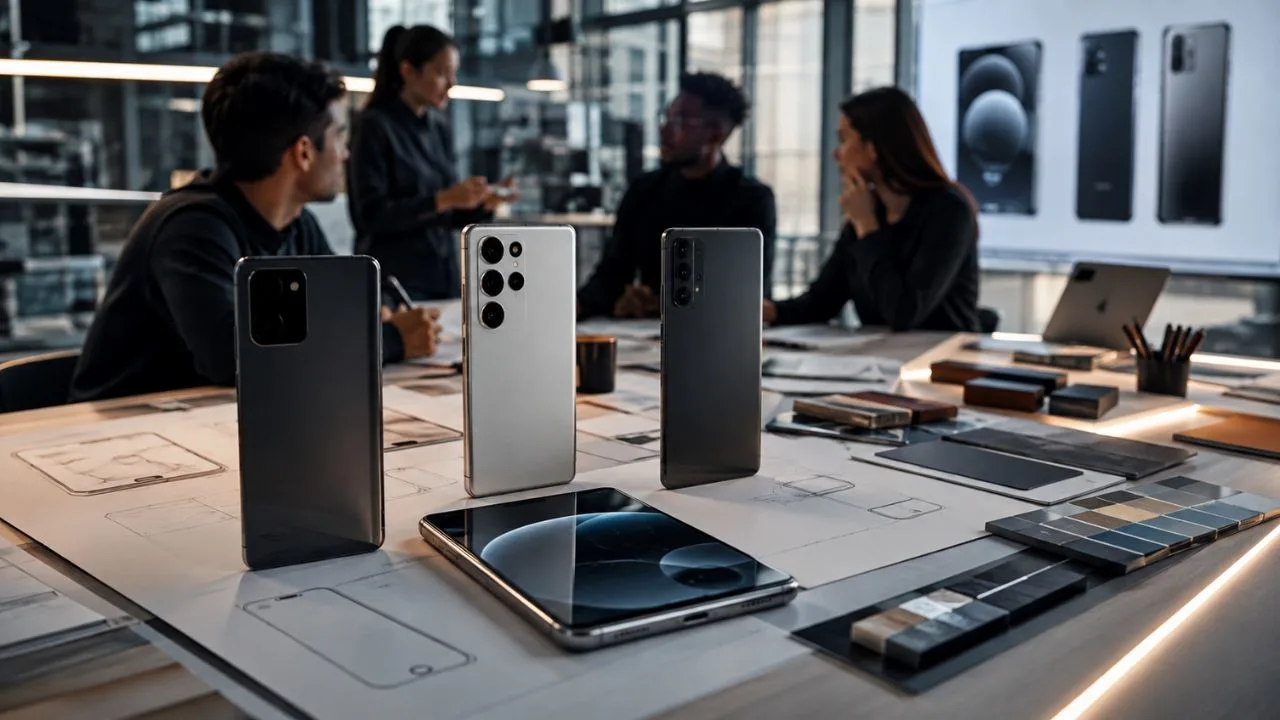

Smartphone Startup: Build a Mobile Brand That Can Compete
Launching a smartphone startup may sound impossible in a market controlled by Apple, Samsung, Xiaomi and other established manufacturers. However, a new company does not need to compete with every major brand immediately. It can enter the market by solving one specific problem for a clearly defined group of customers.
New smartphone brands can focus on repairability, privacy, gaming, children, older adults, business security or affordable devices for regional markets. This focused approach gives customers a clear reason to consider an unfamiliar brand. Without meaningful differentiation, a startup risks becoming another generic Android phone competing mainly on price.
The smartphone market remains enormous, but conditions are challenging. IDC forecast global smartphone shipments to decline sharply in 2026 as memory shortages and rising component costs pressure manufacturers, particularly smaller brands focused on inexpensive devices. New businesses must therefore control inventory, pricing and supply-chain risk carefully.
This guide explains how to start a smartphone company, select a niche, work with an original design manufacturer, develop software and meet regulatory requirements. It also covers pricing, marketing, after-sales service and the mistakes that commonly prevent promising mobile phone startups from building sustainable businesses.
What Is a Smartphone Startup?
A smartphone startup is a new company that develops, brands or sells mobile devices. Some startups create original hardware and software, while others customise an existing design from a manufacturing partner. The amount of control, investment and technical expertise required depends heavily on the chosen production model.
The company does not necessarily need to own a factory. Many smartphone brands work with original equipment manufacturers or original design manufacturers that already have assembly lines, engineering teams and supplier relationships. The startup can focus on product positioning, software, branding, distribution and customer experience.
A mobile phone startup may launch one physical device or build a broader platform around it. The phone could support subscriptions, secure cloud services, parental controls, repairs, accessories or specialised business applications. These additional services can create recurring revenue after the initial hardware sale.
The strongest startups treat the phone as part of a complete customer solution. A rugged device for field workers, for example, should include durable hardware, device-management tools and dependable support. Selling ordinary specifications under a new logo rarely creates enough value to overcome low brand recognition.
Is the Market Still Attractive?
The smartphone market is mature, which means many customers already own capable devices and replace them less frequently. Major brands benefit from established retail partnerships, large marketing budgets and efficient supply chains. A startup cannot assume that consumers will switch simply because a new phone has slightly better specifications.
At the same time, a large market contains many underserved segments. Some customers want repairable phones, fewer distractions, longer software support or stronger privacy. Others need affordable devices designed for local languages, weak network conditions, demanding workplaces or users who find mainstream interfaces unnecessarily complicated.
Counterpoint reported that global smartphone shipments grew approximately 2% in 2025, with Apple, Samsung and Xiaomi holding the leading positions. The market then weakened in 2026 as component costs and supply pressures increased, making careful positioning more important for smaller companies.
Starting a smartphone business can still be worthwhile when the company has a defensible niche, realistic budget and strong distribution plan. It becomes much less attractive when the strategy depends only on purchasing a generic device, adding a logo and hoping that low prices will create demand.
Choose a Clear Niche
A successful smartphone startup should begin with a customer problem rather than a list of impressive components. Interview potential users and identify what frustrates them about existing phones. Their difficulties may involve short battery life, complicated interfaces, fragile screens, poor repair options or unwanted applications.
The target audience should be specific enough to guide product decisions. “People who need a smartphone” is too broad. “Delivery drivers who need a durable phone with long battery life and reliable navigation” provides clearer requirements for hardware, accessories, software and distribution.
A niche also makes marketing more efficient. Instead of paying to reach every smartphone buyer, the startup can publish content and run campaigns around one group’s priorities. Focused positioning can generate stronger recommendations because customers immediately understand who the product was designed to serve.
Avoid selecting a niche only because it appears fashionable. Confirm that customers experience the problem frequently, dislike current solutions and are willing to pay for an improvement. A genuine need is more valuable than online attention that does not lead to purchases.
Find Your Product Advantage
Every new smartphone brand needs a clear answer to the question, “Why should someone buy this phone instead of a recognised alternative?” The answer should be understandable within a few seconds. Complicated claims or small specification differences will not create a memorable position.
A competitive advantage may come from physical design, software, repairability, durability, privacy or customer service. Nothing has used distinctive industrial design and cultural branding to separate its products from conventional smartphones. The company describes its positioning around technology, design, music, fashion and creative communities.
Fairphone has taken a different approach by prioritising modular construction, replaceable parts, repairability and long-term use. Its products demonstrate how a smaller brand can gain recognition by building around one consistent mission rather than trying to outperform every flagship specification.
Your advantage must affect the real customer experience. A claim such as “powered by innovation” says very little. A replaceable battery, five years of software support or a simplified interface provides a specific benefit customers can compare, understand and discuss with others.
Select a Business Model
The first business model is fully original development. The startup designs the industrial form, circuit boards, antennas, cameras, thermal system and software integration. This route provides maximum control but requires experienced engineers, substantial investment, extensive testing and a longer development schedule.
The second option is working with an original design manufacturer. An ODM already has functional phone designs that can be modified with different displays, cameras, memory, finishes or enclosures. This approach reduces development time while still allowing meaningful product customisation.
A white-label model requires the least original engineering. The manufacturer provides an existing, tested phone that the startup sells under its own brand, often with customised packaging and software. It can help validate demand, but competitors may sell almost identical hardware under different names.
Many founders should begin with an ODM or carefully selected white-label product rather than attempting a completely original flagship. The initial launch can test pricing, distribution and customer demand. Greater hardware control can be added after the company proves that customers genuinely want its proposition.
Choose the Right Manufacturer
Finding an ODM smartphone manufacturer requires more than comparing unit prices. Ask about previous projects, production capacity, quality systems, supported markets and minimum order quantities. The manufacturer should also explain which components are guaranteed and which may change during the production cycle.
Request working samples before signing a large contract. Test call quality, cameras, display brightness, charging, battery endurance, heat management, GPS, Wi-Fi and mobile-network performance. A specification sheet cannot reveal weak microphones, unstable software or inconsistent manufacturing quality.
Clarify ownership of the industrial design, software modifications, packaging and certification documents. The contract should state what happens when a component becomes unavailable or a shipment fails quality testing. Unclear responsibilities can cause expensive delays shortly before the planned launch.
Visit the manufacturing facility or hire an independent inspection company when possible. A professional partner should provide traceable test reports, production schedules and quality-control procedures. Choosing the cheapest supplier may become costly when defective units create refunds, negative reviews and damaged retailer relationships.
Build a Focused First Phone
The first product should prove the startup’s central promise rather than include every available feature. A privacy-focused phone needs secure software and clear data controls. A gaming device needs sustained performance, effective cooling, responsive controls and sufficient battery capacity.
Begin with a product requirements document that defines the audience, price range and essential functions. Separate non-negotiable features from optional additions. This prevents the team from increasing costs whenever someone suggests a better camera sensor, brighter screen or additional accessory.
Hardware features must work together as a system. A powerful processor can create excessive heat, while a high-resolution display may reduce battery life. A large battery can make the phone heavy. Product development involves balancing performance, comfort, durability, cost and manufacturing complexity.
Create prototypes and let target customers use them in realistic situations. Observe where they become confused, which features they value and which specifications they barely notice. Direct testing often reveals that customers care more about reliability and convenience than impressive numbers on a product page.
Plan the Android Software
Most new smartphone companies choose Android because the Android Open Source Project provides a foundation that manufacturers can adapt. However, using Android source code does not automatically provide access to Google Play, Google applications or the Android trademark.
An Android-compatible device must meet the requirements in the Android Compatibility Definition Document and pass the Compatibility Test Suite. After compatibility is achieved, a manufacturer may pursue licensing for Google Mobile Services, which can include Google Play and other familiar applications.
The startup must also decide how much software customisation is necessary. A heavily modified interface can create differentiation but increases development, testing and update costs. A cleaner Android experience may be easier to maintain while still allowing custom applications, wallpapers, settings and service integrations.
Software support should be planned before the phone is sold. Customers increasingly expect security updates and major operating-system upgrades. Promising long support without confirmed chipset, ODM and engineering commitments can leave the company responsible for updates it cannot technically deliver.
Make Security a Priority
A smartphone contains messages, photographs, passwords, payment information and business data. Security cannot be added shortly before launch. It must influence hardware selection, operating-system configuration, update procedures and the applications installed on the device.
Use current Android security patches and avoid unnecessary preinstalled applications. Every additional service can introduce vulnerabilities, privacy concerns or battery drain. Google’s Android guidance recommends using current operating-system versions and maintaining security updates throughout the supported product cycle.
Create a process for receiving vulnerability reports and releasing urgent fixes. Customers and business buyers should know how long the device will receive security updates. A clear policy creates more trust than vague promises that the company will provide updates “regularly.”
Privacy claims must match actual practices. A startup should not describe a phone as privacy-first while collecting unnecessary analytics or sharing information with poorly explained partners. Publish readable policies and give users meaningful control over data collection, permissions and cloud features.
Meet Regulatory Requirements
Smartphones contain cellular, Wi-Fi, Bluetooth and other radio transmitters, which means they must satisfy technical requirements in every target market. Certification should be included in the development schedule and budget rather than treated as a final administrative task.
In the United States, smartphone handsets are subject to FCC equipment-authorisation requirements. Testing may cover radio-frequency emissions, exposure levels and supported wireless functions. Changes to an already certified white-label device may also require updated identification or additional approval.
European Union rules add requirements related to energy performance, durability and repairability. Since June 20, 2025, relevant smartphones placed on the EU market have been covered by ecodesign and energy-labelling rules, including a repairability class displayed to consumers.
Requirements differ across countries, so hire a qualified compliance laboratory or consultant early. The team may also need to consider battery transport, recycling, warranties, accessibility, environmental labelling and local telecommunications approvals before selling the device.
Create a Realistic Budget
A smartphone startup budget must cover more than manufacturing. Major categories include product design, engineering, prototypes, tooling, certification, software, packaging, freight, duties, warehousing, marketing, warranties and customer support. Ignoring any one of these can create a serious cash-flow problem.
Minimum order quantities can tie up a large amount of capital before the first phone is sold. The company may also need to pay deposits months before delivery. Build a cash-flow forecast that includes delayed shipments, retailer payment terms, returns and unsold inventory.
Keep a contingency reserve for component changes, failed tests and manufacturing delays. Smartphone development contains many connected dependencies, and one unavailable camera sensor or memory component can force additional engineering and software validation.
Do not spend the entire budget creating the most advanced possible device. A technically impressive phone can still fail without distribution, support and marketing. Allocate funds according to the full customer journey, from discovering the product to receiving updates and warranty service.
Set the Right Price
Pricing should begin with the customer’s perceived value and the competitive market, not simply the production cost. Compare phones that target the same users and identify what additional benefit your brand offers. A new company usually needs a compelling reason to charge more than established alternatives.
Calculate the complete landed cost of each unit. Include the factory price, packaging, certification allocation, transportation, insurance, tariffs, warehousing and payment fees. Then account for retailer margins, promotions, returns, warranty claims and customer-acquisition costs.
Low pricing can generate interest but leave no room for support or future software updates. This is particularly dangerous when component costs are rising. IDC’s 2026 outlook warned that smaller and lower-priced smartphone manufacturers faced greater pressure from memory shortages and increasing costs.
A premium price can work when the phone provides a meaningful specialised benefit. Customers may pay more for durability, privacy, repairability or professional support. The price must be supported by a strong product experience rather than branding language alone.
Build a Memorable Brand
A smartphone brand is more than a name placed on an ODM device. It includes the visual identity, product design, packaging, website, software details, customer service and public communication. Every interaction should reinforce the same promise.
Create a brand story based on the customer problem. A repairable-phone company can discuss waste, durability and ownership. A minimalist-phone startup can focus on attention and digital well-being. A rugged-device business can highlight reliability in demanding working environments.
Show the people and decisions behind the product. Development updates, prototypes and honest explanations can build trust before launch. Early supporters often enjoy seeing how feedback influences the final device, especially when the startup serves a passionate niche.
Avoid copying the visual style and language of a successful competitor. Similar designs may gain temporary attention but make the startup appear replaceable. A recognisable identity helps customers remember the brand even when another phone has comparable technical specifications.
Validate Demand Before Production
Do not rely only on social-media likes or positive comments. Create a landing page that explains the phone’s central benefit, expected price range and planned launch period. Measure email sign-ups, reservation deposits or other actions that demonstrate stronger interest.
Interview people who choose not to sign up. Their objections may reveal that the product is too expensive, poorly explained or missing a critical feature. Negative feedback is valuable when it arrives before the company commits to a large production order.
A crowdfunding campaign can test demand and generate publicity, but it also creates obligations. Development delays, changing specifications and unrealistic promises can damage the company before the first device ships. Present risks and estimated delivery dates honestly.
Business customers can provide another validation route. A startup may run a small pilot with schools, logistics companies, healthcare organisations or field-service teams. A successful pilot can generate detailed feedback and a credible case study for future sales.
Plan Sales and Distribution
Direct online sales give the startup control over pricing, customer data and brand presentation. However, the company must manage fulfilment, fraud, taxes, returns and support. Customers may also hesitate to buy an unfamiliar phone without seeing it physically.
Retailers provide visibility and customer trust but require margins, stock commitments and promotional support. A new brand may need to prove demand before large chains provide meaningful shelf space. Smaller specialist retailers can be more accessible during the early stage.
Mobile network operators can deliver volume, financing plans and distribution. Their approval processes may involve network testing, technical requirements and commercial negotiations. The phone must also support the correct network bands and technologies for each intended carrier.
Begin with one or two markets where the startup understands regulations, customer behaviour and logistics. Launching globally creates multiple currencies, languages, certifications and warranty responsibilities. Controlled expansion allows the company to solve problems before they affect a much larger customer base.
Provide After-Sales Support
Customers do not evaluate a smartphone only on launch day. They judge how the company responds when a screen breaks, a battery weakens or software stops working. Poor support can destroy trust faster than a slightly disappointing camera.
Set up clear warranty terms, repair procedures and replacement timelines. Train support staff to diagnose common issues without repeatedly transferring the customer. Keep spare units and essential parts available so ordinary repairs do not take several months.
Publish troubleshooting guides, update notes and repair information. Fairphone has built much of its differentiation around replaceable components, spare-part access and designs intended for longer use. Its approach shows how support and repairability can become central brand benefits.
Track every return and support request. Repeated complaints about charging, connectivity or software should be reported to engineering and manufacturing teams. After-sales information can reveal product problems that were missed during limited prototype testing.
Common Startup Mistakes
The first mistake is creating a generic phone without a clear audience. Established brands can usually provide similar hardware at lower cost or with better support. A new company needs a reason to exist beyond offering another combination of camera, battery and memory specifications.
The second mistake is underestimating software maintenance. Launching an Android phone is only the beginning. Security patches, operating-system upgrades, bug fixes and application compatibility require continuing engineering work long after the initial sales campaign ends.
The third mistake is ordering too much inventory before demand is proven. Unsold smartphones lose value quickly when newer processors and operating systems reach the market. Start with controlled production quantities and increase them only after receiving dependable sales evidence.
The final mistake is promising features, delivery dates or updates that depend on unconfirmed partners. Customers may forgive an honest limitation, but they rarely forget misleading claims. Clear communication is especially important for a startup that has not yet established a reputation.
Launch the Smartphone Startup
Begin by selecting one customer group and validating a serious problem. Study competing phones, alternative solutions and the amount customers are willing to pay. Turn these findings into a simple product concept with a clear and measurable advantage.
Next, choose the manufacturing model and request proposals from qualified partners. Compare prototypes, certifications, component commitments and software-support capabilities. Build a detailed financial model before approving tooling or placing a production order.
Develop the brand, website and community while the product is being tested. Share meaningful progress without revealing confidential manufacturing information. Collect early registrations and use feedback to improve the positioning, packaging and onboarding experience.
Launch in a controlled market, monitor reviews and solve problems quickly. The first device does not need to dominate global sales. Its purpose is to prove that the smartphone startup can create a valuable product, support customers and build the foundation for future models.
Conclusion: Can a Smartphone Startup Succeed?
A smartphone startup can succeed, but competing directly with the largest global manufacturers is rarely the best first strategy. New brands should serve a specific audience and offer a clear advantage that established companies have overlooked or chosen not to prioritise.
The most practical route is often to work with an experienced ODM, launch a focused Android device and invest heavily in software quality, branding and customer support. Original hardware development can increase later as the company gains revenue, experience and customer trust.
Market conditions in 2026 make careful planning especially important. Higher component costs, certification requirements and slower replacement cycles create pressure on new entrants. Strong inventory control and realistic pricing can be more important than launching with the most powerful technical specifications.
A successful mobile brand is built through reliability, differentiation and long-term service. Founders who validate demand, protect cash and solve one meaningful customer problem have a stronger chance of turning an ambitious smartphone idea into a sustainable company.
Frequently Asked Questions
How much does it cost to start a smartphone company?
The cost depends on the manufacturing model, order quantity, customisation and target markets. A white-label launch costs less than creating original hardware, but certification, software, marketing, inventory and support still require substantial funding.
Can a startup manufacture its own smartphone?
Yes, but most startups work with OEM or ODM partners instead of owning a factory. These manufacturers can provide existing designs, engineering support, component sourcing, assembly and quality testing.
What is a white-label smartphone?
A white-label smartphone is an existing device produced by a third-party manufacturer and sold under another company’s brand. Packaging, software and appearance may be customised, but the core hardware is usually shared with other products.
Does a new smartphone automatically include Google Play?
No. Android compatibility requirements must be met, and access to Google Mobile Services requires a separate licensing process. Using Android Open Source Project code alone does not automatically provide Google Play.
What makes a new smartphone brand successful?
A strong niche, dependable product, competitive pricing and responsive customer support are essential. The brand must provide a benefit customers can understand and maintain software and repair support after the phone is sold.