
Key Takeaways
- A lasting Tai Chi routine should fit into daily life rather than compete with it.
- Short, regular sessions are often easier to maintain than occasional long workouts.
- A safe practice area, a clear goal, and simple reminders can make consistency more achievable.
- Online instruction can offer flexibility, but beginners still need to prioritize comfortable, controlled movement.
- Progress can include greater body awareness, steadier movement, and a calmer relationship with practice.
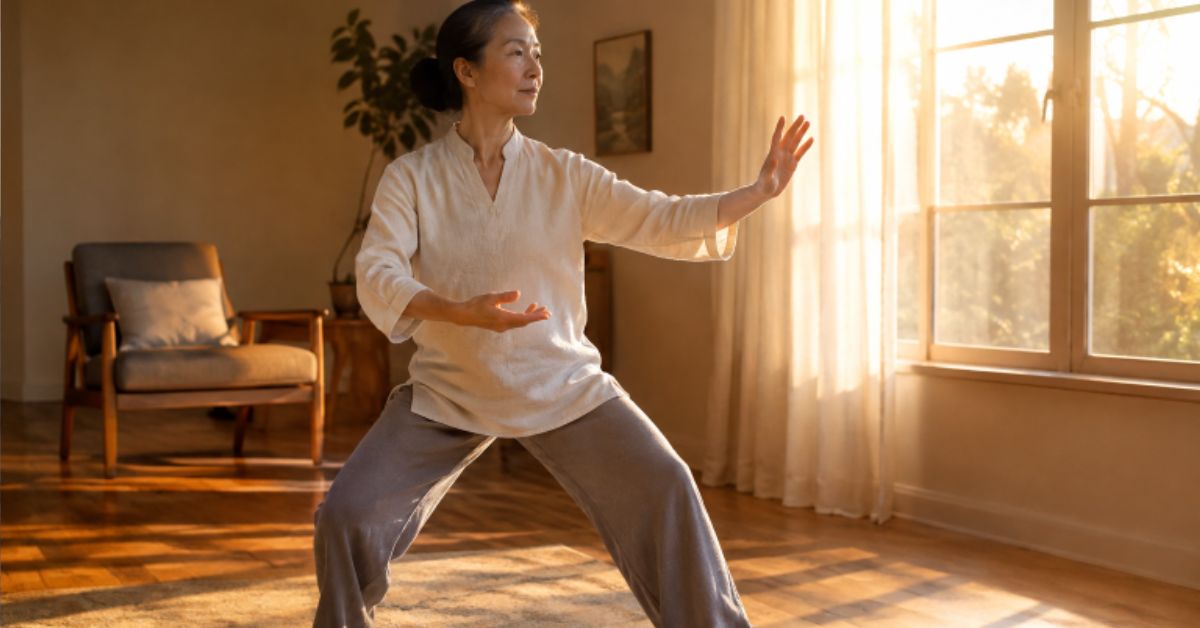
Building a Tai Chi practice at home does not require a large studio, an elaborate routine, or hours of free time. It starts with a small commitment you can repeat. For many people, virtual tai chi classes make it easier to learn in a familiar setting while keeping practice within reach during a busy week.
Tai Chi combines slow, controlled movements with attention to posture and breathing. A home routine can be especially useful when travel, weather, work schedules, caregiving, or limited nearby class options make in-person attendance harder. Convenience alone is not enough, though. A sustainable routine needs structure, reasonable expectations, and a place in your normal day.
Set One Simple Goal Before You Begin
Choose one main reason for practicing rather than trying to solve everything at once. Your goal might be to become more aware of balance, move gently after sitting at a desk, create a quieter evening habit, or add regular activity to the week. A clear purpose gives each session direction.
For example, someone who wants to feel steadier while moving around the house could begin with a ten-minute routine focused on posture, weight shifts, and small steps. That approach is more realistic than attempting to memorize a long form immediately. Once the habit feels familiar, additional movements can be added gradually.
Create a Practice Space That Feels Safe
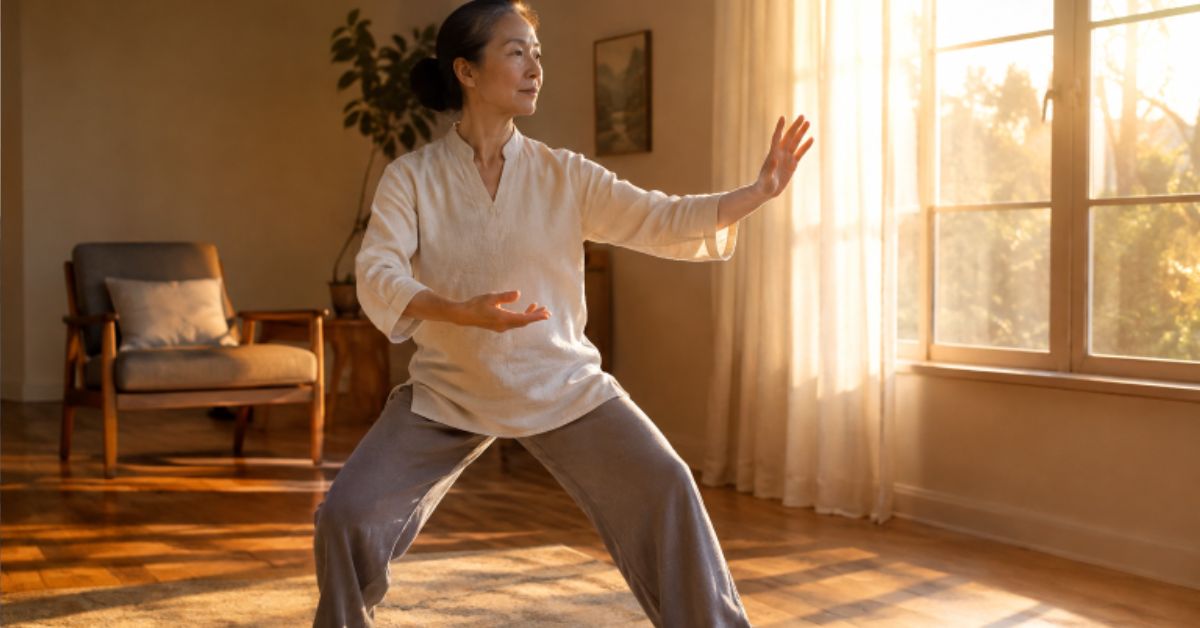
Your practice area should be simple, open, and easy to use. You need a flat floor, enough room to extend your arms and take a few small steps, and lighting that lets you see the screen or your surroundings clearly. Wear comfortable clothing that does not restrict movement. Supportive footwear may be helpful, depending on your flooring and individual needs.
- Remove loose rugs, cords, toys, and other tripping hazards.
- Keep a stable chair or wall nearby if you want extra confidence during standing movements.
- Place your screen at a height and distance where demonstrations are easy to see.
- Make sure pets have settled elsewhere before beginning.
- Choose a space that is comfortable enough to return to regularly.
Begin with a higher stance and smaller steps when needed. There is no benefit in forcing a deep bend, twisting through discomfort, or trying to hold an unsteady position. The goal is controlled movement within a comfortable range.
Choose a Learning Format That Matches Your Life
There is no single best way to learn Tai Chi at home. The right format is the one that provides understandable instruction and helps you practice regularly. Consider the strengths and limits of each option before deciding.
- Live online classes: Helpful for people who value a scheduled appointment, real-time demonstrations, and the chance to ask questions.
- On-demand videos: Useful when work hours or family responsibilities change from day to day, although feedback is less immediate.
- In-person classes: A good choice for learners who want direct observation and personal corrections but can manage travel and fixed class times.
- A hybrid approach: Combining a regular class with short home review sessions can provide both flexibility and support.
When choosing an instructor, look for clear demonstrations, options for different mobility levels, reminders to avoid pain and strain, and a progression from basic principles to longer sequences. The slow movements, controlled breathing, and mindful attention in Tai Chi are best learned at a pace that lets you understand each part rather than rush ahead.
Build a Weekly Routine You Can Keep
A repeatable schedule is more useful than an ambitious plan that lasts only a few days. Start with brief sessions and leave room for rest. Here is one gentle example:
- Monday: Practice posture, breathing, and weight shifts for 10 minutes.
- Tuesday: Review two or three familiar movements.
- Wednesday: Rest or take an easy walk.
- Thursday: Join a guided class or follow a recorded session.
- Friday: Repeat the week’s main movements at a relaxed pace.
- Saturday: Add a few minutes only if your body feels comfortable.
- Sunday: Reflect briefly and prepare for the next week.
Regular movement is generally more practical when it is planned around real responsibilities. The health benefits of physical activity can support motivation, but your Tai Chi plan does not need to resemble anyone else’s. A short session you can repeat is a strong foundation.
Use Small Habit Cues and Accountability
Link practice to something you already do. You might begin after morning coffee, during a lunch break, after work, or before an evening shower. Put your practice shoes, chair, or device where you will notice them. Reducing the number of decisions before a session makes it easier to begin.
Online learning can also feel more engaging with a little accountability. Attend a live class at the same time each week, practice alongside a friend on a video call, or mark completed sessions on a calendar. After each session, write down one movement that felt clearer or more comfortable. These small notes can make improvement easier to recognize.
Track Progress Without Creating Pressure
Progress is not limited to completing a longer sequence. You may notice that you stand with more confidence, recover your balance more smoothly, pay closer attention to posture, or feel less rushed while moving. Some people also value the quiet time that a slow, focused practice creates.
At the end of each week, ask three simple questions:
- How often did I practice?
- Which movement felt most comfortable?
- What would make next week feel more supported?
Know When to Modify a Movement
Normal effort is different from warning signs. Pause practice if you experience sharp pain, dizziness, unusual shortness of breath, chest discomfort, or a sudden loss of balance. Use smaller steps, a higher stance, slower transitions, seated options, or nearby support when appropriate.
If you have a health condition, a recent injury, or significant mobility concerns, ask a qualified health professional how to exercise safely. Missing a session is not a failure either. Resume with a short, familiar routine rather than trying to make up missed time.
Conclusion
A sustainable Tai Chi practice at home is built through repetition, not perfection. Create a safe space, choose instructions that suit your needs, begin with a manageable schedule, and adjust movements as needed. With a routine that respects your time and your body, home practice can become a steady part of life throughout 2026.