

Alfalfa: Benefits, Nutrition and Possible Side Effects
Alfalfa is a nutrient-rich plant that has been used as food, animal feed, and traditional herbal medicine for centuries. Its tender sprouts are commonly added to sandwiches, salads, wraps, and grain bowls, while its leaves may be dried for teas, powders, tablets, or capsules. People are often interested in alfalfa for its vitamins, minerals, fiber, antioxidants, and potential role in heart health or blood sugar support. Still, natural does not always mean risk-free. Alfalfa can interact with certain medicines and may not be appropriate for everyone.
The word “alfalfa” can refer to different forms of the plant, including fresh sprouts, dried leaves, seeds, powders, teas, extracts, and dietary supplements. These forms do not necessarily have the same nutrition profile, dose, safety concerns, or scientific evidence behind them. Eating a small amount of alfalfa sprouts in a sandwich is not equivalent to taking concentrated alfalfa tablets every day. This article explains what alfalfa is, what nutrients it contains, possible benefits, and the most important safety considerations. It is designed to help you make informed choices without overstating what the research can prove.
What Is Alfalfa?
Alfalfa is a flowering plant scientifically known as Medicago sativa. It belongs to the legume family, which also includes beans, lentils, peas, and peanuts. The plant has been cultivated for a long time because it grows well in many climates and is highly valued as animal feed. For human use, alfalfa is most often eaten as fresh sprouts or taken in dried herbal forms. Its mild, slightly nutty flavor makes it easy to add to fresh foods. Alfalfa has become popular in wellness spaces because it is often described as a concentrated source of plant nutrients.
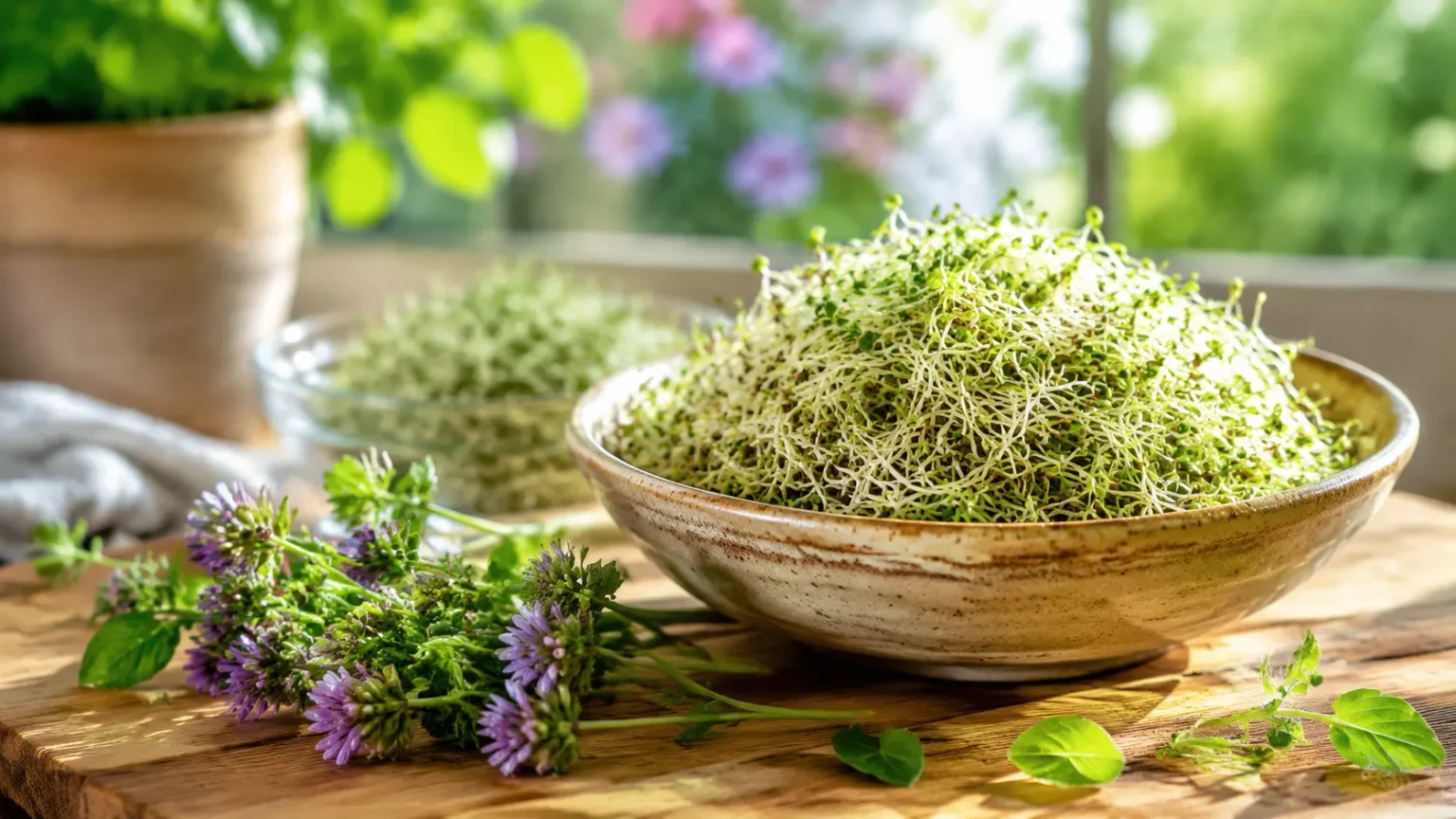
Alfalfa sprouts are produced when alfalfa seeds germinate and grow small green shoots. These sprouts are usually eaten raw and have a crisp texture that works well in salads, sandwiches, wraps, and bowls. Dried alfalfa leaves may be used to make herbal tea or ground into powder. Alfalfa supplements may contain leaf powder, seed powder, extracts, or a blend of plant parts. This distinction matters because seeds, sprouts, leaves, and supplements may differ in their active compounds. Reading a product label can help you understand exactly which part of the plant you are consuming.
In traditional practices, alfalfa has been used for a range of purposes, including digestive support, appetite stimulation, cholesterol management, and general nutrition. Some people also use it for menopausal symptoms, blood sugar support, urinary concerns, or seasonal allergies. However, traditional use is not the same as strong clinical evidence. A plant can have a long history of use while still lacking large, high-quality studies in humans. It is best to view alfalfa as a food or supplement with possible benefits rather than a proven treatment for disease. Anyone with a medical condition should not replace prescribed care with alfalfa products.
Alfalfa is sometimes called the “father of all foods” in wellness marketing. This phrase can make the plant sound more powerful than the research supports. Alfalfa does contain several vitamins, minerals, plant compounds, and fiber, but no single food can provide everything the body needs. A balanced diet still depends on variety, including vegetables, fruit, whole grains, protein foods, healthy fats, and adequate fluids. Alfalfa can be one addition to a nutritious diet, especially when eaten as part of a meal. It should not be treated as a cure-all or a substitute for basic nutrition habits.
The form of alfalfa you choose can affect both its potential benefits and its risks. Fresh sprouts are low in calories and can add crunch to meals, but raw sprouts have food-safety concerns. Tea and leaf powder may be easier to use in small amounts, although their nutrient contribution can be modest depending on the serving. Capsules and extracts are more concentrated, which may increase the chance of side effects or medicine interactions. Before trying an alfalfa supplement, consider why you want to use it and whether food-based options would meet the same goal. A healthcare professional can offer personalized advice when needed.
Alfalfa Nutrition Facts
Alfalfa is low in calories when eaten as fresh sprouts. It contains small amounts of protein, carbohydrates, fiber, and naturally occurring plant compounds. Because sprouts are usually eaten in modest portions, they are not typically a major source of calories or macronutrients. Their nutritional value comes more from the mix of micronutrients and phytochemicals they contribute to a varied diet. The exact nutrition depends on the serving size, growing conditions, and whether you are eating sprouts, dried leaves, or supplements. Fresh sprouts can add texture and color to meals without substantially increasing energy intake.
Alfalfa contains vitamin K, which plays an important role in normal blood clotting and bone metabolism. This nutrient is useful for many people, but it is also one of the biggest reasons some people need to be careful with alfalfa. Vitamin K can affect how certain blood-thinning medicines work, particularly medications that require consistent vitamin K intake. A sudden increase in vitamin K-rich foods or supplements may interfere with treatment. People taking blood thinners should speak with their prescribing clinician before adding alfalfa products to their diet. Consistency and professional guidance are more important than guessing about safe amounts.
The plant may also provide small amounts of vitamins A, C, and several B vitamins. These nutrients support functions such as immune health, energy metabolism, vision, skin health, and normal cell activity. However, alfalfa should not be relied on as the main source of these vitamins. A serving of sprouts is often too small to replace nutrient-dense foods such as leafy greens, fruit, beans, eggs, fish, or fortified products. When alfalfa is used in powdered or supplemental form, nutrition labels can help clarify what is actually present. Marketing claims should always be compared with the amount listed per serving.
Alfalfa also contains minerals such as calcium, potassium, magnesium, phosphorus, and iron. These minerals contribute to bone health, fluid balance, muscle function, oxygen transport, and many other processes. However, the body does not absorb every mineral from plant foods equally, and amounts can vary substantially by product. For example, plant-based iron is generally absorbed less efficiently than the iron found in animal foods. Pairing plant foods with vitamin C-rich foods can help support iron absorption. Alfalfa can contribute to overall nutrient intake, but it works best as part of a varied and balanced eating pattern.
Fiber is another useful component of alfalfa leaves and plant-based foods more broadly. Fiber supports regular digestion and can help meals feel more satisfying. It may also support heart health when included in a diet rich in whole grains, fruits, vegetables, legumes, nuts, and seeds. Fresh sprouts contain relatively little fiber per small serving, while leaf powders or dried plant products may contain more concentrated amounts. Too much fiber or a sudden increase in herbal powders can cause gas, loose stools, or stomach discomfort in some people. Gradually increasing fiber and drinking enough water can help the digestive system adjust.
Possible Benefits of Alfalfa
One reason people are interested in alfalfa is its potential role in cholesterol management. Alfalfa contains compounds known as saponins, along with fiber and plant sterols that may affect how cholesterol is handled in the digestive system. Some small studies have suggested possible cholesterol-lowering effects, but stronger and larger research is still needed. This means alfalfa should not be considered a replacement for prescribed cholesterol medication, regular activity, or dietary changes recommended by a clinician. Heart health is influenced by many factors, including genetics, blood pressure, smoking, stress, sleep, and overall food patterns. Alfalfa may be a small part of a heart-conscious diet, not a stand-alone strategy.
Alfalfa may support digestive health because it contains plant fiber and may add variety to meals. Fiber helps support normal bowel movements and feeds beneficial bacteria in the gut. However, a small portion of sprouts is unlikely to provide enough fiber to transform digestion on its own. People who want better digestive health may benefit more from consistently eating a broad range of fiber-rich foods. Vegetables, fruit, beans, lentils, oats, whole grains, nuts, and seeds are all useful choices. Alfalfa can add interest to meals, but it should not replace the more substantial fiber sources that support long-term digestive health.
Some people use alfalfa because they believe it supports blood sugar balance. Early research and animal studies have explored this possibility, but evidence in people remains limited. It would be unsafe to use alfalfa instead of diabetes medication, blood sugar monitoring, or a care plan developed with a clinician. People with diabetes should be especially careful with supplements because certain herbs may affect blood sugar or interact with medicines. Eating alfalfa sprouts as part of a balanced meal is different from taking concentrated tablets or extracts. If you are considering supplements for blood sugar support, discuss them with your healthcare provider first.
Alfalfa is sometimes promoted for menopausal symptoms because it contains plant compounds that may have weak estrogen-like activity. These compounds are sometimes called phytoestrogens. While this sounds promising, the effects of plant compounds are not necessarily strong, consistent, or appropriate for every person. Research is not sufficient to say that alfalfa reliably relieves hot flashes, night sweats, or other menopause-related symptoms. People with hormone-sensitive health conditions should be particularly cautious with herbal products that may have hormonal activity. A clinician can discuss proven treatment options and whether an herbal approach is appropriate for your situation.
The antioxidants found in alfalfa may also be part of its appeal. Antioxidants are compounds that help protect cells from damage caused by normal metabolic processes and environmental exposures. Many plant foods contain antioxidants, including berries, leafy greens, herbs, beans, tea, spices, nuts, and colorful vegetables. Rather than focusing on one “superfood,” it is more helpful to aim for variety across the week. Eating a diverse selection of plant foods can provide a wider range of beneficial compounds than relying on one supplement. Alfalfa sprouts can be a fresh, easy addition to that larger pattern.
Alfalfa for Cholesterol and Heart Health
Alfalfa is often discussed in relation to cholesterol because of its natural plant compounds. Saponins and fiber may affect cholesterol absorption in the digestive tract, which is why researchers have examined alfalfa as a potential dietary support. Small studies have produced interesting results, but the evidence is not strong enough to recommend alfalfa supplements as a standard cholesterol treatment. Cholesterol management usually requires a broader approach involving diet, exercise, weight management when appropriate, and medication for some people. A clinician can help determine whether lifestyle changes alone are enough or whether medication is also needed. Herbal supplements should never lead someone to stop a prescribed medicine without medical guidance.
The foods with the clearest evidence for heart health are generally those included in an overall healthy eating pattern. Vegetables, fruits, legumes, whole grains, nuts, seeds, fish, and unsaturated fats are often more important than any single herb. Replacing refined snacks with a meal that includes fiber and protein may also make a meaningful difference over time. Alfalfa sprouts can fit into this type of pattern by adding freshness to sandwiches, salads, and grain bowls. They work best alongside other nutrient-dense ingredients rather than as a special “cholesterol remedy.” The simplest approach is often the most sustainable one.
If you have high cholesterol, talk with a healthcare professional before taking alfalfa tablets or extracts. Supplements can vary in purity, concentration, and ingredient quality. Some products may contain more active compounds than a person expects, while others may not match their labeling closely. A clinician or pharmacist can check for possible interactions with blood thinners, diabetes medicines, immune-suppressing drugs, or other prescriptions. They can also help you review whether a supplement is likely to provide a benefit worth the risk and cost. This is especially important if you have multiple medical conditions or take several medications.
Heart health also depends on blood pressure, blood sugar, physical activity, sleep, stress, smoking status, and family history. It can be tempting to look for one natural product that will solve several health concerns at once. In reality, steady routines tend to matter more than single supplements. Choosing more plants, preparing meals at home more often, moving regularly, and following medical advice can all have a larger impact than adding alfalfa alone. Supplements may have a place for some people, but they should complement rather than replace healthy habits. Be skeptical of any product that promises dramatic results without effort or medical follow-up.
If you enjoy alfalfa sprouts, use them as a flavorful addition to heart-healthy meals. Add them to a whole-grain sandwich with lean protein, use them to top a bean salad, or combine them with vegetables and a healthy-fat dressing. This allows you to benefit from the plant’s nutrients while building a meal that offers more fiber, protein, and variety. Be mindful of food safety, especially with raw sprouts, because they have been linked to bacterial outbreaks. People who are pregnant, older, immunocompromised, or managing certain illnesses may need to avoid raw sprouts altogether. Cooked alternatives or other leafy vegetables may be safer choices for those groups.
Alfalfa for Digestion and General Wellness
Alfalfa tea and alfalfa leaf powder are sometimes used for digestive wellness. People may drink alfalfa tea after meals or add powder to smoothies, juices, or wellness drinks. These habits may feel nourishing, especially when they encourage someone to drink more fluids or add plant foods to their diet. However, there is limited evidence that alfalfa treats digestive diseases, ulcers, bloating, constipation, or irritable bowel syndrome. Digestive symptoms can have many causes, including food intolerance, infection, medication effects, stress, and medical conditions. Persistent symptoms should be evaluated rather than repeatedly treated with herbal products.
The fiber in alfalfa may help support regular bowel movements when it is part of an overall high-fiber diet. Fiber works best when people increase it gradually and drink enough water. Adding a large amount of alfalfa powder too quickly may cause gas, cramping, loose stools, or more frequent bowel movements. This is especially possible for people who are not used to eating many plant foods. If you want more fiber, start with familiar foods such as oats, beans, fruit, vegetables, and whole grains. These foods have stronger evidence for supporting digestive health and are easier to include regularly.
Alfalfa is sometimes included in “detox” blends or green superfood powders. The body already has its own systems for processing waste and chemicals, primarily through the liver, kidneys, lungs, skin, and digestive tract. There is no reliable evidence that alfalfa supplements remove toxins in a special way or cleanse the body more effectively than normal body functions. Claims about detoxification are often vague and may create unnecessary fear about ordinary eating habits. A more practical approach is to eat a balanced diet, stay hydrated, sleep adequately, limit alcohol when appropriate, and avoid smoking. These habits support general health without relying on dramatic supplement claims.
Some people report feeling more energetic when they add greens powders or herbal supplements to their routine. This may happen because they are paying more attention to meals, hydration, or daily habits overall. It may also be influenced by expectation, caffeine in mixed products, or changes in other parts of the diet. Alfalfa itself is not a proven energy booster. Fatigue can result from poor sleep, anemia, thyroid conditions, depression, infections, medication side effects, nutrient deficiencies, or chronic illness. If fatigue is persistent, severe, or unexplained, it is better to discuss it with a healthcare professional than to rely on supplements alone.
Wellness products can be useful when they encourage someone to eat more plants, but they should not create pressure to be perfect. You do not need alfalfa powder, expensive supplements, or elaborate detox routines to support your health. Simple meals with vegetables, legumes, protein foods, whole grains, fruit, and healthy fats can provide substantial nutrition. If you like the taste of alfalfa sprouts or tea, enjoy them in reasonable amounts while paying attention to safety. If you do not enjoy them, there is no reason to force yourself to use them. Healthy habits should be practical enough to maintain over time.
Alfalfa Side Effects and Safety Concerns
Alfalfa can cause digestive side effects in some people. Reported symptoms include gas, bloating, abdominal discomfort, loose stools, diarrhea, and more frequent bowel movements. These effects may be more likely with higher-dose supplements than with small amounts of sprouts in food. People with sensitive digestion may want to start with a small amount or avoid supplements altogether. If symptoms are persistent or severe, stop using the product and speak with a healthcare professional. A supplement is not worth continuing if it regularly makes you feel unwell.
Raw alfalfa sprouts have an important food-safety concern. Sprouts grow in warm, moist conditions that can allow harmful bacteria to multiply. Even if sprouts look fresh and clean, bacteria may be present inside the seed or on the sprout. Foodborne illness can cause nausea, vomiting, diarrhea, stomach cramps, fever, and dehydration. People who are pregnant, older, young children, or immunocompromised are at higher risk of serious complications from foodborne infections. These groups may be advised to avoid raw sprouts and choose cooked vegetables or other safer alternatives instead.
Alfalfa may be unsafe for people with systemic lupus erythematosus, often called lupus, or those at risk of autoimmune flare-ups. Alfalfa seeds and sprouts contain a naturally occurring amino acid called L-canavanine. This compound has been associated with immune-system effects and may contribute to lupus symptoms or relapse in susceptible people. The risk may be more relevant with supplements, seeds, and sprouts than with small amounts of cooked leaves, but caution is still important. People with autoimmune conditions should discuss alfalfa use with their rheumatologist or healthcare provider. It is safer not to assume that “immune boosting” products are helpful for every immune-related condition.
Alfalfa may also be a concern for people with gout or high uric acid levels. The plant contains purines, compounds that the body breaks down into uric acid. For people prone to gout attacks, high-purine foods and certain supplements may contribute to problems. The relationship can vary depending on the food, amount, and individual health factors. Still, someone with gout should be cautious about taking concentrated alfalfa products. A healthcare professional can help identify dietary patterns that fit gout management more reliably. There are many other plant foods that can provide nutrients without adding unnecessary uncertainty.
Allergic reactions are possible with alfalfa, although they are not common for everyone. Symptoms may include itching, hives, swelling, stomach upset, wheezing, or difficulty breathing. Anyone who develops signs of a serious allergic reaction, such as swelling of the lips or throat or trouble breathing, should seek emergency medical care. People with known allergies to legumes or other plants should be careful when trying new herbal products. Supplements may also contain additional ingredients, fillers, or blends that can trigger a reaction. Reading the full ingredient list is important, especially for people with food allergies or multiple sensitivities.
Who Should Avoid Alfalfa?
People taking blood-thinning medication should be cautious with alfalfa because of its vitamin K content. Vitamin K can influence how certain anticoagulant medicines work, and sudden dietary changes may affect treatment. This does not mean every vitamin K-containing food must be avoided, but it does mean intake should be consistent and discussed with the prescribing clinician. Alfalfa supplements may be particularly concerning because they can provide concentrated and unpredictable amounts. Do not start, stop, or significantly increase alfalfa without medical guidance if you take blood thinners. Your clinician may recommend safer alternatives based on your medication plan.
Pregnant and breastfeeding people should avoid alfalfa supplements unless a qualified healthcare professional specifically recommends them. Herbal products may have hormone-like effects, and safety data during pregnancy and breastfeeding are often limited. Raw sprouts also pose a food-safety concern because of possible bacterial contamination. Pregnancy is a time when avoiding preventable foodborne illness is especially important. If you want more nutrient-dense foods during pregnancy, focus on well-cooked vegetables, fruit, beans, whole grains, pasteurized dairy products, and protein foods. Always discuss herbal teas, powders, and supplements with your prenatal healthcare provider before using them.
People with lupus or another autoimmune condition should talk to a healthcare professional before consuming alfalfa products. Alfalfa has been associated with immune-system stimulation and may not be appropriate when the immune system is already overactive. This is especially relevant for alfalfa seeds, sprouts, and tablets, which may contain higher levels of certain compounds. Someone with an autoimmune condition may already be taking medicines that affect immune activity, making interactions more important to consider. The safest approach is to avoid self-treating with immune-focused herbs. Your specialist can help you choose foods and supplements that do not conflict with your care plan.
People with hormone-sensitive conditions should also be cautious. Alfalfa contains compounds with possible estrogen-like activity, although the strength and clinical significance of these effects are not fully understood. Anyone with a history of hormone-sensitive cancer, endometriosis, uterine fibroids, or other hormone-related conditions should ask a clinician before using alfalfa supplements. This does not mean a tiny amount of alfalfa in food will always be harmful, but concentrated products can be different. Individual risk depends on the condition, treatment history, medications, and dose. Professional guidance is especially valuable when hormone-related health issues are involved.
People with diabetes, kidney disease, liver disease, digestive disorders, or multiple medications should use extra caution with herbal supplements. Alfalfa may affect blood sugar in some situations, and supplement products can interact with medicines or create digestive side effects. People with kidney disease may also need individualized advice about potassium, phosphorus, and herbal products. Children should not take alfalfa supplements unless a pediatric healthcare professional recommends them. More is not always better when it comes to herbs, vitamins, or green powders. Food-based nutrition is usually a safer starting point than concentrated supplements.
How to Use Alfalfa Safely
If you choose to eat alfalfa, start with food rather than supplements. Fresh sprouts can add a mild, crunchy texture to sandwiches, wraps, salads, and grain bowls. Use them as one ingredient among many instead of viewing them as a medicine. Wash your hands before handling fresh produce and keep sprouts refrigerated. Remember that rinsing raw sprouts may not remove bacteria that were present during growing. If you are in a group at higher risk for foodborne illness, choose cooked vegetables instead of raw sprouts.
Alfalfa tea can be a simple option for people who enjoy herbal beverages. Check the package ingredients to make sure the tea contains only alfalfa or a blend you understand. Avoid combining several unfamiliar herbal products at once because it becomes difficult to identify the cause of any side effects. Start with a small amount and pay attention to digestion, skin reactions, sleep, and other changes. Herbal tea should not replace water, meals, or prescribed medication. If you are pregnant, breastfeeding, taking medication, or managing a health condition, ask a healthcare professional before using it regularly.
Alfalfa powder can be added to smoothies, soups, or drinks, but it is important to avoid assuming more powder means more benefits. Start with the serving size listed on the package, and do not exceed it without professional advice. Powders may have a grassy taste, so combining them with fruit, yogurt, or a savory recipe can make them easier to use. Keep in mind that powders can be concentrated compared with fresh sprouts. They may also contain other ingredients, such as sweeteners, flavorings, probiotics, or additional herbs. Review the label carefully before making a product part of your daily routine.
If you are considering alfalfa capsules, tablets, or extracts, talk with a pharmacist or healthcare professional first. This step is especially important if you take prescription medicines, use blood thinners, have an autoimmune condition, or are managing blood sugar. Supplements are not regulated in the same way as prescription medications, and quality can vary. Look for products that clearly list ingredients, serving size, and manufacturer information. Avoid products that promise to cure disease, detox your body quickly, melt fat, or replace medical treatment. Claims that sound too good to be true usually deserve extra skepticism.
The safest approach to alfalfa is to keep expectations realistic. It can be a nutritious plant food and a flavorful addition to meals, but the strongest health benefits still come from an overall balanced lifestyle. Prioritize varied plant foods, adequate protein, regular movement, good sleep, hydration, and medical care when needed. If you experience side effects, stop using the product rather than trying to push through them. If you have a medical condition, ask for personalized guidance before using supplements. A thoughtful, food-first approach allows you to enjoy alfalfa while minimizing unnecessary risk.
FAQs About Alfalfa
What are the main benefits of alfalfa?
Alfalfa provides plant nutrients, fiber, vitamin K, and antioxidant compounds. It may support a healthy diet, but it is not proven to treat diseases such as high cholesterol, diabetes, or digestive disorders.
Is alfalfa safe to take every day?
Small food amounts may be safe for many healthy adults, but daily supplements are not appropriate for everyone. People taking blood thinners, those with lupus, pregnant or breastfeeding people, and anyone with gout should seek medical advice first.
Does alfalfa lower cholesterol?
Some small studies suggest that alfalfa compounds may affect cholesterol levels, but more high-quality research is needed. It should not replace prescribed medication or a heart-healthy lifestyle plan.
Can alfalfa sprouts make you sick?
Yes. Raw sprouts can sometimes carry harmful bacteria that cause food poisoning. Pregnant people, young children, older adults, and immunocompromised people should be especially cautious about raw sprouts.
Who should not take alfalfa supplements?
Avoid or discuss supplements with a clinician if you take blood thinners, have lupus or another autoimmune condition, are pregnant or breastfeeding, have gout, or take multiple medications.