
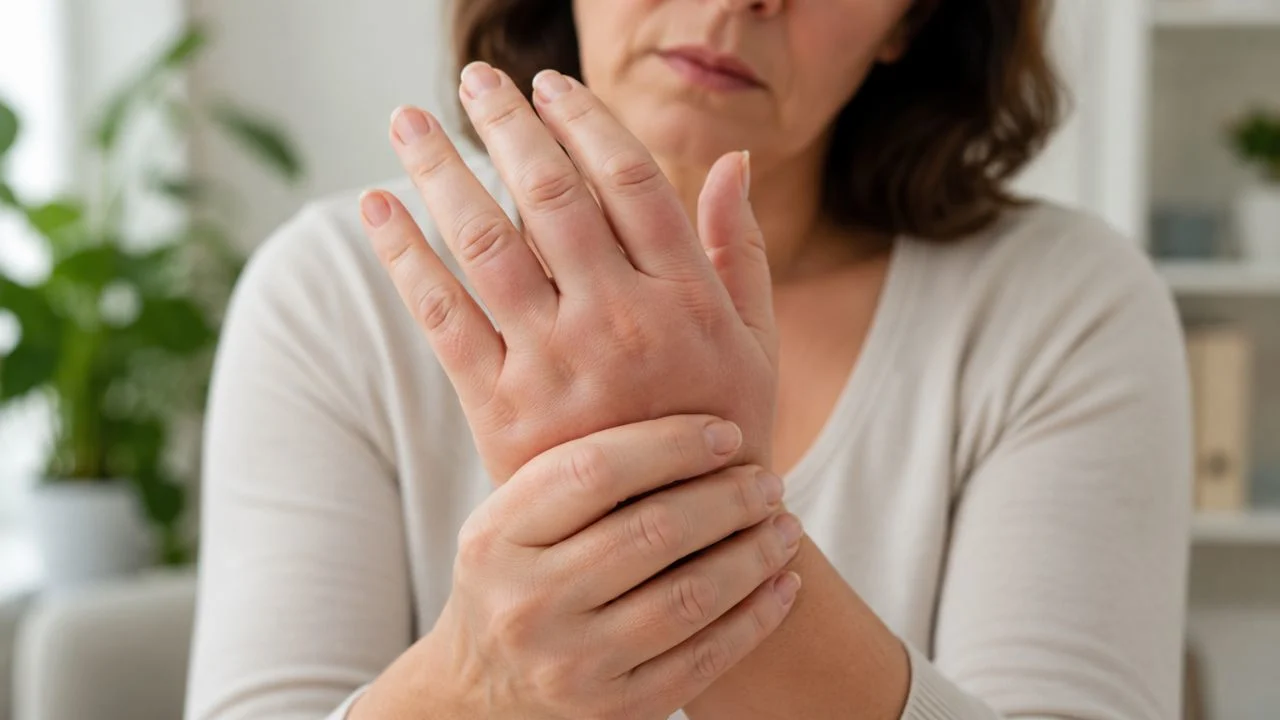

Swollen hands can feel tight, heavy, uncomfortable, or difficult to move. You may notice that your fingers look puffy, your knuckles appear less defined, or your rings suddenly feel too tight. In many cases, hand swelling is temporary and linked to heat, exercise, salty food, or sleeping in an awkward position.
However, swollen hands can sometimes be a sign of an injury, allergic reaction, infection, arthritis, poor circulation, or fluid retention. Swelling may affect one hand, both hands, a single finger, or the entire arm. The location, timing, and accompanying symptoms often provide useful clues about what may be causing the problem.
Occasional mild swelling that improves quickly is usually less concerning than swelling that appears suddenly, becomes painful, or keeps returning. Symptoms such as redness, warmth, numbness, breathing difficulty, fever, chest pain, or changes in skin colour deserve closer attention. Sudden hand swelling during pregnancy may also require urgent medical assessment.
This article explains what swollen hands may be a sign of, which symptoms should not be ignored, and what you can safely do at home. It is designed to help you understand possible causes rather than diagnose your condition. Persistent, unexplained, or severe swelling should always be discussed with a qualified healthcare professional.
What Does It Mean When Your Hands Are Swollen?
Hand swelling occurs when fluid collects in the tissues of the fingers, palms, wrists, or surrounding areas. The medical term for swelling caused by trapped fluid is oedema, also commonly written as edema. The swollen area may feel soft and puffy, or it may become firm, stretched, painful, or difficult to move.
Swelling is part of the body’s normal response to injury and inflammation. When tissue is damaged or irritated, additional fluid and immune cells move towards the affected area. This process can support healing, but it may also cause noticeable puffiness, stiffness, warmth, tenderness, and reduced movement in the hand or fingers.
Not every case of puffy hands is caused by a disease. Temporary fluid shifts can happen after exercise, during hot weather, following a high-salt meal, or after keeping your arms in one position for a long time. The swelling may be more noticeable in the morning or after physical activity and improve as you begin moving.
The pattern of swelling is important. One swollen hand may suggest a local injury, infection, insect bite, or circulation problem. Swelling in both hands may be associated with fluid retention, inflammatory arthritis, pregnancy, medication, or a health condition affecting the whole body. Other symptoms help narrow down the possible explanation.
Common Everyday Causes of Puffy or Swollen Hands
Hot weather is a common reason for temporary hand swelling. Blood vessels near the skin widen as the body tries to release heat, allowing some fluid to move into nearby tissues. You may notice tight rings or puffy fingers after spending time outdoors, although the swelling usually improves after cooling down and resting.
Exercise can also cause swollen fingers and hands, particularly during long walks, running, hiking, or other endurance activities. Blood flow increases during physical activity, and the hands may receive more fluid as circulation changes. Letting the arms hang down for a long time can make the swelling more noticeable during or after exercise.
Eating a meal that contains a large amount of salt may encourage the body to retain more water. Some people notice facial puffiness, swollen fingers, or tighter jewellery the following morning. One salty meal is unlikely to cause lasting harm in a healthy person, but frequent fluid retention may be worth discussing with a healthcare professional.
Sleeping with your hand underneath your body or keeping your wrist bent can temporarily affect circulation and fluid movement. You may wake with one hand feeling puffy, numb, or stiff. This should normally improve as you move your fingers and change position. Repeated morning swelling may point towards arthritis, nerve compression, or another condition.
Can an Injury or Overuse Cause Hand Swelling?
A fall, impact, cut, sprain, or crushed finger can cause swelling as the body responds to tissue damage. The affected hand may also be bruised, painful, tender, or difficult to move. Mild injuries often improve with rest and basic care, but severe pain, deformity, colour changes, or loss of movement require medical assessment.
A broken bone can sometimes look similar to a sprain at first. Swelling may develop around a finger, knuckle, wrist, or the back of the hand. A popping or cracking sound, visible change in shape, severe tenderness, or inability to grip an object may indicate a fracture that needs imaging and appropriate treatment.
Repetitive activities can irritate the muscles, tendons, and joints of the hand. Typing, gripping tools, lifting weights, playing instruments, gardening, or performing manual work may lead to inflammation and swelling. Tendonitis and other overuse problems often cause discomfort during movement and may improve when the aggravating activity is reduced.
Swelling after an injury should gradually settle rather than continue worsening. Remove rings immediately because increasing swelling can make them difficult to take off and may restrict blood flow. Seek urgent care when the hand becomes numb, unusually pale, blue or cold, or when severe swelling develops after a significant accident.
Are Swollen Hands a Sign of Arthritis?
Arthritis is a common cause of painful, stiff, or swollen hands. Osteoarthritis develops as joint structures change over time and frequently affects the finger joints and base of the thumb. Symptoms may become worse after repeated use, and some people develop firm bony enlargements around the middle or end finger joints.
Rheumatoid arthritis is an inflammatory autoimmune condition that commonly affects the small joints of the hands and wrists. Swelling may occur in similar joints on both sides of the body. Morning stiffness can last longer than it typically does with osteoarthritis, and symptoms may include fatigue, warmth, tenderness, and difficulty making a fist.
Psoriatic arthritis can cause swelling in individual joints or make an entire finger appear enlarged. This whole-finger swelling is sometimes described as a sausage-like finger. People may also have psoriasis, nail pitting, changes in nail appearance, heel pain, back stiffness, or a family history of psoriasis or inflammatory arthritis.
Joint swelling that lasts for several weeks, repeatedly returns, or affects normal activities should be assessed. Early diagnosis is particularly important for inflammatory arthritis because treatment can help control inflammation and reduce the risk of lasting joint damage. Do not assume that persistent finger swelling is simply a normal part of ageing.
Can Allergies, Infections or Insect Bites Cause Swelling?
An allergic reaction may cause sudden swelling beneath the skin, known as angioedema. The hands, feet, lips, face, eyelids, tongue, or throat may be affected. Swelling may occur with hives, itching, redness, wheezing, dizziness, or stomach symptoms after exposure to a food, medicine, insect sting, latex product, or another allergen.
Call emergency services immediately when swelling involves the lips, mouth, tongue, or throat, or when breathing and swallowing become difficult. These symptoms may indicate a severe allergic reaction. Do not wait to see whether the problem settles, particularly if the person becomes faint, confused, unusually drowsy, pale, or blue around the lips.
A skin infection such as cellulitis can make part of the hand red, hot, swollen, painful, and tender. Infection may begin around a cut, cracked area of skin, insect bite, wound, or nail. Fever, chills, pus, red streaks, or rapidly spreading redness are warning signs that require prompt medical attention and possible antibiotic treatment.
Insect bites and stings can cause localised swelling that may extend across a finger or hand. A mild reaction may include itching, redness, and tenderness close to the bite. Seek medical advice when swelling continues spreading, the area becomes increasingly painful or hot, or signs of infection or a serious allergic reaction appear.
Can Nerve or Circulation Problems Cause Swollen Hands?
Carpal tunnel syndrome occurs when the median nerve is compressed at the wrist. It commonly causes tingling, numbness, burning, or aching in the thumb, index finger, middle finger, and part of the ring finger. Some people describe their hands as feeling swollen even when very little visible swelling is present.
Circulation changes can also affect the appearance and comfort of the hands. Cold temperatures may trigger colour changes, numbness, or pain in people with Raynaud’s phenomenon. The fingers may turn pale, blue, and then red as blood flow changes, although significant persistent swelling is not usually the only symptom.
A blood clot or blockage in a vein of the arm is less common but potentially serious. It may cause sudden swelling in one hand or arm, heaviness, pain, warmth, or a blue or purple skin colour. The risk may be higher after certain medical procedures, prolonged immobility, cancer treatment, or use of an intravenous line.
Sudden one-sided arm or hand swelling should not be ignored, especially when there is no clear injury. Seek emergency help if it occurs with chest pain, shortness of breath, dizziness, coughing blood, or severe discomfort. These symptoms may indicate a blood clot or another urgent circulation problem requiring immediate assessment.
What Medical Conditions Can Cause Both Hands to Swell?
Kidney problems can cause the body to hold excess salt and fluid. Swelling may affect the hands, feet, ankles, face, or the area around the eyes. Other possible symptoms include foamy urine, changes in urination, tiredness, nausea, high blood pressure, or unexplained weight gain caused by retained fluid.
Heart conditions can also lead to fluid accumulation when the heart cannot circulate blood effectively. Swelling is usually more obvious in the legs and ankles, but fluid retention may affect other areas as the condition progresses. Breathlessness, reduced exercise tolerance, chest discomfort, rapid weight gain, or difficulty breathing while lying down need medical attention.
Severe liver disease may lower the level of proteins that help keep fluid inside blood vessels. Fluid can then collect in the legs, abdomen, or other tissues. Yellowing of the skin or eyes, abdominal swelling, easy bruising, dark urine, pale stools, itching, or persistent tiredness may appear alongside fluid retention.
Lymphoedema develops when the lymphatic system cannot drain fluid effectively. It can affect an arm and hand after lymph node removal, radiation treatment, cancer therapy, infection, or damage to lymph vessels. The swelling may initially feel soft but become firmer over time, often accompanied by heaviness, tightness, or reduced flexibility.
Can Medication Make Your Hands Swell?
Certain medicines can contribute to fluid retention and swelling. Possible examples include some blood pressure medicines, corticosteroids, hormone treatments, contraceptive pills, antidepressants, diabetes medicines, and anti-inflammatory drugs. The swelling may begin after starting a medicine or following a change in the dose, although other causes must still be considered.
A medicine can also cause an allergic reaction rather than simple fluid retention. Sudden swelling accompanied by hives, facial puffiness, wheezing, dizziness, or throat tightness may require emergency care. Reactions can occur after prescription medicines, over-the-counter products, herbal remedies, supplements, injections, or substances used during medical procedures.
Do not stop a prescribed medicine suddenly because you suspect it is causing swollen hands. Stopping certain treatments without guidance can be dangerous or allow the original condition to worsen. Contact the prescribing clinician or a pharmacist, explain when the swelling began, and ask whether the medicine could be contributing to your symptoms.
Keep a list of your medicines, supplements, and recent dose changes when attending an appointment. Your healthcare professional may review the timing of your symptoms, examine the swelling, check your blood pressure, and arrange tests if necessary. Treatment may involve changing the dose or medicine, but this decision should be professionally supervised.
What Do Swollen Hands Mean During Pregnancy?
Mild swelling of the hands, feet, and ankles can occur during pregnancy as the body retains more fluid. Changes in circulation and pressure from the growing uterus may make swelling more noticeable later in pregnancy or during warm weather. Gradual, mild swelling without other symptoms is commonly less concerning than a sudden change.
Sudden swelling of the face or hands can be a warning sign of pre-eclampsia, a pregnancy complication involving high blood pressure and possible organ injury. Other symptoms may include a severe headache, vision changes, pain beneath the ribs or in the upper abdomen, nausea, breathing difficulty, or rapid unexplained weight gain.
Contact your maternity unit, obstetrician, or urgent medical service immediately when hand or facial swelling appears suddenly or is accompanied by these warning signs. Pre-eclampsia can develop during pregnancy or shortly after childbirth. It cannot be confirmed from swelling alone, so blood pressure, urine, and other medical checks may be needed.
Pregnant people should also remove tight rings before swelling increases. Gentle movement, comfortable positioning, staying cool, and avoiding long periods of standing may improve ordinary fluid retention. However, home care should never replace assessment when swelling is sudden, severe, unusual, or accompanied by headache, visual symptoms, pain, or breathlessness.
Does One Swollen Hand Mean Something Different?
Swelling in only one hand usually suggests a problem affecting that particular hand, wrist, or arm. Common possibilities include injury, infection, an insect bite, a local allergic reaction, tendon irritation, arthritis in one joint, or restricted lymph drainage. The exact location and associated symptoms help identify the most likely cause.
A swollen finger with redness around the nail may be caused by a local infection. A tender lump near a joint or tendon may be a cyst, while sudden swelling after a fall could indicate a sprain or fracture. Pain when gripping or moving the wrist may point towards an overuse injury or tendon problem.
One-sided swelling that involves the whole hand and arm needs closer attention, particularly when it appears without an obvious injury. Changes in colour, prominent veins, heaviness, warmth, or pain may indicate impaired blood flow. Previous surgery, cancer treatment, lymph node removal, intravenous lines, and blood-clot risk can be relevant.
Swelling in both hands is more likely to be linked with heat, exercise, salt intake, medication, pregnancy, inflammatory arthritis, or generalised fluid retention. This distinction is helpful but not diagnostic. Some conditions can affect one side initially, while an injury or infection may occasionally affect both hands at the same time.
When Are Swollen Hands an Emergency?
Call emergency services when swollen hands occur with breathing difficulty, throat tightness, wheezing, faintness, or sudden swelling of the lips, tongue, mouth, or face. These symptoms may indicate a severe allergic reaction. Rapid treatment is essential because swelling around the airway can quickly become life-threatening.
Urgent help is also needed after an injury if the hand looks deformed, becomes numb, turns blue or unusually pale, feels cold, or cannot move normally. Severe pain and rapidly increasing swelling may indicate a fracture, blood-vessel injury, nerve damage, or dangerous pressure developing within the tissues.
A hot, red, painful hand accompanied by fever, chills, pus, or rapidly spreading redness may indicate an infection. Cellulitis and deeper hand infections can worsen quickly without treatment. People with diabetes, reduced immunity, poor circulation, or a recent surgical wound should be especially cautious about signs of infection.
Seek urgent medical assessment for sudden swelling during pregnancy, unexplained swelling of one arm, chest pain, breathlessness, coughing blood, confusion, or severe dizziness. Arrange a routine appointment when swelling lasts more than a few days, repeatedly returns, affects daily activities, or occurs with other unexplained symptoms.
How Can You Reduce Mild Hand Swelling at Home?
Remove rings, bracelets, and tight watches as soon as swelling begins. Jewellery can become trapped as the fingers enlarge and may restrict circulation. If a ring cannot be removed and the finger becomes painful, numb, discoloured, or increasingly swollen, seek urgent help rather than repeatedly pulling or forcing the ring.
Raise the affected hand above heart level when resting to encourage fluid to move away from the tissues. Gentle opening and closing of the fingers may support circulation if there is no fracture or serious injury. Avoid leaving your hands hanging down for long periods when swelling is linked to heat or exercise.
A cool compress wrapped in a cloth may help with mild swelling after an uncomplicated injury or insect bite. Apply it for short periods and never place ice directly against the skin. Avoid heat and aggressive massage when the hand is acutely injured, red, infected, numb, or affected by a possible circulation problem.
Stay hydrated and consider reducing highly salty processed foods if fluid retention is frequent. Do not take water tablets, stop prescribed medicines, or begin anti-inflammatory drugs without appropriate advice. Home care is suitable only for mild symptoms with an obvious, non-serious cause that begin improving rather than becoming progressively worse.
How Do Doctors Diagnose the Cause of Swollen Hands?
A healthcare professional will ask when the swelling began, whether it affects one or both hands, and whether it changes during the day. They may ask about pain, stiffness, injury, allergies, pregnancy, recent travel, infection, medical procedures, medications, existing health conditions, and any swelling elsewhere in the body.
The examination may include checking skin colour, temperature, tenderness, movement, sensation, pulse, and the pattern of joint swelling. The clinician may press the skin to see whether it leaves a temporary dent, although this is less obvious in some types of hand swelling. Blood pressure and signs of fluid retention may also be checked.
Tests depend on the suspected cause. An X-ray may be needed after injury, while ultrasound can help assess blood vessels or soft tissues. Blood tests may look for inflammation, kidney function, liver function, thyroid problems, infection, or autoimmune disease. Urine testing may identify protein or other signs of kidney problems.
Treatment focuses on the underlying cause rather than swelling alone. An injury may need support or immobilisation, an infection may require antibiotics, and inflammatory arthritis may need specialist treatment. Medication-related swelling may improve after a supervised change, while heart, kidney, liver, or lymphatic conditions require condition-specific management.
How Can You Prevent Recurrent Hand Swelling?
Notice when the swelling occurs and what you were doing beforehand. A simple symptom diary can record meals, exercise, temperature, sleep position, medication changes, menstrual patterns, and associated symptoms. This information may reveal triggers and help a healthcare professional understand recurring episodes more accurately.
During exercise, move your fingers regularly, bend your elbows, and avoid gripping objects unnecessarily tightly. Rings may be best left at home during long walks, runs, or hot-weather activities. Cooling down gradually and drinking appropriate fluids can also help when hand swelling regularly develops during endurance exercise.
Limit excessive salt rather than trying to remove sodium completely from your diet. Focus on balanced meals containing vegetables, fruit, whole grains, protein-rich foods, and appropriate fluids. People with heart, kidney, liver, or blood pressure conditions should follow personalised dietary guidance instead of applying general advice without medical supervision.
Protect your hands during sport, gardening, and manual work, and take breaks from repetitive gripping or typing. Manage diagnosed arthritis, allergies, circulation problems, and other health conditions according to your treatment plan. Recurrent unexplained swelling should be investigated instead of repeatedly treated at home without understanding the cause.
Final Thoughts on What Swollen Hands May Indicate
Swollen hands can be a sign of something as simple as hot weather, physical activity, excess salt, or sleeping position. They can also result from injury, arthritis, infection, an allergic reaction, medication, pregnancy, poor circulation, or fluid retention linked to an underlying medical condition.
The most helpful clues are whether one or both hands are affected, how quickly the swelling developed, and which other symptoms are present. Mild swelling that has an obvious cause and improves promptly is usually less concerning than sudden, painful, discoloured, hot, or persistent swelling.
Seek emergency care for breathing problems, swelling of the mouth or throat, severe injury symptoms, chest pain, sudden one-sided arm swelling, or significant pregnancy warning signs. A hot and painful hand with fever also requires prompt attention because untreated infection can spread or damage deeper tissues.
Do not rely on appearance alone to determine the cause. When swelling continues, returns frequently, or interferes with movement and daily tasks, arrange a medical evaluation. Identifying the reason behind the swelling is the safest way to receive effective treatment and prevent the problem from becoming more serious.
Why are my hands swollen when I wake up?
Morning hand swelling may result from sleeping position, overnight fluid retention, arthritis, or nerve compression. Seek medical advice if it happens frequently or comes with prolonged stiffness, pain, numbness, or swelling elsewhere.
Can dehydration cause swollen hands?
Dehydration does not usually cause isolated swollen hands directly, but fluid and salt imbalances may affect how the body manages water. Persistent swelling should not automatically be blamed on dehydration without considering other causes.
Can high blood pressure cause swollen hands?
High blood pressure alone may not cause obvious hand swelling, but related heart or kidney problems and certain blood pressure medicines can contribute to fluid retention. A clinician should assess unexplained swelling and review your medication.
Why do my fingers swell during exercise?
Exercise changes blood flow and body temperature, and letting the arms hang down may encourage fluid to collect in the hands. The swelling is often temporary, but severe pain, colour changes, or one-sided swelling require assessment.
Should I worry if only one hand is swollen?
One swollen hand may be caused by injury, infection, an insect bite, tendon irritation, lymphatic blockage, or a circulation problem. Seek prompt help if it is sudden, painful, hot, discoloured, numb, or affecting the entire arm.