
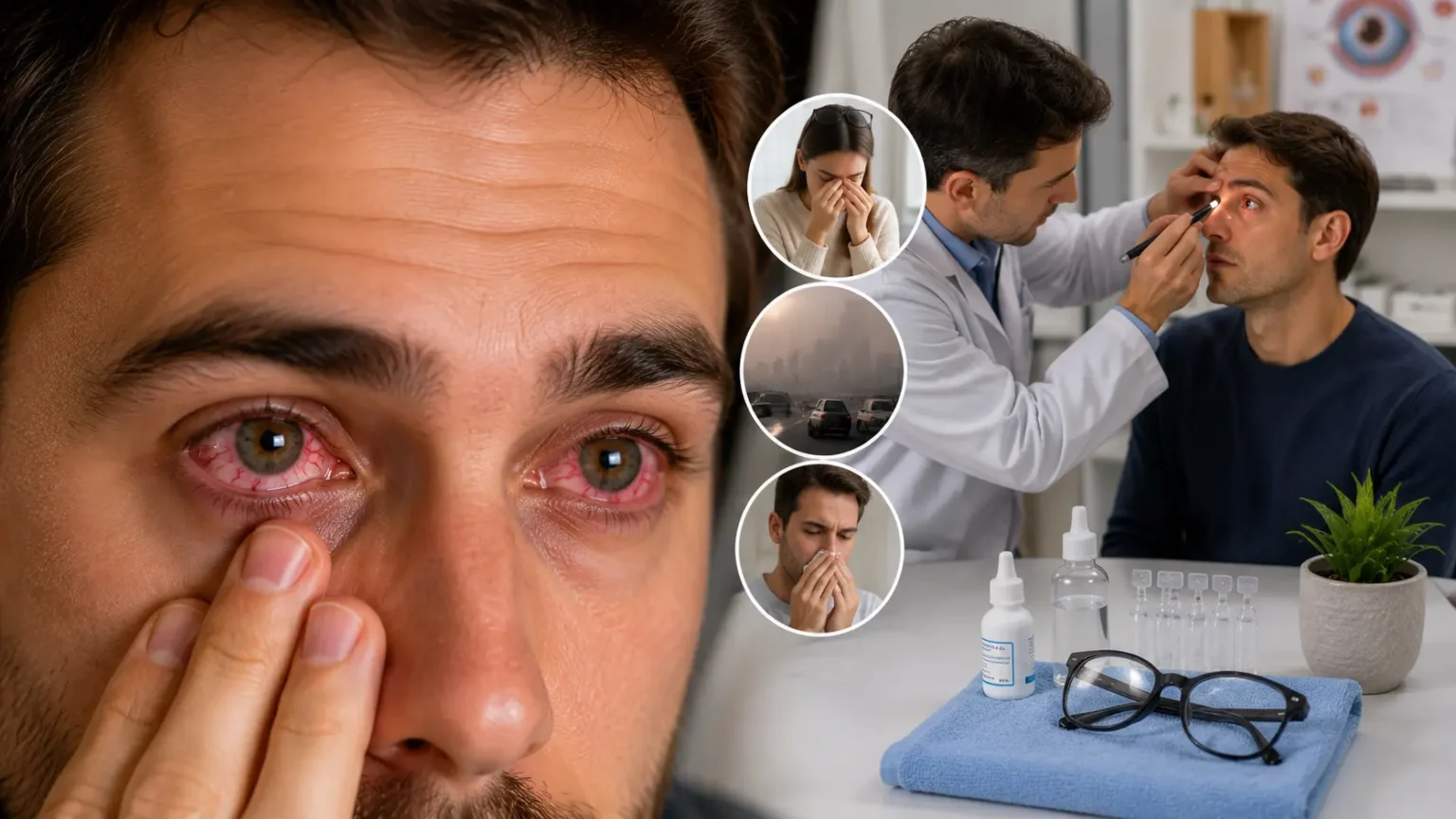

Bloodshot Eyes: Causes, Treatment and Warning Signs
Bloodshot eyes can appear suddenly or develop gradually, turning the normally white part of the eye pink or red. Sometimes the explanation is as simple as tiredness, dry air, allergies, or spending hours looking at a screen. In other cases, persistent or painful eye redness can signal an infection, injury, inflammation, or another eye condition that deserves professional attention.
The redness develops when tiny blood vessels on the surface of the eye become enlarged, irritated, or more noticeable. A small broken blood vessel can also produce a sharply defined red patch. Because many different conditions can cause red eyes, the appearance alone does not always reveal what is happening. Other symptoms such as itching, discharge, pain, blurred vision, or light sensitivity provide important clues.
Most mild cases of bloodshot eyes improve once the underlying irritation is removed or treated appropriately. Artificial tears, adequate sleep, screen breaks, allergy management, good contact lens hygiene, and avoiding irritating environments may all help in suitable situations. However, repeatedly using products simply to make the eyes look whiter can sometimes hide symptoms without addressing their actual cause.
The most important question is therefore not simply, “How do I get rid of red eyes?” but “Why are my eyes red?” Understanding the common causes, accompanying symptoms, safe treatment options, and serious warning signs can help you make better decisions about home care and recognize when an eye examination should not be delayed.
What Are Bloodshot Eyes?
Bloodshot eyes are eyes in which the small surface blood vessels become enlarged enough to make the whites of the eyes appear red or pink. The medical description is generally eye redness rather than a single disease called “bloodshot eyes.” Redness may involve one eye or both eyes, appear throughout the white area, or occur only in a particular section.
The visible white part of the eye is called the sclera, which is covered by a thin transparent membrane known as the conjunctiva. Blood vessels within and beneath this surface can become more prominent when the tissues are irritated or inflamed. This is why everyday problems such as dryness, smoke exposure, allergies, and conjunctivitis can all create a similar red-eyed appearance despite having different causes.
Eye redness can vary considerably in intensity. Mild irritation may produce fine pink lines across the surface, while inflammation can create more widespread redness. A subconjunctival hemorrhage looks different because a tiny vessel breaks and leaks blood beneath the conjunctiva, creating a bright red patch that can look dramatic even when it causes little or no discomfort.
How the eye feels is often more informative than how red it looks. Mild redness without pain or vision changes is generally less concerning than redness accompanied by severe pain, marked sensitivity to light, sudden visual changes, significant swelling, or nausea. Paying attention to the complete symptom pattern can help distinguish everyday irritation from potentially urgent eye problems.
What Causes Bloodshot Eyes?
There are many possible bloodshot eyes causes because the eye surface responds to numerous environmental, infectious, inflammatory, and physical triggers. Dry eyes, allergies, lack of sleep, smoke, dust, wind, prolonged computer use, contact lenses, and conjunctivitis are among the more familiar explanations. Some people experience more than one factor at the same time, making the exact trigger less obvious.
Redness can also develop when the eyelids themselves become irritated. Blepharitis, for example, involves inflammation around the eyelid margins and may cause redness, burning, crusting, or a gritty sensation. Eyelid gland problems and irritation from makeup or skin-care products can similarly affect the surrounding eye surface and produce symptoms that people describe simply as tired or bloodshot eyes.
Less common but more serious causes include corneal infections, corneal abrasions, uveitis, acute glaucoma, significant eye trauma, and complications related to contact lenses or eye surgery. These conditions cannot reliably be identified based solely on redness. The presence of pain, reduced vision, halos around lights, intense light sensitivity, or rapidly worsening symptoms makes professional assessment considerably more important.
A useful way to think about red eyes is that redness is a symptom rather than a diagnosis. Two people can have eyes that look almost identical while experiencing completely different conditions. For this reason, treatment should ideally match the underlying cause instead of focusing only on reducing the visible blood vessels.
Dry Eyes and Eye Redness
Dry eye is one of the most common reasons eyes can feel irritated, tired, burning, gritty, or unusually red. Tears form a protective film across the eye surface, providing lubrication and helping maintain comfortable vision. When the eyes do not produce enough tears or when the tear film evaporates too quickly, the surface can become irritated and the small blood vessels may appear more prominent.
Modern routines can contribute to dry eye symptoms because people often spend long periods concentrating on digital screens. During focused computer or smartphone use, blinking can become less frequent or less complete, allowing the tear film to evaporate more rapidly. Air conditioning, heating, fans, low humidity, wind, and prolonged driving can further increase evaporation and make already-sensitive eyes feel worse.
Bloodshot dry eyes may improve with preservative-free artificial tears, more frequent blinking, regular screen breaks, and environmental adjustments. Positioning a fan away from your face or using a humidifier in a particularly dry room may help some people. Adequate sleep can also matter because tired eyes are often more noticeable after long days involving considerable visual concentration and insufficient rest.
Persistent dry eye symptoms deserve more attention than simply applying drops indefinitely. Eyelid inflammation, medications, contact lens use, hormonal changes, tear gland problems, and certain health conditions can influence the tear film. If dryness remains uncomfortable despite reasonable self-care, an eye-care professional can evaluate the surface of the eye and recommend treatment based on the underlying problem.
Can Allergies Cause Bloodshot Eyes?
Eye allergies commonly cause redness, itching, watering, and irritation, especially during times of year when pollen levels are high. Dust mites, pet dander, mold, cosmetics, and other environmental allergens can also trigger symptoms. Allergic eye redness usually occurs because the immune system reacts to something that is normally harmless, leading to inflammation of the conjunctiva.
Intense itching is particularly suggestive of allergic conjunctivitis. People may also experience sneezing, nasal congestion, watery nasal discharge, or symptoms in both eyes at the same time. Rubbing the eyes often makes the redness and swelling worse, even though rubbing may temporarily feel satisfying when itching is strong.
Reducing exposure to known triggers can help. Keeping windows closed when outdoor allergens are troublesome, washing your face after spending time outside, and avoiding rubbing can reduce irritation. Cool compresses and artificial tears may provide relief by soothing the eye surface or washing away allergens, while appropriate anti-allergy eye drops may be useful for recurring symptoms.
Allergic conjunctivitis is not contagious, but not every itchy or watery red eye is necessarily an allergy. Infection and other inflammatory conditions can sometimes resemble it. If symptoms are unusual, severe, limited mainly to one painful eye, or associated with visual changes, treating the problem as a routine allergy without an examination may delay appropriate care.
Bloodshot Eyes From Lack of Sleep and Screen Time
Waking up with bloodshot eyes after a short night is common. Lack of sleep can make the eyes feel dry, heavy, irritated, or harder to keep comfortably open. When poor sleep occurs alongside several hours of computer or phone use, the combined effect of tiredness, reduced blinking, and tear evaporation may make redness considerably more noticeable.
Screen exposure itself does not necessarily damage the eyes simply because a screen is being viewed, but prolonged uninterrupted use can contribute to digital eye strain. Symptoms can include tired eyes, dryness, blurred vision, headaches, difficulty focusing, and general discomfort. People often attribute all of these sensations to blue light when basic factors such as viewing distance, blinking, glare, and extended concentration may play substantial roles.
Taking brief visual breaks can make long work sessions more comfortable. Look away from the screen periodically, blink deliberately, and avoid keeping the monitor so high that your eyes remain unusually wide open. Adjusting glare, text size, room lighting, and viewing distance can also reduce unnecessary strain during extended computer use.
If red eyes disappear after sleep and sensible screen breaks, lifestyle factors may have contributed significantly. However, persistent eye redness should not automatically be blamed on working late or looking at a computer. When symptoms continue despite rest or repeatedly occur with pain, discharge, significant light sensitivity, or blurred vision, another eye condition may be present.
Is It Bloodshot Eyes or Conjunctivitis?
Conjunctivitis, commonly called pink eye, occurs when the conjunctiva becomes inflamed. Viral infections, bacterial infections, and allergies are common causes, although irritation can also inflame the surface. Because conjunctivitis frequently produces red eyes, people sometimes use “pink eye” to describe any eye redness, even though many bloodshot eyes are caused by something entirely different.
Viral conjunctivitis commonly causes watery eyes and irritation and may accompany symptoms of a respiratory infection. Bacterial conjunctivitis can produce thicker discharge or sticky eyelids, although symptom patterns are not always identical in every person. Allergic conjunctivitis is particularly associated with itching and often affects both eyes, commonly alongside other allergy symptoms.
Treatment depends on the cause. Antibiotic eye drops do not treat viral conjunctivitis and are not automatically needed whenever an eye is red. Allergic conjunctivitis may respond to allergen avoidance and appropriate anti-allergy treatment, while many viral cases improve with supportive care. This is another reason self-diagnosing the problem based on redness alone can lead to unnecessary or ineffective treatment.
Hygiene becomes especially important when infectious conjunctivitis is suspected. Avoid sharing towels, pillowcases, eye makeup, or other items that touch the face, and wash your hands regularly. Try not to rub your eyes, and follow professional advice regarding contact lenses. If pain or vision problems are significant, the condition may be more than uncomplicated conjunctivitis and should be assessed promptly.
Can Contact Lenses Cause Red Eyes?
Contact lenses can contribute to bloodshot eyes when they become dry, contaminated, damaged, worn too long, or poorly fitted. The cornea needs adequate oxygen and a healthy tear film, and contact lens wear changes the environment directly over its surface. Redness that repeatedly appears while wearing lenses should therefore be taken more seriously than a purely cosmetic inconvenience.
Sleeping in lenses that are not specifically intended for overnight wear, swimming with contacts, exposing lenses to water, extending replacement schedules, or failing to clean reusable lenses correctly can increase the risk of complications. Using an old lens case or topping off previously used solution may also undermine hygiene. Good contact lens habits are important because serious corneal infections can initially present with redness and discomfort.
If your eye becomes red, painful, light-sensitive, or unusually watery while wearing a contact lens, remove the lens and avoid simply putting it back in after symptoms temporarily improve. Persistent pain or changes in vision require prompt professional assessment. Contact lens wearers have particular reason to seek timely care when redness is accompanied by symptoms suggesting corneal involvement.
People who regularly experience mild redness with otherwise comfortable contact lens wear may still benefit from a lens review. Different materials, replacement schedules, wearing times, dry eye management strategies, or prescription adjustments may improve comfort. A lens that once worked well can become less suitable as the eyes, lifestyle, or environmental conditions change.
What Is a Broken Blood Vessel in the Eye?
A bright red patch covering part of the white of the eye may be a subconjunctival hemorrhage. This happens when a tiny blood vessel breaks beneath the conjunctiva and blood becomes trapped over the white surface. Although the appearance can be alarming, an uncomplicated subconjunctival hemorrhage often causes little discomfort and does not usually interfere with vision.
The situation is somewhat similar to a bruise beneath transparent tissue. Because the conjunctiva cannot absorb the blood instantly, the patch remains visible until the body gradually clears it. Its appearance may change as it resolves, and the discoloration can spread slightly before fading. It is different from the diffuse network of red vessels commonly seen with irritation or dry eyes.
Subconjunctival hemorrhages can occasionally occur after coughing, sneezing, straining, vomiting, or rubbing the eye, although sometimes no obvious cause is found. Trauma and certain medications or medical conditions may also be relevant in some situations. A single painless episode may resolve without treatment, but repeated unexplained episodes deserve medical discussion.
You should seek evaluation if the red patch follows an eye injury, is accompanied by pain or visual changes, occurs with unusual bleeding elsewhere, or keeps returning. The appearance alone cannot confirm that every sharply red eye is harmless. When other concerning symptoms are present, professional examination provides a safer way to determine what has happened.
How to Treat Bloodshot Eyes Safely
The best treatment for bloodshot eyes depends on why the redness developed. If dryness or minor environmental irritation is responsible, lubricating artificial tears may soothe the surface. A cool compress can sometimes make itchy or mildly irritated eyes more comfortable, while avoiding smoke, dust, strong fragrances, and unnecessary eye rubbing may prevent further inflammation.
For screen-related discomfort, improve the environment rather than relying only on drops. Take regular visual breaks, blink fully, adjust the position of your monitor, and make sure the room is not excessively dry. If poor sleep appears to be contributing, restoring a healthier sleep schedule may reduce both eye fatigue and the prominent surface blood vessels associated with tired, irritated eyes.
Allergy-related redness may require anti-allergy treatment rather than ordinary lubricating drops alone. Infectious conjunctivitis, corneal problems, eyelid disease, uveitis, glaucoma, and injuries require different approaches. Using another person’s prescription eye drops or leftover medication is particularly unwise because a treatment appropriate for one condition may be ineffective or potentially harmful for another.
Avoid assuming that the quickest cosmetic solution is necessarily the safest treatment. Eye redness usually represents irritation, inflammation, vascular changes, or another underlying issue. Whenever symptoms are persistent or repeatedly return, identifying the cause is more valuable than repeatedly trying to make the white of the eye appear brighter for a few hours.
Do Redness-Relief Eye Drops Work?
Some over-the-counter eye drops are marketed specifically to remove redness. Certain products work by narrowing superficial blood vessels, making the eyes temporarily appear whiter. Although this cosmetic effect can be noticeable, it does not necessarily correct the reason the vessels became enlarged in the first place, such as dryness, allergies, inflammation, or environmental irritation.
Frequent reliance on traditional vasoconstrictor redness drops can be problematic for some users because redness may return after the effect wears off. This can encourage repeated use and make it difficult to recognize whether an underlying eye problem is continuing. Product ingredients vary, so the safety and appropriate frequency of use should not be generalized across every eye-drop formula.
For uncomplicated dryness, lubricating artificial tears may be more appropriate than focusing purely on whitening the eyes. Allergy symptoms may respond better to products designed for allergic conjunctivitis. If you are unsure which type of drop suits your symptoms, particularly if you wear contact lenses or have an existing eye condition, professional advice can prevent unnecessary experimentation.
Eye drops should also be used hygienically. Do not allow the bottle tip to touch your eye, eyelashes, fingers, or another potentially contaminated surface. Never share drops with someone else, and pay attention to storage instructions and expiration information. If any product repeatedly causes burning, swelling, worsening redness, or another unexpected reaction, stop using it and seek appropriate advice.
Home Remedies for Bloodshot Eyes
Simple home care can be reasonable for mild eye redness when there is no serious pain, injury, vision loss, or other warning sign. A clean cool compress placed gently over closed eyelids may calm irritation and provide relief from itching. Artificial tears can also help lubricate dry eyes or rinse minor environmental irritants from the surface.
Getting enough rest and staying away from obvious irritants can make a meaningful difference. Smoke, dust, strong winds, air conditioning directed toward the face, and long uninterrupted periods of screen use can all make sensitive eyes more uncomfortable. If you know a cosmetic product repeatedly triggers redness, stopping it temporarily is more sensible than repeatedly treating the symptoms while continuing exposure.
Avoid putting homemade substances directly into your eyes. Herbal mixtures, oils, lemon juice, honey preparations, or other remedies promoted online may not be sterile and can irritate or contaminate the eye surface. The eye is particularly vulnerable to infection and injury, so “natural” does not automatically mean safe for direct ocular use.
Home treatment should also have limits. Mild irritation that steadily improves is different from an eye that becomes increasingly painful, swollen, light-sensitive, or difficult to see through. When symptoms are worsening rather than improving, continuing to experiment with compresses and over-the-counter products can delay the diagnosis of a condition that requires targeted treatment.
Bloodshot Eyes in the Morning
Red eyes immediately after waking can have several explanations. The tear film changes during sleep, and some people wake with dryness or mild irritation that improves after blinking and moving around. Sleeping in a room with a fan, heater, air conditioner, or low humidity may increase overnight dryness, especially when the airflow is directed toward the face.
Poor-quality sleep can contribute to a tired, irritated appearance as well. Late nights, alcohol, prolonged evening screen use, and inconsistent sleep schedules may all coincide with morning redness. However, morning bloodshot eyes should not automatically be blamed on sleep when the pattern happens frequently or other symptoms such as discharge, crusting, pain, or significant itching occur.
Eyelid conditions can become particularly noticeable in the morning. Blepharitis may cause crusting around the lashes, burning, redness, or a gritty sensation. Conjunctivitis can also produce eyelid sticking or discharge after sleep. Looking at the surrounding symptoms can therefore help you determine whether simple overnight dryness is the most likely explanation.
If morning redness clears relatively quickly and there are no concerning symptoms, basic environmental and lubrication measures may help. Persistent morning redness, especially when combined with recurring eyelid inflammation or uncomfortable dry eye symptoms, is worth discussing with an eye-care professional rather than assuming it is simply a normal part of waking up.
Why Is Only One Eye Bloodshot?
Redness affecting only one eye can result from local irritation, a foreign object, a scratched cornea, an infection beginning on one side, contact lens complications, a broken blood vessel, or several other causes. One-sided redness is not automatically serious, but it deserves careful attention because some urgent eye disorders typically begin in a single eye.
Consider whether anything recently entered or struck the eye. Dust, sand, an eyelash, cosmetic particles, or another foreign body may produce tearing, blinking, redness, and a feeling that something is stuck under the eyelid. Avoid aggressively rubbing the eye because rubbing can worsen surface irritation or potentially aggravate a corneal scratch.
If one eye is intensely painful, increasingly red, sensitive to light, or associated with blurred vision, it should not be managed as routine tiredness. Conditions involving the cornea, deeper eye inflammation, or eye pressure can produce unilateral redness and may require timely examination to protect vision.
A painless sharply defined red patch in one eye may instead represent a broken surface blood vessel, particularly if vision remains normal. Even then, the context matters. Trauma, repeated episodes, significant swelling, or additional symptoms change the situation and may make professional evaluation appropriate.
When Are Bloodshot Eyes a Warning Sign?
Most people occasionally experience mild red eyes, but some combinations of symptoms require much more caution. Sudden changes in vision, severe eye pain, marked sensitivity to light, significant swelling, or an inability to comfortably open the eye are warning signs. Redness associated with a severe headache, nausea, vomiting, or halos around lights can also indicate a condition needing urgent assessment.
An eye that becomes red following a chemical splash requires immediate action. Begin flushing the eye with plenty of clean water as soon as possible rather than spending time searching for a home remedy. Chemical injuries can damage the surface rapidly, so urgent medical evaluation is appropriate even if the eye begins feeling better after rinsing.
Traumatic injuries also deserve attention, particularly if vision changes or the eye has been struck by a high-speed object. Do not attempt to remove anything that appears embedded in the eye. Similarly, blood or significant discharge, unusual pupil appearance, sudden visual disturbance, or severe swelling around the eye should not be treated simply with whitening drops.
Contact lens users should be especially alert to painful redness, blurred vision, discharge, or strong light sensitivity because corneal infections can progress quickly. When your symptoms seem dramatically different from your usual occasional dry or tired eyes, choosing timely professional assessment is safer than waiting several days to see whether the redness disappears.
Serious Conditions That Can Cause Red Eyes
Keratitis is inflammation of the cornea and may be caused by infection, injury, or other factors. Symptoms can include red eyes, pain, excessive tearing, sensitivity to light, blurred vision, or difficulty keeping the eyelid open. Contact lens wear is an important risk factor for certain forms of infectious keratitis, particularly when lens hygiene or wearing practices are poor.
Uveitis involves inflammation inside the eye and may cause redness, pain, blurred or reduced vision, floaters, and light sensitivity. Symptoms may develop relatively quickly or more gradually. Because untreated inflammation can sometimes threaten vision, suspected uveitis requires assessment rather than ordinary home treatment for cosmetic redness.
Acute angle-closure glaucoma is another important cause of a severely painful red eye. A sudden rise in eye pressure may be accompanied by blurred vision, halos around lights, headache, nausea, and vomiting. This is an eye emergency rather than a condition that should be treated with artificial tears and observation at home.
Corneal ulcers, significant injuries, severe infections, and complications after eye surgery can also cause redness. These problems are much less common than ordinary dryness or allergy, but their consequences can be more serious. The purpose of knowing these possibilities is not to assume the worst whenever your eyes are pink, but to recognize symptom combinations that deserve prompt attention.
How to Prevent Bloodshot Eyes
Preventing eye redness begins with understanding your personal triggers. If long hours of screen work consistently lead to dryness, build regular breaks and deliberate blinking into your routine. If fans or air-conditioning cause symptoms, redirect airflow away from your face. If seasonal allergens trigger itchy eyes, reducing exposure and managing allergies early may prevent severe irritation.
Good hygiene can reduce infection risk. Wash your hands before touching your eyes or inserting contact lenses, avoid sharing eye makeup or towels, and replace cosmetics appropriately. Remove eye makeup gently before sleeping, particularly if products tend to collect along the eyelid margins and contribute to irritation.
Contact lens hygiene deserves special attention. Follow the replacement schedule and cleaning instructions recommended for your lenses, use appropriate lens solution, and avoid exposing lenses to nonsterile water. Do not continue wearing contacts through significant redness or pain simply because you need them for work or social activities.
Regular eye examinations can also help identify problems that are difficult to recognize yourself. This becomes especially relevant when redness is recurrent, vision is changing, or you have ongoing dry eye symptoms. Prevention is not about eliminating every temporary red vessel; it is about maintaining a healthy, comfortable eye surface and responding appropriately when symptoms change.
How Long Do Bloodshot Eyes Last?
The duration of eye redness depends entirely on its cause. Mild irritation from smoke, wind, screen use, or temporary dryness may improve within hours once the trigger is removed. Allergy-related redness may continue while exposure persists, whereas some cases of conjunctivitis can last for days or longer depending on their underlying cause.
A subconjunctival hemorrhage often takes longer to disappear because the visible blood must gradually be absorbed. Although the patch may initially look dramatic, it generally changes and fades over time rather than disappearing immediately. Trying to whiten the eye with cosmetic drops will not make trapped blood beneath the conjunctiva instantly vanish.
Persistent redness becomes more meaningful when it is accompanied by additional symptoms. If an eye remains red and uncomfortable despite avoiding irritants and using sensible supportive measures, professional assessment can clarify whether dryness, eyelid inflammation, infection, allergy, or another condition is contributing.
There is therefore no single number of hours or days that defines normal bloodshot eyes. The severity, progression, and accompanying symptoms matter more than the calendar alone. A mildly pink eye that steadily improves is very different from an increasingly painful eye whose vision is beginning to change.
When Should You See an Eye Doctor?
Arrange an eye examination when redness repeatedly returns, fails to improve as expected, or becomes difficult to manage with ordinary measures. Persistent discharge, recurrent eyelid crusting, chronic dryness, discomfort with contact lenses, or frequent unexplained broken blood vessels are all reasonable reasons to discuss your symptoms with a qualified eye-care professional.
Seek more urgent care when redness occurs with severe pain, significant light sensitivity, sudden blurred or reduced vision, halos around lights, severe headache, nausea, vomiting, marked swelling, or difficulty opening the eye. These symptoms may indicate a problem involving structures deeper than the easily visible eye surface.
Chemical exposure, significant trauma, and suspected embedded foreign objects require prompt attention. Contact lens wearers should also have a lower threshold for seeking care when a red eye becomes painful or vision changes because infections involving the cornea can progress and may threaten sight if treatment is delayed.
Your symptoms do not have to become unbearable before you seek help. If something feels distinctly different from your usual dry, allergic, or tired eyes, professional evaluation is reasonable. Eye conditions are often easier to manage when the underlying cause is identified early rather than after several days of unsuitable self-treatment.
Final Thoughts on Bloodshot Eyes
Bloodshot eyes are extremely common and often develop from everyday triggers such as dryness, tiredness, allergies, environmental irritation, or prolonged screen use. Redness occurs because blood vessels on or near the eye surface become more noticeable. In many mild cases, removing the trigger and supporting the eye surface may be enough for symptoms to settle.
At the same time, eye redness should not automatically be dismissed as lack of sleep. Conjunctivitis, eyelid inflammation, contact lens complications, corneal problems, uveitis, glaucoma, and injuries can also cause red eyes. The difference often becomes clearer when you consider pain, discharge, vision changes, sensitivity to light, swelling, and the speed at which symptoms developed.
Safe treatment begins with identifying the likely cause rather than repeatedly using products designed only to make the eyes appear whiter. Artificial tears, cool compresses, improved screen habits, good sleep, allergy management, and careful contact lens hygiene can be valuable when appropriate, but they cannot substitute for medical treatment when a more serious condition is present.
Most importantly, trust meaningful changes in your symptoms. A red eye that becomes painful, affects vision, follows an injury or chemical exposure, or produces severe light sensitivity needs more than cosmetic treatment. Knowing these warning signs allows you to handle ordinary bloodshot eyes sensibly while seeking timely care when protecting your vision matters most.
Frequently Asked Questions
Why are my eyes bloodshot but not painful?
Painless bloodshot eyes can result from dryness, allergies, tiredness, minor irritation, or a small broken blood vessel. If redness persists, repeatedly returns, or begins affecting vision, an eye examination is advisable.
How can I get rid of bloodshot eyes quickly?
Treatment depends on the cause. Artificial tears, rest, cool compresses, screen breaks, and avoiding irritants may help mild redness, but persistent or painful redness should be evaluated instead of repeatedly masked with whitening drops.
Can dehydration cause bloodshot eyes?
Low fluid intake may occur alongside conditions that make the eyes feel dry, but red eyes have many possible causes. Persistent dryness is better addressed by considering tear-film health, environmental exposure, medications, screen habits, and other contributing factors.
Can high blood pressure cause bloodshot eyes?
High blood pressure is not the usual explanation for everyday diffuse eye redness. A broken surface vessel can have several possible triggers, and recurrent unexplained hemorrhages should be discussed with a healthcare professional.
When should I worry about a bloodshot eye?
Seek urgent care if a red eye is accompanied by severe pain, sudden vision changes, strong light sensitivity, halos, nausea, major swelling, trauma, or chemical exposure. Painful redness in a contact lens wearer also deserves prompt assessment.