

Why Is My Upper Eyelid Swollen? Common Causes and What to Do
A swollen upper eyelid can be uncomfortable, surprising, and sometimes alarming when you notice it in the mirror. The swelling may be mild and painless, or it may come with redness, itching, tenderness, discharge, or a visible lump. In many cases, upper eyelid swelling is caused by a minor issue such as irritation, allergies, a blocked oil gland, or a stye. However, swelling around the eye can occasionally signal an infection or eye condition that needs prompt medical attention. Looking at the other symptoms can help you understand what may be happening. This guide explains common causes, safe first steps, and the warning signs you should not ignore.
The upper eyelid contains skin, tiny oil glands, eyelashes, muscles, and tissues that protect the eye. Because the area is delicate, it can become swollen easily after rubbing, crying, lack of sleep, using a new product, or being exposed to an irritant. Sometimes the swelling affects one eyelid only, while other times both eyelids become puffy. A sudden swollen eyelid is not always serious, but severe pain, fever, vision changes, or trouble moving the eye are reasons to seek urgent medical care. Avoid squeezing a lump or putting harsh products near the eye. Gentle care and accurate information are the safest starting points.
Common Reasons Your Upper Eyelid May Be Swollen
A stye is one of the most common reasons for a swollen upper eyelid. It is a small, painful bump that often develops near the edge of the eyelid or around an eyelash follicle. A stye may look like a pimple and can cause redness, tenderness, tearing, and a feeling that something is in your eye. It usually develops when a gland or follicle becomes blocked and inflamed. Some styes are linked with bacteria, while others result from irritation and blockage. Most improve with time and gentle warm compresses, but a severe or spreading stye should be checked by a healthcare professional.
A chalazion is another common cause of eyelid swelling. It happens when an oil gland in the eyelid becomes blocked, forming a lump that may be firm and round. Unlike a stye, a chalazion is often less painful once the initial inflammation settles. It may appear farther from the lash line and can grow slowly over several days or weeks. Large chalazia can make the eyelid look noticeably swollen and may sometimes press on the eye. Warm compresses can help encourage drainage, but persistent or recurrent lumps may need evaluation by an eye care professional.
Allergies can also cause a puffy upper eyelid. Pollen, dust, pet dander, mold, makeup, skincare products, eye drops, and contact lens products are possible triggers. Allergy-related swelling often comes with itching, watery eyes, sneezing, a runny nose, or swelling in both eyes. Rubbing your eyes may make the puffiness worse because it releases more irritation in the tissue. If you think a new product is responsible, stop using it until you can identify the trigger. Severe facial swelling, breathing difficulty, or swelling of the lips or tongue requires urgent medical help.
Blepharitis is inflammation along the eyelid margins. It can cause the upper eyelids to look red, irritated, swollen, crusty, greasy, or flaky near the eyelashes. Some people describe a burning, gritty, or dry feeling in their eyes. Blepharitis may be associated with skin conditions such as dandruff, rosacea, eczema, or problems with the eyelid oil glands. It can come and go over time and may affect both eyes. Regular gentle eyelid hygiene and professional advice can help manage it, especially if symptoms keep returning.
A swollen upper eyelid can also result from simple irritation or injury. You may wake up with puffiness after rubbing your eye during sleep, crying, getting dust in your eye, sleeping face-down, or reacting to a cosmetic product. Insect bites near the eye can also cause localized swelling and itchiness. These causes often improve within a short period when you avoid further irritation. However, pain inside the eye, increasing redness, chemical exposure, or a sensation that something is stuck in the eye should not be ignored. The eye itself is sensitive, and some injuries need treatment to protect vision.
Styes and Chalazia: Two Common Eyelid Lumps
A stye, also called a hordeolum, usually starts as a tender red spot on the eyelid. It may form along the upper lash line or inside the eyelid, where small oil glands are located. The area can feel sore when you blink or touch it. A white or yellow point may appear as the bump develops, although not every stye looks the same. Some people also experience watery eyes or mild sensitivity to light. The key feature is usually pain and tenderness around a localized bump.
A chalazion can look similar at first, but it is often less painful than a stye. It develops when an oil-producing gland becomes blocked and the material inside cannot drain normally. The result may be a round, smooth, firm swelling in the upper eyelid. A chalazion can remain for weeks and may become more noticeable before it improves. It is not usually caused by a contagious infection, so you generally cannot “catch” it from another person. However, poor eyelid hygiene and recurring gland blockage can contribute to repeated problems.
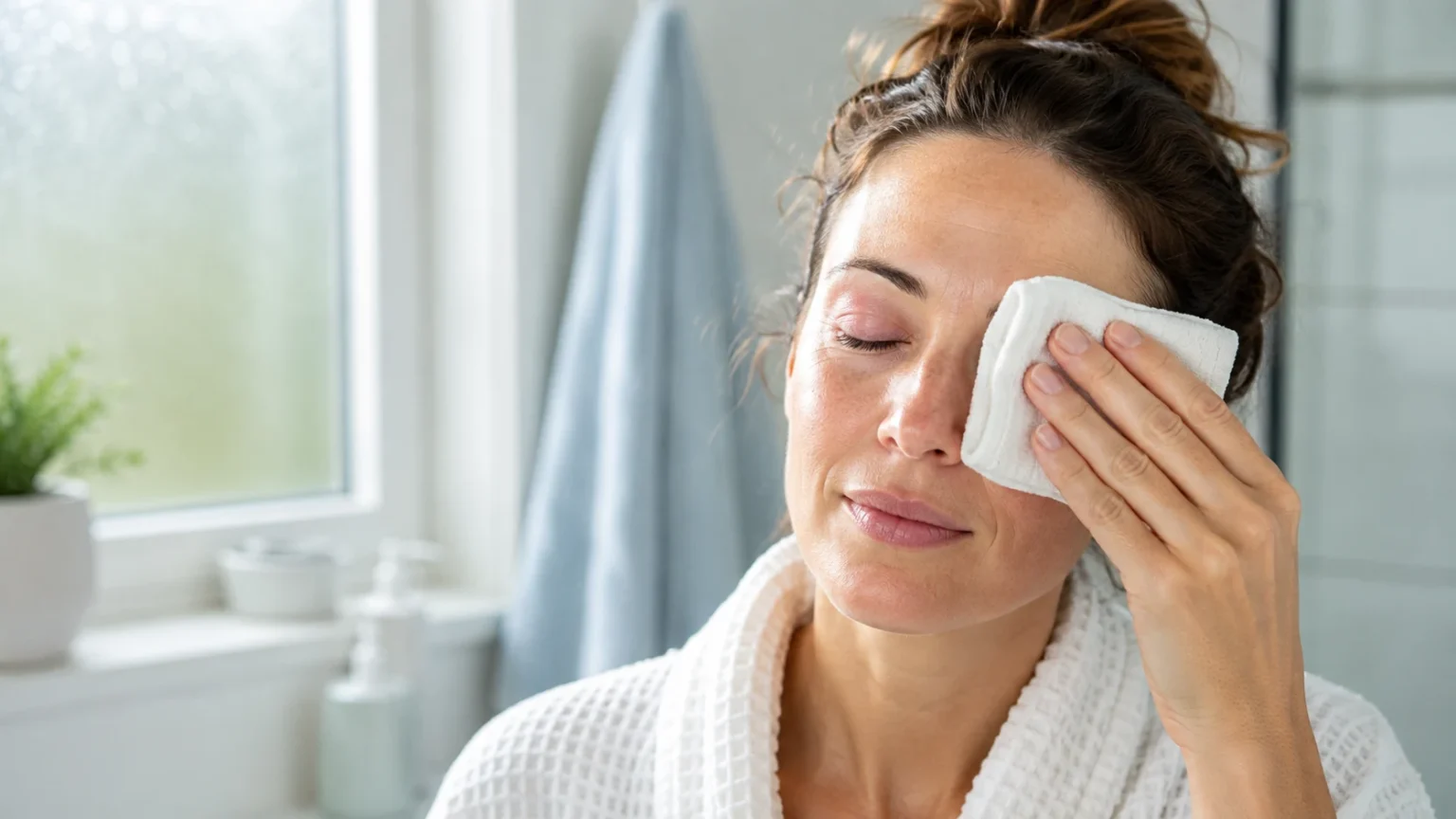
Warm compresses are often recommended for both styes and chalazia. Use a clean washcloth soaked in warm, not hot, water and hold it gently over your closed eyelid for several minutes. The warmth may help soften blocked oils and encourage natural drainage. You can repeat this a few times throughout the day, using a freshly cleaned cloth each time. Do not press hard on the eyelid or try to force anything out. If the cloth feels too hot on your wrist, it is too hot for the sensitive skin around your eye.
Avoid squeezing, popping, or picking at an eyelid lump. This can spread bacteria, worsen inflammation, injure the eyelid, or create more swelling. It is also best to pause eye makeup and contact lens use while the area is sore or inflamed. Makeup brushes, mascara wands, and contact lenses can introduce bacteria or irritants to an already sensitive eye. Replace old eye makeup after an infection or recurring stye to reduce the chance of reinfection. Wash your hands before touching the eye area, even when applying a warm compress.
See a healthcare professional if a stye or chalazion does not begin improving, keeps coming back, affects your vision, or becomes increasingly painful. A clinician may check whether the lump is truly a stye or chalazion and rule out other eyelid conditions. In some cases, prescription treatment, drainage, or referral to an eye specialist may be needed. Recurrent eyelid bumps can sometimes be linked with blepharitis, rosacea, or chronic oil-gland dysfunction. Getting the right diagnosis can prevent repeated irritation. You should also seek care if swelling spreads beyond the eyelid or into the cheek.
Allergies, Irritation and Contact Reactions
Allergic upper eyelid swelling often develops when the immune system reacts to a trigger. Common triggers include seasonal pollen, dust mites, pet dander, mold, smoke, and airborne irritants. Personal care products can also cause reactions, including mascara, eyeliner, false eyelash glue, cleansers, retinol creams, fragrances, hair products, and sunscreen. The eyelid skin is thin and easily irritated, so a product that feels fine elsewhere may still bother the eye area. Allergy-related swelling is often itchy rather than painful. Both eyes may be affected, although one side can sometimes look worse.
Contact dermatitis is a skin reaction caused by direct exposure to an irritating or allergy-triggering substance. It can cause swelling, redness, dryness, flaking, burning, itching, or tiny bumps around the eyelid. You may not react immediately, which can make it difficult to identify the cause. A product you have used before can also become irritating after repeated exposure. Consider any recent changes in makeup, skincare, hair dye, laundry detergent, pillow spray, eye drops, or nail products. In some cases, touching your eyes after using a product on your hands can trigger eyelid irritation.
If you suspect an allergy or irritant, stop using the new or suspected product. Gently rinse the area with clean lukewarm water if something has recently splashed near the eye. Avoid scrubbing, rubbing, or applying multiple new products in an effort to fix the swelling. A cool compress can feel soothing for itchy, puffy eyelids. If symptoms are mild, a pharmacist or healthcare professional may advise on whether an allergy medicine is appropriate for you. Do not use medicated eye drops, steroid creams, or antibiotic ointments near the eye unless a qualified professional recommends them.
Rubbing is one of the biggest reasons eyelid swelling gets worse. When the eye feels itchy or gritty, it can be tempting to rub it repeatedly. This can irritate the skin, worsen inflammation, and transfer bacteria from your hands to your eyes. It may also make tiny blood vessels more visible and increase puffiness. Try a cool compress, rest your eyes, and wash your hands instead. If allergies are frequent, keeping windows closed during high-pollen periods and washing your face after being outdoors may help reduce exposure.
Seek urgent help if eyelid swelling occurs with trouble breathing, swelling of the lips or tongue, widespread hives, faintness, or rapid facial swelling. These symptoms may signal a serious allergic reaction. You should also seek prompt medical advice if the eyelid becomes very red, hot, painful, blistered, or difficult to open. A mild itchy reaction may be manageable at home, but severe reactions should not be watched and waited out. Your eye area is too important to take chances with when symptoms are escalating. Early care can prevent complications and provide faster relief.
Blepharitis and Eyelid Oil Gland Problems
Blepharitis is a common condition that affects the edges of the eyelids. It can cause swelling, itching, burning, redness, crusting, and a gritty sensation in the eyes. Some people wake up with eyelashes that seem stuck together or notice flakes near the lash roots. Others have dry, watery, or irritated eyes throughout the day. Blepharitis can affect the upper eyelid, lower eyelid, or both. It often comes and goes, which can make it frustrating to manage without a consistent routine.
The eyelids contain tiny oil glands called meibomian glands. These glands release oils that help keep tears from evaporating too quickly. When the glands become clogged or do not work properly, the eyes may feel dry, irritated, or watery. Blocked glands can also contribute to styes and chalazia. This is why people with recurring eyelid lumps may benefit from discussing eyelid hygiene with an eye care professional. Healthy oil glands support both eyelid comfort and tear-film stability.
Blepharitis can be associated with dandruff-like skin conditions, rosacea, seborrheic dermatitis, allergies, and bacterial overgrowth around the lash line. It is not necessarily caused by poor hygiene, and it is not something to feel ashamed about. However, a gentle daily cleaning routine may help reduce debris and oil buildup. Use clean hands and a soft, damp cloth to carefully clean the eyelid area without scrubbing the eyeball. Some people may be advised to use a specific eyelid cleanser. Ask a professional for guidance if you are not sure what is appropriate.
Makeup and contact lenses may worsen symptoms during a blepharitis flare. Eye makeup can trap debris along the lash line and make it harder to keep the lids clean. Contact lenses may feel uncomfortable when the eyes are dry or irritated. Temporarily pausing these products can give the eyelids time to settle. Replace old eye makeup regularly, especially mascara and liquid eyeliner, to limit bacterial buildup. Never share eye makeup or contact lens items with another person.
If blepharitis is persistent, painful, or affecting your vision, arrange an eye examination. A clinician can check for associated dry eye, infection, rosacea, eyelash problems, or other conditions that may need treatment. Some people need ongoing eyelid care rather than a one-time fix. This can feel inconvenient, but regular maintenance may reduce flare-ups and prevent styes or chalazia. Be patient with the process because eyelid conditions often improve gradually. Consistent gentle care usually works better than trying many harsh products at once.
Infection-Related Causes of Upper Eyelid Swelling
Some eyelid swelling is caused by infection. A stye is a common localized infection or inflammation around an eyelash follicle or oil gland. Conjunctivitis, sometimes called pink eye, may also cause eyelid puffiness along with redness, tearing, itching, or discharge. Viral and bacterial infections can look similar at first, but they may require different management. A clinician can help determine whether an infection is likely and whether treatment is necessary. Avoid sharing towels, eye makeup, pillowcases, or washcloths if an eye infection is possible.
Preseptal cellulitis, also called periorbital cellulitis, is an infection of the tissues in front of the eye socket. It can cause a red, tender, swollen eyelid and may develop after a stye, sinus infection, insect bite, skin injury, or other infection near the eye. This condition needs prompt medical assessment because it may require prescription antibiotics. It is different from orbital cellulitis, which involves deeper tissues around the eye and is more serious. It can be difficult to tell the difference without an examination. Do not try to self-treat severe red, hot, painful eyelid swelling at home.
Orbital cellulitis is a medical emergency because the infection affects tissues deeper in the eye socket. Warning signs can include severe swelling, fever, pain when moving the eye, difficulty moving the eye, bulging of the eye, reduced vision, double vision, or feeling very unwell. These symptoms require urgent emergency assessment. Orbital cellulitis is uncommon, but it can threaten vision and spread if not treated quickly. Children with marked eye swelling, fever, or unusual sleepiness need urgent medical attention. If you are unsure whether swelling is serious, it is safer to seek care promptly.
A viral illness, sinus infection, or cold can sometimes contribute to puffy eyelids. Congestion and fluid retention may make the tissues around the eyes look swollen, especially after sleeping. This is usually milder than a true eyelid infection and often improves as the illness settles. However, worsening facial pain, high fever, redness around one eye, or severe headache can be warning signs of a more serious problem. Sinus symptoms plus eye swelling should be assessed if they are intense or getting worse. The area around the eyes should never be ignored when infection symptoms are present.
Do not use leftover antibiotics, steroid drops, or prescription eye ointments without medical advice. Using the wrong treatment can delay proper diagnosis and may worsen certain conditions. Antibiotics do not help viral infections, and steroid products can be risky if used incorrectly around the eye. If you have discharge, severe pain, fever, or spreading redness, seek professional evaluation instead. An eye examination can identify whether the problem is on the eyelid surface, in the eye itself, or deeper in the tissues around the eye. Correct treatment depends on the cause.
Other Causes of a Puffy Upper Eyelid
Lack of sleep can make the upper eyelids look puffy, especially in the morning. When you sleep, fluid can collect around the eyes, particularly if you sleep face-down or have eaten a salty meal. This type of puffiness is usually mild, affects both eyes, and improves as you move around during the day. A cool compress, adequate rest, hydration, and sleeping with your head slightly elevated may help. However, sleep-related puffiness should not cause significant pain, marked redness, or vision changes. If it does, another cause may be involved.
Crying can temporarily make the eyelids swollen because tears, rubbing, and increased blood flow can irritate the delicate tissue around the eyes. This swelling usually improves within a few hours. A cool, clean compress can help reduce discomfort and puffiness. Try not to rub your eyes afterward, even if they feel itchy or tired. If crying is frequent because you are feeling overwhelmed, anxious, depressed, or unsafe, emotional support is just as important as managing the puffiness. Reaching out to someone you trust can make a real difference.
Insect bites near the upper eyelid can cause sudden local swelling. The area may look red, feel itchy, and become puffy within hours. Because eyelid skin is thin, even a small bite can look dramatic. A cool compress may help with itchiness and swelling, but avoid scratching the area. Watch for spreading redness, increasing pain, fever, discharge, or signs of a serious allergic reaction. Children should be watched carefully because eye-area swelling can progress quickly.
Skin conditions can also affect the eyelids. Eczema, psoriasis, rosacea, and seborrheic dermatitis may cause redness, dryness, flaking, irritation, or swelling near the eyes. The skin around the eyelids is more sensitive than skin on the hands or face, so treatments that work elsewhere may not be safe to use near the eyes. Avoid applying strong acne treatments, exfoliants, fragranced creams, or steroid creams around the eye without medical advice. A dermatologist, optometrist, or ophthalmologist can recommend safer options. Treating the underlying skin condition may reduce repeated eyelid flare-ups.
Less commonly, persistent or recurring upper eyelid swelling may be linked with a systemic health condition. Kidney disease, thyroid eye disease, inflammatory disorders, and fluid retention can sometimes cause puffiness around the eyes. These situations often involve other symptoms, such as swelling elsewhere in the body, weight changes, fatigue, palpitations, changes in urination, or eye bulging. This does not mean every puffy eyelid points to a serious disease. It simply means persistent, unexplained, or recurring swelling deserves medical evaluation. A clinician can look at the full picture rather than focusing only on the eyelid.
Safe Home Care for a Swollen Upper Eyelid
Start with clean hands and gentle care. Avoid touching your eyes unless necessary, and wash your hands before applying a compress or removing contact lenses. Do not squeeze a bump, scratch an itchy eyelid, or use sharp tools to remove anything near the eye. The upper eyelid is delicate, and aggressive home treatment can make swelling worse. If you wear contact lenses, consider taking a break until the irritation or swelling has resolved. Use glasses instead if you can do so comfortably.
Warm compresses are often helpful for styes, chalazia, and eyelid oil-gland blockage. Wet a clean washcloth with comfortably warm water, wring it out, and hold it gently over the closed eyelid. Re-wet the cloth as it cools, but avoid using water hot enough to burn your skin. A few minutes of gentle warmth can be repeated several times daily. Do not forcefully massage the eyelid or try to drain a bump yourself. If the swelling becomes more painful or spreads, stop home treatment and seek medical advice.
Cool compresses may work better for allergy-related puffiness, crying, mild irritation, or insect bites. Use a clean cool cloth over the closed eye for a few minutes at a time. Do not put ice directly on the eyelid because extreme cold can irritate or injure the skin. If you suspect an allergy trigger, stop using the product and avoid touching the area. Give the skin time to settle before trying new cosmetics or skincare. Reintroduce products one at a time if you are trying to identify the cause.
Keep the eyelid area free from makeup while it is swollen. Mascara, eyeliner, false lashes, eye creams, and contact lens products can trap debris or make irritation worse. Remove makeup gently without rubbing, and do not share eye products with anyone else. Consider replacing old mascara or eyeliner if you have had a stye, recurring infection, or unexplained irritation. Clean pillowcases, towels, and washcloths can also reduce exposure to bacteria and product residue. These simple steps can support healing without adding more irritants.
Avoid using medicated creams, redness-relief drops, antibiotics, or steroid products near your eye unless a healthcare professional recommends them. The wrong product can worsen irritation, hide important symptoms, or cause problems if it enters the eye. If you are unsure whether to use an over-the-counter allergy medicine, pain reliever, or eye product, ask a pharmacist or clinician. They can consider your age, symptoms, allergies, and other medications. Home care is appropriate only for mild symptoms without red flags. When in doubt, an eye assessment is safer than experimenting.
When to See a Doctor for a Swollen Eyelid
You should arrange medical advice if upper eyelid swelling lasts more than a few days, keeps returning, or does not improve with gentle care. A persistent lump, recurring stye, or long-lasting eyelid irritation may need a closer look. An optometrist, ophthalmologist, primary care clinician, or urgent care provider can examine the eyelid and eye surface. They may check for a blocked gland, blepharitis, allergy, skin condition, infection, or another cause. Getting a diagnosis is especially helpful if the same eyelid keeps swelling. Repeated symptoms are often easier to manage once the underlying trigger is identified.
Seek urgent medical care if the eyelid is very red, hot, tender, or rapidly worsening. These symptoms can suggest an infection that needs treatment. You should also get urgent help if swelling spreads to the cheek, forehead, or other parts of the face. Fever, chills, feeling very unwell, or pus-like discharge are additional reasons not to wait. A painful swollen eyelid is not always serious, but it should be assessed promptly when infection signs are present. Early treatment can prevent complications.
Vision changes are always important warning signs. Seek urgent care if you have blurred vision, double vision, reduced vision, flashing lights, halos, trouble keeping your eye open, or a new sensitivity to light. You should also seek help if there is pain inside the eye rather than only in the eyelid. Severe headache, nausea, vomiting, or a very red eye alongside eyelid swelling can signal an eye problem that needs urgent evaluation. Do not drive yourself if your vision is impaired. Ask someone to help or contact emergency services if necessary.
Pain when moving the eye, difficulty moving the eye, or a bulging appearance of the eye needs emergency assessment. These symptoms can occur with serious infection or inflammation deeper in the eye socket. They are especially concerning if they occur with fever, marked swelling, or a person feeling unwell. Children with these symptoms should be seen urgently because eye-area infections can progress quickly. Do not wait overnight if the condition is worsening. Your eyesight and overall health are worth immediate attention.
If the swollen eyelid followed an injury, chemical splash, or foreign object in the eye, seek prompt medical advice. Rinse the eye with clean water immediately after a chemical exposure and get urgent help. Do not rub the eye or try to remove an embedded object yourself. Eye injuries can damage the cornea even when the eyelid swelling seems mild. A medical professional can check for scratches, foreign material, or deeper injury. Quick treatment can help protect your vision and reduce the risk of infection.
Frequently Asked Questions
Why did I wake up with one upper eyelid swollen?
You may have slept on that side, rubbed your eye, developed a blocked oil gland, or reacted to an irritant. If the swelling is painful, red, worsening, or affecting vision, seek medical advice.
How do I reduce upper eyelid swelling fast?
Use a clean cool compress for allergy-related puffiness or mild irritation. A warm compress may help if you have a stye or chalazion, but avoid squeezing the eyelid.
Is a swollen upper eyelid a sign of an infection?
It can be, especially if the lid is red, hot, painful, tender, or producing discharge. Severe swelling, fever, spreading redness, or eye pain needs prompt medical assessment.
Can stress cause a swollen eyelid?
Stress itself does not usually cause a swollen eyelid directly, but poor sleep, crying, rubbing your eyes, and skin flare-ups linked with stress can contribute to puffiness.
Should I wear contact lenses with a swollen eyelid?
It is usually best to avoid contact lenses until the swelling and irritation have improved. Wearing glasses temporarily can reduce discomfort and lower the chance of further irritation.



