
What Are Butt Cramps?
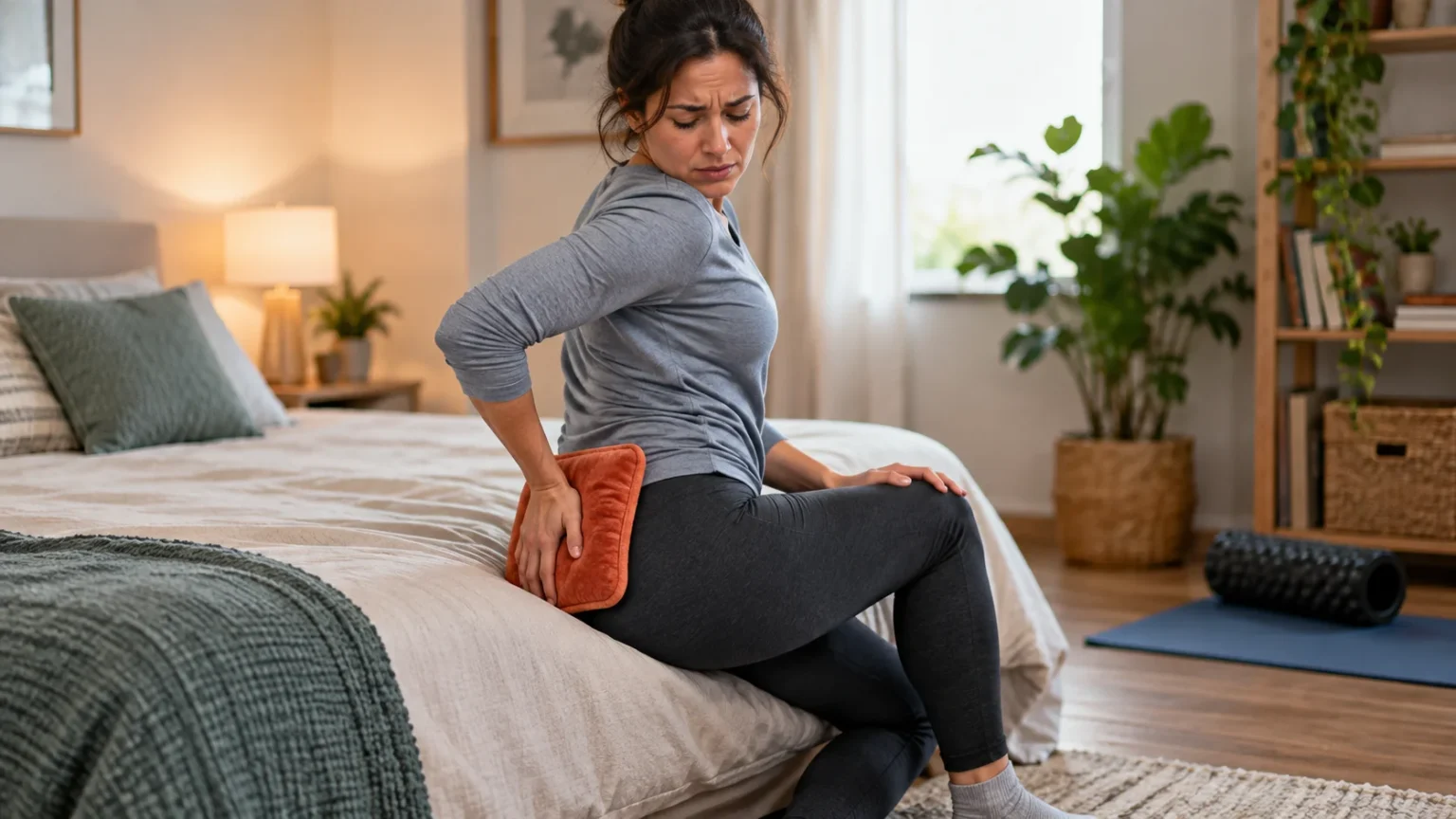
Butt cramps are sudden, involuntary tightening or spasms in the muscles of the buttocks. They can feel like a sharp squeeze, deep ache, twitch, or painful knot that appears without warning. The discomfort may last only a few seconds, continue for several minutes, or come and go depending on what is causing the muscle to contract.
Your buttocks contain several important muscles, including the gluteus maximus, gluteus medius, and gluteus minimus. These muscles help stabilize your hips, support your pelvis, and generate power during walking, running, climbing, and squatting. When these muscles become fatigued, irritated, dehydrated, or overworked, they may temporarily tighten or spasm.
Most occasional butt cramps are not serious and improve with rest, stretching, hydration, or gentle movement. However, recurring glute muscle spasms may sometimes be connected to muscle strain, nerve irritation, prolonged sitting, electrolyte imbalance, or problems involving the lower back. Paying attention to accompanying symptoms can help you decide whether simple self-care is appropriate.
Why Do Butt Cramps Happen?
A muscle cramp occurs when muscle fibers contract suddenly and do not immediately relax. Although the exact trigger is not always obvious, cramps commonly develop when muscles become tired, shortened, overloaded, or poorly conditioned for a particular movement. A sudden increase in exercise intensity can also make the gluteal muscles more likely to tighten unexpectedly.
Blood circulation and hydration can influence how muscles function as well. Sitting in one position for several hours may leave the hip and buttock muscles stiff, while heavy sweating may contribute to fluid or electrolyte changes. These factors do not cause every cramp, but they may increase the likelihood of spasms in susceptible people.
Sometimes the discomfort people describe as a butt cramp is not actually caused by the glute muscle itself. Irritated nerves, tight deep hip muscles, lower back problems, or referred pain can create cramping sensations in the buttocks. This is why persistent pain, numbness, weakness, or symptoms traveling down the leg deserve closer attention.
Common Causes of Butt Cramps
Muscle fatigue is one of the most common reasons for sudden cramping in the buttocks. Activities such as running, climbing stairs, cycling, lunging, squatting, or hiking place considerable demand on the glute muscles. If your body is not accustomed to the workload, the muscles may become tired and respond with temporary spasms or tightness.
Prolonged sitting can cause a different type of discomfort. Sitting for several hours may leave your hips stiff and reduce movement through the gluteal muscles, especially if your posture remains unchanged. When you suddenly stand, stretch, or exercise afterward, the muscles may feel tight, sore, or more prone to cramping.
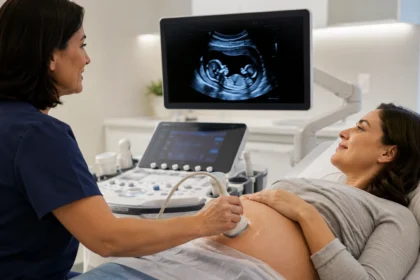
Other possible contributors include dehydration, electrolyte imbalance, muscle strain, poor mobility, nerve irritation, and inadequate recovery between workouts. Pregnancy, certain medications, circulation problems, and some medical conditions may also contribute to muscle cramping in certain people. The pattern of your symptoms often provides important clues about what may be triggering the discomfort.
Can Dehydration Cause Butt Cramps?
Dehydration may contribute to muscle cramps, particularly when you have been exercising, sweating heavily, or spending time in hot conditions. Your muscles depend on adequate fluid levels to function efficiently. When your body loses more fluid than it replaces, muscle contraction and relaxation may become less efficient, potentially increasing your susceptibility to cramps.
Electrolytes such as sodium, potassium, magnesium, and calcium also play important roles in normal muscle and nerve function. Significant fluid losses can sometimes affect electrolyte balance, especially during prolonged physical activity. However, not every cramp means you have an electrolyte deficiency, so repeatedly taking supplements without a clear reason is not necessarily helpful.
Drinking fluids regularly throughout the day is generally a practical approach, particularly before and after exercise. If you have been sweating heavily for an extended period, fluids containing electrolytes may sometimes be useful. Frequent unexplained cramps despite adequate hydration may indicate that another factor, such as muscle overuse or nerve irritation, needs consideration.
Muscle Strain and Overuse
A glute muscle strain happens when muscle fibers are stretched beyond their usual capacity or overloaded during physical activity. It can develop after sprinting, lifting heavy weights, jumping, performing deep squats, or making a sudden movement. A strained muscle may feel tight or crampy and can also cause tenderness, soreness, swelling, or discomfort during movement.
Overtraining can create similar symptoms even without a noticeable injury. Increasing your workout volume, weight, distance, or intensity too quickly may leave the glute muscles fatigued and unable to recover fully between sessions. Cramps that repeatedly appear after workouts may therefore be a sign that your training load currently exceeds your recovery capacity.
Give irritated muscles enough time to recover before returning to demanding exercises. Gentle walking and comfortable mobility may be more appropriate than pushing through sharp or worsening pain. When symptoms improve, gradually rebuilding strength and activity levels can reduce the likelihood of repeatedly irritating the same area.
Nerve Irritation and Lower Back Problems
Sometimes a cramping sensation in the buttocks originates from irritation involving nerves in the lower back or pelvis. The sciatic nerve travels from the lower spine through the buttock region and down the leg. Irritation affecting this pathway can produce aching, burning, tingling, electric sensations, or discomfort that may initially feel similar to a deep muscle cramp.
Symptoms involving a nerve often behave differently from an ordinary muscle spasm. Pain may radiate from the buttock into the back of the thigh, calf, or foot, and some people experience numbness or tingling. Certain sitting positions, bending movements, coughing, or prolonged standing may also make the discomfort noticeably better or worse.
Not every pain traveling into the leg is sciatica, and several conditions can produce similar symptoms. Persistent radiating pain, progressive weakness, significant numbness, or repeated episodes should therefore be evaluated by an appropriate healthcare professional. Identifying whether the problem involves muscle tissue, joints, or nerves can guide more suitable treatment.
Why Butt Cramps Can Happen During Exercise
Exercise-related butt cramps often occur when the glute muscles are working harder than they are prepared for. Sprinting, hill walking, cycling, squatting, and resistance training require repeated muscle contractions. If fatigue builds faster than the muscles can recover, one section of the glute may suddenly tighten and create a painful cramping sensation.
Technique and mobility may also influence muscle stress. Limited hip or ankle mobility can sometimes change the way your body performs movements such as squats, potentially shifting extra workload onto certain muscles. Practicing movements slowly and improving comfortable range of motion may help your body distribute effort more effectively during training.
Mobility exercises can be useful when they are performed comfortably and with good control. For example, learning how to perform a deep squat hold correctly may help some people work on hip and lower-body mobility. However, avoid forcing deep positions if they produce sharp pain, numbness, or worsening symptoms.
How to Relieve a Butt Cramp
When a butt cramp occurs, stop the activity that triggered it and allow the muscle to relax. Gentle movement is often more comfortable than aggressively stretching a tightly contracted muscle. Slowly walking around, changing position, or gently moving the hip through a pain-free range may help the spasm settle.
Gentle massage can also be helpful when the problem feels muscular. Using your hand, a massage ball, or a foam roller with light pressure may help the area relax, but avoid pressing aggressively into painful tissue. Warmth from a shower or heating pad may also feel soothing when stiffness or muscle tension is contributing to the discomfort.
Hydration and recovery are equally important, especially after strenuous activity or heavy sweating. Drink fluids gradually and give fatigued muscles time to recover instead of immediately returning to intense exercise. If the cramp repeatedly returns, consider whether your training intensity, sitting habits, mobility, hydration, or recovery routine may need adjustment.
How to Prevent Butt Cramps
Regular movement is one of the simplest ways to support healthy glute function. If your work requires prolonged sitting, try changing position and walking briefly throughout the day rather than remaining seated continuously. Frequent movement keeps the hips active and may reduce the stiffness that develops when the glute muscles remain relatively inactive for long periods.
Exercise progression is also important. Increase weights, running distance, cycling duration, or workout intensity gradually so your muscles have time to adapt. A balanced program that strengthens your glutes, hamstrings, hips, and core may help improve muscular endurance and reduce excessive stress on any single muscle group.
Recovery should be treated as part of your training rather than an afterthought. Adequate sleep, hydration, nutrition, easier training days, and rest between demanding workouts help muscles repair and adapt. If cramps consistently appear during the same exercise, reviewing your technique or training plan with a qualified professional may reveal an avoidable trigger.
When Should You Worry About Butt Cramps?
An occasional butt cramp after exercise or prolonged sitting is usually temporary. However, medical evaluation is appropriate when cramps become frequent, increasingly painful, or continue despite reasonable changes to activity and recovery. Persistent symptoms may require assessment to determine whether the discomfort is muscular or related to another underlying problem.
Seek prompt medical attention if buttock pain occurs with significant leg weakness, spreading numbness, difficulty walking, major swelling, redness, or severe unexplained pain. Symptoms following a significant fall or injury should also be evaluated. Sudden symptoms associated with loss of bladder or bowel control or numbness around the groin require urgent medical care.
It is also worth discussing recurring muscle cramps with a healthcare professional if they began after starting a new medication or occur alongside other unexplained symptoms. Keeping track of when the cramps happen, how long they last, and what activities trigger them can be useful. This information may help identify patterns and guide further assessment.
Can Lifestyle Habits Affect Butt Cramps?
Your everyday routine can influence how your hips and glute muscles feel. Long periods of sitting, limited physical activity, sudden intense workouts, and poor recovery can create a cycle in which muscles alternate between inactivity and excessive demand. Gradually building consistent movement throughout the week is often easier on the body than relying on occasional intense exercise sessions.
Sleep and nutrition matter because muscles need adequate recovery resources after physical activity. Eating a balanced diet that provides sufficient protein, carbohydrates, vitamins, minerals, and fluids supports normal muscle function. You usually do not need special foods or supplements specifically for butt cramps unless a healthcare professional identifies a nutritional deficiency or another reason for supplementation.
Stress can also influence how strongly some people hold tension throughout their bodies. When you are stressed, you may unknowingly tighten muscles around the hips, lower back, shoulders, or jaw. Gentle movement, breathing exercises, regular physical activity, and relaxation strategies may help reduce general muscular tension alongside other appropriate self-care approaches.
Conclusion
Butt cramps are often caused by temporary muscle fatigue, overuse, prolonged sitting, dehydration, stiffness, or changes in physical activity. Most mild episodes settle with gentle movement, hydration, rest, and appropriate recovery. Paying attention to when cramps occur can help you identify whether certain exercises, sitting patterns, or lifestyle habits are contributing.
Preventing recurring cramps usually involves a combination of regular movement, gradual exercise progression, good hydration, mobility work, and sufficient recovery. Avoid aggressively stretching or exercising through sharp pain because this may further irritate already sensitive tissue. Instead, allow symptoms to settle and gradually return to normal activity as comfort improves.
Recurring butt cramps deserve more attention when they are severe, unexplained, or accompanied by numbness, weakness, radiating leg pain, swelling, or other concerning symptoms. In these situations, professional evaluation can help determine whether the discomfort comes from muscle tissue, a nerve, the lower back, or another source. Appropriate treatment depends on identifying that underlying cause.
FAQs
Why does my butt cheek suddenly cramp?
A butt cheek may suddenly cramp because of muscle fatigue, prolonged sitting, dehydration, strenuous exercise, or an awkward movement. Occasional cramps usually resolve quickly, but repeated episodes may need further evaluation.
How do you quickly stop a cramp in your butt?
Stop the triggering activity, change position, and gently move or massage the affected muscle. Comfortable warmth, hydration, and light walking may also help the muscle gradually relax.
Can sciatica feel like a butt cramp?
Yes. Sciatic nerve irritation can sometimes feel like deep aching, tightness, or cramping in the buttock, particularly when symptoms also travel into the thigh, calf, or foot.
Why do my glutes cramp when I exercise?
Glute cramps during exercise can occur when muscles become fatigued, overloaded, or challenged beyond their current conditioning. Sudden increases in workout intensity, poor recovery, and mobility limitations may contribute.
When should I see a doctor about butt cramps?
Consider medical evaluation if cramps are frequent, severe, worsening, or accompanied by numbness, weakness, swelling, or radiating leg pain. Seek urgent care for significant neurological or bladder and bowel symptoms.