
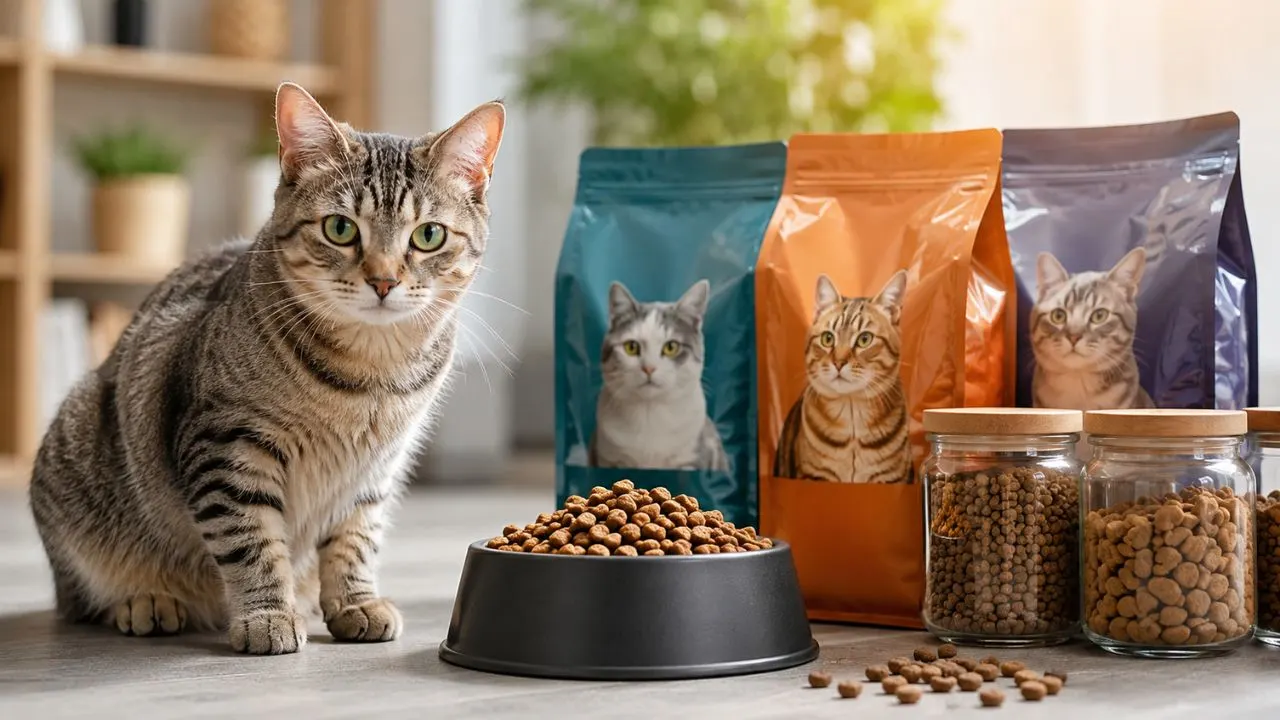

Best Dry Cat Food: Top Picks to Buy Before They Sell Out
Choosing the best dry cat food can feel overwhelming when every bag promises premium protein, healthy digestion, a shiny coat, and complete nutrition. Attractive packaging may catch your attention, but the best choice depends on your cat’s age, activity, weight, health, preferences, and feeding routine.
A healthy cat kibble should provide complete and balanced nutrition for the correct life stage. It should also come from a manufacturer with qualified nutrition experts, dependable quality controls, clear feeding guidance, and enough information to help owners make an informed decision.
The most expensive food is not automatically the healthiest, and the ingredient list does not reveal the complete nutritional quality of a formula. Nutrient balance, digestibility, calorie density, feeding research, manufacturing standards, and your cat’s response are equally important.
This guide compares some of the best dry cat food options for adult cats, indoor cats, kittens, seniors, sensitive stomachs, hairballs, dental support, and urinary health. Product availability and formulas can change, so always verify the current label before buying.
Our Best Dry Cat Food Picks at a Glance
Purina Pro Plan Complete Essentials Chicken and Rice is our leading all-around choice for healthy adult cats. It combines a high-protein formula with probiotics, prebiotic fiber, antioxidants, taurine, and nutrients supporting skin and coat health.
Hill’s Science Diet Adult Indoor Chicken Recipe is a practical option for less-active house cats. Its controlled calories and natural fibers make it useful for owners concerned about indoor weight gain, digestion, and litter-box management.
Purina ONE Tender Selects Blend with Real Chicken offers strong everyday value, while Purina Pro Plan Sensitive Skin and Stomach Lamb and Rice is better suited to cats experiencing mild digestive sensitivity or skin concerns.
Specialized picks include IAMS Indoor Weight Control and Hairball Care, Hill’s Kitten Indoor, Hill’s Adult 7+ Indoor, Royal Canin Indoor Adult, Hill’s Oral Care, and Purina Pro Plan Urinary Tract Health. Medical symptoms still require veterinary diagnosis rather than self-treatment with a retail diet.
How We Chose the Best Dry Cat Food
The first requirement was a nutritional adequacy statement confirming that the food is complete and balanced for its intended life stage. Adult maintenance food should not be used as the sole diet for growing kittens, pregnant cats, or nursing cats.
We also prioritized brands that employ nutrition professionals, conduct feeding or formulation research, provide detailed product information, and maintain established manufacturing and quality-control systems. These factors are more meaningful than vague claims such as holistic, human-grade, ancestral, or super-premium.
Each selection serves a particular need rather than pretending that one kibble is ideal for every cat. We considered adult maintenance, indoor living, budget, digestion, hairballs, kitten growth, healthy aging, oral care, and urinary support.
Palatability and owner practicality were also considered. A nutritionally impressive food offers little value when a cat consistently refuses it, develops digestive problems, or requires a portion that does not fit the household budget.
1. Purina Pro Plan Complete Essentials Chicken and Rice
Purina Pro Plan Complete Essentials Chicken and Rice is our best overall dry cat food for a generally healthy adult. Chicken is featured prominently, and the formula is designed to provide complete nutrition for adult maintenance.
The food contains live probiotics intended to support digestive and immune health. It also includes natural prebiotic fiber, antioxidants, taurine, vitamin A, and omega-6 fatty acids for broader whole-body support.
This formula may suit owners looking for a science-focused brand and a widely available adult cat kibble. Different bag sizes make it easier to test a smaller quantity before committing to a large purchase.
It is not automatically appropriate for kittens, pregnant cats, or cats with diagnosed kidney, urinary, digestive, or food-allergy conditions. Review the calorie content and measure portions because high-quality kibble can still contribute to weight gain when overfed.
2. Hill’s Science Diet Adult Indoor Chicken Recipe
Hill’s Science Diet Adult Indoor Chicken Recipe is formulated for adult indoor cats between approximately one and six years of age. Its nutritional profile is designed around the typically lower activity level of cats living primarily inside.
Natural fibers support digestion and may make litter-box cleanup more manageable. The formula also provides animal protein for lean muscle maintenance and fatty acids that support healthy skin and fur.
This indoor cat food is a reasonable choice for a healthy house cat that gains weight easily or spends much of the day sleeping. Controlled feeding remains important because the word indoor does not make unlimited grazing safe.
It is not designed for kittens, pregnant cats, or nursing cats. An indoor cat with obesity may require a more structured veterinary weight-loss plan rather than relying only on a food with indoor positioning.
3. Purina ONE Tender Selects Blend With Real Chicken
Purina ONE Tender Selects Blend with Real Chicken is our best budget-friendly dry cat food for adult maintenance. It combines crunchy kibble with softer, tender pieces that may appeal to cats that enjoy varied textures.
The formula contains natural prebiotic fiber intended to support the digestive microbiome. It also includes the vitamins, minerals, amino acids, and other nutrients required in a complete adult cat diet.
Purina ONE is often priced below premium veterinary-oriented lines while still coming from a large manufacturer with established nutritional and quality-control resources. It can therefore offer a useful balance between affordability and nutritional confidence.
The tender pieces may dry out when a bag remains open too long, so seal the package carefully. Owners should also measure portions because free-feeding an appealing food may encourage overeating in food-motivated cats.
4. Purina Pro Plan Sensitive Skin and Stomach Lamb and Rice
Purina Pro Plan Sensitive Skin and Stomach Lamb and Rice is formulated for adult cats with mild digestive or skin sensitivity. Real lamb is the first listed ingredient, and oatmeal provides an easily digestible carbohydrate source.
Natural prebiotic fiber supports digestive health, while omega-6 fatty acids and vitamin A help nourish the skin and coat. The formula does not contain artificial colors or flavors according to its current product information.
This sensitive stomach cat food may be worth considering when an otherwise healthy cat experiences occasional soft stool or appears uncomfortable on a previous formula. Transitioning gradually is particularly important for cats with sensitive digestion.
Repeated vomiting, chronic diarrhea, weight loss, severe itching, ear inflammation, or bald patches require veterinary evaluation. A retail sensitive-stomach diet is not the same as a veterinary elimination or hydrolyzed-protein diet used to diagnose food allergies.
5. IAMS ProActive Health Indoor Weight Control and Hairball Care
IAMS ProActive Health Indoor Weight Control and Hairball Care is designed for adult indoor cats that need support with weight management and swallowed hair. It is available in chicken-and-turkey and salmon-focused versions in some markets.
The recipe includes a fiber blend with beet pulp to help move swallowed hair through the digestive tract. L-carnitine is included as part of a formula designed to support healthy fat metabolism and body condition.
This is one of the more affordable specialized dry cat food options. It may suit a long-haired indoor cat, a frequent groomer, or a less-active adult that needs carefully controlled portions.
Hairballs accompanied by repeated vomiting, appetite loss, constipation, lethargy, or abdominal discomfort should not be managed only with food. Grooming, hydration, weight control, parasite prevention, and medical assessment may also be necessary.
6. Hill’s Science Diet Kitten Indoor Chicken Recipe
Hill’s Science Diet Kitten Indoor Chicken Recipe is our leading dry-food option for indoor kittens. It is formulated to meet the higher energy and developmental needs of growing cats rather than the maintenance needs of adults.
The recipe provides complete and balanced nutrition for kittens and can also support pregnant or nursing adult cats according to its current life-stage statement. Kitten formulas generally supply greater energy and selected nutrients needed during growth.
Its indoor positioning may appeal to owners raising a kitten entirely inside the home. The kibble size and feeding instructions are designed around younger cats, although individual chewing ability and preferences still differ.
Kittens should normally remain on an appropriate growth diet until around their first birthday unless a veterinarian recommends another timeline. Monitor body condition because kittens need generous nutrition, but excessive calorie intake can still cause unhealthy weight gain.
7. Hill’s Science Diet Adult 7+ Indoor Chicken Recipe
Hill’s Science Diet Adult 7+ Indoor Chicken Recipe is designed for mature indoor cats. It provides adult-maintenance nutrition while accounting for the changing activity and digestive needs that often appear with age.
The formula contains prebiotic fibers and antioxidants and is positioned to support digestion, immune health, skin, fur, lean muscle, and major organs. Its fiber content may also support easier litter-box management.
This senior cat food can work for a healthy mature cat that remains medically stable and enjoys dry kibble. Regular veterinary examinations remain essential because aging cats can develop kidney disease, hyperthyroidism, diabetes, dental pain, arthritis, or muscle loss.
A senior label does not make a food suitable for every older cat. A cat with diagnosed kidney, heart, urinary, digestive, or metabolic disease may need a therapeutic diet with a carefully controlled nutrient profile.
8. Royal Canin Indoor Adult Dry Cat Food
Royal Canin Indoor Adult is formulated for indoor cats from approximately one to seven years old. Its moderate calorie content is intended to fit the lower activity level common among house cats.
The recipe uses highly digestible proteins and a combination of fibers designed to support digestion, stool quality, and the passage of swallowed hair. Its current formula provides complete and balanced adult-maintenance nutrition.
Royal Canin focuses heavily on nutrient profiles, digestibility, kibble characteristics, and specific lifestyle needs. This formula may suit an indoor cat with consistent digestion that prefers its particular kibble taste and shape.
The ingredient list includes grains and plant-derived ingredients, which may concern owners influenced by grain-free marketing. These ingredients are not automatically inferior when the finished food is safe, digestible, complete, and nutritionally balanced.
9. Hill’s Science Diet Adult Oral Care Chicken and Brown Rice
Hill’s Science Diet Adult Oral Care uses larger kibble with a fibrous texture intended to contact the tooth surface as the cat chews. It is formulated as complete and balanced nutrition for healthy adult cats.
The product is designed to help reduce plaque and tartar buildup while providing the nutrients expected from a daily adult diet. It may be useful for cats that reliably chew rather than swallow kibble whole.
Dental-support food can contribute to an oral-care routine, but it cannot clean every tooth surface or treat established dental disease. Professional examinations and home dental care remain important.
Bad breath, drooling, mouth bleeding, facial swelling, difficulty eating, or dropping food can indicate painful dental disease. A cat showing these symptoms needs veterinary care rather than a switch to crunchy food alone.
10. Purina Pro Plan Urinary Tract Health Chicken and Rice
Purina Pro Plan Urinary Tract Health Chicken and Rice is an over-the-counter adult formula designed to reduce urinary pH and provide controlled dietary magnesium. It is intended to be fed as a complete diet rather than casually mixed with other foods.
The product may be considered for healthy adult cats when a veterinarian agrees that a retail urinary-support diet is appropriate. Fresh water, clean litter boxes, stress management, and adequate moisture remain important parts of urinary wellness.
This food is not equivalent to a prescription urinary diet selected to dissolve or prevent a particular crystal or stone type. Cats with recurring urinary symptoms need testing because infection, inflammation, stones, stress-related cystitis, and obstruction require different management.
A cat that repeatedly enters the litter box, cries, strains, produces only drops, or cannot pass urine needs immediate veterinary attention. Urinary blockage is a life-threatening emergency, particularly in male cats, and food cannot relieve an active obstruction.
11. Purina Pro Plan LiveClear Chicken and Rice
Purina Pro Plan LiveClear Chicken and Rice is a specialized adult dry food designed to reduce active Fel d 1, a major cat allergen found in hair and dander. It uses a protein sourced from eggs to help neutralize the allergen in the cat’s mouth.
The manufacturer reports an average reduction in the major allergen on hair and dander after the food has been fed daily for several weeks. The product also provides complete and balanced adult nutrition.
This formula may be useful in a household where a person has mild cat-allergy symptoms and wants an additional management tool. It does not make a cat completely hypoallergenic or remove every allergen from the environment.
People with asthma, severe allergies, or previous serious reactions should consult a medical professional. Cleaning, ventilation, bedroom boundaries, handwashing, allergy treatment, and other exposure-reduction measures may still be required.
What to Look for in Healthy Cat Kibble
Start with the nutritional adequacy statement rather than the front-of-bag advertising. Look for wording showing that the product is complete and balanced for adult maintenance, growth, gestation and lactation, or all life stages.
Check the calorie content, which may be listed per cup, kilogram, or serving. Two foods with similar feeding directions can provide different amounts of energy, making calorie comparison important for weight control.
Review the company behind the product. Useful questions include whether it employs qualified nutritionists, owns or closely manages manufacturing, performs feeding research, tests finished products, and can provide detailed nutrient information.
Finally, consider your cat. Healthy stool, stable weight, good appetite, normal energy, comfortable skin, and a shiny coat are more meaningful than whether a food follows a popular ingredient trend.
Why the AAFCO Statement Matters
The Association of American Feed Control Officials develops model nutrient profiles and labeling standards used by regulators in the United States. The AAFCO statement helps owners determine whether a food can serve as the cat’s primary diet.
A product labeled complete contains the required nutrients, while balanced means those nutrients are supplied in suitable relationships. This is different from a treat, topper, mixer, or complementary food intended only for occasional feeding.
The statement should also identify the correct life stage. Growing kittens, pregnant cats, and nursing cats have different nutritional needs from healthy adults, while some adult-maintenance diets may not support reproduction or growth.
Do not assume that a product called natural, raw-inspired, premium, or gourmet is complete. The nutritional adequacy statement provides more useful information than descriptive marketing language.
How Much Protein Should Dry Cat Food Contain?
Cats are obligate carnivores and require specific nutrients associated with animal tissues, including taurine and particular amino acids and fatty acids. Protein is therefore a central part of feline nutrition.
The guaranteed analysis shows minimum crude protein but does not reveal protein quality, amino-acid balance, digestibility, or how much the cat actually absorbs. A higher percentage is not automatically evidence of a better food.
Moisture differences also make direct comparisons difficult. Dry food percentages appear higher than wet food percentages partly because kibble contains far less water, so a dry-matter comparison may be needed.
Healthy adults, kittens, seniors, and cats with medical conditions may have different requirements. A veterinarian can help when muscle loss, kidney disease, obesity, or another condition makes protein selection more complicated.
Are Meat By-Products Bad for Cats?
Meat and poultry by-products can include nutritious organ tissues that provide protein, vitamins, minerals, and other essential nutrients. The term does not automatically mean hooves, plastic, waste, or unsafe material.
Cats naturally consume more than skeletal muscle when eating prey. Organs such as liver and heart can be nutrient-rich, although the final balance and processing quality remain important.
An ingredient list gives ingredient names and order by pre-processing weight, but it cannot show digestibility, contamination testing, manufacturing expertise, or the nutritional quality of the completed food.
Rejecting every food containing by-products may unnecessarily eliminate well-researched formulas. Judge the manufacturer and finished nutritional profile rather than reacting to one unfamiliar word.
Are Grains Harmful to Cats?
Cats require specific nutrients rather than a diet made only from meat. Properly processed grains can provide digestible energy, fiber, fatty acids, vitamins, and useful structural properties in dry food.
Corn, rice, wheat, barley, and oats are not common problems for most cats. True food allergies are more frequently associated with proteins, although any ingredient can potentially cause an individual reaction.
Grain-free dry cat food often replaces grains with peas, lentils, potatoes, tapioca, or other carbohydrate sources. Grain-free therefore does not mean carbohydrate-free, lower-calorie, or automatically healthier.
A grain-free diet may be appropriate when a veterinarian has identified a specific need. It should not be chosen solely because packaging suggests that grains are fillers or biologically inappropriate.
Dry Cat Food vs. Wet Cat Food
Dry food is convenient, economical, easy to measure, and suitable for puzzle feeders or timed dispensers. It can remain usable longer in a bowl than opened wet food, although it should still be replaced regularly.
Wet food contains substantially more moisture and can increase total water intake. This may be valuable for cats that drink poorly or have conditions in which hydration is an important part of management.
Neither format is universally superior for every healthy cat. Some cats do well on dry food, some on wet food, and many benefit from a carefully measured combination of both.
When mixing formats, calculate the calories from each rather than serving a full dry ration plus full wet meals. Combining foods without adjusting amounts can quietly double the intended energy intake.
How to Keep a Dry-Fed Cat Hydrated
Provide fresh water at all times and place bowls in quiet, accessible locations. In multi-cat homes, offer several water stations so that one cat cannot block another from drinking.
Many cats prefer wide bowls that do not press against their whiskers. Glass, stainless steel, and ceramic bowls are easier to clean thoroughly than scratched plastic containers.
A water fountain may increase drinking for some cats, although others prefer still water. Clean fountains and replace filters regularly because slime, hair, food particles, and microorganisms can accumulate.
Wet food or a veterinarian-approved amount of water added to meals can provide additional moisture. Discard moistened kibble promptly because adding water reduces the time it can safely remain at room temperature.
How Much Dry Food Should You Feed?
Begin with the feeding guide on the bag, but treat it as a starting estimate rather than a guaranteed prescription. Calorie needs vary according to body size, age, activity, neuter status, environment, and health.
Measure food with a gram scale when possible. Household cups can vary, and a small daily measuring error can become a significant calorie surplus over several months.
Monitor body condition instead of relying only on scale weight. Ideally, you should be able to feel the ribs beneath a light covering, see a waist behind the ribs, and notice a mild abdominal tuck.
Ask a veterinarian to calculate a calorie target when your cat is underweight, overweight, highly active, pregnant, nursing, elderly, or medically unwell. Weight reduction should be gradual because severe food restriction can be dangerous for cats.
Is Free-Feeding Dry Cat Food a Good Idea?
Free-feeding means leaving kibble available throughout the day so the cat can graze. It may work for an active cat that naturally regulates intake and maintains an ideal body condition.
Many indoor cats overeat when food is constantly available. Owners may also find it harder to notice reduced appetite, which can be an early sign of illness.
Measured meals make calorie intake easier to monitor. Dividing the daily allowance into several small servings may fit a cat’s preference for eating repeatedly without creating an unlimited buffet.
Automatic feeders and food puzzles can distribute meals while adding activity and mental stimulation. All food dispensed by these devices must still be included in the daily calorie allowance.
How to Switch Dry Cat Food Safely
Change food gradually over approximately seven to ten days unless a veterinarian gives different instructions. Begin with a small amount of the new food mixed into the familiar diet.
Increase the new formula every few days while reducing the old one. A slower transition may be necessary for cats with sensitive digestion or strong preferences.
Monitor appetite, stool consistency, vomiting, itching, energy, and litter-box habits. Mild stool changes can occur, but persistent diarrhea, repeated vomiting, or refusal to eat requires attention.
Do not allow a cat to go without eating simply to force acceptance of a new brand. Cats that stop eating, especially overweight cats, can develop serious health complications and need prompt veterinary advice.
Signs the New Food May Not Suit Your Cat
Repeated vomiting, persistent diarrhea, constipation, or excessive gas may indicate poor tolerance or an unrelated medical problem. One isolated episode does not always prove that the food is responsible.
New itching, overgrooming, ear inflammation, facial sores, or hair loss also deserves investigation. Food allergy is possible, but fleas, environmental allergies, infection, pain, and stress are common alternative explanations.
Unexpected weight gain may mean the new food is more calorie-dense or the portion is too large. Weight loss despite normal feeding may indicate that the cat is not consuming enough or has an underlying illness.
Seek veterinary care when symptoms are severe, continue for several days, or occur with lethargy, dehydration, pain, blood, urinary changes, or appetite loss. Changing brands repeatedly can delay the correct diagnosis.
Dry Food for Cats With Medical Conditions
Retail diets are designed primarily for healthy cats or general lifestyle needs. They should not replace veterinary therapeutic diets when a cat has confirmed kidney disease, diabetes, severe obesity, food allergy, gastrointestinal disease, or urinary stones.
Prescription diets use nutrient profiles developed for specific medical goals. Depending on the condition, they may control phosphorus, protein, sodium, fat, fiber, minerals, calorie density, or allergenic proteins.
Choosing a medical diet from symptoms alone can be dangerous. For example, different urinary stones respond to different nutritional approaches, and a formula that helps one condition may be unsuitable for another.
Work with a veterinarian to confirm the diagnosis, choose the diet, decide whether wet or dry food is preferable, and schedule follow-up testing. Therapeutic nutrition works best when it is fed consistently and monitored properly.
How to Check Cat Food Recalls
Check the current FDA pet-food recall and advisory pages rather than relying on old social media posts. A brand’s recall history may provide context, but current lot numbers and official notices are what determine whether a bag is affected.
Compare the product name, package size, lot code, and best-by date with the official notice. Do not assume every item from the same manufacturer is included unless the announcement says so.
Stop feeding an affected product and follow the manufacturer or regulator’s instructions. Contact a veterinarian when the cat develops vomiting, diarrhea, weakness, appetite loss, neurological signs, or another symptom linked to the recall concern.
Keep the original packaging until the food has been used. The bag contains manufacturing codes that may be essential when reporting a possible quality or safety problem.
How to Store Dry Cat Food Correctly
Keep kibble in a cool, dry indoor location away from direct sunlight, moisture, pests, and extreme temperature changes. Garages, balconies, and hot vehicles can damage food quality.
Leave the food inside its original bag and place that bag in a clean airtight container. The packaging provides lot information and may contain a protective inner layer designed for the product.
Wash and completely dry the storage container before adding a new bag. Do not repeatedly pour fresh kibble over old crumbs and oil residue because rancid material can contaminate the new supply.
Purchase a bag size your cat can finish while it remains fresh. A huge bag may appear cheaper per pound but offer poor value when one cat takes several months to consume it.
Common Dry Cat Food Buying Mistakes
The first mistake is choosing food solely because meat appears first on the ingredient list. Ingredients are listed by weight before processing, and this position does not describe the finished food’s complete nutrient quality.
Another mistake is assuming that expensive boutique food is always superior. Price may reflect ingredients, marketing, bag size, distribution, or brand positioning rather than stronger nutrition research.
Owners also buy oversized bags before confirming that the cat likes and tolerates the formula. Begin with a smaller package whenever practical and preserve the receipt in case the retailer offers a satisfaction policy.
Finally, do not change a stable cat’s food every time a new trend appears online. Consistency is valuable when the current diet is complete, balanced, affordable, well tolerated, and maintaining good health.
Final Thoughts
The best dry cat food is the formula that provides complete and balanced nutrition for your cat’s life stage, fits any medical requirements, maintains a healthy body condition, and is eaten consistently.
Purina Pro Plan Complete Essentials is a strong all-around adult choice, while Hill’s Adult Indoor suits many house cats. Purina ONE offers value, and specialized formulas can address sensitivity, hairballs, aging, dental support, or lifestyle needs.
Do not rush to buy a formula merely because a headline suggests that it may sell out. Stock changes, but choosing the wrong life stage or medical profile can matter more than missing a temporary discount.
Verify the current label, introduce the food gradually, measure portions, provide fresh water, and monitor your cat’s response. A veterinarian remains the best source of individualized advice for health conditions, weight problems, appetite changes, and urinary symptoms.
Frequently Asked Questions
What is the healthiest dry cat food?
The healthiest option is complete and balanced for your cat’s life stage, produced with strong nutritional and quality controls, and appropriate for their health. No single brand is best for every cat.
Is expensive dry cat food always better?
No. Higher price does not guarantee better nutrient balance, digestibility, safety, or manufacturing standards. Compare life-stage adequacy, company expertise, calories, and your cat’s response.
Should the first ingredient in cat food be meat?
An animal ingredient near the top can be useful, but the first ingredient alone does not determine quality. The finished nutrient profile and manufacturer’s expertise are more important.
Can cats live on dry food only?
Many healthy cats can eat complete and balanced dry food, provided they consume enough water. Wet food or mixed feeding may be useful for increasing moisture intake.
How long does an opened bag of dry cat food stay fresh?
Follow the manufacturer’s storage instructions and use-by date. Keep the food sealed in its original bag, buy manageable sizes, and discard it if it smells rancid or becomes damp.