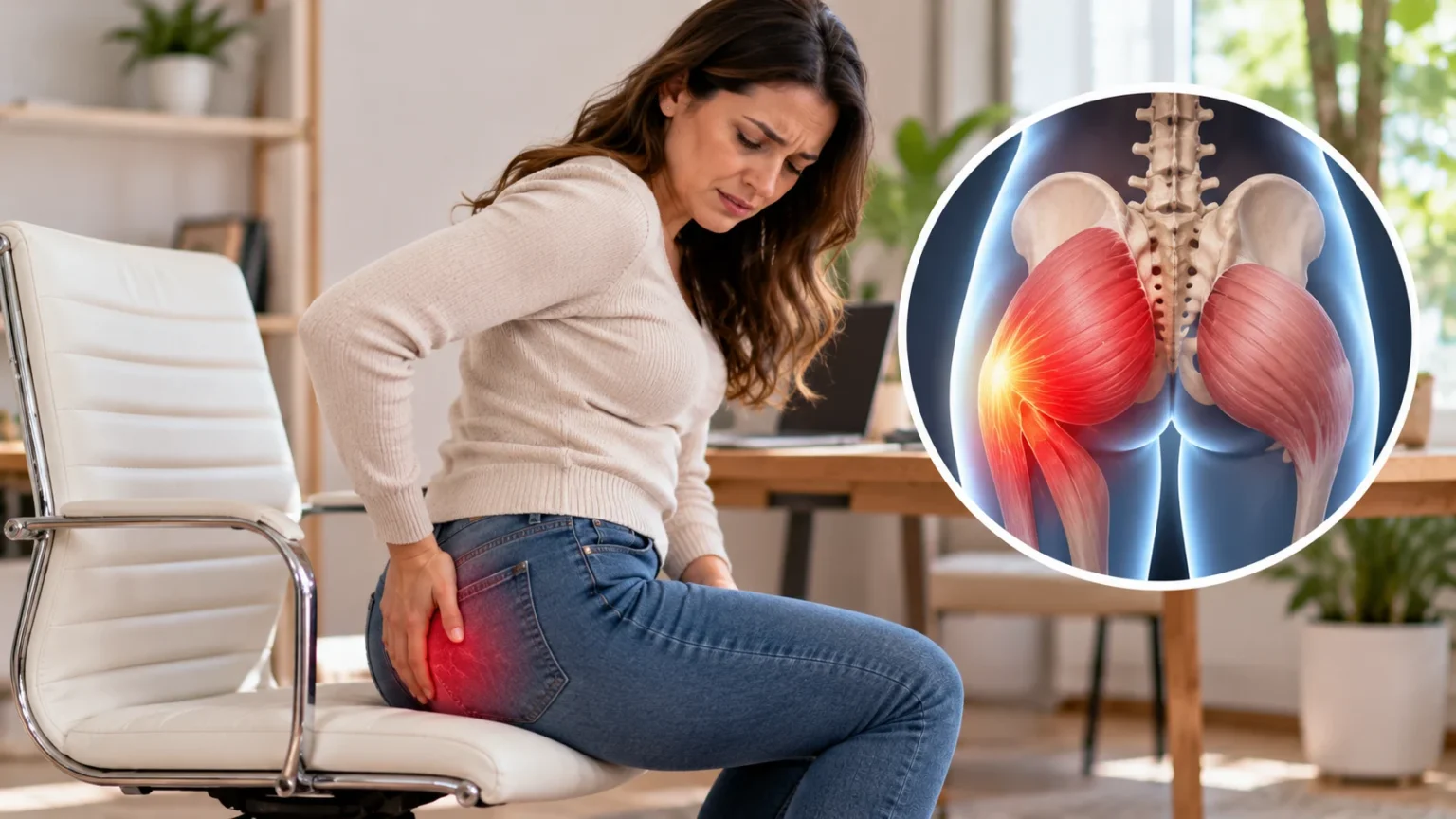

Why Does My Butt Hurt?
If you find yourself thinking, “my butt hurts,” the discomfort may come from muscles, joints, nerves, skin, or structures around the pelvis and lower spine. Buttock pain can feel dull, sharp, burning, aching, or tender depending on the cause. Some people notice pain only while sitting, while others feel it during walking, bending, exercising, or even lying down.
The buttocks contain several important muscles, including the gluteus maximus, gluteus medius, and deeper hip muscles. Nearby structures include the sacroiliac joints, sciatic nerve, tailbone, hamstring attachments, and hip joints. Because so many tissues are packed into the same region, pain in one structure can sometimes feel like it is coming from another area.
Most mild buttock pain improves with rest, movement adjustments, or simple home care. However, persistent or severe pain deserves attention, especially when it follows an injury or occurs with weakness, numbness, fever, bowel or bladder changes, or unexplained weight loss. Understanding the likely cause can help you choose safer relief strategies and know when professional evaluation is appropriate.
Muscle Strain and Overuse
A strained glute muscle is one of the most common reasons for buttock soreness, especially after exercise, lifting, running, climbing stairs, or performing unfamiliar movements. A strain happens when muscle fibers are overstretched or irritated. Pain is often localized, tender to touch, and worse when the affected muscle contracts during activities such as standing from a chair.
Overuse can also create discomfort without a sudden injury. Repetitive workouts, long hikes, sports, or increased physical activity can leave the gluteal muscles tight and sore. Delayed-onset muscle soreness may develop several hours after exercise and usually feels like a deep ache rather than sharp nerve pain traveling down the leg.
Reducing intense activity for a short period can allow irritated muscles to settle. Gentle walking, comfortable stretching, and gradually returning to normal movement may help prevent stiffness. If pain began after a major injury, produces significant swelling or bruising, or makes it difficult to bear weight, medical assessment may be needed to rule out a more serious muscle or tendon injury.
Sciatica and Nerve-Related Buttock Pain
Sciatica occurs when the sciatic nerve or the nerve roots that form it become irritated or compressed. The pain often begins in the lower back or buttock and may travel down the back or side of the thigh. Some people describe the sensation as burning, shooting, electric, tingling, or numb rather than a simple muscular ache.
A herniated spinal disc, spinal narrowing, or other lower-back problems can contribute to sciatic nerve irritation. Symptoms may worsen with prolonged sitting, coughing, bending forward, or certain positions. In some cases, buttock pain is the most noticeable symptom, even when lower-back discomfort is mild or completely absent.
Gentle activity is often more helpful than prolonged bed rest for mild sciatica, provided movement does not sharply worsen symptoms. Comfortable walking and changing positions frequently can reduce prolonged pressure on irritated tissues. Seek medical care promptly if nerve pain is accompanied by significant leg weakness, numbness around the groin, or changes in bladder or bowel control.
Piriformis Syndrome and Deep Gluteal Pain
The piriformis is a small muscle located deep within the buttock near the sciatic nerve. When this muscle or surrounding tissues become irritated, some people develop deep buttock pain that may resemble sciatica. Discomfort may increase after sitting for long periods, climbing stairs, running, or performing movements that repeatedly rotate the hip.
Piriformis-related pain can be difficult to identify because several other conditions cause similar symptoms. Pain may remain in one buttock or travel into the back of the thigh. Some people notice tenderness in the middle of the buttock, while others experience tingling or aching after prolonged sitting on a firm surface.
Taking movement breaks and avoiding positions that consistently trigger symptoms may help reduce irritation. Gentle hip mobility exercises can sometimes improve comfort, but aggressive stretching is not always appropriate when symptoms are severe. Persistent pain should be evaluated because nerve, spinal, hip, and sacroiliac conditions can produce symptoms that feel very similar to piriformis syndrome.
Tailbone Pain From Sitting or Injury
Tailbone pain, also called coccyx pain or coccydynia, usually occurs at the lowest part of the spine between the buttocks. It can develop after falling backward, sitting for extended periods, childbirth, or repeatedly placing pressure on the coccyx. Pain is often most noticeable when sitting down, leaning backward, or moving from sitting to standing.
People who spend many hours at a desk may develop tailbone discomfort even without an obvious injury. Poor seating support and prolonged pressure can irritate tissues around the coccyx. The pain may feel bruised or sore, and certain chairs or hard surfaces can make symptoms noticeably worse within a short period.
Changing positions regularly may reduce pressure on the tailbone. A supportive cushion and avoiding long periods on hard surfaces can also improve comfort for some people. If tailbone pain continues for weeks, becomes severe, or started after a significant fall, professional evaluation can help determine whether an injury or another underlying condition is responsible.
Sacroiliac Joint Pain
The sacroiliac joints connect the lower spine to the pelvis and are located close to the upper buttocks. Irritation in one of these joints can cause pain on one side of the lower back or buttock. Some people notice discomfort when climbing stairs, standing on one leg, turning in bed, or remaining in the same position for a long time.
Sacroiliac joint pain may develop after repetitive strain, changes in movement patterns, pregnancy, injury, or other conditions affecting the pelvis. Because the discomfort can resemble muscle pain, sciatica, or hip problems, identifying the exact source can be challenging. Pain may remain near the joint or spread toward the hip, groin, or upper thigh.
Gentle movement and avoiding repeated aggravating activities may help when symptoms are mild. Strengthening and mobility exercises are often individualized because the right approach depends on the underlying problem. Persistent one-sided buttock pain should be assessed by a qualified professional if it repeatedly interferes with walking, sleeping, work, or normal daily activities.
Buttock Pain During Pregnancy
Pregnancy can create several types of pelvic, hip, lower-back, and buttock discomfort because the body experiences changes in posture, weight distribution, and joint loading. Growing abdominal weight can place additional stress on the muscles surrounding the pelvis. Hormonal changes may also affect joint stability, making certain movements or prolonged positions uncomfortable.
Some pregnant people experience sciatic-type symptoms, pelvic girdle pain, or aching around the sacroiliac joints. Others may notice discomfort that extends toward the groin or vaginal area. If symptoms involve the pelvic region, learning more about pregnancy pain can help you understand common causes and safer ways to respond to discomfort during this stage.
Pregnancy-related pain should not automatically be dismissed as normal, particularly when it is severe or accompanied by bleeding, fever, contractions, dizziness, fluid leakage, or unusual pelvic pressure. A doctor, midwife, or other maternity care professional can determine whether symptoms require further evaluation. New or rapidly worsening pain during pregnancy is always worth discussing with your healthcare team.
Sitting Too Long and Poor Posture
Long periods of sitting can cause buttock pain by placing continuous pressure on muscles and soft tissues. Office workers, drivers, gamers, and people who work from home may notice aching after staying seated for several hours. Sitting can also reduce movement through the hips and lower back, contributing to stiffness and muscular fatigue over time.
Posture can influence where pressure is distributed while sitting. Slouching, leaning heavily to one side, or using a poorly adjusted chair may increase stress on the tailbone, hips, or lower back. However, there is no single perfect posture that must be held all day, and staying completely still is often more uncomfortable than changing positions regularly.
Short movement breaks can be useful when your butt hurts after prolonged sitting. Standing, walking for a few minutes, and changing your sitting position throughout the day may reduce stiffness. Adjusting desk height, seat support, and screen placement can also make prolonged work more comfortable without forcing your body into a rigid position.
Skin Problems, Boils, and Pilonidal Cysts
Not all buttock pain comes from muscles or joints. Skin infections, irritated hair follicles, boils, pressure sores, or cysts can create localized tenderness. These problems often cause pain close to the skin and may be accompanied by redness, swelling, warmth, itching, drainage, or a noticeable lump rather than deeper muscular aching.
A pilonidal cyst can develop near the top of the crease between the buttocks. It may remain small and painless until it becomes inflamed or infected. When infection occurs, the area may become extremely tender and swollen, making sitting uncomfortable, and some people develop drainage, fever, or worsening redness around the affected area.
Avoid squeezing or attempting to drain painful lumps yourself because this may worsen irritation or spread infection. Keep the area clean and seek medical attention if redness spreads, swelling increases, pus appears, or fever develops. Recurrent cysts or boils may require specific treatment rather than repeated home management.
Hemorrhoids and Pain Near the Anus
Pain that seems to come from the buttocks may actually originate closer to the anus. Hemorrhoids are swollen veins around the anus or lower rectum that can cause itching, pressure, bleeding, or discomfort. External hemorrhoids can become particularly painful when a blood clot forms inside them, creating a tender lump near the anal opening.
Constipation, straining during bowel movements, pregnancy, and prolonged sitting on the toilet may increase pressure around these veins. Not every case of rectal pain or bleeding is caused by hemorrhoids, however. Anal fissures, infections, skin irritation, and other digestive or colorectal conditions can create similar symptoms and may require different treatment.
Increasing dietary fiber, drinking enough fluids, and avoiding unnecessary straining can support easier bowel movements. Warm baths may provide temporary comfort for mild irritation. Rectal bleeding that is persistent, heavy, unexplained, associated with black stools, or accompanied by significant pain should be medically evaluated rather than assumed to be hemorrhoids.
Hip and Tendon Problems That Cause Buttock Pain
Hip conditions can sometimes cause pain that is felt mainly in the buttock rather than directly over the hip joint. Problems affecting the tendons around the hip, especially the gluteal tendons, may create aching along the outer or upper buttock. Discomfort can increase while walking, climbing stairs, standing on one leg, or lying on the painful side.
Hamstring tendon irritation can also cause pain near the lower buttock where the hamstring muscles attach to the pelvis. People may feel discomfort while running, bending forward, or sitting for extended periods. Unlike general muscle soreness, tendon pain may repeatedly return when the same loading pattern or activity is resumed.
Managing tendon-related pain often requires adjusting activity rather than completely stopping movement. Gradual strengthening may be helpful, but exercises should match the specific condition and level of irritation. If pain continues despite reducing aggravating activities, a physical therapist or other healthcare professional can assess movement, strength, and possible hip involvement.
Home Relief for Mild Buttock Pain
When buttock pain is mild and linked to exercise, prolonged sitting, or a minor strain, simple self-care may be enough. Temporarily reduce activities that clearly worsen symptoms while keeping comfortable movement in your day. Short walks can help prevent stiffness, whereas staying in bed for long periods may make muscles and joints feel tighter.
Cold or heat may provide temporary relief depending on what feels better. Cold packs are commonly used after fresh muscle injuries, while gentle warmth can feel soothing for stiffness or muscle tension. Always protect the skin with a cloth barrier and avoid prolonged exposure, especially if you have reduced sensation or circulation problems.
Over-the-counter pain medicines may be appropriate for some adults, but they are not suitable for everyone. Existing medical conditions, pregnancy, allergies, and other medications can affect what is safe to use. If you are uncertain, ask a pharmacist or healthcare professional before taking medication, particularly when symptoms last longer than expected.
When Buttock Pain Needs Medical Attention
Most mild buttock pain is not an emergency, but certain warning signs should not be ignored. Seek urgent medical assessment after a serious fall, accident, or injury if you cannot walk normally or bear weight. Rapidly increasing swelling, severe pain, fever, or a hot and red area may also indicate an injury or infection requiring prompt treatment.
Nerve-related warning signs deserve particular attention. New loss of bladder or bowel control, numbness around the genitals or inner thighs, or rapidly worsening weakness in one or both legs requires urgent medical care. These symptoms can occasionally indicate significant nerve compression that should be assessed without delay rather than managed only with stretching or home remedies.
Make a routine medical appointment if buttock pain lasts for several weeks, frequently returns, interrupts sleep, or progressively worsens. Unexplained weight loss, persistent night pain, or pain associated with a history of cancer or serious illness also deserves evaluation. A healthcare professional can examine your back, hips, pelvis, muscles, nerves, and skin to narrow down the cause.
Conclusion
If you keep wondering, “why does my butt hurt?” the answer can range from a simple muscle strain to nerve irritation, tailbone pain, joint problems, skin conditions, or prolonged sitting. Paying attention to the location, type of pain, triggering activities, and accompanying symptoms can provide useful clues about what may be causing the discomfort.
Mild buttock pain often improves with temporary activity adjustments, gentle movement, better sitting habits, and appropriate self-care. Avoid repeatedly forcing painful stretches or workouts when symptoms are clearly worsening. Gradually returning to normal activity is generally more practical than either ignoring persistent pain or avoiding movement completely for an extended period.
Pain that is severe, unexplained, persistent, or accompanied by neurological symptoms, fever, significant injury, or bowel or bladder changes should be professionally assessed. Buttock pain has many possible sources, and an accurate diagnosis matters when symptoms do not settle. Early evaluation can help identify the problem and guide treatment that matches the actual cause.
Frequently Asked Questions
Why does my butt hurt when I sit?
Prolonged sitting can put pressure on the gluteal muscles, tailbone, nerves, and nearby soft tissues. Tailbone irritation, sciatica, poor seating support, or a skin problem may also make sitting painful.
Why does only one side of my butt hurt?
One-sided buttock pain may come from a muscle strain, sacroiliac joint irritation, sciatica, piriformis-related symptoms, or a hip problem. Persistent or worsening one-sided pain should be properly evaluated.
Can sciatica cause pain only in the buttock?
Yes. Sciatica can sometimes cause discomfort mainly in the buttock before symptoms extend farther down the leg. Burning, tingling, numbness, or shooting pain may suggest nerve involvement.
How long does a strained buttock muscle take to feel better?
Mild muscle soreness or strain may begin improving within several days, although recovery time varies with injury severity and activity level. Severe pain, major bruising, or continued weakness may require assessment.
When should I worry about buttock pain?
Seek medical attention for severe injury, fever, progressive weakness, significant numbness, or persistent unexplained pain. Loss of bladder or bowel control or numbness around the groin requires urgent medical evaluation.