
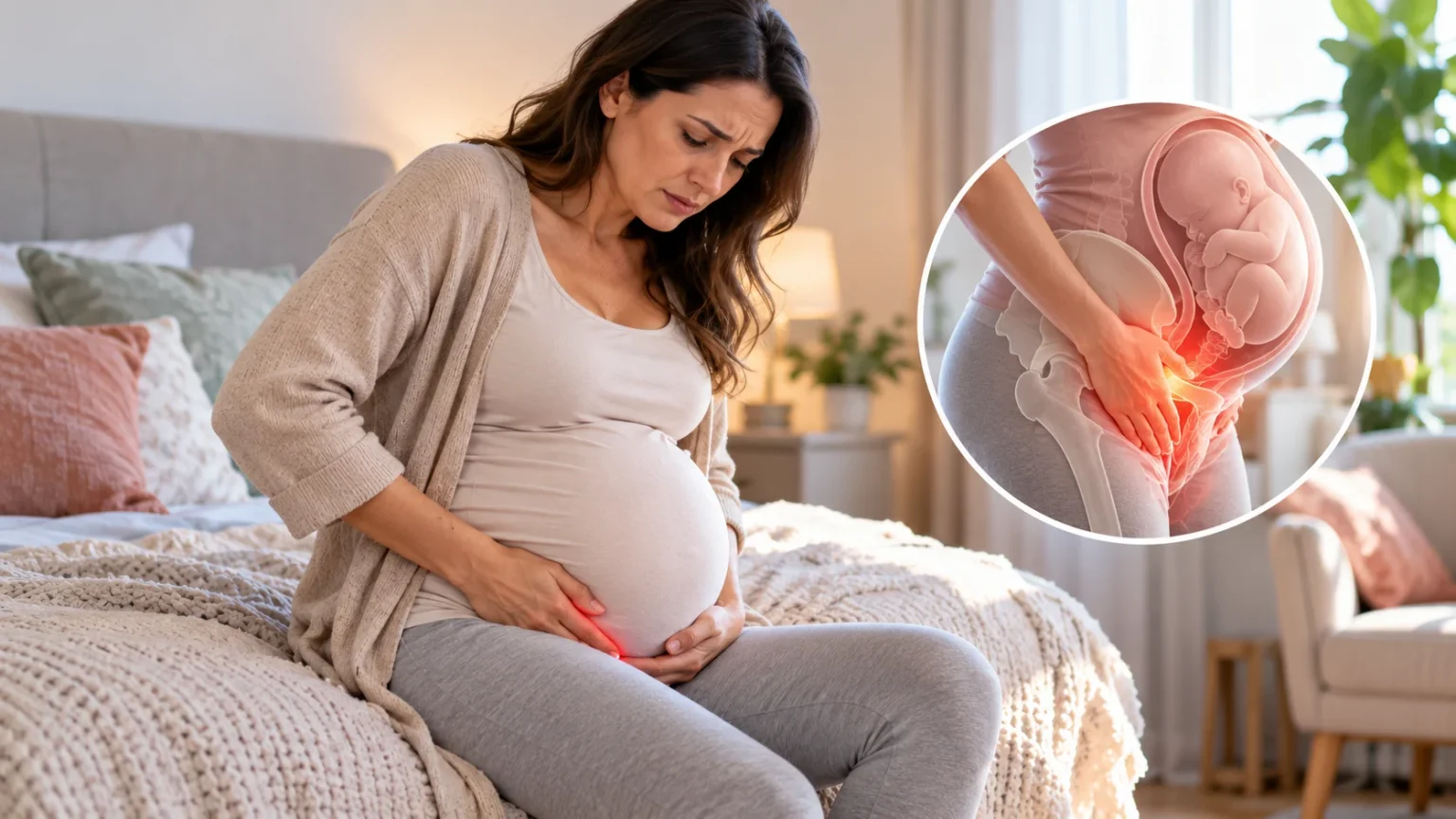

Is Vaginal Pain During Pregnancy Normal?
Vaginal pain during pregnancy can feel worrying, especially when it appears suddenly or changes as pregnancy progresses. Some people describe the sensation as pressure, aching, heaviness, sharp stabbing pain, or brief electric-like jolts. Many causes are related to normal physical changes, including increased blood flow, hormonal shifts, pelvic pressure, and the growing uterus placing additional strain on surrounding tissues.
The location and pattern of discomfort can vary significantly. Some pregnant people notice pain while walking, standing, changing position, having sex, or getting out of bed, while others experience symptoms without an obvious trigger. Mild discomfort that comes and goes may be related to pregnancy changes, but persistent, severe, or worsening vaginal pain deserves medical attention.
It is important not to assume every symptom is simply part of pregnancy. Infections, pelvic conditions, cervical changes, or pregnancy complications can occasionally cause similar discomfort. Paying attention to associated symptoms such as bleeding, fever, urinary problems, contractions, fluid leakage, or unusual discharge helps determine when professional assessment may be needed.
Increased Pelvic Pressure as Pregnancy Progresses
As the uterus grows, increasing weight can place pressure on the pelvic muscles, ligaments, bladder, cervix, and vaginal area. This pressure often becomes more noticeable during the second and third trimesters as the baby gains weight. People may describe a sensation of heaviness or fullness low in the pelvis, especially after standing or walking for extended periods.
Pelvic pressure may become stronger later in pregnancy when the baby moves lower into the pelvis. This process can create additional pressure around the vagina, rectum, bladder, and pelvic floor. For some people, discomfort is most noticeable while climbing stairs, turning in bed, standing from a chair, or completing activities that place uneven stress on the pelvic region.
Resting, changing positions, avoiding prolonged standing, and supporting the abdomen may make mild pressure easier to manage. Comfortable footwear and slower movements can also reduce unnecessary strain. However, strong pelvic pressure accompanied by regular contractions, bleeding, back pain, or fluid leakage should be discussed promptly with a maternity care professional.
Lightning Crotch and Sudden Sharp Vaginal Pain
“Lightning crotch” is an informal term commonly used for sudden, sharp, shooting pain felt in the vagina, cervix, or deep pelvic area during pregnancy. The sensation may feel like an electric shock or quick stabbing pain and usually lasts only a few seconds. It is more commonly reported later in pregnancy as the baby grows and changes position.
These brief pains may occur when the baby’s movement puts temporary pressure on nerves around the cervix and pelvis. They can happen while sitting, walking, standing, or changing position and may appear without warning. Although uncomfortable, isolated short episodes without other concerning symptoms are often different from regular contractions or persistent pelvic pain.
Moving slowly, changing position, resting, and avoiding sudden movements may reduce how frequently these sensations occur. A maternity support garment may help some people when pelvic pressure contributes to discomfort. Pain that becomes rhythmic, increasingly intense, persistent, or associated with bleeding or fluid leakage should be assessed rather than assumed to be ordinary lightning crotch.
Pelvic Floor and Musculoskeletal Changes
Pregnancy changes how the body carries weight and maintains balance. As the abdomen grows, posture shifts and muscles around the pelvis, hips, lower back, and abdomen work differently to support the body. These changes can place extra strain on the pelvic floor and create pain that feels as though it is coming from the vaginal area.
Musculoskeletal discomfort may also affect other parts of the body because pregnancy alters posture and movement patterns. People experiencing broader postural discomfort may also notice symptoms such as upper back pain alongside pelvic or lower-body strain. Gentle posture adjustments and appropriate physical support can sometimes reduce discomfort caused by mechanical stress.
A pelvic health physiotherapist may be helpful when pain is linked to walking, movement, muscle tension, pelvic girdle discomfort, or difficulty with normal daily activities. Pregnancy exercises should be appropriate for the individual’s condition and stage of pregnancy. New exercise programs should be discussed with a prenatal healthcare professional, particularly when pain is significant or pregnancy complications are present.
Increased Blood Flow and Vulvar Varicosities
Pregnancy naturally increases blood volume and circulation throughout the body, including the pelvic region. This can make vaginal and vulvar tissues feel fuller, more sensitive, or mildly swollen. Hormonal changes can also affect blood vessels, sometimes contributing to heaviness, throbbing, tenderness, or discomfort around the vulva and vaginal opening.
Some pregnant people develop vulvar varicosities, which are enlarged veins around the vulva caused by increased blood flow and pressure on pelvic veins. They may appear as swollen, bluish, or raised veins and can cause aching, pressure, or discomfort after prolonged standing. Symptoms often become more noticeable later in the day or after physical activity.
Changing position regularly and avoiding long periods of standing may help reduce pressure on these veins. Some people find that lying on their side or using pregnancy-safe supportive garments makes symptoms more manageable. Sudden significant swelling, severe pain, redness, or unusual changes around the vulva should be evaluated by a healthcare professional.
Vaginal or Urinary Infections
Infections are another possible cause of vaginal pain during pregnancy and should not be ignored. Vaginal infections may cause soreness, burning, itching, irritation, unusual discharge, or discomfort around the vaginal opening. Because pregnancy changes the vaginal environment, some infections may become more common or produce symptoms that can easily be confused with normal pregnancy-related changes.
Urinary tract infections can also create discomfort that feels close to the vaginal or pelvic area. Symptoms may include burning during urination, frequent urges to urinate, pelvic discomfort, cloudy urine, or pain around the lower abdomen. Frequent urination alone is common during pregnancy, so burning, fever, strong pain, or other new urinary symptoms are particularly important to report.
Avoid using leftover antibiotics, antifungal medications, vaginal washes, or home remedies without professional guidance during pregnancy. The correct treatment depends on the specific cause, and similar symptoms can result from different conditions. A prenatal clinician can perform appropriate testing and recommend pregnancy-compatible treatment when an infection is confirmed.
Pain During Sex While Pregnant
Pain during sex can occur during pregnancy because hormonal changes and increased blood flow make vaginal and cervical tissues more sensitive. Changes in pelvic pressure, vaginal dryness, muscle tension, or certain sexual positions may also contribute. Mild temporary discomfort can sometimes improve by changing positions, using more gentle movement, or stopping when something feels uncomfortable.
Pregnancy should not require someone to continue sexual activity that causes pain. Open communication with a partner and avoiding positions that place uncomfortable pressure on the abdomen or pelvis can make intimacy more comfortable. A pregnancy-compatible lubricant may sometimes help with friction or dryness, but persistent pain should still be discussed with a healthcare professional.
Bleeding, fluid leakage, strong cramping, regular contractions, or significant pain after sex should not be ignored. Some people may also be advised to avoid intercourse because of specific pregnancy complications or individual medical circumstances. Follow guidance from the maternity care team rather than relying on general recommendations when restrictions have been given.
Safe Ways to Relieve Mild Vaginal Pain
For mild pregnancy-related discomfort, rest and position changes are often useful first steps. Lying on the side, sitting after prolonged standing, and avoiding activities that consistently worsen symptoms may reduce pressure on the pelvis. Gentle movement can still be beneficial, but activities should be adjusted if walking, lifting, or repeated bending clearly increases vaginal or pelvic pain.
Warm, not excessively hot, bathing may relax tense muscles and provide temporary comfort for some people. Supportive footwear and maternity support garments can also reduce strain by improving stability and distributing abdominal weight more comfortably. Any support garment should feel comfortable rather than excessively tight, and it should be stopped if it increases pressure, numbness, or discomfort.
Medication should be approached carefully during pregnancy. Acetaminophen is commonly used during pregnancy in appropriate situations, but medication decisions should still follow advice from a qualified healthcare professional who knows the pregnancy history. Avoid starting pain relievers, herbal remedies, supplements, or topical vaginal products simply because they are available without a prescription.
When Vaginal Pain Needs Medical Attention
Seek medical advice when vaginal pain is severe, persistent, rapidly worsening, or significantly interferes with normal activities. Pain accompanied by vaginal bleeding, fever, chills, unusual discharge, painful urination, or strong abdominal pain may require prompt assessment. These symptoms can have several possible causes, and only an appropriate clinical evaluation can determine what is happening.
Later in pregnancy, contact the maternity care team promptly if vaginal or pelvic pressure occurs with regular tightening, contractions, lower back cramps, or leaking fluid. These symptoms may need evaluation for labor or other pregnancy concerns, particularly when they occur before the expected delivery period. A sudden major change from usual pregnancy sensations is also worth reporting.
During early pregnancy, severe one-sided pelvic or abdominal pain, dizziness, fainting, shoulder-tip pain, or significant bleeding needs urgent medical assessment. Pregnancy-related emergencies cannot be identified reliably through symptoms alone. When pain feels intense, unusual, or frightening, seeking timely professional care is safer than waiting for the symptom to disappear by itself.
How to Reduce Pelvic Discomfort in Daily Life
Small adjustments to daily routines can reduce unnecessary pressure on the pelvis. Avoid standing in one position for long periods, take regular breaks, and change position gradually when getting up from bed or a chair. Keeping both legs relatively aligned when getting in or out of a car may also feel more comfortable for people experiencing pelvic girdle or pubic-area pain.
Sleep positioning can also affect pelvic comfort. Many pregnant people find side sleeping more comfortable as pregnancy advances, and placing a pillow between the knees may reduce strain around the hips and pelvis. A pillow supporting the abdomen can provide additional comfort, although the most suitable position depends on pregnancy stage, personal comfort, and clinical advice.
Keep track of when pain occurs, how long it lasts, and which activities make it better or worse. This information can make conversations with a prenatal healthcare professional more useful and help distinguish movement-related discomfort from symptoms requiring additional investigation. Do not push through pain simply because pelvic discomfort is sometimes considered common during pregnancy.
Conclusion
Vaginal pain during pregnancy can have several causes, ranging from normal pelvic pressure and nerve sensations to muscle strain, increased blood flow, infections, or other conditions requiring medical attention. The pattern, intensity, timing, and associated symptoms provide important clues. Mild occasional discomfort may be manageable, but every pregnancy is different and persistent symptoms should be taken seriously.
Simple measures such as resting, changing position, reducing prolonged standing, using appropriate support, and modifying activities may help with mild pregnancy-related discomfort. Medication and vaginal treatments should be used only with appropriate professional guidance. When symptoms repeatedly interfere with movement or daily activities, prenatal care providers or pelvic health professionals can help identify suitable management options.
Most importantly, severe pain should not automatically be dismissed as a normal part of pregnancy. Bleeding, fluid leakage, regular contractions, fever, urinary symptoms, fainting, significant abdominal pain, or other sudden changes require timely medical advice. Paying attention to your body’s signals and communicating changes to your maternity care team supports safer pregnancy care.
FAQs About Vaginal Pain During Pregnancy
Is sharp vaginal pain normal during pregnancy?
Brief sharp pains can occur because of pelvic pressure, nerve irritation, or the baby’s movement, particularly later in pregnancy. Persistent, severe, rhythmic, or worsening pain should be discussed with a maternity healthcare professional.
What does lightning crotch feel like?
Lightning crotch usually feels like a sudden electric shock, stabbing sensation, or shooting pain deep in the vagina or cervix. Episodes are often brief, but concerning associated symptoms should still be medically assessed.
Can pelvic pressure cause vaginal pain during pregnancy?
Yes. The growing uterus, baby’s weight, and changes in pelvic muscles can increase pressure around the vagina and pelvis. Pressure that becomes severe or occurs with contractions, bleeding, or fluid leakage needs prompt medical attention.
How can I safely relieve vaginal pressure during pregnancy?
Resting, changing position, limiting prolonged standing, gentle movement, supportive footwear, and pregnancy support garments may help mild pressure. Ask your prenatal healthcare professional before using medicines, supplements, or treatments for persistent pain.
When should I worry about vaginal pain while pregnant?
Seek medical advice for severe or persistent pain, bleeding, fever, leaking fluid, regular contractions, painful urination, unusual discharge, fainting, or significant abdominal pain. Sudden symptoms that feel different from usual pregnancy discomfort also deserve assessment.



