
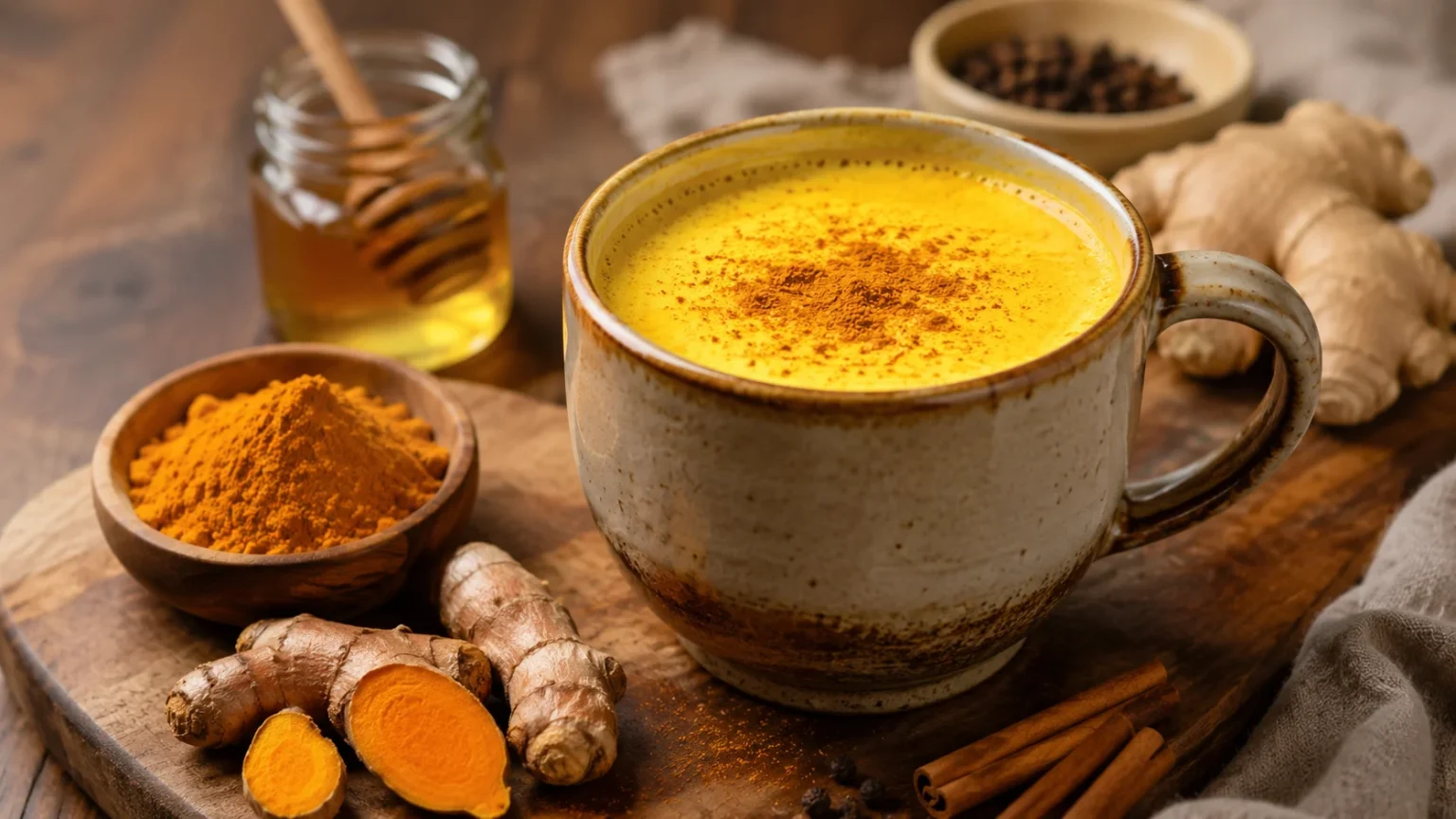

Golden Milk: Benefits, Recipe and Possible Side Effects
Golden milk is a warm drink traditionally made by combining milk with turmeric and other spices such as ginger, cinnamon, and black pepper. The bright yellow or golden color comes mainly from turmeric, a spice made from the underground stem of the Curcuma longa plant. Although recipes vary widely, many versions use dairy milk or a plant-based alternative and may include a small amount of honey or another sweetener. Golden milk has become popular as a comforting wellness drink because turmeric contains compounds known as curcuminoids, including curcumin. However, the health effects of drinking golden milk should be distinguished from stronger claims made about concentrated turmeric or curcumin supplements.
Turmeric has a long history of culinary use and has also been used in several traditional medicine systems. Curcumin is one of the best-known components of turmeric and is responsible for much of its characteristic yellow color. Laboratory studies have generated interest in curcumin because it has demonstrated antioxidant and anti-inflammatory activity under experimental conditions. Human research, however, is much less definitive, and the National Center for Complementary and Integrative Health states that there is currently not enough evidence to conclusively establish turmeric or curcumin as beneficial for most health conditions. Golden milk is therefore better viewed as a nutritious beverage than as a treatment for disease.
Traditional golden milk recipes differ from the highly concentrated curcumin supplements commonly studied in clinical research. A teaspoon of culinary turmeric contains a mixture of plant compounds and considerably less curcumin than many supplement capsules. This difference matters because results from studies using standardized curcumin extracts cannot automatically be applied to a homemade turmeric drink. The amount consumed, preparation method, absorption, and other ingredients can all influence biological effects. People should therefore be cautious when they see claims suggesting that one cup of golden milk provides the same benefits as a specific curcumin supplement used in a research study.
Golden milk can still fit naturally into a healthy diet because the drink may provide nutrients from its milk base along with small quantities of spices. Dairy milk can provide protein, calcium, vitamin B12, phosphorus, and other nutrients, while fortified plant milks may offer calcium, vitamin D, or additional vitamins depending on the product. Ginger, cinnamon, and turmeric add flavor without requiring large amounts of sugar. The nutritional profile depends heavily on the recipe, so a heavily sweetened café-style golden latte can be very different from an unsweetened homemade version. Looking at the entire recipe is more useful than focusing only on turmeric.
For most healthy adults, culinary amounts of turmeric used in food and beverages are generally easier to tolerate than high-dose supplements. Golden milk can be enjoyed because of its flavor, warmth, and nutritional value without expecting it to cure inflammation, arthritis, digestive disease, infection, or other medical conditions. Its popularity has sometimes encouraged exaggerated health claims that extend beyond current scientific evidence. A balanced approach recognizes that turmeric contains biologically active compounds while also acknowledging that research remains incomplete. Golden milk works best as part of a varied diet rather than as a substitute for appropriate medical care.
What Are the Potential Benefits of Golden Milk?
One possible benefit of golden milk is that it provides turmeric in an easy-to-consume culinary form. Curcumin and related turmeric compounds have been studied for possible anti-inflammatory effects, especially in conditions involving joint discomfort. Some systematic reviews have reported encouraging findings for curcumin preparations in people with knee osteoarthritis, including possible improvements in pain and function. However, study formulations and doses vary considerably, and NCCIH emphasizes that better-quality evidence is still needed before strong conclusions can be made. Drinking golden milk should therefore not be presented as an established treatment for arthritis or chronic inflammatory disease.
Turmeric also contains compounds that have demonstrated antioxidant activity in laboratory research. Antioxidants help interact with reactive molecules known as free radicals, but the way antioxidant compounds behave inside the human body is more complex than laboratory experiments may suggest. Eating a varied diet rich in vegetables, fruits, whole grains, legumes, nuts, and spices provides many different plant compounds rather than relying on one ingredient. Golden milk can contribute to that variety when it replaces a heavily sweetened beverage. However, claims that it “detoxifies” the body or dramatically prevents disease are not supported simply because turmeric contains antioxidant compounds.
The milk used in the recipe can provide some of the most predictable nutritional benefits. Dairy milk offers high-quality protein and important minerals, while fortified soy milk can provide a similar protein content along with added calcium and vitamins. Almond, oat, coconut, and other plant milks vary widely in protein, sugar, calories, and micronutrient fortification. Choosing an unsweetened fortified option can make golden milk a more nutrient-dense drink without adding excessive sugar. People with lactose intolerance can use lactose-free dairy milk or an appropriate plant alternative depending on their dietary needs.
Golden milk may also serve as a calming evening routine for people who enjoy warm drinks, although this is different from proving that turmeric directly improves sleep. A caffeine-free beverage can be a practical replacement for coffee, energy drinks, or strongly caffeinated tea later in the day. Creating a consistent nighttime routine can help some people prepare mentally for sleep, particularly when the routine also includes reducing bright screens and allowing enough time to unwind. The benefit in this situation may come from the overall habit rather than a unique sedative property of golden milk. Evidence supporting turmeric specifically as a sleep treatment remains limited.
Another practical benefit is that golden milk can make flavorful eating easier without depending heavily on salt, artificial flavoring, or excessive sweeteners. Ginger adds warmth, cinnamon contributes natural sweetness and aroma, and turmeric creates an earthy flavor and distinctive color. People can adjust the recipe to suit their preferences while controlling how much sugar is added. This makes homemade golden milk more customizable than many commercially prepared wellness drinks. The strongest evidence-based reason to drink it is therefore simple: it can be an enjoyable, minimally processed beverage containing nutritious ingredients, with possible additional benefits from turmeric that remain under investigation.
Can Golden Milk Help With Inflammation and Joint Pain?
Inflammation is part of the body’s normal immune response and plays an essential role in healing injuries and fighting infections. Chronic or inappropriate inflammation can contribute to many diseases, which is one reason turmeric and curcumin have attracted substantial scientific interest. Laboratory studies suggest curcumin can influence several pathways involved in inflammatory signaling. However, effects observed in cells or animals do not automatically translate into clinically meaningful benefits in humans. NCCIH notes that although preliminary findings are promising in some areas, evidence remains insufficient to support turmeric supplementation broadly for inflammatory disorders.
Osteoarthritis is one area where curcumin has been studied more extensively than many other conditions. Reviews of clinical studies have reported possible reductions in knee pain and stiffness among some people using oral turmeric or curcumin preparations. Researchers are still uncertain about optimal doses, formulations, duration, and the influence of enhanced absorption products. NCCIH describes the initial evidence as positive but emphasizes that higher-quality research is needed before definitive conclusions can be reached. These findings relate mainly to concentrated products and should not be interpreted as proof that ordinary golden milk will produce the same effects.
The amount of curcumin absorbed from a typical culinary serving of turmeric is relatively limited. Curcumin naturally has low oral bioavailability, meaning only a small portion may reach circulation after digestion. This is why some supplements use special formulations or ingredients such as piperine from black pepper to increase absorption. NCCIH confirms that piperine can improve curcumin bioavailability, but highly bioavailable curcumin formulations have also been associated with reported cases of liver injury. Adding a pinch of black pepper to food is different from taking concentrated enhanced-bioavailability supplements, so the two should not be treated as equivalent exposures.
People with chronic joint pain should avoid replacing established treatments with golden milk based solely on online testimonials. Persistent joint pain can result from osteoarthritis, rheumatoid arthritis, injuries, gout, infections, or many other conditions requiring different treatment approaches. Nutrition may complement medical care, but an anti-inflammatory diet is broader than one spice or beverage. Maintaining a healthy weight when appropriate, staying physically active, following recommended rehabilitation, sleeping adequately, and managing underlying medical conditions can all influence joint health. Golden milk may be included within that broader approach if it is well tolerated.
A realistic way to discuss golden milk and inflammation is to separate biological plausibility from proven clinical treatment. Turmeric contains compounds with anti-inflammatory activity, and concentrated curcumin products have shown promising results in some studies. That does not prove that drinking a cup of golden milk will substantially reduce inflammation or treat inflammatory disease. People can enjoy the drink while maintaining reasonable expectations about what it can and cannot accomplish. This evidence-based approach allows turmeric to remain part of a healthy diet without turning a culinary ingredient into an unproven medical promise.
Can Golden Milk Support Digestion?
Golden milk is sometimes promoted as a digestive remedy because turmeric and ginger have long histories of use in traditional food and wellness practices. Ginger in particular has been studied for nausea in several situations, although evidence and recommended approaches differ depending on the cause. Turmeric has historically been used for digestive complaints as well, but historical use is not the same as modern clinical proof. A warm drink may feel soothing after meals for some people simply because it is pleasant and easy to sip. Individual responses vary substantially, and golden milk should not be expected to treat persistent digestive symptoms.
Ginger is frequently included in golden milk recipes and provides a sharp, warming flavor that pairs naturally with turmeric. Small culinary amounts are generally well tolerated by many people, while larger amounts can cause heartburn, abdominal discomfort, or irritation in some individuals. People with reflux may find heavily spiced drinks uncomfortable, particularly if consumed shortly before lying down. Others may tolerate ginger well and prefer it to sweeter flavorings. Adjusting the quantity gradually can help determine whether the beverage feels comfortable for your digestive system.
Turmeric itself can cause gastrointestinal side effects in some people, especially when consumed in concentrated supplement doses. NCCIH lists nausea, vomiting, acid reflux, stomach upset, diarrhea, and constipation among possible adverse effects of oral turmeric or curcumin. Culinary quantities used occasionally in food are generally less concentrated, but sensitive individuals may still notice symptoms. If golden milk consistently causes heartburn, stomach cramps, diarrhea, or nausea, reducing the turmeric or stopping the drink is more sensible than assuming discomfort is part of a supposed “detoxification” process.
The type of milk can also determine whether golden milk helps or worsens digestive comfort. Someone with lactose intolerance may experience bloating, gas, diarrhea, or abdominal discomfort after drinking regular dairy milk. Using lactose-free milk or a suitable plant-based option may solve the problem when lactose is responsible. Plant milks can contain thickeners, added sugars, or other ingredients that some people tolerate differently, so checking labels can be useful. People with confirmed food allergies should obviously avoid any milk alternative containing the relevant allergen.
Persistent digestive problems should not be managed solely with golden milk because symptoms such as ongoing abdominal pain, unexplained weight loss, blood in stool, repeated vomiting, difficulty swallowing, or significant changes in bowel habits deserve professional evaluation. A comforting drink can be part of a normal diet, but it cannot identify the cause of gastrointestinal disease. Even persistent reflux may require changes beyond simply choosing different spices. Golden milk is best used as food rather than as a diagnostic or therapeutic substitute. If it feels good and fits your diet, enjoy it; if it repeatedly triggers symptoms, there is no health requirement to keep drinking it.
How to Make Golden Milk at Home
A simple golden milk recipe begins with one cup of milk or an unsweetened fortified plant-based alternative. Add approximately half to one teaspoon of ground turmeric, depending on how strongly you enjoy its earthy flavor. A small amount of ground ginger or freshly grated ginger can add warmth, while a pinch of cinnamon contributes aroma and mild sweetness. Some people add a small pinch of black pepper, which pairs traditionally with turmeric and may increase curcumin absorption. Sweetener is optional, and starting with little or none helps prevent a healthy-looking beverage from becoming a major source of added sugar.
To prepare the drink, pour the milk into a small saucepan and warm it over low to medium heat. Add the turmeric, ginger, cinnamon, and black pepper, then whisk gently until the spices are evenly distributed. Heat the mixture until it becomes comfortably hot but avoid prolonged vigorous boiling, particularly with dairy milk, which can scorch or form a skin. Simmering gently for several minutes can help the spices infuse into the liquid. Remove the saucepan from the heat and allow the drink to cool slightly before tasting.
After heating, you can add a small amount of honey, maple syrup, or another preferred sweetener if the unsweetened version tastes too earthy. Adding sweetness after heating makes it easier to control the amount because you can taste before adding more. People who regularly consume sugary drinks can gradually reduce the sweetener as their palate adjusts to the spices. Vanilla extract can also add perceived sweetness without requiring much sugar. A small amount of fat naturally present in milk or added through the chosen plant milk may help create a smoother texture.
Fresh turmeric can be used instead of powdered turmeric when available. Peel and finely grate a small piece of turmeric root, then simmer it in the milk before straining the drink. Fresh ginger can be handled similarly and often produces a brighter flavor than powdered ginger. Be aware that turmeric can stain countertops, utensils, clothing, and some porous surfaces because its pigments are extremely strong. Using dedicated kitchen tools or rinsing equipment promptly can make cleanup easier.
A balanced starting recipe is one cup of milk, half a teaspoon of turmeric, one-quarter teaspoon of cinnamon, a small pinch of ginger, and an optional tiny pinch of black pepper. Adjust the ingredients according to taste rather than assuming that using more turmeric automatically creates more health benefits. Larger amounts can make the drink bitter and may increase digestive discomfort in sensitive people. Golden milk can be consumed warm in the evening or chilled and served over ice. The best recipe is ultimately one that tastes enjoyable, fits your nutritional needs, and does not rely on excessive amounts of spice or added sugar.
Why Black Pepper Is Often Added to Golden Milk
Black pepper is commonly included in golden milk because it contains piperine, a compound that can increase the absorption, or bioavailability, of curcumin. Curcumin on its own is poorly absorbed, rapidly metabolized, and quickly eliminated by the body. Research into supplements has therefore explored ways to increase the amount of curcumin reaching circulation. NCCIH notes that combining curcumin with piperine is one method used to improve bioavailability. This scientific finding has contributed to the widespread recommendation to add a small pinch of black pepper to turmeric-based foods and drinks.
Improved absorption does not automatically mean that more is always healthier. Bioavailability simply describes how much of a substance becomes available to the body, not whether the resulting exposure is clinically beneficial for a particular person. High concentrations can sometimes increase side effects or change the safety profile of a compound. NCCIH has specifically reported liver injury in some people who consumed highly bioavailable curcumin formulations. This safety concern is associated primarily with concentrated products rather than ordinary culinary use, but it illustrates why aggressively maximizing absorption should not become a wellness goal by itself.
A pinch of black pepper used in a cup of golden milk is very different from a standardized piperine extract used in a supplement. Culinary quantities are smaller and form part of an ordinary food matrix containing milk, fat, protein, and other ingredients. People should therefore avoid assuming that every safety concern from concentrated supplements applies equally to a normal recipe. At the same time, adding several supplement capsules to golden milk dramatically changes what the drink contains. The safest distinction is between cooking with turmeric and taking pharmacologically concentrated products marketed for enhanced absorption.
Piperine can also influence how certain substances are metabolized, which is one reason concentrated black pepper extracts may deserve more attention in people taking medications. Herbal products and medicines can interact by changing absorption or metabolism, and NCCIH advises people taking medicines to discuss herbal products with healthcare professionals. A culinary pinch of black pepper is unlikely to resemble a high-dose extract, but someone using concentrated turmeric and piperine supplements should be more cautious. Medication interactions become increasingly relevant as doses rise beyond normal food use.
You do not have to add black pepper to golden milk if you dislike its flavor or if a clinician has advised you to avoid it. Golden milk remains a turmeric-spiced beverage even without pepper. The goal should be creating an enjoyable recipe rather than manipulating every ingredient for maximum absorption. Small culinary amounts of turmeric can simply be appreciated as part of a varied diet. When people move from cooking into concentrated extracts, supplement combinations, or therapeutic dosing, professional guidance becomes much more important.
Possible Side Effects of Golden Milk
Golden milk is generally well tolerated when prepared with ordinary culinary amounts of turmeric and spices, but side effects are still possible. Turmeric and curcumin can cause stomach upset, nausea, reflux, diarrhea, constipation, or vomiting in some people. NCCIH identifies these gastrointestinal effects among the known adverse reactions to oral turmeric products. Someone who already experiences frequent heartburn may notice that spicy golden milk worsens symptoms, particularly when consumed immediately before bed. Starting with a smaller amount of turmeric can help determine individual tolerance.
Ginger and cinnamon can also cause irritation when consumed in larger quantities, although normal culinary amounts are typically well tolerated. Too much ginger may worsen heartburn or stomach discomfort in susceptible people. Strong cinnamon flavoring can irritate the mouth or digestive tract when excessive amounts are used regularly. The idea that natural ingredients cannot cause adverse effects is incorrect because plants contain biologically active compounds. More spice does not necessarily create a healthier drink, and moderate culinary amounts are usually the more practical choice.
The milk base can produce side effects when it does not match a person’s dietary tolerance. Lactose intolerance can cause bloating, gas, cramps, or diarrhea after consuming ordinary dairy milk. Cow’s milk allergy is different and can cause immune reactions that may be serious in affected individuals. Plant-based milks can contain allergens such as soy, almonds, cashews, or other ingredients depending on the product. Reading ingredient labels is particularly important when golden milk is prepared commercially rather than at home.
Added sugar is another consideration because golden milk recipes sometimes contain substantial amounts of honey, syrup, or sweetened plant milk. A beverage marketed as healthy can easily become high in added sugar if several sweeteners are combined. Frequent consumption of sugary drinks can add meaningful calories without providing the fullness associated with solid foods. Using unsweetened milk and adding only enough sweetener for taste can keep the drink more balanced. People managing diabetes or other conditions involving blood glucose should count the carbohydrates in the entire drink rather than assuming turmeric makes the beverage metabolically neutral.
The safety picture changes considerably when turmeric or curcumin supplements are added to golden milk. Concentrated products can deliver much larger amounts than culinary turmeric, and enhanced-bioavailability formulations have been linked with liver injury in some people. NCCIH advises stopping turmeric or curcumin products and seeking medical advice if symptoms such as unusual fatigue, nausea, poor appetite, dark urine, or jaundice develop. Ordinary food use is different from high-dose supplementation, so people should not casually transform a kitchen recipe into a concentrated supplement regimen.
Who Should Be Careful With Golden Milk?
People taking prescription or over-the-counter medications should distinguish ordinary culinary turmeric from concentrated herbal supplementation. Most people use turmeric safely as a food spice, but larger supplemental amounts may interact with medicines or affect underlying conditions. NCCIH advises anyone using medicines to discuss herbal products with a healthcare professional because harmful interactions are possible and information about many combinations remains incomplete. This is especially relevant when someone plans to use concentrated curcumin, turmeric extracts, or black pepper extracts rather than a modest amount of spice in food.
Anyone with significant liver disease should be particularly cautious about high-dose curcumin supplements because liver injury has been reported with some highly bioavailable formulations. Symptoms that could indicate liver injury include jaundice, dark urine, nausea, fatigue, and poor appetite. These reports do not mean that cooking with turmeric commonly damages the liver, and ordinary culinary use should not be confused with concentrated supplements. Nevertheless, people with existing liver problems should discuss regular high-dose herbal product use with their clinician instead of assuming that all turmeric products are harmless.
Pregnancy is another situation in which food amounts and supplement doses should be separated carefully. Using turmeric as a normal culinary spice is different from taking concentrated turmeric or curcumin supplements. NCCIH states that turmeric supplements during pregnancy may be unsafe and that little is known about the safety of amounts greater than those commonly found in foods while breastfeeding. Pregnant people who enjoy a normally spiced golden milk should still consider their overall diet and medical circumstances, while concentrated supplements should be discussed with an obstetric healthcare professional.
People with chronic digestive problems may also need to adjust or avoid golden milk if it worsens their symptoms. Turmeric, ginger, cinnamon, black pepper, and higher-fat milk can all aggravate reflux or stomach discomfort in susceptible individuals. A recipe containing several spices makes it difficult to know which ingredient is responsible when symptoms occur. Reducing ingredients one at a time can help identify the trigger. Persistent abdominal pain, repeated vomiting, blood in stool, or unexplained weight loss should be evaluated medically rather than treated by continually modifying a wellness beverage.
People with serious medical conditions should avoid using golden milk as a replacement for prescribed treatment. Turmeric has been promoted online for conditions ranging from arthritis to cancer, but evidence does not support replacing established care with golden milk or curcumin products. NCCIH notes that current evidence is insufficient to definitively conclude that turmeric or curcumin benefits most health conditions. Golden milk can be part of a healthy diet, but its safest role is culinary and supportive rather than therapeutic.
Is Golden Milk Healthy Enough to Drink Every Day?
For many healthy adults, a homemade golden milk made with moderate culinary quantities of turmeric can fit into a daily diet if it is well tolerated. Whether it is genuinely healthy depends on the full recipe rather than turmeric alone. A cup made with unsweetened milk, modest spices, and little added sugar has a very different nutritional profile from a café drink containing flavored syrup, sweetened milk, and whipped toppings. Frequency should therefore be considered alongside portion size, calories, protein, sugar, and individual dietary requirements. No beverage becomes automatically healthy simply because turmeric is included.
Daily golden milk can be a convenient way to obtain nutrients when the milk base is chosen carefully. Dairy or fortified soy milk may contribute meaningful protein and calcium, while some other plant milks contain much less protein. Fortification can provide vitamin D, vitamin B12, or additional nutrients, but amounts differ between products. People relying heavily on plant-based milk should read nutrition labels instead of assuming every alternative is nutritionally equivalent to dairy milk. Choosing an unsweetened fortified product can make a daily golden milk more nutritionally useful.
There is no established requirement to consume turmeric every day to receive health benefits. Human research has not identified a universally recommended culinary turmeric dose for preventing disease, and supplement studies use preparations that differ from homemade beverages. Drinking more golden milk is therefore not necessarily better. Some people may enjoy it several times per week, while others prefer occasional use. The appropriate amount is simply the amount that fits comfortably within a varied diet without causing side effects or displacing more nutritious foods.
Daily use also deserves reconsideration if you begin increasing turmeric far beyond normal culinary quantities because you believe larger amounts will provide stronger anti-inflammatory effects. High doses raise the likelihood of gastrointestinal side effects and may move the exposure closer to supplement use. Enhanced-bioavailability curcumin products require even more caution because cases of liver injury have been reported. Food does not need to be pushed toward therapeutic dosing to be worthwhile; nutritional benefits often come from dietary patterns maintained over time.
The best way to use golden milk regularly is as one enjoyable element within an overall balanced diet. Eat a variety of vegetables, fruits, whole grains, legumes, nuts, seeds, appropriate protein sources, and minimally processed foods rather than expecting one drink to provide comprehensive protection. Stay physically active, sleep adequately, and follow medical guidance for diagnosed conditions. Golden milk can add flavor and variety to that pattern without carrying unrealistic expectations. In this context, drinking it daily can be perfectly reasonable for many people, but it remains optional rather than essential for good health.
Golden Milk vs Turmeric Supplements
Golden milk and turmeric supplements may contain ingredients from the same plant, but they should not be treated as interchangeable. A homemade drink typically contains a fraction of the curcuminoids found in concentrated capsules or extracts. Supplements may be standardized to specific curcumin concentrations and may contain piperine, phospholipids, nanoparticles, or other technologies designed to increase absorption. NCCIH notes that oral curcumin products vary widely in composition and bioavailability, making studies difficult to compare. A culinary beverage is therefore generally a much lower-dose exposure than most therapeutic supplement products.
This difference can influence safety as well as potential effects. Normal food use has a long culinary history, whereas concentrated supplements deliver levels that may not normally be obtained from cooking. NCCIH reports that conventionally formulated turmeric or curcumin is likely safe in recommended amounts for periods of up to two or three months, but highly bioavailable products have been associated with liver injury in some consumers. This does not mean supplements are universally dangerous, but it shows why concentrated products deserve greater caution than using turmeric in a recipe.
Supplements are also regulated differently from prescription medicines. In the United States, dietary supplements generally do not receive FDA approval for effectiveness before they are sold, and manufacturers are responsible for evaluating product safety and labeling requirements. NCCIH highlights product interactions and contamination as important safety considerations with dietary supplements. Consumers should therefore avoid assuming that a supplement labeled “natural” or “clinically formulated” has been proven to work like an approved drug.
Golden milk offers fewer opportunities for extremely high curcumin exposure when prepared with ordinary kitchen spices. It also provides the nutritional components of the milk and other spices while encouraging a food-first approach. The disadvantage is that people hoping for effects similar to those reported in curcumin trials cannot assume a beverage provides the same dose or formulation. This is not necessarily a problem because most people do not need a therapeutic turmeric dose. Enjoying turmeric as food avoids turning every ingredient into a supplement.
Anyone considering turmeric supplements for persistent joint pain, digestive disease, metabolic conditions, or another medical problem should discuss the decision with a healthcare professional. That conversation is particularly important when taking medications, during pregnancy, or when liver disease or other significant health conditions are present. Golden milk generally requires much less medical consideration when it contains normal food amounts and no allergy or intolerance exists. Understanding this difference helps people enjoy turmeric without confusing a traditional beverage with concentrated medical-style supplementation.
How to Get the Most From Golden Milk Safely
Start with moderate quantities rather than creating an extremely concentrated turmeric drink. Half to one teaspoon of ground turmeric per cup is enough to provide strong color and flavor for most recipes. Increasing the amount substantially can make the drink bitter and may increase stomach upset without proving that the beverage provides greater health benefits. The same principle applies to ginger, cinnamon, and black pepper. Culinary moderation allows you to enjoy the spices while reducing the likelihood of irritation.
Choose the milk base according to your nutritional needs rather than simply following whichever version is trending online. People who consume dairy can use regular or lactose-free milk depending on tolerance. Those choosing plant milk can look for unsweetened fortified options and compare protein, calcium, vitamin D, and vitamin B12 on the nutrition label. Soy milk generally contains more protein than many nut or grain-based alternatives, although individual products vary. A thoughtful milk choice can contribute more predictable nutritional benefits than increasing the turmeric dose.
Keep added sugar modest, especially if golden milk becomes a daily habit. Honey and maple syrup are still sources of sugar even though they may be marketed as more natural alternatives to table sugar. Cinnamon and vanilla can add sweetness perception without requiring large amounts of syrup. Starting with an unsweetened recipe and adding only what is needed for taste makes portion control easier. This approach allows golden milk to remain closer to a nutritious beverage rather than becoming a dessert disguised as a wellness drink.
Pay attention to how your body responds after drinking it. Mild digestive discomfort that repeatedly appears after golden milk may indicate sensitivity to turmeric, ginger, pepper, dairy, or another ingredient. There is no evidence-based reason to continue drinking something that consistently makes you feel unwell simply because it is promoted as healthy. Try reducing the spices or changing the milk base, and stop if symptoms continue. Significant or persistent gastrointestinal symptoms should be evaluated independently rather than attributed automatically to dietary adjustment.
Most importantly, keep expectations realistic. Golden milk can be a flavorful, comforting way to include turmeric and other spices in your diet, and early research into curcumin remains scientifically interesting. Current evidence does not justify claiming that the drink cures inflammation, prevents cancer, detoxifies the liver, treats arthritis, or replaces medication. NCCIH continues to describe the evidence for many promoted turmeric benefits as insufficient or inconclusive. Enjoying golden milk for what it genuinely offers—taste, warmth, nutrients, and dietary variety—is both safer and more scientifically accurate.
Frequently Asked Questions About Golden Milk
What is golden milk made from?
Golden milk is usually made from dairy or plant-based milk, turmeric, ginger, cinnamon, and sometimes a small amount of black pepper. Honey, maple syrup, vanilla, or other flavorings may be added depending on the recipe.
Is golden milk actually good for you?
Golden milk can be a nutritious beverage when made with unsweetened milk and moderate amounts of spices. Turmeric contains curcumin and other bioactive compounds, but current research does not prove that golden milk itself can prevent or treat most diseases.
Can I drink golden milk every day?
Many healthy adults can drink a modestly spiced golden milk regularly if they tolerate it well. Keep added sugar reasonable and avoid turning the drink into a high-dose turmeric supplement without medical guidance.
What are the main side effects of golden milk?
Possible side effects include heartburn, nausea, stomach discomfort, diarrhea, or constipation, particularly when larger amounts of turmeric are used. The milk base can also cause symptoms in people with lactose intolerance or food allergies.
Who should avoid turmeric supplements?
Pregnant people and those taking medications or managing significant medical conditions should discuss concentrated turmeric or curcumin supplements with a healthcare professional. Highly bioavailable curcumin formulations have also been associated with reported liver injury, which makes supplement dosing different from ordinary culinary turmeric use.