
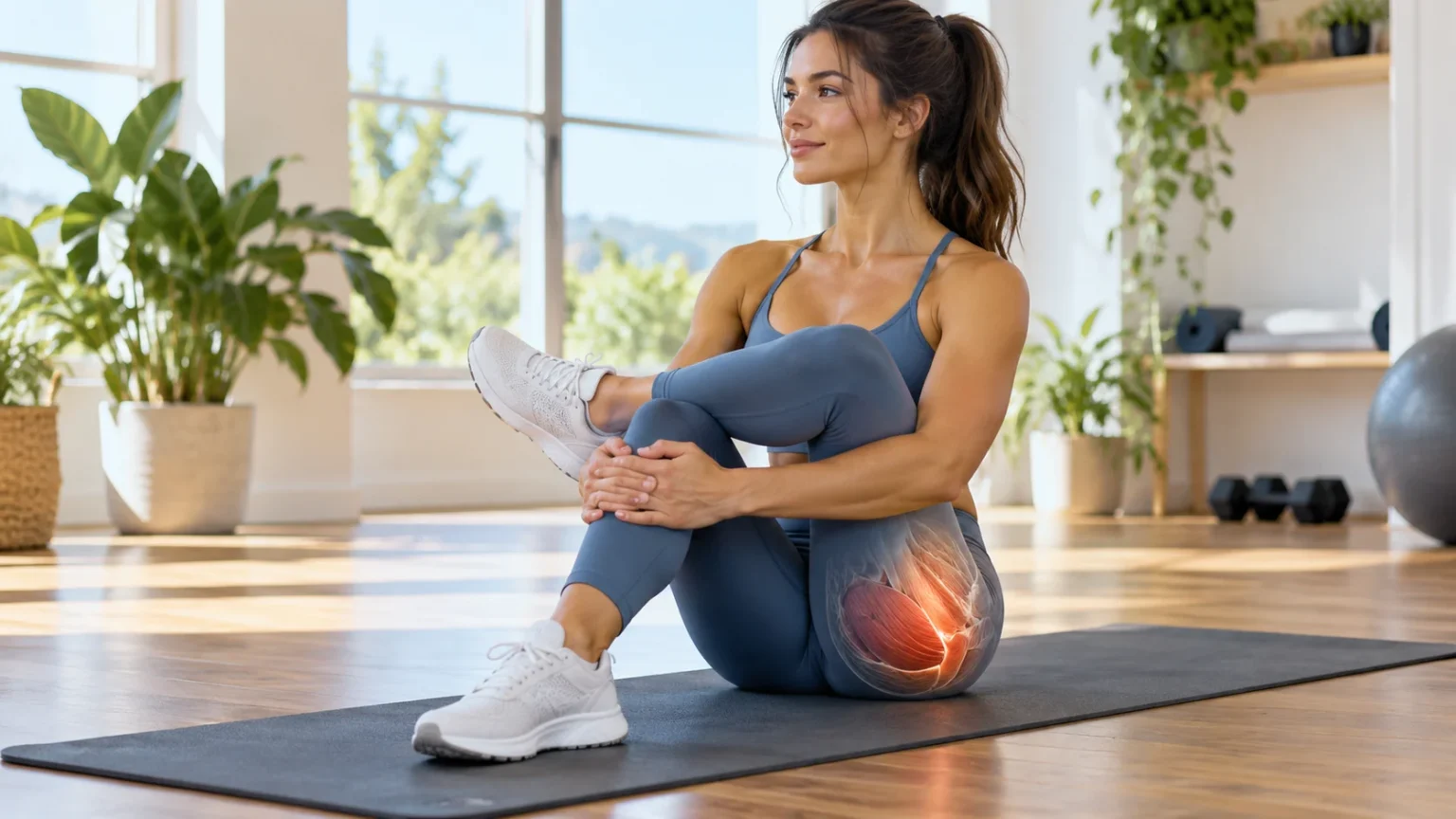

What Are Glute Stretches and Why Are They Important?
Learning how to stretch glutes properly can help improve hip mobility, reduce feelings of muscle tightness, and support comfortable everyday movement. Your gluteal muscles play an important role in walking, climbing stairs, running, and maintaining pelvic stability. When these muscles feel stiff after prolonged sitting or physical activity, gentle stretching may help restore a comfortable range of motion.
Glute stretches involve controlled movements that lengthen the muscles around your buttocks and hips. These exercises can be performed while sitting, standing, or lying on the floor, making them suitable for different fitness levels. Regular stretching can complement strength training, improve flexibility, and help you feel more comfortable during activities that involve bending or rotating your hips.
The key to effective glute stretching is using proper technique rather than forcing your body into uncomfortable positions. Slow movements, steady breathing, and appropriate stretching intensity can help you avoid unnecessary strain. Whether you are an athlete, office worker, or fitness beginner, understanding basic glute stretches can be a useful addition to your overall movement routine.
Understanding the Glute Muscles Before Stretching
The gluteal region contains three major muscles known as the gluteus maximus, gluteus medius, and gluteus minimus. Each muscle contributes to different hip movements and helps stabilize the pelvis during physical activities. Understanding their functions can help you choose stretches that target specific areas while supporting overall hip mobility and lower-body flexibility.
The gluteus maximus is the largest muscle in the group and primarily helps extend and externally rotate the hip. It becomes especially active during movements such as rising from a chair, climbing stairs, and performing squats. Stretching positions involving hip flexion may create a gentle stretching sensation through this muscle when performed with comfortable alignment.
The gluteus medius and gluteus minimus are located along the outer portions of your hips. They help control sideways leg movement and keep your pelvis stable while walking or balancing on one foot. Because glute flexibility involves several muscles and surrounding structures, incorporating different stretching positions can provide a more complete approach than relying on one movement.
Benefits of Stretching Your Glutes Regularly
One of the main benefits of glute stretching is maintaining or improving comfortable hip flexibility. Gentle stretching can help your muscles tolerate a greater range of motion over time, particularly when practiced consistently. This may make certain everyday movements, including bending, sitting, and changing positions, feel easier when muscle stiffness has been limiting your comfort.
Glute stretches may also provide temporary relief from feelings of tightness after extended periods of sitting or exercise. Remaining in one position for hours can make the hips feel uncomfortable, even when the muscles are not permanently shortened. Taking brief movement breaks and performing gentle stretches may improve comfort while encouraging healthier movement habits throughout the day.
Another advantage is improved body awareness during lower-body activities. Stretching encourages you to notice how your hips move and identify positions that feel restricted or uncomfortable. However, stretching alone does not guarantee better posture, prevent injuries, or eliminate pain, so it works best alongside strengthening exercises, regular movement, and adequate recovery.
How to Prepare Your Body for Glute Stretching
Before beginning a glute stretching routine, spend a few minutes performing comfortable, light movements. Walking around your room, gently marching in place, or moving your hips through a natural range can help prepare your body. Warming up is particularly useful before longer static stretches because warm muscles often feel more comfortable during controlled movements.
Choose a stable and comfortable surface where you can move without slipping or straining. An exercise mat may make floor stretches more pleasant, while a sturdy chair can provide support for seated movements. Wear clothing that allows your hips and knees to move freely, and keep enough space around you to change positions safely.
Pay attention to your current mobility and any discomfort you experience before starting. If you have an existing hip injury, recent surgery, or persistent unexplained pain, ask a qualified healthcare professional which stretches are appropriate. Begin with gentle positions rather than immediately attempting deep stretches, especially when your hips already feel sensitive.
How to Stretch Glutes With the Figure-Four Stretch
The figure-four stretch is a popular glute stretch that targets the muscles around your buttocks and outer hips. Begin by lying on your back with both knees bent and your feet resting flat on the floor. Cross your right ankle over your left thigh, positioning it just above the knee to create a figure-four shape.
Gently lift your left foot and bring your left thigh toward your chest while keeping your shoulders relaxed. Hold behind your left thigh rather than pulling directly on your knee, allowing your right hip to open comfortably. You should notice a mild stretching sensation through your right buttock without sharp pain or excessive pressure.
Maintain the position for approximately 15 to 30 seconds while breathing normally and keeping your head supported. Slowly release your legs, return both feet to the floor, and repeat the stretch on the opposite side. If lifting your supporting leg feels difficult, keep that foot grounded and gently maintain the crossed-leg position instead.
How to Perform the Seated Glute Stretch Correctly
A seated glute stretch is a convenient option for people who spend long periods working at a desk. Sit upright in a sturdy chair with both feet placed flat on the floor and your knees comfortably bent. Cross your right ankle over your left thigh, ensuring that the ankle rests above the knee rather than directly on it.
Keeping your spine comfortably long, slowly lean forward from your hips until you feel a gentle stretch in your right buttock. Avoid rounding your lower back excessively or pushing down forcefully on your raised knee. The amount of forward movement required depends on your individual flexibility, so a small lean may provide sufficient stretching.
Hold the stretch for 15 to 30 seconds while maintaining relaxed shoulders and steady breathing. Return to an upright position before switching legs and repeating the movement on your left side. This seated figure-four stretch works well during short movement breaks, especially when you want to loosen stiff hips without exercising on the floor.
How to Stretch Glutes With the Knee-to-Chest Exercise
The knee-to-chest stretch is a simple movement that can gently stretch the buttocks and surrounding hip muscles. Lie comfortably on your back with your knees bent and feet resting on the floor. Slowly bring your right knee toward your chest while keeping your opposite leg in a relaxed position that feels natural.
Place both hands behind your right thigh or around the front of your shin if comfortable. Gently draw the leg closer until you notice mild tension through your buttock or hip region. Avoid pulling aggressively or lifting your head and shoulders away from the floor, as these movements may create unnecessary neck or back strain.
Hold your position for approximately 15 to 30 seconds before slowly lowering your foot back to the floor. Repeat the stretch with your left leg, paying attention to differences in comfort between the two sides. You can keep the opposite knee bent throughout the movement if straightening that leg causes discomfort in your lower back.
How to Perform the Pigeon Pose Glute Stretch
Pigeon pose is a yoga-inspired stretching position that can create a strong sensation around the outer hips and glutes. Begin on your hands and knees, then bring your right knee forward toward your right wrist. Position your right shin at a comfortable angle in front of your body while extending your left leg backward.
Keep your hips supported and avoid forcing your front shin into a horizontal position. Depending on your flexibility, you may remain upright with your hands on the floor or lean slightly forward. A folded blanket or firm cushion beneath the front hip can provide additional support and make the position feel more manageable.
Hold the pose briefly while breathing steadily, then carefully return to your starting position and switch sides. Because pigeon pose places significant demands on hip mobility, it may not suit everyone, particularly people with certain knee or hip problems. The lying figure-four stretch provides a gentler alternative when pigeon pose feels uncomfortable or difficult to control.
How to Stretch Your Glutes While Standing
Standing glute stretches can be useful when you do not have access to a chair or exercise mat. One option is a supported standing figure-four position, performed near a stable countertop or railing. Stand on your left leg, bend your right knee, and carefully rest your right ankle across your left thigh.
Hold your support firmly and slowly bend your standing knee while moving your hips backward as though beginning a shallow squat. Keep your chest comfortably lifted and stop when you feel mild stretching through your right buttock. Avoid twisting your knee, forcing the crossed-leg position, or lowering yourself beyond your available balance and mobility.
Maintain the stretch for approximately 15 to 20 seconds before slowly returning to standing. Place both feet on the ground, reset your balance, and repeat on the other side. If standing on one leg feels unstable or places pressure on your knees, choose the seated figure-four stretch for a more supported option.
Best Glute Stretches for People Who Sit All Day
Extended sitting can contribute to feelings of stiffness around the hips, buttocks, and lower back. Although sitting does not automatically shorten your glute muscles, remaining in one position may reduce opportunities for comfortable movement. Incorporating short walking breaks and gentle glute stretches throughout the day can help counter feelings of prolonged inactivity.
The seated figure-four stretch is particularly convenient because it can be completed without leaving your workspace. Another useful approach is to stand up, walk for a few minutes, and gently move your hips through comfortable ranges. Alternating positions often provides more practical relief than trying to maintain one supposedly perfect sitting posture.
Consider taking regular movement breaks based on your schedule, comfort, and ability to change positions. During these breaks, combine gentle stretching with walking or standing instead of relying entirely on static holds. If sitting consistently causes pain, numbness, or symptoms extending into your legs, seek professional assessment rather than assuming tight glutes are responsible.
Glute Stretches for Runners and Active Individuals
Runners use their glute muscles repeatedly to control hip movement and support forward propulsion. After demanding training sessions, these muscles may feel fatigued or temporarily stiff, making gentle stretching appealing. Although stretching does not guarantee faster recovery or prevent soreness, it may help maintain comfortable movement when included in a sensible recovery routine.
A lying figure-four stretch or seated glute stretch can be performed after running when your body has cooled down gradually. Choose positions that allow you to relax without forcing deeper hip rotation. Hold each comfortable stretch briefly and avoid treating intense discomfort as evidence that the stretching exercise is working more effectively.
For athletes, glute flexibility should complement progressive strengthening, appropriate training loads, and adequate rest. Exercises such as hip bridges, lunges, and step-ups challenge the muscles in ways that static stretches cannot. Combining mobility work with strength training can support broader physical preparation while allowing individuals to address their specific movement requirements and training goals.
Dynamic vs. Static Glute Stretches: What’s the Difference?
Dynamic glute stretches involve controlled movements that take your hips through a comfortable range rather than holding one position. Examples include gentle standing hip circles, alternating knee lifts, and controlled hip rotations. These movements can be useful during warm-ups because they encourage movement while gradually preparing your muscles for more demanding activities.
Static glute stretches involve maintaining a comfortable position for a short period, typically around 15 to 30 seconds. The figure-four stretch, seated glute stretch, and knee-to-chest stretch are common examples. Static stretching can help improve flexibility over time, particularly when practiced regularly without forcing the joints beyond their comfortable limits.
Choosing between dynamic and static stretching depends on your goals and workout timing. Dynamic movements often fit well before exercise, while longer static holds are commonly used after activity or during dedicated flexibility sessions. Both approaches can be valuable, but neither replaces progressive strength training or guarantees protection against exercise-related injuries.
Common Mistakes to Avoid When Stretching Your Glutes
One common glute stretching mistake is pulling or pushing too aggressively to achieve a deeper position. Strong pressure may irritate sensitive muscles or joints without providing additional benefits. Instead, move gradually until you notice a mild, comfortable stretching sensation, and remember that flexibility improvements generally develop through consistent practice rather than forceful stretching.
Another mistake involves holding your breath or creating excessive tension through your shoulders, neck, and lower back. When your body becomes unnecessarily tense, it can be harder to maintain a comfortable position. Focus on natural breathing, relaxed upper-body positioning, and controlled movements that allow you to adjust the stretch whenever necessary.
Some people also assume that every feeling of buttock discomfort results from tight glute muscles. However, hip conditions, lower-back problems, and nerve irritation can sometimes create similar symptoms. If stretching consistently increases pain, produces tingling, or causes discomfort traveling down your leg, stop the movement and seek appropriate professional advice.
How Long Should You Hold a Glute Stretch?
The ideal stretching duration depends on your comfort, flexibility, and reason for performing the exercise. Many beginners find that holding a gentle static glute stretch for approximately 15 to 30 seconds is manageable. This provides an opportunity to maintain a controlled position without placing unnecessary emphasis on achieving the longest possible hold.
You may repeat each stretch two or three times per side if the movement remains comfortable. Rather than forcing additional seconds, pay attention to whether you can maintain normal breathing and relaxed positioning throughout each repetition. If the stretching sensation becomes painful or your technique deteriorates, release the position sooner and adjust your range.
Consistency is generally more useful than occasionally performing unusually long stretching sessions. Several short, comfortable flexibility sessions throughout the week can support gradual improvements in hip movement. Individuals with specific rehabilitation goals should follow personalized recommendations regarding stretching duration, intensity, and frequency instead of relying entirely on general exercise guidelines.
How Often Should You Stretch Your Glutes?
How often you stretch your glutes depends on your activity level, personal comfort, and current mobility goals. Gentle stretches can be included on several days each week or after activities that leave your hips feeling stiff. The most effective schedule is one you can maintain consistently without creating soreness or repeatedly irritating sensitive areas.
If you are beginning a flexibility routine, start with a few comfortable sessions per week and evaluate your response. You might include two or three glute stretches during each session, holding them briefly on both sides. Increase your stretching routine gradually as you become more familiar with the positions and understand how your body responds.
Daily glute stretching may be comfortable for some individuals, provided the movements remain gentle and do not aggravate symptoms. However, stretching more frequently does not necessarily produce better results for everyone. A balanced approach that includes regular walking, hip strengthening, movement variety, and recovery is more useful than relying on stretching alone.
How to Combine Glute Stretching With Strength Exercises
Glute stretching and strengthening exercises serve different purposes but can work together within a balanced fitness program. Stretching focuses primarily on maintaining or improving comfortable movement, while strengthening helps muscles generate and control force. Combining both approaches can support hip function during everyday activities, exercise, and recreational movement.
A simple routine might begin with gentle walking and dynamic hip movements before progressing to strength exercises. Glute bridges, clamshells, step-ups, and controlled squats can challenge different muscles surrounding the hips. After completing the main workout, you can add comfortable static glute stretches as part of a dedicated flexibility session.
Adjust the routine according to your experience, available time, and current physical abilities. Beginners may benefit from learning a few movements thoroughly instead of attempting numerous complicated exercises during one session. If you are recovering from an injury, a physiotherapist can help determine when stretching, strengthening, or other rehabilitation activities should receive priority.
How to Know If Your Glute Stretching Technique Is Correct
Proper glute stretching technique should create a mild pulling sensation around the intended hip or buttock muscles without sharp pain. The precise location of the sensation may vary depending on the stretch and individual anatomy. You should be able to breathe comfortably, maintain reasonable control, and leave the position without sudden or difficult movements.
Pay attention to the alignment of your hips, knees, and lower back during each stretch. In figure-four positions, avoid forcing pressure directly through the crossed knee or aggressively twisting your pelvis. Comfortable positioning is more important than matching the appearance of a demonstration because individual hip structure and available mobility differ.
A useful way to assess your technique is to notice whether the stretch feels controlled from beginning to end. You should be able to adjust the intensity by making small changes in positioning rather than relying on force. If you consistently experience joint pressure, unusual symptoms, or uncertainty about your form, professional guidance may be helpful.
When Should You Avoid Glute Stretches or Seek Medical Advice?
Glute stretches are generally low-impact, but certain injuries and medical conditions require additional caution. People recovering from hip replacement surgery, experiencing an acute muscle injury, or following movement restrictions should consult their healthcare team before attempting unfamiliar positions. Some stretches may involve hip angles that are inappropriate during particular stages of recovery.
Stop stretching if you experience sharp pain, worsening discomfort, numbness, or tingling that extends into your leg. These symptoms may indicate irritation involving structures other than the glute muscles. Persistent buttock pain should not automatically be treated as a flexibility problem, especially when symptoms affect walking, sleeping, or normal daily activities.
Seek prompt medical assessment for significant pain following an injury, difficulty bearing weight, or new weakness. Emergency evaluation is particularly important if back or buttock symptoms occur alongside new bladder or bowel control problems or numbness around the groin. Identifying the underlying cause helps determine whether stretching is appropriate or another treatment approach is needed.
Conclusion
Learning how to stretch glutes effectively begins with understanding your hip muscles and choosing comfortable movements that match your flexibility. The figure-four stretch, seated glute stretch, and knee-to-chest stretch offer accessible options for many people. Practicing these exercises with controlled positioning can support hip mobility and reduce feelings of everyday muscle stiffness.
For the best results, warm up gently, breathe naturally, and avoid pushing into painful positions. Start with manageable holds and gradually build a consistent stretching routine that fits your lifestyle. Remember that a deeper stretch is not necessarily more effective, and comfortable movement should remain your priority throughout every session.
Glute stretches can be a valuable addition to your fitness routine when combined with regular activity and appropriate strengthening exercises. Whether you spend long hours sitting or participate in recreational sports, maintaining comfortable hip movement can support everyday function. If pain persists or stretching worsens your symptoms, seek professional guidance before continuing.
Frequently Asked Questions (FAQs)
1. What is the easiest way to stretch your glutes?
The lying figure-four stretch is an accessible option for many beginners. Lie on your back, cross one ankle over the opposite thigh, and gently draw the supporting leg toward your chest without causing pain.
2. How long should I hold a glute stretch?
Most beginners can start by holding a comfortable static glute stretch for approximately 15 to 30 seconds. Repeat as tolerated while maintaining normal breathing, relaxed muscles, and controlled positioning throughout the movement.
3. Can stretching glutes help with lower-back pain?
Glute stretching may improve comfort when hip stiffness contributes to restricted movement, but it does not treat every cause of lower-back pain. Persistent or worsening symptoms should be evaluated by a qualified healthcare professional.
4. Is it good to stretch your glutes every day?
Gentle daily glute stretching may be suitable when it feels comfortable and does not aggravate existing symptoms. However, daily stretching is not essential for everyone, and consistency alongside strength training is more important.
5. Should I stretch my glutes before or after a workout?
Controlled dynamic hip movements are often useful before exercise, while static glute stretches fit well after workouts or during separate flexibility sessions. Choose an approach that suits your activity and feels comfortable.



