

Over Stimulated Meaning: Signs, Causes & What to Do
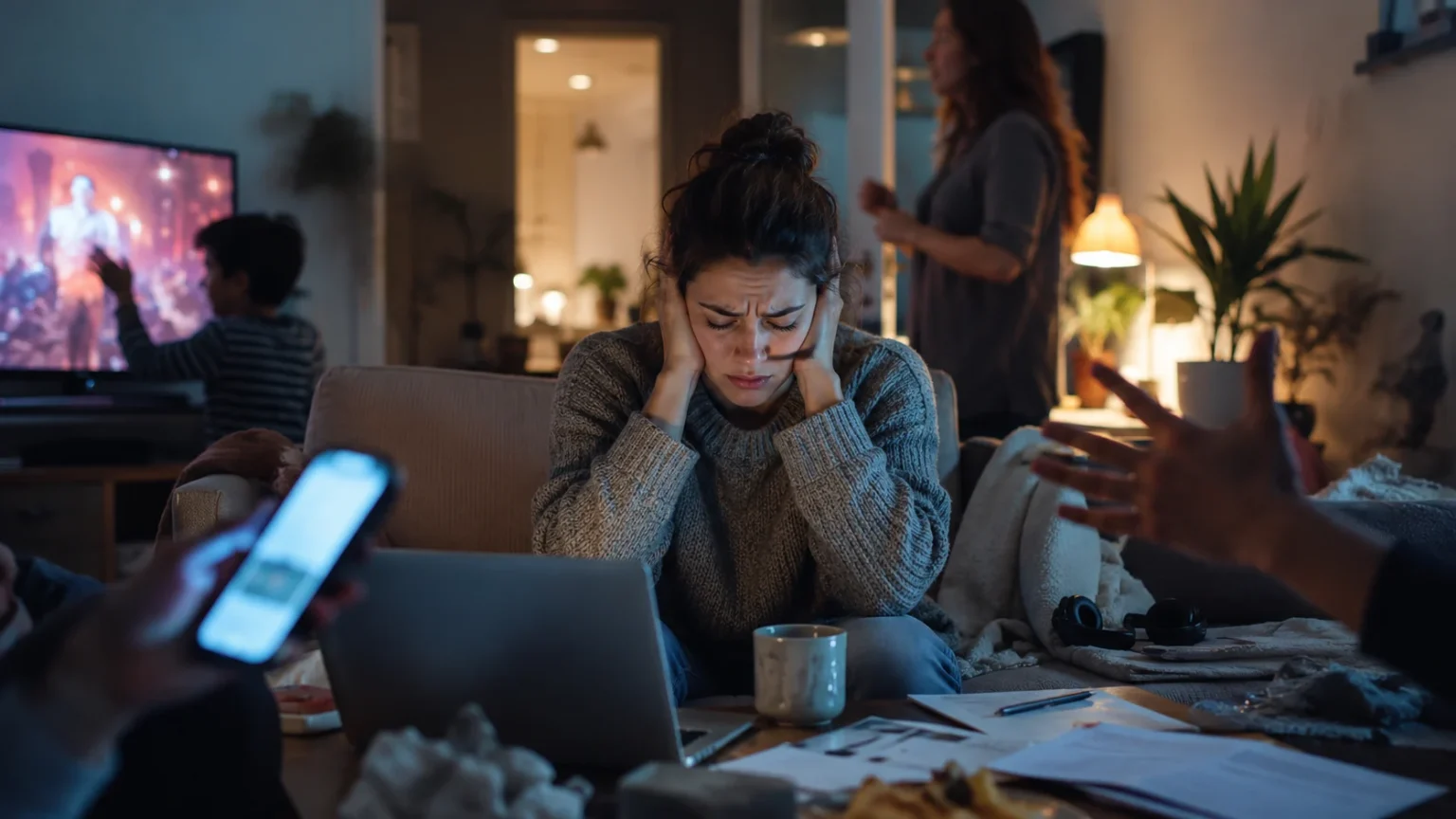
Feeling like every sound is too loud, every conversation requires too much effort, and even a simple notification makes you irritated can be a sign that you are overstimulated. The experience often develops when your brain is receiving more sensory, emotional, social, or mental information than it can comfortably process at that moment.
The simplest over stimulated meaning is feeling overwhelmed by too much input. Bright lights, conversations, crowds, screens, responsibilities, strong smells, physical touch, emotions, or several competing tasks can all contribute. What feels manageable on one day may become overwhelming on another, especially when you are tired, stressed, hungry, or already mentally overloaded.
Overstimulation is not itself a medical diagnosis. It is a commonly used description of an experience that overlaps with concepts such as sensory overload, mental overload, emotional overwhelm, and cognitive overload. It can happen to anyone, although some people may experience sensory overload more frequently or intensely because of neurological, psychological, or environmental factors.
Understanding your own signs can make overstimulation much easier to manage. Instead of waiting until everything feels unbearable, you can learn to recognize early warning signals, identify common triggers, reduce unnecessary input, and give your nervous system enough time and space to recover.
What Does Overstimulated Mean?
Being overstimulated means that the amount or intensity of information reaching you feels greater than your current ability to comfortably process it. That information might come through your senses, thoughts, emotions, social environment, responsibilities, or digital devices. The result is often a strong desire for less noise, fewer demands, or some time alone.
Think about walking through a crowded shopping center while music is playing, people are talking, lights are flashing, your phone is buzzing, and someone is asking you several questions. Your brain must continuously decide what deserves attention and what can be ignored. Eventually, that filtering process may become much harder.
Someone experiencing sensory overstimulation may suddenly become unusually irritated by sounds, lights, smells, clothing textures, or physical touch. Someone experiencing more cognitive overstimulation may feel mentally scattered, unable to make decisions, or unable to focus because too many tasks and thoughts are competing simultaneously.
Overstimulation is highly individual. A busy environment that feels exciting to one person may feel exhausting to another. Your tolerance can also change depending on sleep, stress, physical health, emotional state, workload, and how much stimulation you have already experienced during the day.
What Does Being Overstimulated Feel Like?
Overstimulation can feel like your brain has too many tabs open at once. You may understand that nothing particularly dangerous is happening, yet concentrating on one conversation or completing one simple task suddenly becomes difficult. Everything seems to be demanding your attention at the same time.
Emotionally, you may feel irritated, anxious, restless, impatient, overwhelmed, or unusually sensitive. Minor interruptions that normally would not bother you may feel incredibly frustrating. You might want people to stop talking, turn the television off, dim the lights, or simply leave you alone for a while.
Physical sensations can appear too. Some people notice muscle tension, faster breathing, sweating, trembling, headaches, a racing heartbeat, stomach discomfort, or a strong feeling of internal restlessness. These symptoms can overlap with anxiety because both experiences may involve increased nervous-system arousal.
Another common feeling is an intense need to escape the environment. You might want to leave a crowded restaurant, stop answering messages, shut your bedroom door, remove uncomfortable clothes, or sit somewhere completely quiet. That urge can be your signal that your sensory and mental load has become difficult to manage.
What Are the Common Signs of Overstimulation?
One of the clearest signs of overstimulation is becoming unusually sensitive to your surroundings. Normal conversation may suddenly sound loud, overhead lighting may seem harsh, and small background noises can become impossible to ignore. Touch or clothing sensations that usually feel neutral may become irritating.
Concentration can also deteriorate quickly. You might reread the same sentence several times, forget what someone has just told you, jump between tasks without finishing anything, or struggle to make a simple decision. Your working memory may feel crowded because too much information is competing for attention.
Emotional reactions can become stronger as well. Irritability, frustration, anxiety, tearfulness, impatience, or feeling emotionally “done” can appear when your capacity has been exceeded. Some people become more talkative or restless, while others become quiet and withdraw from interaction.
You may also begin avoiding additional input. Turning down music, putting away your phone, closing your eyes, cancelling plans, leaving a busy environment, or asking people not to touch or speak to you may become suddenly appealing. These behaviors often reflect an attempt to reduce stimulation and regain a sense of control.
What Causes Overstimulation?
Overstimulation usually results from multiple demands accumulating rather than one universal trigger. Loud environments, crowds, bright or flickering lights, strong fragrances, uncomfortable temperatures, physical touch, visually busy spaces, and several simultaneous conversations can all increase sensory input.
Mental demands can contribute just as strongly. Switching repeatedly between emails, meetings, messages, deadlines, phone calls, household responsibilities, and unfinished tasks forces the brain to continually redirect attention. The number of demands may eventually exceed what feels manageable.
Emotional stimulation matters too. Conflict, worry, uncertainty, grief, excitement, social pressure, or receiving large amounts of information can leave less mental capacity available for ordinary sensory input. This helps explain why someone may tolerate a noisy café easily one day but feel overwhelmed by it after an emotionally exhausting week.
Your physical state changes your tolerance as well. Poor sleep, hunger, illness, fatigue, pain, and prolonged stress may make ordinary stimulation harder to filter. Rather than searching for one permanent cause, it can be useful to ask what combination of sensory, mental, emotional, and physical demands is present when you become overwhelmed.
Can Too Much Screen Time Cause Overstimulation?
Phones, tablets, televisions, computers, and gaming systems can expose your brain to a rapid stream of visual, auditory, emotional, and informational input. Notifications, short videos, messages, advertisements, news updates, and constant switching between apps can create an environment in which attention rarely gets a complete break.
This does not mean screen time automatically causes overstimulation. Digital devices are tools used for work, relationships, education, entertainment, navigation, and countless other useful purposes. The problem is more likely to appear when digital stimulation becomes constant, fragmented, emotionally intense, or layered on top of an already demanding environment.
Consider scrolling social media while watching television and responding to messages at the same time. Your attention repeatedly shifts between unrelated streams of information. Even though each activity may appear easy individually, the combination can leave you mentally scattered or unusually irritable.
If screens seem to contribute to overstimulation, reducing the number of simultaneous inputs can help. Turn off unnecessary notifications, use one screen at a time, take short screen-free breaks, avoid constant background media, and create periods during the day when your brain is not expected to respond to new digital information.
Can Stress Make You Feel Overstimulated?
Stress can significantly change how much additional stimulation feels manageable. When your mind is already occupied with deadlines, financial concerns, relationship problems, health worries, or other pressures, you have fewer attentional resources available for filtering ordinary environmental information.
This is why a sound that normally barely registers may become extremely irritating during a stressful day. Your surroundings have not necessarily become more intense, but your available capacity has changed. Small interruptions can feel disproportionately difficult because they are being added to an already heavy mental load.
Stress can also increase physical arousal. Your heart rate, muscle tension, breathing pattern, alertness, and emotional reactivity may change when the nervous system perceives demands. Adding crowds, noise, difficult conversations, or multitasking to this state can intensify feelings of sensory and emotional overwhelm.
Reducing stress therefore may improve your tolerance for stimulation over time. This does not require eliminating every stressful responsibility. Prioritizing sleep, reducing unnecessary commitments, taking breaks, exercising regularly, creating predictable routines, and addressing ongoing sources of stress can help create more mental breathing room.
Overstimulated vs Anxious: What Is the Difference?
Overstimulation and anxiety can look remarkably similar. Both may involve restlessness, irritability, difficulty concentrating, racing thoughts, increased heart rate, muscle tension, and a desire to leave the situation. They can also occur together, making it difficult to determine which experience started first.
A useful distinction is the role of input. Sensory overload often becomes noticeably worse when sounds, lights, crowds, touch, conversations, or competing demands increase. Removing some of that stimulation may bring relatively quick relief, although the nervous system can still need time to settle afterward.
Anxiety, by comparison, often involves fear, worry, anticipation, or a sense that something bad may happen. Anxiety can occur in an extremely quiet room with almost no external stimulation because thoughts and internal sensations themselves may be driving the distress.
The difference is not always obvious, and you do not need to diagnose yourself in the middle of an overwhelming moment. If reducing stimulation repeatedly improves the situation, sensory or cognitive overload may be contributing. Persistent anxiety that continues across environments or interferes with daily life deserves appropriate professional support.
Overstimulated vs Overwhelmed: Are They the Same?
People often use overstimulated and overwhelmed interchangeably, but there can be a slight difference. Overstimulation usually emphasizes excessive input, while overwhelm is a broader experience in which responsibilities, emotions, problems, or demands feel greater than your available coping capacity.
You could become overstimulated at a concert because the lights, music, crowd, movement, and physical sensations are intense. You could feel overwhelmed at home because you have bills to pay, work to finish, children to care for, and several decisions that need to be made.
The experiences can easily overlap. Someone who is emotionally overwhelmed may have less tolerance for sound or social interaction, while someone who is sensory-overloaded may quickly become emotionally overwhelmed. The distinction matters less than understanding what is driving the experience.
Ask yourself what would provide the greatest relief right now. If turning down lights and noise seems helpful, sensory input may be prominent. If reducing responsibilities or organizing tasks feels more important, cognitive overload may be playing a larger role. Often, both need attention.
Can Lack of Sleep Make Overstimulation Worse?
Sleep helps support attention, emotional regulation, learning, memory, and many other brain functions. After insufficient sleep, concentrating and filtering distractions can become harder. Ordinary noises, conversations, notifications, or interruptions may therefore seem much more irritating than usual.
Poor sleep can also increase emotional sensitivity. You may have less patience, react more strongly to minor frustrations, and find it more difficult to shift attention away from something annoying. That combination can substantially lower your threshold for overstimulation.
This relationship can create an unhelpful cycle. You sleep poorly, become more sensitive to stimulation during the day, feel stressed or emotionally activated in the evening, and then struggle to relax enough to sleep comfortably again.
Improving sleep will not eliminate every form of sensory overload, but sufficient rest can increase your capacity for everyday demands. Consistent sleeping and waking times, reducing late caffeine, getting daylight during the day, and creating a quieter nighttime routine can all support healthier sleep.
Why Do Crowds and Social Situations Feel Overstimulating?
Crowded places contain many competing forms of information. Your brain may be processing multiple voices, facial expressions, body movements, music, smells, physical proximity, visual displays, and navigation decisions at the same time. Even enjoyable events can therefore require substantial mental effort.
Social situations add another layer. Following conversations involves listening, interpreting tone, remembering information, deciding when to speak, monitoring reactions, and choosing appropriate responses. When several conversations are occurring nearby, filtering the relevant voice can become particularly demanding.
Long periods of social interaction may create social overstimulation even in relatively calm settings. This does not necessarily mean someone dislikes other people or is antisocial. They may simply need periods of lower stimulation to recover after sustained social attention.
Planning recovery can make social situations more manageable. You might step outside briefly, choose quieter seating, leave an event before becoming exhausted, take breaks from conversation, or schedule less demanding activities afterward. Knowing your limits allows you to protect your energy without avoiding meaningful social experiences altogether.
Why Do Some People Become Overstimulated More Easily?
People naturally differ in sensory sensitivity, attention, personality, stress tolerance, sleep needs, and neurological processing. A sound that barely registers for one person can be extremely distracting for another. There is no universal amount of stimulation that everyone should comfortably tolerate.
Sensory differences are particularly relevant for many autistic people. Sounds, lighting, smells, textures, crowds, touch, and other sensory information may be experienced differently or more intensely. When several difficult inputs accumulate, the person may become overwhelmed and need environmental adjustments or recovery time.
People with ADHD may also experience overstimulation, especially when several demands compete for attention simultaneously. Difficulty filtering distractions or directing attention can make noisy, visually busy, or highly demanding environments harder to navigate. However, not everyone with ADHD has the same sensory experiences.
Anxiety, trauma-related conditions, migraines, sensory processing differences, chronic stress, and simple individual variation may also influence sensitivity. Experiencing overstimulation does not automatically mean you have a neurological or mental health condition, and a single symptom should never be used to self-diagnose one.
What Happens When You Ignore Overstimulation?
People sometimes try to push through sensory overload because they believe they should simply tolerate the environment. In mild situations, you may be able to complete what you are doing, but continued stimulation can make concentration, communication, and emotional regulation progressively more difficult.
You may become increasingly impatient or make mistakes you would not normally make. Conversations can become frustrating because following what another person is saying requires more effort. Tasks that were straightforward earlier in the day may suddenly seem complicated.
Some people respond by becoming more visibly distressed, while others withdraw. You might stop talking, become tearful, feel frozen, want to escape, or struggle to make decisions. Autistic people experiencing severe sensory or emotional overload may sometimes experience shutdowns or meltdowns, although these experiences should not be generalized to everyone who feels overstimulated.
Responding earlier is usually easier than waiting until your capacity is completely exhausted. Learning your personal early signs of sensory overload gives you an opportunity to lower stimulation, communicate your needs, or take a break before the experience becomes significantly more distressing.
What to Do When You Feel Overstimulated
The first step is often to reduce incoming information. Move somewhere quieter if possible, turn down music, lower screen brightness, silence unnecessary notifications, step away from crowds, or ask for a few minutes without conversation. You do not necessarily need perfect silence; the goal is simply to reduce the number of competing demands.
Next, make the environment physically comfortable. Loosen uncomfortable clothing, sit down somewhere safe, adjust the temperature, close your eyes temporarily, or use headphones if sound is the main trigger. Small environmental changes can have a surprisingly large effect when your sensory threshold has already been exceeded.
Simplify mental demands too. Instead of trying to solve several problems simultaneously, choose one immediate task. Write down anything you are worried about forgetting so your brain does not have to keep rehearsing it. Postpone decisions that do not need to be made while you are overwhelmed.
Give yourself time to recover rather than expecting the feeling to disappear immediately. After leaving an overstimulating environment, some people remain tense or mentally exhausted for a while. A quiet activity, gentle movement, a familiar routine, hydration, food if needed, or simply reduced input can make the transition easier.
How Can You Calm Down From Sensory Overload?
Slow, comfortable breathing can help reduce the sense of urgency that sometimes accompanies sensory overload. Rather than forcing unusually large breaths, focus on breathing steadily and allowing the exhale to become relaxed. The goal is to make your immediate environment feel safer and less demanding.
Grounding can also redirect attention away from the flood of competing information. You might focus on the feeling of your feet against the floor, identify a few objects around you, hold something with a familiar texture, or concentrate on one neutral sound instead of trying to process everything.
Some people prefer movement. A short walk, gentle stretching, rocking, pacing, or another repetitive movement may help them regulate. Others need stillness and reduced interaction. There is no single calming technique that works for everyone, so learning your own preferences is more useful than following a rigid formula.
Avoid criticizing yourself for needing a break. Feeling overstimulated is information about your current capacity, not proof of weakness or poor self-control. The practical goal is to identify what your brain and body need in that moment and reduce unnecessary demands enough to regain comfortable functioning.
How to Prevent Overstimulation Before It Starts
Prevention begins with identifying patterns. Notice where overstimulation happens, what time of day it appears, who is around you, how much sleep you had, what sensory inputs were present, and whether you were already stressed. Patterns often become clearer once you stop viewing each episode as completely random.
Create lower-stimulation options in environments you control. At home, this might mean softer lighting, fewer simultaneous screens, quieter work areas, comfortable clothing, organized surroundings, or periods without background television. At work, headphones, scheduled focus periods, or a less distracting workspace may help where appropriate.
Build recovery time into demanding days. If you know a busy meeting, crowded event, long commute, or social gathering will require substantial attention, avoid filling every remaining minute with additional obligations. Sensory breaks can be preventative rather than something you use only after becoming overwhelmed.
Basic physical needs matter too. Regular meals, hydration, physical activity, sufficient sleep, and managing ongoing stress can improve your ability to tolerate everyday stimulation. Prevention is rarely about eliminating all stimulation; it is about creating a sustainable balance between input, demands, and recovery.
How to Manage Digital Overstimulation
Begin by reducing unnecessary interruptions. Most applications do not need permission to demand your attention immediately. Turning off nonessential notifications can dramatically reduce the number of times your brain is asked to shift focus throughout the day.
Try separating activities instead of stacking them. Watch a show without scrolling through another screen, answer messages without simultaneously reading news, and work on one task without keeping multiple entertainment streams playing in the background. Reducing simultaneous input can make digital environments feel much calmer.
Create short periods of deliberate low stimulation. Eating a meal without a screen, walking without checking notifications, or spending the first few minutes after waking away from social media can interrupt the expectation that new information must constantly arrive.
You do not necessarily need a dramatic “digital detox.” Sustainable habits are usually more realistic. Decide which technology genuinely improves your life and which inputs simply occupy attention. The aim is not to remove stimulation altogether but to regain control over when and how your attention is used.
When Should You Get Help for Frequent Overstimulation?
Occasional overstimulation in a crowded, noisy, or highly demanding environment is not necessarily concerning. Many people experience moments when they simply need less input. The situation deserves more attention when overstimulation repeatedly prevents you from working, studying, sleeping, maintaining relationships, or participating in everyday activities.
Consider professional support if you frequently experience intense panic, severe anxiety, persistent sensory difficulties, prolonged shutdown-like responses, or overwhelming reactions that you cannot manage with reasonable environmental changes. A healthcare professional can help determine whether another condition may be contributing.
An occupational therapist may sometimes help people understand and manage significant sensory-processing challenges, while mental health professionals can address anxiety, trauma, stress, or emotional difficulties when those are important factors. Support should match the underlying problem rather than assuming every episode has the same cause.
Sudden or unusual symptoms should also be considered separately from ordinary overstimulation. Severe chest pain, fainting, significant breathing difficulty, sudden neurological symptoms, or other potentially serious physical changes require appropriate medical attention rather than being automatically attributed to anxiety or sensory overload.
The Bottom Line: What Does Overstimulated Mean?
The over stimulated meaning is relatively simple: your brain and body are receiving more sensory, mental, emotional, or social input than feels manageable at that moment. The experience can involve irritability, anxiety, trouble concentrating, restlessness, physical tension, and a strong desire to reduce stimulation.
Common triggers include noise, bright lights, crowds, screens, multitasking, constant notifications, emotional stress, social demands, and insufficient rest. These factors can accumulate, which is why something small may sometimes become the final trigger after an already demanding day.
Anyone can become overstimulated, although sensory differences associated with autism, ADHD, anxiety, trauma, and other individual factors may make some people more susceptible. Experiencing sensory overload alone does not diagnose any particular condition.
The most useful response is usually to understand your personal triggers and early warning signs. Reduce unnecessary input, create quieter recovery periods, protect sleep, simplify competing demands, and ask for professional support when frequent overstimulation significantly interferes with everyday life.
Frequently Asked Questions About Being Overstimulated
What does overstimulated mean in simple words?
Overstimulated means your brain is dealing with more sensory, mental, emotional, or social input than feels manageable. You may become irritated, distracted, anxious, exhausted, or desperate for quiet.
How do I know if I am overstimulated?
Common signs include sensitivity to noise or light, difficulty concentrating, irritability, racing thoughts, restlessness, feeling overwhelmed, and wanting to escape conversation, crowds, screens, or other stimulation.
How do you calm an overstimulated brain?
Reduce sensory input, move somewhere quieter, silence notifications, focus on one task, breathe comfortably, and allow yourself time without additional demands. Different calming strategies work for different people.
Can phones and social media make you overstimulated?
They can contribute when constant notifications, rapid content, multitasking, and multiple screens continually compete for attention. Taking intentional low-stimulation breaks can make digital input easier to manage.
Is being overstimulated a sign of ADHD or autism?
Overstimulation can occur with ADHD and autism, but it can also happen to people without either condition. Sensory overload alone is not enough to diagnose ADHD, autism, or any other disorder.