
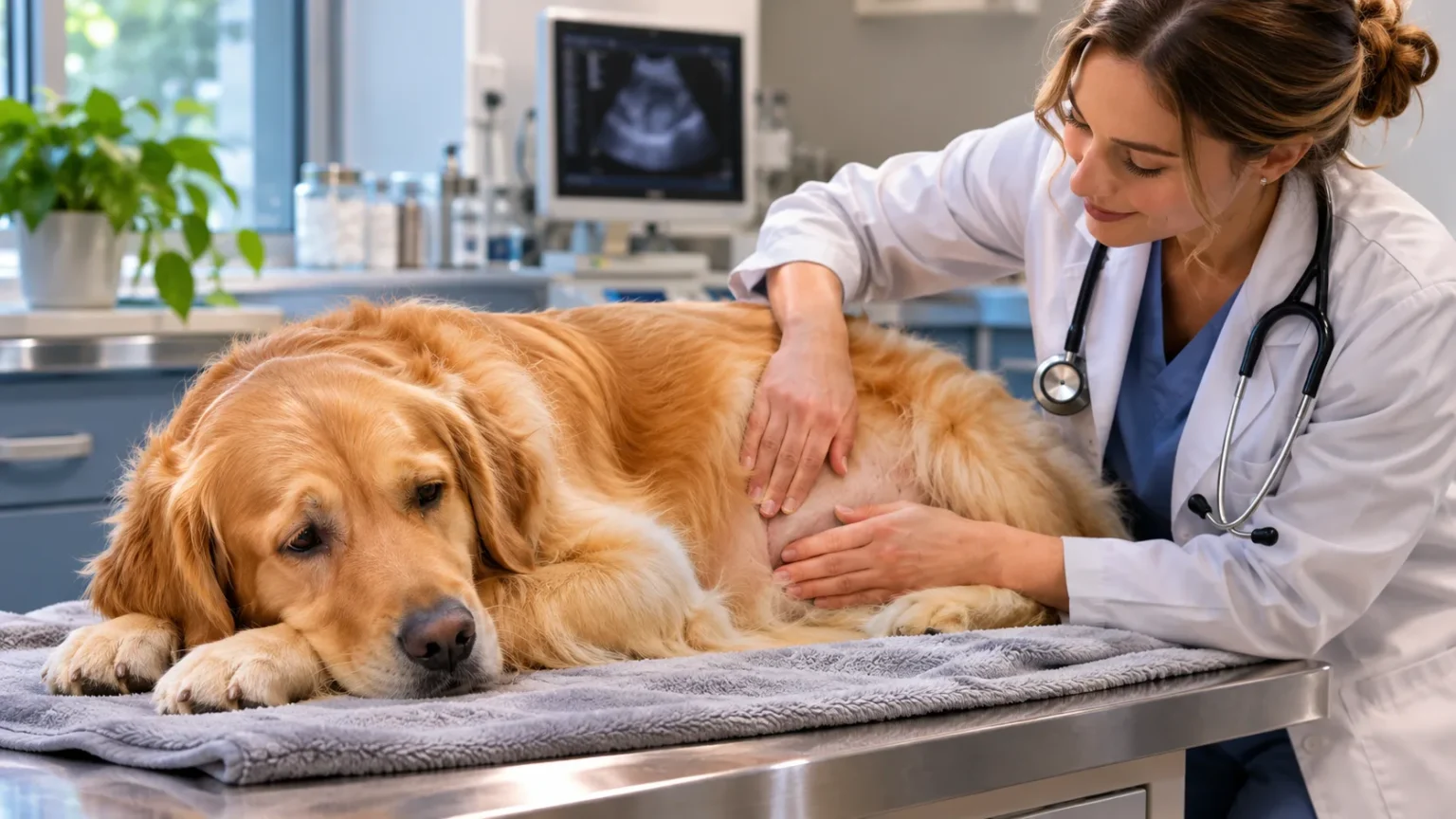

Pancreatitis in dogs is a potentially serious health condition that occurs when the pancreas becomes inflamed. It can cause abdominal pain, vomiting, loss of appetite, and changes in your dog’s normal behavior. Some cases are mild and respond well to veterinary treatment, while others can become life-threatening. Recognizing the early warning signs can help pet owners seek appropriate medical care before complications develop.
Understanding pancreatitis in dogs is important because its symptoms can resemble other digestive problems. The condition may appear suddenly or develop as a recurring health issue. Treatment depends on the severity of the inflammation and the dog’s overall condition. This guide explains the symptoms, causes, diagnosis, treatment options, recovery time, dietary needs, and practical ways to reduce the risk of future episodes.
What Is Pancreatitis in Dogs?
Pancreatitis in dogs is inflammation of the pancreas, an organ located near the stomach and small intestine. The pancreas produces digestive enzymes that help break down food and hormones such as insulin that help regulate blood sugar. When inflammation develops, normal pancreatic function may become disrupted. This can cause digestive problems, pain, and complications affecting other organs.
Pancreatitis can be classified as acute or chronic. Acute pancreatitis develops suddenly and may range from mild inflammation to severe illness. Chronic pancreatitis involves ongoing or recurring inflammation that can gradually affect pancreatic tissue. Both forms require appropriate veterinary attention because their symptoms and long-term consequences can vary considerably.
The severity of pancreatitis does not always match how obvious the symptoms appear. Some dogs experience noticeable vomiting and abdominal discomfort, while others show only reduced appetite or unusual tiredness. Severe cases can involve dehydration, circulation problems, or damage to other organs. Early veterinary evaluation is important whenever pancreatitis is suspected.
Pancreatitis in Dogs Symptoms and Treatment
Common symptoms of pancreatitis in dogs include vomiting, loss of appetite, abdominal pain, diarrhea, and lethargy. Some dogs develop a fever or show signs of dehydration. Others become restless, reluctant to move, or unusually quiet. Because these symptoms overlap with other illnesses, a veterinarian must evaluate the dog to determine the underlying problem.
Abdominal pain may cause a dog to adopt an unusual posture, sometimes with the front legs lowered and the rear body raised. This position is occasionally described as the prayer position. However, not every dog with pancreatitis displays this behavior. A pet may instead appear uncomfortable when lying down or resist having its abdomen touched.
Pancreatitis in dogs symptoms and treatment depend on the severity of the disease. Mild cases may be managed with veterinarian-directed medication, hydration support, and suitable nutrition. Severe cases may require hospitalization, intravenous fluids, pain control, and close monitoring. Prompt treatment improves the opportunity to manage complications and support recovery.
Pancreatitis in Dogs Causes and Risk Factors
Understanding pancreatitis in dogs causes can help pet owners recognize possible contributing factors. In many cases, veterinarians cannot identify one definite cause. The condition may develop in connection with dietary factors, underlying diseases, certain medications, or individual susceptibility. However, pancreatitis should not automatically be blamed on a single recent meal.
Eating a large amount of fatty food is a recognized possible trigger in some dogs. Rich table scraps, greasy leftovers, and sudden dietary changes may contribute to digestive problems. Certain medical conditions, including diabetes mellitus and hypertriglyceridemia, are also associated with pancreatitis. Some breeds and individual dogs may have a higher susceptibility.
Certain medications, toxins, and abdominal injuries have also been investigated as potential contributing factors. However, the strength of evidence varies, and many episodes remain unexplained. Pet owners should never stop prescribed medications without consulting a veterinarian. Managing known medical conditions and maintaining an appropriate diet may help reduce some preventable risks.
Acute vs. Chronic Pancreatitis in Dogs
Acute pancreatitis occurs when pancreatic inflammation develops over a relatively short period. Symptoms may appear suddenly, sometimes progressing from reduced appetite to repeated vomiting and significant discomfort. The condition can be mild or severe. Dogs experiencing acute pancreatitis should receive timely veterinary assessment because complications can develop quickly.
Chronic pancreatitis involves persistent or recurring pancreatic inflammation. Some dogs experience repeated episodes of digestive discomfort, while others show less obvious symptoms. Over time, inflammation may damage pancreatic tissue and interfere with normal function. Certain dogs can develop complications involving digestive enzyme production or blood sugar regulation.
The distinction between acute and chronic pancreatitis influences treatment planning and long-term management. Acute illness often requires stabilizing the dog and addressing immediate symptoms. Chronic cases may need ongoing nutritional adjustments and monitoring for related conditions. A veterinarian can determine the most appropriate approach based on medical history, examination findings, and diagnostic testing.
How Veterinarians Diagnose Pancreatitis in Dogs
Diagnosing pancreatitis in dogs usually begins with a physical examination and discussion of the dog’s recent symptoms. The veterinarian may ask about vomiting, appetite changes, medications, and possible dietary exposure. They will also assess hydration, abdominal discomfort, and general condition. These findings help determine which tests or treatments are needed.
Blood tests may be used to evaluate pancreatic inflammation and identify complications. A canine pancreatic lipase test can support the diagnosis, although no single test is perfect. Additional bloodwork may reveal dehydration, electrolyte abnormalities, or problems involving other organs. The veterinarian interprets these results alongside the dog’s symptoms.
Abdominal ultrasound can provide useful information about the pancreas and surrounding structures. However, pancreatitis may not be visible on every ultrasound examination, particularly in milder cases. Imaging may also help investigate other causes of abdominal discomfort. Diagnosis often requires combining clinical findings, laboratory results, and imaging rather than relying on one test alone.
Veterinary Treatment Options for Pancreatitis
Treatment for pancreatitis focuses on relieving symptoms, maintaining hydration, supporting nutrition, and managing complications. The exact plan depends on the dog’s condition and any underlying illnesses. Veterinarians may prescribe pain relief and anti-nausea medications. Dogs experiencing dehydration or significant illness may require intravenous fluid therapy.
Nutritional support is another important part of treatment. Current veterinary care generally favors appropriate early feeding when tolerated rather than prolonged fasting. Dogs unable to eat adequately may need additional nutritional support under professional supervision. The specific feeding approach depends on vomiting, abdominal discomfort, and the severity of the illness.
Severe pancreatitis can require hospitalization and repeated monitoring of organ function, hydration, and electrolyte balance. Additional treatment may be necessary if complications develop. Antibiotics are not routinely needed for uncomplicated pancreatitis unless there is evidence of a relevant infection. Following the veterinarian’s instructions helps ensure treatment addresses the dog’s actual medical needs.
Pancreatitis in Dogs Treatment at Home
Pancreatitis in dogs treatment at home should only be considered after a veterinarian has assessed the dog and confirmed that outpatient care is appropriate. Mild cases may sometimes recover at home with prescribed medications, appropriate feeding, and close monitoring. However, home remedies cannot replace professional diagnosis. Severe pancreatitis requires urgent veterinary treatment.
Follow the veterinarian’s instructions about meals, medication, hydration, and activity. Provide a quiet resting area and observe whether your dog is eating, drinking, and behaving normally. Do not give human painkillers, digestive medications, or supplements without veterinary approval. Some products can be toxic to dogs or interfere with treatment.
Contact your veterinarian if vomiting continues, your dog refuses food, or abdominal discomfort increases. Weakness, collapse, repeated vomiting, or difficulty breathing requires emergency veterinary attention. Do not force-feed a dog that is repeatedly vomiting or experiencing severe distress. Safe home management depends on professional guidance and recognizing when additional care is necessary.
Pancreatitis in Dogs: What to Feed
Many pet owners ask, pancreatitis in dogs what to feed, because nutrition plays an important role in recovery. Veterinarians commonly recommend a highly digestible, lower-fat diet, especially for dogs with fat sensitivity or recurring episodes. Prescription gastrointestinal diets may be appropriate in some situations. However, the best diet depends on the dog’s medical needs.
Small, more frequent meals may be recommended when a dog is recovering and tolerating food. The appropriate portion size and feeding schedule should follow veterinary guidance. Sudden changes in diet can sometimes worsen digestive symptoms. For dogs with other illnesses, such as diabetes, nutritional planning may require additional considerations.
Avoid offering fatty table scraps, rich treats, or unfamiliar foods without veterinary approval. Foods such as bacon, greasy meat, and heavily seasoned leftovers can be unsuitable for a dog recovering from pancreatitis. Homemade diets should be formulated with professional guidance to ensure nutritional balance. Consistent feeding and suitable food choices can support recovery and long-term digestive health.
Foods to Avoid With Canine Pancreatitis
Dietary management often involves limiting foods that are especially high in fat. Greasy leftovers, fried foods, fatty meat trimmings, and rich human snacks may be inappropriate for susceptible dogs. These foods can introduce substantial amounts of fat beyond the dog’s normal diet. However, individual dietary tolerance and medical needs vary.
Some commercial dog treats also contain relatively high levels of fat. Pet owners should review product information and ask their veterinarian which treats are suitable. Treats should not replace balanced meals or interfere with a prescribed diet. Selecting appropriate options can help maintain consistency when managing a dog with previous pancreatic inflammation.
Avoid feeding a recovering dog random home remedies promoted as natural pancreatitis treatments. Ingredients that seem harmless to people may be unsuitable or toxic to dogs. Dietary supplements also have potential risks and may not provide proven benefits. A veterinarian can recommend an evidence-based nutrition plan that accounts for the dog’s health and recovery stage.
Pancreatitis in Dogs: Can It Be Cured?
A common question is, pancreatitis in dogs can it be cured, especially after a pet experiences its first episode. Many dogs recover from acute pancreatitis with appropriate treatment and supportive care. However, recovery depends on the severity of inflammation and whether complications develop. Some dogs return to normal activities without ongoing symptoms.
Chronic pancreatitis is different because inflammation may persist or return over time. Although symptoms can sometimes be controlled, structural changes to pancreatic tissue may not be fully reversible. Affected dogs may need long-term dietary management or monitoring. Recurring episodes should be discussed with a veterinarian rather than treated as ordinary stomach upset.
Even after successful treatment, some dogs remain at risk of another episode. Managing underlying conditions and following appropriate feeding recommendations may reduce certain risks. However, recurrence cannot always be prevented. Regular veterinary follow-up helps identify complications and allows treatment plans to be adjusted when necessary.
Pancreatitis in Dogs: How Long Does It Last?
If you are wondering pancreatitis in dogs how long does it last, the answer depends on the type and severity of the disease. Some mild acute episodes improve within several days after appropriate treatment begins. Other dogs require longer recovery periods. Severe cases may involve prolonged hospitalization and additional complications.
Appetite, energy, and digestive function may improve at different rates. A dog might begin eating again before all inflammation has resolved. Therefore, appearing more comfortable does not necessarily mean recovery is complete. The veterinarian may recommend continued dietary management, medications, or follow-up examinations after the most obvious symptoms improve.
Chronic pancreatitis can involve repeated or long-lasting episodes rather than one predictable recovery period. Some dogs remain comfortable for extended periods between flare-ups. Others need closer monitoring because symptoms recur. Following an individualized treatment plan is more useful than relying on a fixed recovery timeline.
Possible Complications of Pancreatitis in Dogs
Severe pancreatitis can affect more than the digestive system. Significant inflammation may contribute to dehydration, electrolyte problems, and reduced circulation. In serious cases, complications can involve the kidneys, lungs, or other organs. These situations require intensive veterinary management and should never be treated through home remedies alone.
Repeated or extensive pancreatic damage can sometimes affect the organ’s ability to produce digestive enzymes or regulate blood sugar. Exocrine pancreatic insufficiency and diabetes mellitus are possible complications in certain circumstances. However, they do not develop in every dog with pancreatitis. Veterinarians monitor for related problems when the medical history suggests increased risk.
Long-term complications may require additional medication, dietary planning, or specialized monitoring. Changes in appetite, body condition, thirst, and digestion can provide useful information during follow-up. Pet owners should report unusual symptoms rather than assuming they are part of normal recovery. Early assessment helps identify problems that may need separate treatment.
How to Help Prevent Pancreatitis in Dogs
Not every case of pancreatitis can be prevented because the exact cause is often unknown. However, maintaining a consistent, nutritionally appropriate diet may help reduce certain risks. Avoid regularly offering fatty table scraps or large amounts of unfamiliar food. Feeding practices should reflect the dog’s individual health requirements.
Managing underlying medical conditions can also be important. Dogs with diabetes, abnormal blood lipid levels, or previous pancreatitis may require specialized veterinary care. Regular appointments allow professionals to monitor relevant health concerns. Owners should discuss medication changes or recurring digestive symptoms with their veterinarian.
Maintaining suitable physical activity and general health can support a dog’s overall well-being. However, exercise does not directly prevent every episode of pancreatitis. Avoid making restrictive dietary changes without professional advice, especially for growing dogs or those with medical conditions. Prevention should focus on evidence-based care rather than promises of guaranteed protection.
When Is Pancreatitis in Dogs an Emergency?
Pancreatitis can become an emergency when a dog develops repeated vomiting, severe abdominal pain, collapse, or marked weakness. These symptoms may indicate dehydration or serious systemic illness. A dog that cannot keep water down also needs prompt veterinary attention. Delaying treatment can allow complications to worsen.
A swollen or painful abdomen may have several possible causes, including conditions unrelated to pancreatitis. Some of these problems require emergency treatment. Therefore, pet owners should not attempt to diagnose severe abdominal symptoms at home. Rapid breathing, pale gums, or unusual unresponsiveness are additional reasons to seek immediate veterinary care.
If your dog has previously experienced pancreatitis, remain alert for returning symptoms. However, do not assume that every episode of vomiting is another flare-up. Other illnesses can produce similar signs and may require different treatment. Veterinary examination is the safest way to identify the cause and determine appropriate care.
Conclusion
Pancreatitis in dogs is inflammation of the pancreas that can cause vomiting, abdominal pain, reduced appetite, and significant illness. The condition may be acute or chronic, with severity ranging from mild discomfort to life-threatening complications. Its causes are not always identifiable. Recognizing symptoms early and seeking veterinary care can help support a safer recovery.
Treatment generally involves managing pain, preventing dehydration, controlling nausea, and providing suitable nutrition. Some mild cases can be managed at home after veterinary assessment, while serious illness requires hospitalization. Recovery time varies according to the dog’s condition and response to treatment. A veterinarian can explain which treatments and dietary adjustments are appropriate.
Long-term care may involve consistent feeding habits, management of related medical conditions, and monitoring for recurring symptoms. Avoid relying on unverified home remedies or delaying treatment when serious warning signs appear. Although many dogs recover successfully, some require ongoing care. Appropriate veterinary guidance offers the best foundation for managing pancreatitis and supporting your dog’s health.
Frequently Asked Questions
What are the first signs of pancreatitis in dogs?
Early signs can include loss of appetite, vomiting, tiredness, abdominal discomfort, and diarrhea. Some dogs become unusually quiet or restless. These symptoms require veterinary attention because other illnesses can appear similar.
Can pancreatitis in dogs be treated at home?
Mild pancreatitis may sometimes be managed at home after veterinary evaluation. Treatment may include prescribed medications, suitable food, and monitoring. Severe symptoms or repeated vomiting require urgent veterinary care.
What should dogs with pancreatitis eat?
Veterinarians often recommend a highly digestible, lower-fat diet, depending on the dog’s condition. Prescription food may be useful in some cases. Feeding schedules and dietary changes should follow professional guidance.
Can dogs fully recover from pancreatitis?
Many dogs recover from acute pancreatitis with appropriate treatment. However, severe disease can cause complications, and chronic pancreatitis may recur or require long-term management. Recovery varies between individual dogs.
How long does pancreatitis in dogs take to heal?
Some mild cases improve within several days, while more severe episodes may require weeks of recovery or prolonged hospitalization. Chronic pancreatitis can involve recurring symptoms and ongoing veterinary monitoring.