
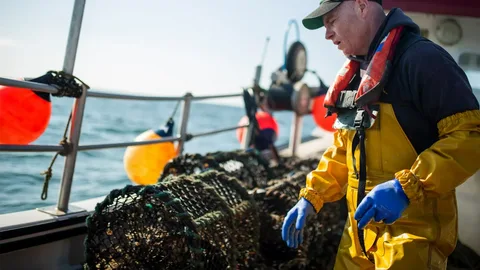

A successful day of shore fishing requires more preparation than choosing the right bait and finding a promising spot. Getting rods, tackle boxes, coolers, and safety equipment across loose sand can be surprisingly demanding, especially when the fishing area is far from the nearest parking space. A specialized vehicle for shore-side gear can help transport heavier supplies across difficult terrain while keeping equipment organized. Along with practical transportation, careful planning and basic injury prevention can make shoreline fishing considerably safer and more enjoyable.
Check Shoreline Conditions Before Setting Up
Coastal environments can change quickly, even during otherwise pleasant weather. Rising tides, strong currents, shifting sand, and unexpected waves can turn a comfortable fishing location into a hazardous area. Checking tide tables and marine forecasts before leaving home helps anglers choose suitable fishing times and avoid exposed locations during rough conditions. It is also worth observing the water for several minutes before unloading equipment, particularly around rocks, steep banks, or areas affected by breaking waves.
Accessibility deserves equal consideration. A fishing spot that looks convenient at low tide may become difficult to leave once the water rises. Identify a reliable route back to higher ground and avoid positioning equipment where an incoming tide could cut off access. Anglers unfamiliar with a particular shoreline should also check fishing regulations, access restrictions, and any relevant safety notices before beginning.
Organize Equipment for Easier Transportation
Packing efficiently reduces physical strain and helps prevent accidents caused by scattered equipment. Heavy items should remain stable during transport, while fragile rods and sharp tackle need separate protection. Securing hooks and lures inside closed compartments prevents them from catching clothing, bags, or exposed skin. Water, sunscreen, and first-aid supplies should remain readily accessible rather than buried beneath heavier equipment.
Equipment weight matters when traveling over sand. Even a manageable load can become exhausting when pulled across soft surfaces, particularly in warm weather. Wheeled transport equipment should be appropriate for the terrain, with loads distributed evenly and kept within the manufacturer’s capacity limits. Motorized carts can reduce physical effort, but operators still need to consider slopes, wet sand, water exposure, and the surrounding foot traffic.
Prepare for Fishhook Injuries
Fishhooks present an easily overlooked safety risk, particularly when anglers work with barbed hooks or multiple-hook lures. Accidental punctures can happen while attaching bait, reaching into a crowded tackle box, or handling a struggling fish. Carrying basic first-aid equipment is therefore an important part of preparation. The same principle applies to retailers supplying fishing equipment, where safety products can complement traditional tackle. Wholesale purchasing of purpose-built fishhook-removal devices through http://www.dhukrtool.com addresses the need for equipment specifically intended for hook injuries involving human skin.
However, possessing a removal tool does not mean every embedded hook should be removed without professional assistance. Hooks lodged deeply in the skin, near an eye, or within a joint require medical attention. Attempting removal without appropriate knowledge can worsen an injury. Anglers should understand the limitations of their equipment, carry clean wound dressings, and know how to obtain medical assistance. Checking tetanus vaccination status is another sensible precaution when dealing with puncture wounds.
Create a Safer Fishing Area
Once equipment reaches the shoreline, thoughtful positioning can prevent unnecessary problems. Rods should be placed where they cannot easily fall or obstruct walking paths, and tackle boxes should remain closed when not in use. Establishing a clear casting area helps protect nearby anglers, swimmers, and beach visitors from moving hooks and weighted lines.
Extra care is necessary when several people share a fishing location. Children and inexperienced anglers may not recognize the danger of unattended hooks or sudden casting movements. Allowing sufficient space between fishing positions and keeping unused equipment secured reduces these risks.
Landing a fish also requires attention. Long-handled pliers and suitable fish-handling equipment can help control hooks while reducing direct contact with sharp points. Hooks intended for removing tackle from a fish should not be confused with devices designed for injuries involving human skin. Keeping these tools separate and clearly organized makes them easier to identify when needed.
Plan for Weather Changes and Unexpected Problems
Sun exposure, dehydration, and changing weather conditions can affect even experienced anglers. Drinking water regularly, wearing appropriate footwear, and using sun protection are simple ways to stay comfortable during extended fishing sessions. Clothing should suit the conditions, especially when wind or spray makes temperatures feel cooler than expected.
Communication is another important consideration. A charged phone, accessible emergency contacts, and a clear understanding of the nearest exit route can make an unexpected situation easier to manage. Remote fishing locations may have unreliable mobile coverage, so informing someone of the intended destination and return time is especially worthwhile. If thunderstorms develop or water conditions become unsafe, leaving early is preferable to waiting for conditions to deteriorate further.
Finish Every Trip With a Careful Equipment Check
Packing up deserves the same attention as setting up. Loose hooks, discarded fishing line, and damaged tackle can injure people and wildlife long after anglers leave. Collecting broken equipment and securing sharp objects before transportation keeps both the shoreline and the return journey safer.
After returning home, inspect rods, tackle containers, transport equipment, and first-aid supplies. Rinse salt-exposed equipment where appropriate, replace depleted medical supplies, and repair damaged storage compartments before the next outing.
Shore fishing is more enjoyable when unnecessary difficulties have already been addressed. Safe transportation, organized tackle, responsible hook handling, and awareness of changing conditions all contribute to a better experience. A little preparation before heading out can prevent minor inconveniences from becoming serious problems, leaving more time to enjoy the fishing itself.




