

Vertical Belly Button: Meaning, Causes and When to Be Concerned
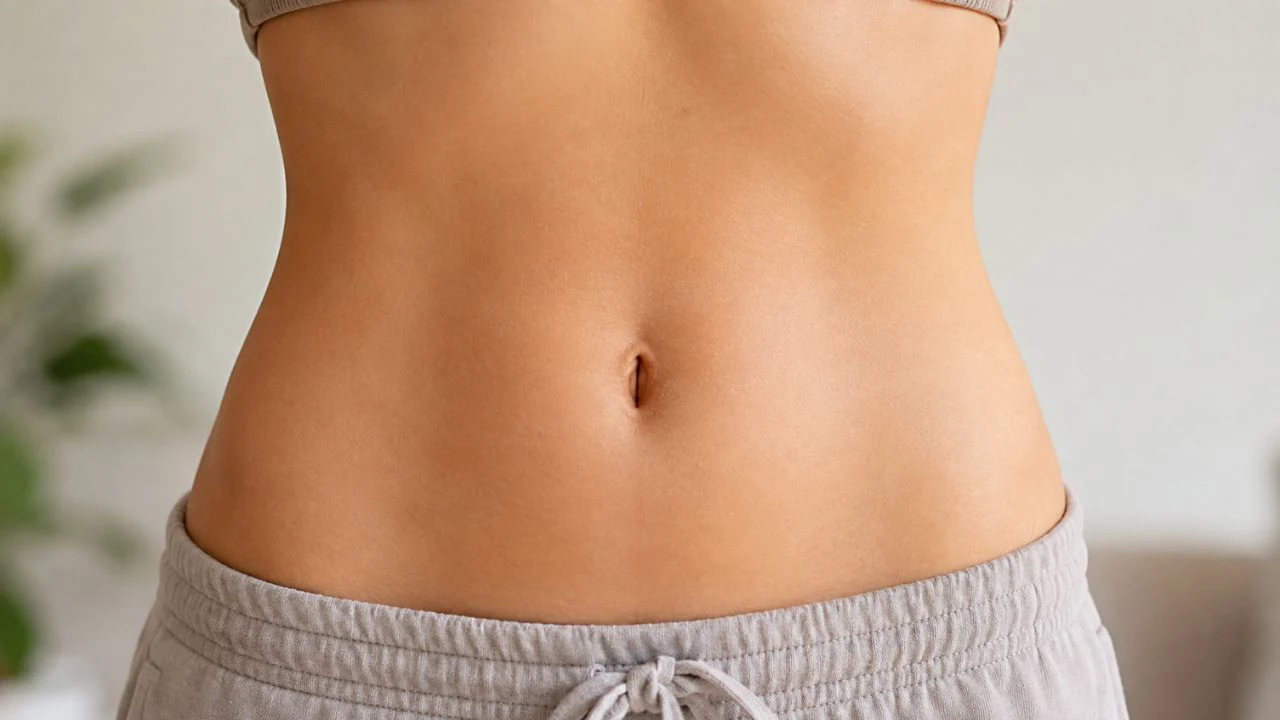
A vertical belly button is a navel whose visible opening appears longer from top to bottom than from side to side. It is commonly an “innie,” although the depth, upper hood and surrounding skin can differ considerably. This shape is usually a normal anatomical variation rather than a symptom of illness.
People often become interested in belly button shapes after noticing changes caused by pregnancy, weight fluctuation, ageing or abdominal surgery. Others compare their navel with edited photographs and wonder whether it looks unusual. In reality, the appearance of the umbilicus varies widely between healthy individuals.
A naturally vertical navel does not indicate better health, greater fitness or a particular body type. It is simply one of several possible belly button types, alongside horizontal, round, oval, T-shaped and protruding navels. No single shape is medically required or universally considered ideal.
What matters more is whether the appearance has always been similar or has changed suddenly. A new lump, increasing pain, discharge, redness or a bulge that becomes prominent during coughing may require assessment. This guide explains normal variation, common changes and warning signs involving the belly button.
What Is a Vertical Belly Button?
A vertical belly button has an opening or central depression that runs mainly upward and downward. It may resemble a narrow oval, a short line or a teardrop depending on the surrounding folds. Some vertical navels have an upper hood of skin, while others have a smooth, open appearance.
The medical name for the belly button is the umbilicus or navel. It is the scar left after the umbilical cord is cut following birth and the remaining stump heals. The final appearance can vary greatly even among siblings or people with otherwise similar bodies.
“Vertical belly button” is primarily a descriptive cosmetic term rather than a medical diagnosis. Healthcare professionals are generally more concerned about pain, swelling, skin changes and underlying abdominal-wall problems than whether the opening appears vertical or horizontal.
A vertical navel may look more noticeable when the abdominal skin is relatively firm and the natural folds run upward and downward. Its appearance may become less defined when surrounding skin stretches, folds or swells. These visual differences do not necessarily represent a medical problem.
How Does a Belly Button Form?
Before birth, the umbilical cord connects a developing baby to the placenta. It carries oxygen and nutrients to the baby and removes waste products. After birth, the cord is clamped and cut because the newborn no longer needs that connection.
A small stump remains attached to the abdomen for a short period. It gradually dries, separates and leaves behind scar tissue at the original attachment point. That healed scar becomes the belly button seen throughout childhood and adulthood.
The navel is therefore not an open passage into the abdomen. In a healthy adult, it is a closed scar located over a naturally important area of the abdominal wall. Its depth and visible shape are influenced by the way the scar and nearby tissues healed.
The cord-cutting technique does not normally determine whether someone develops a vertical innie, round navel or outie. The visible shape develops through healing, scar contraction and the structure of the surrounding tissue rather than the exact length at which the cord was cut.
Is a Vertical Belly Button Normal?
A vertical belly button is usually completely normal. Navels naturally vary in width, depth, orientation and the amount of skin covering the upper edge. Cleveland Clinic notes that belly button appearance can differ widely between people.
The opening does not need to be perfectly centred, symmetrical or evenly shaped. One side may have a slightly deeper fold, and the upper skin may create a small hood. Minor asymmetry is expected because scars and soft tissues do not always heal in mathematically identical patterns.
A person can also have a vertical navel at one body weight and notice that it looks rounder or flatter later. The scar may remain unchanged while the skin and tissue around it alter the visible outline. Appearance alone cannot show whether someone is healthy or physically fit.
Medical advice becomes more important when a change is accompanied by symptoms. Persistent pain, a growing lump, warmth, discharge or sudden protrusion should not be dismissed as an ordinary shape difference. A stable, symptom-free vertical belly button generally requires no treatment.
What Determines Belly Button Shape?
The original healing of the umbilical scar is one of the main influences on navel shape. Scar tissue can contract and settle differently from one person to another. This helps explain why navels may be deep, shallow, vertical, horizontal or irregular despite following the same basic healing process.
The amount and distribution of nearby skin and fatty tissue also affect the visible outline. A deeper fold may make the belly button appear narrower, while loose skin can create a stronger upper hood. These features may change without altering the underlying umbilical scar itself.
Abdominal-wall structure can influence the contour around the navel. The linea alba is a vertical band of connective tissue running through the centre of the abdomen, and the belly button sits along this central region. Changes affecting the abdominal wall can therefore alter the surrounding appearance.
Pregnancy, major weight changes, ageing, piercing and surgery can also modify the navel. These influences may stretch the skin, produce new scars or change the position of nearby tissue. The final appearance usually reflects several factors rather than one single cause.
Vertical vs Horizontal Belly Button
A vertical belly button is longer from top to bottom, while a horizontal navel appears wider from side to side. Both can be normal innie shapes. The difference is mainly visual and does not usually indicate a difference in abdominal health.
Horizontal navels may have a fold or hood that covers much of the central depression. Vertical navels often show a narrower opening and may appear deeper. Lighting, posture and the position of the body can make either shape look different in photographs.
Neither orientation is medically superior. Online beauty trends sometimes describe a narrow vertical navel as more attractive, but cosmetic preferences change across individuals and cultures. A horizontal belly button does not mean that someone is unhealthy, overweight or out of shape.
The most meaningful comparison is with your own usual appearance. A belly button that has looked horizontal or vertical for years is generally less concerning than one that suddenly becomes distorted, swollen or painful. New changes deserve attention when other symptoms are present.
Innie vs Outie Belly Buttons
An innie belly button forms a depression or fold within the abdominal surface. Vertical belly buttons usually belong to this category, although an innie can also be round, horizontal or irregular. Most differences among innies are cosmetic variations rather than medical conditions.
An outie projects beyond the surrounding abdomen. Some people naturally have this shape because of the way their umbilical scar healed. A protruding appearance can also result from an umbilical hernia, particularly when there is a soft lump beneath or beside the navel.
Having an outie does not automatically mean a hernia is present. The distinction may require examination, especially when the shape has existed since infancy without pain. A healthcare professional may check whether the protrusion changes with pressure, coughing or body position.
A person with a vertical innie can later develop a protruding bulge if an umbilical hernia occurs. The previous navel shape does not protect against abdominal-wall weakness. Sudden outward movement should therefore be assessed according to symptoms rather than treated as a cosmetic change.
Does Genetics Determine Belly Button Shape?
Genetics can influence skin characteristics, body-fat distribution, connective tissue and general body structure. These inherited features may indirectly affect how the navel looks. However, there is no simple gene that guarantees a vertical belly button or a particular innie shape.
The navel is also a scar, so its appearance depends on an individual healing process. Scar contraction, tissue tension and later body changes all contribute. This makes belly button shape less predictable than traits such as eye colour or natural hair texture.
Family members may have similar abdominal contours without having identical navels. One sibling may have a deep vertical innie while another develops a round or shallow shape. Such variation is normal and does not suggest that either person healed incorrectly.
It is therefore reasonable to say that inherited anatomy may contribute, but genetics is not the complete explanation. The final shape reflects the interaction between natural body structure, umbilical healing and changes that occur across life.
Can Weight Gain Change a Vertical Belly Button?
Weight gain can change the tissue surrounding the belly button, which may alter its visible width or depth. A previously narrow vertical navel may look rounder, deeper or more covered by a skin fold. The original scar can remain in place while its external contour changes.
Where the body stores fat varies between individuals. Some people notice substantial abdominal changes, while others gain more around the hips, thighs or other areas. It is therefore impossible to predict exactly how weight gain will affect one particular navel.
Rapid changes may stretch the skin and make existing folds more noticeable. However, a gradual change in shape without pain, redness or a firm lump is often cosmetic. A new bulge that becomes more obvious when coughing or standing should be checked for a possible hernia.
Weight itself should not be judged from belly button shape. Thin people can have horizontal or shallow navels, while people in larger bodies can have narrow vertical innies. The navel is not a reliable measure of body composition, fitness or metabolic health.
Can Weight Loss Create a Vertical Belly Button?
Weight loss may reduce some tissue around the abdomen and make the central depression look narrower or more defined. For certain people, this can reveal a naturally vertical orientation that was less visible before. The result depends on skin elasticity and the distribution of the weight lost.
Losing weight does not guarantee a particular belly button shape. The skin may tighten gradually, remain loose or form new folds depending on age, genetics and the amount of change. Significant weight loss can sometimes make the navel look wider or lower because of excess abdominal skin.
Exercises and dieting cannot precisely direct the belly button to become vertical. They may change the muscle and tissue around the navel, but the umbilicus itself remains scar tissue. Any visible improvement is therefore an indirect contour change rather than controlled reshaping.
People should avoid extreme diets promoted specifically for creating a vertical navel. Sustainable nutrition and physical activity should focus on overall health and personal goals. Cosmetic shape is unpredictable and should not become the only measure of whether a weight-loss plan is successful.
How Pregnancy Changes Belly Button Shape
Pregnancy stretches the abdominal skin and places increasing pressure on the navel as the uterus grows. A vertical innie may become wider, shallower or almost completely flat. Some belly buttons temporarily protrude outward during the later stages of pregnancy.
These changes are generally caused by stretching and internal pressure rather than damage to the belly button. The timing differs between pregnancies, and some people experience very little visible change. Others notice tenderness or sensitivity as the surrounding skin becomes tighter.
After childbirth, the navel may gradually move toward its earlier appearance as the uterus shrinks and tissues recover. It may remain wider, more horizontal or less deep than before. Postpartum changes can continue for months rather than disappearing immediately.
A painful, firm or persistent bulge requires medical attention because pregnancy can increase pressure on the abdominal wall. Do not assume that every new outie is harmless. A clinician can distinguish ordinary stretching from an umbilical hernia or another abdominal-wall concern.
Vertical Belly Button After Pregnancy
Some people regain a narrow vertical belly button after pregnancy, while others notice a permanent change. The navel may appear stretched, hooded or positioned differently because the skin and connective tissue have adapted to abdominal expansion.
Recovery varies according to the number of pregnancies, skin elasticity, weight change and abdominal-wall condition. Breastfeeding, sleep and hormonal recovery do not provide a fixed timeline for the navel to return to its previous shape. Each postpartum body changes at a different pace.
A visible belly “pooch” around the navel may result from loose skin, body-fat distribution or diastasis recti. These conditions can look similar in a mirror but require different approaches. A clinical or physiotherapy assessment can help identify the main cause.
It is usually sensible to allow adequate postpartum healing before considering cosmetic procedures. The early postpartum period involves substantial physical changes, and some continue beyond the first six to eight weeks. Future pregnancy plans may also influence decisions about abdominal surgery.
Diastasis Recti and the Belly Button
Diastasis recti occurs when the left and right rectus abdominis muscles move farther apart as the linea alba stretches. It commonly develops during pregnancy, although it can affect other people. The separation may change the contour above, below or around the belly button.
Possible signs include a central bulge, softness near the navel and visible doming when sitting up or tightening the abdomen. The belly button may look wider, flatter or pushed outward. These changes do not necessarily mean the navel itself has been damaged.
Diastasis recti is different from an umbilical hernia, although both conditions can occur together. Diastasis involves widening between the abdominal muscles, while a hernia involves tissue pushing through a weakness or opening in the abdominal wall.
A pelvic-health physiotherapist or qualified clinician can evaluate abdominal separation and recommend appropriate exercises. Random intense abdominal workouts may worsen visible doming when performed with poor pressure control. Treatment should focus on function, breathing and gradual core coordination rather than forcing the navel into a specific shape.
Can Exercise Make a Belly Button More Vertical?
Exercise can strengthen the abdominal and surrounding core muscles, improve posture and change general body composition. These effects may alter how the tissue around the belly button is displayed. A stronger abdominal wall may make the central contour appear firmer in some people.
Exercise cannot directly reshape umbilical scar tissue. The belly button remains the healed attachment site of the umbilical cord, so crunches or planks cannot reliably turn a round navel into a vertical one. Any visual change is an indirect result of surrounding muscle, fat or posture.
People with diastasis recti may need modified exercises that control abdominal pressure. Visible coning or doming during a movement suggests that the exercise may currently be too demanding or poorly coordinated. Professional assessment can help create a safer progression.
Choose exercise for strength, mobility and health rather than one cosmetic feature. Online routines promising a perfect vertical belly button often exaggerate what training can control. The natural scar shape and skin characteristics remain important even at very low body-fat levels.
Can Posture Change How the Navel Looks?
Posture can temporarily change the folds and tension across the abdomen. Standing tall may lengthen the torso and make a vertical belly button appear narrower, while slouching can compress the skin and create a more horizontal fold.
Sitting naturally changes the abdominal contour because the torso bends and the skin gathers. A belly button that looks vertical while standing may look round or folded while seated. This does not mean that its permanent shape has changed.
Photographs are especially affected by posture, camera angle and lighting. Flexing the abdomen, stretching upward or rotating the torso can create a different navel appearance within seconds. Social media comparisons often ignore these ordinary visual differences.
Improving posture may support comfort and movement, but it cannot permanently alter the scar. A navel should not be evaluated from one posed image. Its usual appearance during relaxed standing is more useful when monitoring a genuine change.
Could a Shape Change Be an Umbilical Hernia?
An umbilical hernia occurs when fat or part of the intestine pushes through a weak area near the belly button. It often creates a soft swelling or lump in or beside the navel. The bulge may become more noticeable when coughing, laughing, lifting or straining.
A vertical innie may become distorted, shallower or partially pushed outward. Some adult hernias cause little discomfort, while others become painful during activity. Shape alone cannot confirm the diagnosis because loose skin and scar tissue can create a similar appearance.
Adults with a persistent belly button lump should arrange a medical assessment. Adult umbilical hernias generally do not repair themselves in the same way many childhood hernias do. A clinician can examine the area and discuss whether monitoring or surgical repair is appropriate.
Severe pain, vomiting or a bulge that becomes firm and cannot move back requires urgent care. These signs can occur when tissue becomes trapped or its blood supply is threatened. Do not attempt to force a severely painful lump back into the abdomen.
Other Reasons a Belly Button May Change Shape
Abdominal surgery can alter the skin, scar tissue and tension around the navel. Procedures near the belly button may leave it wider, uneven or positioned differently. Incisional hernias can also develop through weaknesses associated with previous abdominal operations.
A piercing may produce scar tissue, stretching or a small notch, particularly when jewellery migrates or the site becomes infected. Removing jewellery does not always restore the original shape. Persistent redness, discharge or a growing scar should be examined.
Ageing can reduce skin elasticity and change the folds surrounding the umbilicus. The belly button may become shallower or develop a stronger hood as tissue settles. These gradual changes are usually cosmetic when no pain, swelling or discharge is present.
Trauma, major weight fluctuation and abdominal swelling may also influence appearance. A sudden unexplained change should be evaluated according to the complete symptom pattern. Photographs taken before the change can help a clinician understand what is genuinely new.
Belly Button Hygiene and Cleaning
A deep vertical belly button can collect sweat, dead skin, lint and personal-care products. Regular cleaning helps prevent odour and irritation. Cleveland Clinic recommends keeping the navel clean and dry like other areas where skin creases together.
Wash gently with water and mild soap while showering, then dry the fold carefully. Avoid aggressive scrubbing, sharp objects and repeated probing with fingernails. These actions can create small injuries that make irritation or infection more likely.
People with deep navels may need to pay additional attention after exercise or hot weather. Moisture trapped inside a fold can contribute to skin irritation and yeast overgrowth. Loose, breathable clothing may help when sweating is a frequent problem.
Do not repeatedly pour strong antiseptics, perfume or essential oils into a healthy navel. These products may irritate sensitive skin without providing a benefit. Persistent odour or discharge requires investigation rather than increasingly harsh cleaning.
When Odour or Discharge Needs Attention
A mild smell may come from trapped sweat and debris, especially in a deep innie. Cleaning and drying the area may resolve the problem. An ongoing unpleasant smell can indicate that moisture, bacteria or another skin condition is present.
White or red irritated skin with itching may occur with a yeast infection. Warmth, moisture and skin friction create an environment where yeast can grow. A healthcare professional can confirm the cause because eczema, bacterial infection and contact irritation may appear similar.
Yellow, green, bloody or pus-like discharge is not a normal feature of a vertical belly button. Increasing pain, swelling and surrounding redness also deserve assessment. Do not hide drainage with cosmetic products or attempt to seal the opening.
Seek prompt care when discharge is accompanied by fever, severe abdominal pain or rapidly spreading redness. Treatment depends on the underlying cause and may include prescribed medication or management of a deeper problem. Shape concerns should become secondary when signs of infection are present.
Can a Belly Button Piercing Change the Shape?
A correctly healed piercing may leave the general navel shape unchanged, but the jewellery can affect how the upper fold looks. Heavy jewellery may pull on the skin, while tight jewellery can create pressure and irritation.
Migration occurs when jewellery gradually moves toward the skin surface. The tissue between the openings may become thinner, creating a longer mark or notch above the navel. Removing the jewellery may prevent further damage, but existing scar tissue can remain.
Pregnancy and major abdominal changes can stretch a piercing channel. Some people remove jewellery during pregnancy, while others use flexible alternatives after discussing safety with a professional. Irritated or embedded jewellery requires prompt assessment rather than forceful removal at home.
A previous piercing can influence future umbilicoplasty or tummy tuck planning. Tell the surgeon about infection, migration and scar history during consultation. Existing marks may affect incision placement and the appearance achievable through cosmetic revision.
Can Surgery Create a Vertical Belly Button?
Umbilicoplasty is surgery that changes the shape, size or position of the belly button. A person may seek it after pregnancy, piercing, weight loss or an earlier abdominal procedure. The surgeon reshapes the skin and scar to create a different external appearance.
A vertical contour is a common cosmetic request, but no surgeon can guarantee perfect symmetry or an exact copied result. The achievable shape depends on existing tissue, scarring, skin quality and whether an umbilical hernia is present.
Umbilicoplasty may be performed alone or combined with other procedures. When the concern is limited to the navel, isolated revision may be possible. Loose abdominal skin or muscle separation may require a broader discussion rather than navel surgery alone.
Cosmetic surgery should be considered only after understanding the limitations and recovery. A naturally healthy belly button does not require correction. The decision should reflect the person’s own stable preference rather than pressure from a partner, trend or edited image.
How a Tummy Tuck Affects the Belly Button
A full tummy tuck removes excess abdominal skin and may repair weakened or separated muscles. Because upper abdominal skin is pulled downward, surgeons commonly create a new opening through which the original belly button is brought to the surface.
The operation can therefore alter the visible navel shape, position and surrounding contour. Surgeons may aim for a natural-looking opening that fits the patient’s abdomen, but the final result changes as swelling resolves and scars mature.
A mini tummy tuck generally concentrates on tissue below the navel and may not reposition it in the same way as a full procedure. The appropriate operation depends on skin laxity, muscle separation, previous scars and the person’s overall goals.
A tummy tuck is major surgery rather than a simple way to obtain a vertical belly button. It involves anaesthesia, incisions and substantial recovery. It should be considered for broader abdominal concerns, not selected solely because one navel shape is currently fashionable.
Risks of Cosmetic Belly Button Surgery
Umbilicoplasty and tummy tuck procedures can cause bleeding, infection, scarring and delayed wound healing. The final shape may be asymmetric, wider or less deep than expected. Revision surgery can sometimes be needed when the result is unsatisfactory.
Tummy tuck risks also include fluid accumulation, numbness, persistent pain, tissue damage and blood clots. These risks vary according to health, procedure extent and individual healing. A consultation should include a realistic discussion rather than only idealised before-and-after photographs.
Smoking, uncontrolled health conditions and unstable weight can interfere with healing. Future pregnancy or significant weight fluctuation may also change the result. Patients must follow restrictions involving wound care, support garments, exercise and follow-up appointments.
Choose a properly trained, board-certified plastic surgeon or the equivalent recognised specialist in your country. The procedure should take place in an appropriately equipped facility with clear aftercare arrangements. Very low prices and pressure to book quickly are warning signs.
Can You Change the Shape Without Surgery?
There is no proven cream, tape, massage or exercise that permanently changes a healthy umbilical scar into a vertical shape. Temporary taping may alter the fold for a photograph, but it can irritate the skin and will not remodel the underlying structure predictably.
Weight management, posture and core training may alter the appearance of surrounding tissue. These approaches can support broader health or function, but results vary. They should not be marketed as guaranteed natural umbilicoplasty.
Treating a genuine condition can improve contour when the problem is caused by diastasis recti or an umbilical hernia. Physiotherapy may help manage abdominal separation, while a hernia may require surgical evaluation. Treatment targets the underlying condition rather than an arbitrary beauty standard.
For a cosmetic concern without symptoms, clothing, lighting and body-neutral acceptance carry no surgical risk. Many people discover that their navel appears more unusual to them than it does to anyone else. Variation is expected because every belly button is a unique scar.
When Should You See a Healthcare Professional?
Arrange an appointment if your belly button changes suddenly and the cause is unclear. A new lump, repeated discomfort or a bulge that appears during coughing should be evaluated. These symptoms may indicate an umbilical or nearby abdominal-wall hernia.
Seek advice for persistent redness, warmth, itching, odour or discharge. These features may reflect irritation, yeast overgrowth, bacterial infection or another skin condition. Proper diagnosis prevents unnecessary use of unsuitable creams or home remedies.
Urgent care is needed for severe pain, vomiting or a firm protrusion that does not settle when lying down. Increasing abdominal swelling or inability to pass stool may indicate bowel obstruction. These symptoms should not be monitored at home while waiting for the shape to return to normal.
A stable vertical belly button without discomfort usually needs no examination. Medical review is about symptoms and meaningful change, not achieving a specific appearance. Bring photographs or information about pregnancy, surgery and piercing when they may help explain the change.
Feeling Comfortable With Your Natural Navel
Belly button preferences are strongly influenced by clothing trends, fitness culture and edited online images. A vertical innie may be presented as an ideal, even though healthy navels naturally occur in many shapes. Cosmetic popularity does not create a medical standard.
People often view their abdomen from close range, under harsh lighting and while deliberately searching for imperfections. Others usually see the full person rather than focusing on one small scar. This difference in perspective can make an ordinary feature feel more significant than it is.
It is reasonable to want cosmetic change, but the decision should come from realistic expectations. Surgery cannot guarantee perfection, and photographs may hide scars, swelling or asymmetry. A qualified surgeon should be willing to explain when no procedure is necessary.
Support from a counsellor may help when appearance concerns cause constant checking, avoidance or distress. Seeking emotional support does not dismiss a genuine cosmetic preference. It helps ensure that any decision is thoughtful, informed and based on personal well-being.
Final Thoughts on a Vertical Belly Button
A vertical belly button is usually a normal navel variation. It describes an opening that appears longer from top to bottom and is often associated with an innie. Its shape develops from umbilical healing and the surrounding skin and tissue.
Pregnancy, weight change, ageing, piercing and surgery can alter the appearance over time. Exercise and posture may change the surrounding contour but cannot reliably reshape the scar itself. No particular navel type proves that someone is healthier or fitter.
Pay attention when the change involves a painful bulge, discharge, redness or increasing swelling. These signs can point to a hernia, infection or another condition requiring assessment. Severe pain, vomiting and a trapped lump need urgent medical care.
Cosmetic options such as umbilicoplasty exist for people who remain concerned after understanding normal variation. Surgery carries risks and should be discussed with a qualified specialist. A symptom-free vertical, horizontal, round or irregular belly button generally requires no treatment.
Frequently Asked Questions
Is a vertical belly button normal?
Yes. A vertical belly button is a common variation in which the opening looks longer from top to bottom. It usually has no medical significance when it is stable and symptom-free.
Can exercise give you a vertical belly button?
Exercise may improve core strength and change the surrounding abdominal contour. It cannot reliably reshape the umbilical scar or guarantee a vertical navel.
Why did my belly button change after pregnancy?
Pregnancy stretches abdominal skin and places pressure on the navel, making it wider, flatter or temporarily protruding. Some changes improve postpartum, while others remain.
Does a changing belly button mean I have a hernia?
Not always, but a new soft lump or bulge that becomes larger during coughing may indicate an umbilical hernia. A healthcare professional can confirm the cause.
Can surgery make a belly button vertical?
Umbilicoplasty can change the navel’s size, position or shape, including creating a more vertical appearance. Results vary, and the procedure carries risks such as infection and scarring.