
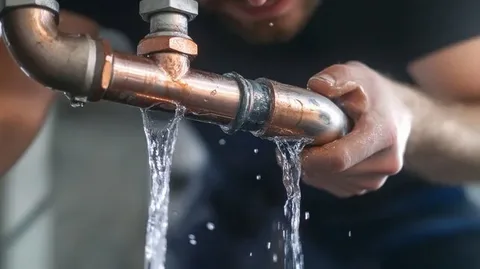

Plumbing emergencies are not always obvious. A toilet overflowing with sewage demands immediate attention, but water slowly escaping beneath a concrete floor can be just as damaging. Both problems may involve underground pipes, although the causes and repair methods can be quite different. This is why bob the plumber of chula vista, san diego uses specialized leak detection to locate hidden slab leaks before determining how to repair the affected plumbing.
When a Wet Floor Points to Something More Serious
Water appearing along baseboards, beneath flooring, or near interior walls may indicate a leak in a pipe running underneath the building. These are commonly called slab leaks, and they can develop in water supply lines due to corrosion, ground movement, or deterioration over time. Because the damaged section is concealed beneath concrete, considerable moisture can accumulate before the problem becomes noticeable.
Other warning signs include unusually high water bills, unexplained drops in water pressure, warm patches on flooring, and the sound of running water when every fixture is turned off. A supply line that continues leaking can saturate surrounding soil and damage flooring materials. The longer the leak remains active, the more difficult and expensive the resulting water damage may become.
Sewer line failures behave differently. Instead of clean water escaping from a pressurized pipe, wastewater may leak into the surrounding ground or back up through household drains. Multiple slow drains, persistent gurgling, sewage odors, and wastewater appearing in showers or floor drains can indicate trouble with the main sewer line. When wastewater enters living spaces, the situation becomes particularly urgent because of the potential exposure to harmful microorganisms.
The Repair Depends on What Actually Broke
Finding the damaged pipe is only part of the investigation. Plumbers also need to determine what caused the failure and whether the surrounding piping remains structurally sound. Camera inspections can help identify blockages, cracks, and separated joints in drain lines. For concealed pressurized water leaks, acoustic equipment and other specialized detection methods may help narrow down the source without unnecessary demolition.
After gaining access to the damaged segment, fixing the issue might entail replacing a portion of the line or sealing a localized leak. While couplings join pipe sections once compromised material is cut out, repair clamps can resolve specific leaks or cracks. Different piping needs are served by the www.store.blairsupplyusa.com selection of repair clamps and couplings, though selecting the right fitting still calls for thoughtful assessment of installation factors, operating pressure, material, and pipe diameter.
A fitting that works on one type of pipe may be unsuitable for another. Underground water lines, sewer connections, and older plumbing materials have different requirements. Some repairs also need to accommodate slight ground movement or connect pipes made from dissimilar materials. Where corrosion or cracking extends through a longer section, replacing the compromised piping may be more reliable than repairing individual leaks.
How to Tell When the Problem Cannot Wait
An occasional slow drain does not necessarily constitute an emergency. However, several fixtures backing up simultaneously may indicate that wastewater has nowhere to go. Continuing to flush toilets, run washing machines, or use showers can force additional sewage into the affected system, increasing the likelihood of an indoor backup.
Hidden water leaks deserve similar attention when moisture continues spreading or water pressure drops unexpectedly. A small leak beneath a slab may remain concealed for weeks, gradually soaking building materials and creating conditions that encourage mold growth. Visible flooding, rapidly expanding damp areas, or signs of significant structural movement should be treated as reasons for immediate professional assessment.
What to Do Before Repairs Begin
The first response should focus on limiting additional damage. If a pressurized water supply line appears to be leaking, shutting off the main water valve can stop further water loss. When sewage is backing up, avoid using fixtures connected to the affected drainage system until the obstruction or damaged line has been investigated.
Keep people and pets away from wastewater, and avoid touching contaminated surfaces without suitable protection. Water near electrical outlets or equipment introduces additional hazards, so affected areas should not be entered if electrical safety is uncertain. Professional cleanup may also be necessary when sewage has spread across absorbent materials.
Attempting an underground repair without identifying the damaged pipe can make matters worse. Chemical drain cleaners cannot correct cracked sewer lines, and digging through concrete without knowing the pipe’s location risks additional damage. A proper inspection helps establish whether the solution requires drain cleaning, a targeted pipe repair, or more extensive replacement.
Preventing the Same Emergency From Returning
Restoring water flow or stopping an active leak does not always resolve the underlying problem. A repaired pipe may continue deteriorating elsewhere if corrosion, unstable soil, or repeated movement caused the original failure. Evaluating the condition of adjacent sections helps determine whether a limited repair will provide reasonable long-term reliability.
Recurring drainage problems, unexplained moisture, and repeated plumbing repairs should be treated as patterns rather than isolated inconveniences. Maintaining accessible inspection points, addressing persistent leaks promptly, and investigating repeated blockages can reduce the chance of an unexpected failure.
The most effective response to underground plumbing trouble begins with understanding what has failed. Identifying the source, evaluating the pipe’s condition, and selecting a repair suited to the actual damage can prevent a manageable plumbing issue from becoming a costly emergency.



