
Best Vagus Nerve Stimulation Device: Top Medical and At-Home Options Compared
Searching for the best vagus nerve stimulation device can quickly become confusing. Some devices are prescription medical treatments supported by condition-specific clinical trials, while others are consumer wellness products promoted for relaxation, sleep, stress management or nervous system balance. Their intended uses, evidence and regulatory status are not interchangeable.
The best VNS device therefore depends on what you are trying to accomplish. Someone managing migraine or cluster headache needs a very different product from a person undergoing rehabilitation after a stroke. A consumer seeking a relaxation routine also has different needs from a patient considering surgically implanted vagus nerve stimulation.
Current options include implanted cervical stimulators, prescription handheld neck devices, transcutaneous auricular vagus nerve stimulation devices worn on the ear and consumer neck wearables. They vary considerably in price, session length, portability, electrical output, clinical oversight and the strength of evidence supporting their advertised benefits.
This guide compares leading vagus nerve stimulation devices without assuming that one product is right for everyone. It explains which devices have established medical indications, which are wellness products, what safety features to examine and when professional medical advice should come before a purchase.
What Is the Best Vagus Nerve Stimulation Device?
For prescription, non-invasive treatment of eligible migraine and cluster headache patients, gammaCore is the strongest medically established handheld option. It has condition-specific regulatory clearance, structured treatment protocols and professional prescribing guidance. It is not a general-purpose stress or sleep device.
For drug-resistant focal epilepsy, LivaNova VNS Therapy is the most established implantable option. The system requires surgery, specialist assessment and ongoing programming by a medical team. It is intended for carefully selected patients whose seizures have not responded adequately to appropriate anti-seizure medicines.
Vivistim is the leading specialised choice for eligible people with chronic ischaemic stroke and moderate-to-severe arm impairment. It pairs implanted vagus nerve stimulation with rehabilitation exercises to support upper-limb recovery. It is not designed as an independent home wellness device or a general stroke treatment.
Among non-prescription options, Nurosym has a comparatively research-focused profile and European medical-device certification, while Truvaga Plus and Pulsetto provide more consumer-oriented neck stimulation. These products may suit wellness routines, but they should not be presented as substitutes for approved treatment of a diagnosed disease.
What Is Vagus Nerve Stimulation?
The vagus nerve is a major communication pathway connecting the brain with organs in the neck, chest and abdomen. It forms an important part of the parasympathetic nervous system, which contributes to functions such as digestion, heart-rate regulation, recovery and the transition from heightened alertness towards a calmer state.
Vagus nerve stimulation uses controlled electrical impulses to influence signals travelling through this nerve. Traditional VNS requires a pulse generator to be implanted under the skin and connected to the nerve in the neck. Newer non-invasive devices stimulate accessible nerve pathways through the skin of the neck or outer ear.
The effects of VNS depend on the stimulation location, electrical waveform, intensity, frequency, pulse width and treatment schedule. Two devices described as vagus nerve stimulators may deliver very different forms of neuromodulation. Results from one device or protocol cannot automatically be applied to every competing product.
Medical VNS is used for specific conditions under defined protocols, while consumer stimulation is often marketed more broadly. Claims involving migraine prevention, seizure reduction or stroke recovery require a higher level of evidence than general claims involving relaxation or everyday stress support.
Types of Vagus Nerve Stimulation Devices
Implantable VNS systems use a surgically placed generator and lead to stimulate the cervical vagus nerve. They deliver repeated stimulation according to settings programmed by a clinician. These systems have the longest clinical history but involve surgical risks, follow-up appointments and eventual generator replacement.
Non-invasive cervical VNS devices are held against or worn around the side of the neck. They send electrical impulses through the skin towards the cervical vagus nerve without an implant. Prescription and consumer versions may look similar, but their regulatory status and intended uses can be completely different.
Transcutaneous auricular vagus nerve stimulation, commonly shortened to taVNS, applies electrical stimulation to selected areas of the outer ear. The tragus or cymba conchae may contain branches associated with the vagus nerve. Correct electrode placement and controlled stimulation parameters are important for meaningful and repeatable use.
Some wellness devices use sound, vibration, breathing guidance or mechanical stimulation and are marketed around vagal relaxation. These products may help users develop a calming routine, but they should not automatically be classified as electrical VNS devices. Always check how a product actually delivers stimulation rather than relying on its marketing language.
How We Evaluated the Leading VNS Devices
Regulatory status is one of the most important comparison factors. FDA approval or clearance for a particular condition carries a different meaning from FDA registration, a research-risk designation, CE marking or classification as a general wellness product. Buyers should identify the precise status rather than accepting a vague “medical-grade” claim.
The quality of supporting evidence also matters. Stronger evidence generally comes from controlled clinical trials using the exact device and a clearly defined patient population. Research about the vagus nerve in general does not prove that every commercial stimulator provides the same physiological or clinical effect.
Usability affects whether a device fits into real life. Important considerations include session duration, electrode placement, intensity controls, portability, battery life, required gel or spray, mobile-app dependence and ongoing subscriptions. A complicated product may be abandoned even when its technology is promising.
Safety instructions, contraindications and access to professional support were also considered. A trustworthy manufacturer should clearly explain who should not use the device, possible adverse effects and what to do when symptoms occur. Products making dramatic promises without meaningful safety information deserve extra caution.
gammaCore: Best Prescription Non-Invasive VNS for Headaches
gammaCore is a handheld non-invasive cervical vagus nerve stimulator used on the side of the neck. It delivers brief electrical stimulation without surgery and can be administered by the patient at home after receiving a prescription and training. Its main advantage is a clear medical purpose rather than broad wellness positioning.
The device has multiple FDA-cleared indications involving acute and preventive treatment of migraine and cluster headache. Its authorised uses include adolescents and adults for certain migraine indications, with adult indications for cluster headache and selected uncommon headache disorders. Eligibility and treatment instructions depend on the individual diagnosis.
gammaCore may appeal to people seeking a non-drug option or an additional treatment alongside their existing headache plan. It avoids injections and implantation, and treatment sessions are relatively brief. However, patients should not stop prescribed headache medication without discussing the change with their clinician.
The main limitations are prescription access, condition-specific eligibility and ongoing cost. It is not intended to treat everyday stress, general anxiety, insomnia or vague symptoms described as poor vagal tone. For a properly diagnosed headache disorder, however, it has stronger regulatory support than ordinary consumer neck stimulators.
LivaNova VNS Therapy: Best Established Implant for Drug-Resistant Epilepsy
LivaNova VNS Therapy is an implanted neuromodulation system with a long history of clinical use. A pulse generator is placed under the skin of the chest and connected to the left vagus nerve in the neck. The device then provides scheduled stimulation according to settings programmed by the treating team.
In the United States, the epilepsy indication covers eligible patients aged four years and older with partial-onset seizures that remain resistant to medication. VNS is generally used as an additional therapy rather than a replacement for anti-seizure drugs. Some patients may experience fewer, shorter or less severe seizures over time.
The system also has an indication for selected adults with chronic or recurrent treatment-resistant depression who have not responded adequately to several appropriate treatments. This is a specialist intervention for severe illness, not a consumer mood-enhancement tool. Benefits may develop gradually and vary substantially between patients.
Implantable VNS requires surgery and ongoing medical management. Possible issues include voice changes, coughing, throat sensations, shortness of breath, swallowing discomfort, infection and device-related complications. MRI planning and certain medical procedures may also require special precautions, making coordinated healthcare essential.
Vivistim Paired VNS: Best for Upper-Limb Stroke Rehabilitation
Vivistim is an implanted system designed for eligible people with chronic ischaemic stroke who have moderate-to-severe impairment of an arm or hand. Unlike devices used continuously for epilepsy, Vivistim pairs short bursts of vagus nerve stimulation with specific rehabilitation movements and functional tasks.
During rehabilitation, a therapist activates stimulation while the patient practises movements involving the affected upper limb. The goal is to reinforce the brain’s response to task-specific training and support neuroplasticity. The device is intended to make structured rehabilitation more effective rather than replace therapy.
After an initial clinical programme, eligible patients may use a magnet to activate stimulation during approved home exercises and daily activities. Successful use therefore depends on rehabilitation participation, realistic goals and support from clinicians familiar with paired VNS therapy.
Vivistim is not appropriate for every stroke survivor. It is specifically associated with chronic ischaemic stroke and qualifying upper-extremity impairment, not every form of stroke or disability. Assessment by a stroke rehabilitation specialist is necessary before discussing surgery or expected outcomes.
Nurosym: Best Research-Focused Auricular VNS Option
Nurosym is a non-invasive auricular neuromodulation device that applies electrical stimulation through an earpiece placed on the tragus. It is designed for repeated home sessions and allows the user to adjust the stimulation intensity to a noticeable but comfortable tingling level.
The product is CE-marked in Europe for vagal neuromodulation and has been used in research involving autonomic, cardiovascular and neuropsychiatric outcomes. In the United States, however, it remains investigational rather than FDA-cleared as a treatment for the broad range of conditions commonly discussed in consumer content.
Nurosym may interest people who prefer ear-based stimulation and place a high value on published research partnerships. Its longer session format may also suit users who can comfortably include a scheduled neuromodulation period in their day. It is less convenient for someone seeking a very brief session.
The main caution is that promising research does not guarantee benefit for every advertised symptom. Anxiety, sleep problems, post-viral symptoms, POTS and inflammatory disorders are complex conditions requiring appropriate assessment. The device should not be used to delay diagnosis or replace established treatment.
Truvaga Plus: Best Short-Session Consumer Neck Device
Truvaga Plus is a handheld cervical stimulation device developed for general wellness use. It is placed on the side of the neck with a conductive solution and delivers short sessions controlled through a mobile application. Its portable design may suit users who prefer a quick, structured routine.
The device is manufactured by electroCore, the company associated with the prescription gammaCore technology. However, Truvaga and gammaCore should not be treated as the same product. Truvaga is marketed as a general wellness device and has not been evaluated by the FDA to diagnose, treat, cure or prevent disease.
Its advantages include rechargeable operation, adjustable intensity, brief sessions and no surgical procedure. The mobile app can help users control sessions and monitor usage. People who dislike ear clips or longer treatment periods may find the handheld neck format easier to incorporate into daily life.
Truvaga should be considered for wellness goals rather than medical treatment. It is not an approved therapy for clinical anxiety, depression, insomnia, migraine or epilepsy. Anyone with significant symptoms should seek an assessment rather than relying on a consumer product to manage an undiagnosed condition.
Pulsetto: Best Hands-Free Consumer Neck Wearable
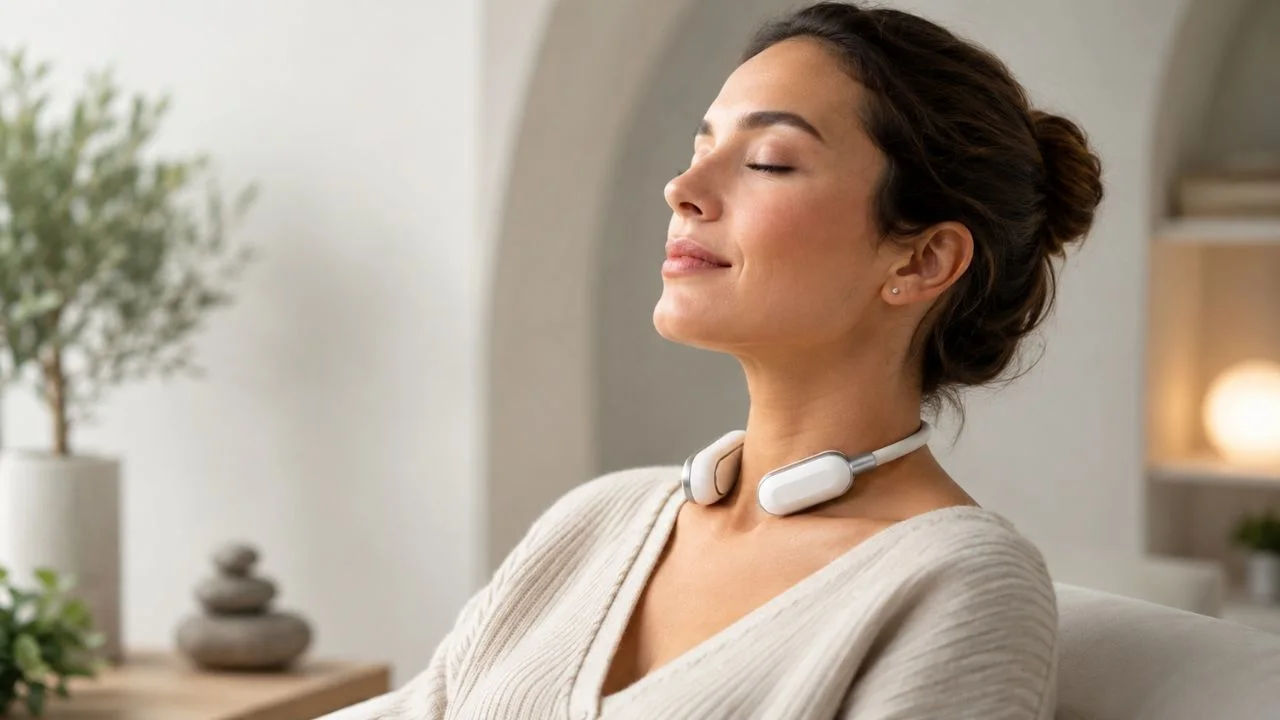
Pulsetto is a wearable neck device marketed for relaxation, stress management and sleep support. Unlike handheld cervical stimulators, it is designed to remain positioned around the neck during a guided session. This may appeal to users who want a more hands-free experience.
The device uses electrical stimulation delivered through neck electrodes and generally works with a companion app. Its guided programmes and wearable format provide a simple wellness routine for people who prefer technology-assisted relaxation. Conductive gel and correct positioning may be required for consistent skin contact.
Pulsetto is a wellness product rather than an FDA-cleared treatment for anxiety disorders, insomnia, depression or other diseases. Marketing about activating the parasympathetic nervous system should not be interpreted as proof that it can produce a particular medical outcome for every user.
The neck-wearable design may not suit people with sensitive skin, neck discomfort or difficulty maintaining electrode contact. Users should read the full contraindication list before purchase. Anyone with a cardiac, neurological or implanted-device concern should obtain medical advice before applying electrical stimulation to the neck.
Which VNS Device Is Best for Anxiety, Stress or Sleep?
No consumer vagus nerve stimulator can currently be described as the universally best treatment for anxiety or insomnia. Research into transcutaneous VNS has reported encouraging results in some populations, but devices, dosages, study designs and outcome measures differ widely. Larger and more consistent trials are still needed.
Nurosym may be the stronger research-oriented choice where it is legally available under its intended regulatory status. Truvaga Plus may be more convenient for people wanting very short handheld sessions, while Pulsetto may suit users who prefer a wearable, app-guided experience.
These comparisons relate to product format and wellness use, not proven treatment superiority. A person with persistent anxiety, panic attacks, trauma symptoms, severe insomnia or depression needs a proper clinical assessment. Such symptoms may require psychological therapy, medication, sleep treatment or investigation of another condition.
Low-risk approaches such as regular sleep timing, exercise, slow breathing and evidence-based stress management may also provide meaningful benefits without purchasing a device. A stimulator should complement healthy routines rather than create the belief that nervous system regulation depends on an expensive gadget.
Ear VNS vs Neck VNS: Which Is Better?
Ear stimulation targets accessible auricular nerve branches and usually involves an electrode clipped or placed around a specific part of the outer ear. It can be discreet and avoids direct stimulation over the neck. Correct placement matters because not every area of the ear has the same nerve distribution.
Neck stimulation targets the cervical vagus nerve through the skin. Handheld products require the user to locate the correct area and maintain firm contact, while wearable designs hold electrodes in position. Conductive gel or spray may be needed to improve the electrical connection.
Neither location is automatically superior for every purpose. Prescription cervical stimulation has stronger established evidence for certain headache disorders, while auricular VNS is being studied across a wider range of emerging applications. Consumer neck and ear products should be judged by device-specific evidence rather than location alone.
Comfort may ultimately influence consistency. Ear clips can cause local tenderness, while neck electrodes may produce tingling, muscle movement or skin irritation. A device that feels painful, causes significant dizziness or creates persistent symptoms should not be used at a stronger setting simply to chase faster results.
Conditions With the Strongest Evidence for VNS
The strongest established medical applications involve drug-resistant epilepsy, selected treatment-resistant depression, particular headache disorders and paired upper-limb rehabilitation after chronic ischaemic stroke. These uses rely on specific medical devices, carefully selected patients and structured treatment protocols.
Evidence for implantable VNS in epilepsy has developed over decades, although it does not eliminate seizures for every patient. Improvement may be gradual, and some people respond more strongly than others. Medication and specialist follow-up usually remain necessary after implantation.
For headache, non-invasive cervical VNS offers a condition-specific alternative for eligible migraine and cluster headache patients. Its benefit depends on using the correct protocol for acute treatment or prevention. A consumer neck stimulator cannot be assumed to reproduce the same clinical result.
Research into auricular VNS for sleep, pain, mood, digestive disorders, inflammation and autonomic conditions is expanding. Many findings remain preliminary or affected by inconsistent stimulation settings. Emerging evidence should be understood as a reason for continued research, not proof of a universal home treatment.
How to Choose the Right Vagus Nerve Stimulator
Begin by defining the problem you want to address. A diagnosed neurological or psychiatric condition requires discussion with the relevant specialist. Consumer product comparisons are not an appropriate substitute when the goal is seizure control, migraine treatment, stroke rehabilitation or management of severe depression.
Next, confirm the device’s exact regulatory status in your country. Look for the condition named in the authorised indication rather than assuming that general approval covers every possible use. “FDA registered,” “FDA listed” and “used in FDA-approved research” do not mean FDA-cleared to treat a disease.
Review the treatment burden before purchasing. Consider how often sessions are required, how long they last and whether you need an app, prescription, conductive gel, replacement electrodes or paid membership. These practical details can significantly affect the total cost and long-term usefulness.
Finally, examine the return policy, warranty, customer support and published contraindications. Look for transparent technical details and device-specific research. Avoid products that promise to reset the nervous system instantly, cure numerous unrelated diseases or guarantee dramatic results for every user.
Important Features to Compare
Adjustable intensity is essential because electrical stimulation should be noticeable without becoming painful. A good device should allow gradual changes and provide clear guidance about the expected sensation. Maximum intensity does not necessarily produce a better therapeutic or wellness response.
Electrode design affects comfort and positioning. Ear devices should fit securely without causing excessive pressure, while neck devices need reliable skin contact. Replacement parts, conductive solution and cleaning requirements should be considered before deciding that a lower purchase price represents better value.
App dependence can be helpful or restrictive. Guided sessions, reminders and tracking may improve consistency, but an app can create compatibility, privacy and long-term support concerns. Check whether the device continues working if the company changes its software or introduces a subscription.
Battery life, recharge time, portability and durability also matter. A device used several times per week should be easy to maintain and store. For implanted systems, battery longevity and replacement surgery become part of the clinical planning process rather than ordinary consumer maintenance.
Vagus Nerve Stimulation Safety and Contraindications
Electrical VNS should not be treated like an ordinary relaxation accessory. People with pacemakers, implanted hearing devices, defibrillators or other active electronic implants may be advised not to use certain external stimulators because of possible interference or safety concerns.
Additional caution may apply to pregnancy, significant heart-rhythm problems, carotid artery disease, previous neck surgery, fainting disorders, epilepsy and serious cardiovascular conditions. The exact contraindications vary by device, so the manufacturer’s instructions and professional advice should take priority.
Do not place electrodes over broken, infected, swollen or irritated skin. Electrical stimulation should not be applied over the front of the throat, directly across the chest or in an improvised position. Use only the placement shown in the official instructions for that particular device.
Prescription and implanted systems have their own detailed warnings involving surgery, medical imaging and other treatments. Patients should inform dentists, surgeons, imaging staff and emergency clinicians about an implanted neurostimulator. A medical identification card may provide important device information.
Possible Side Effects of VNS Devices
Non-invasive ear stimulation commonly produces mild sensations such as tingling, ear discomfort, skin irritation or temporary headache. Neck stimulation may cause local redness, muscle twitching, discomfort, coughing, throat sensations or brief changes in voice during use.
Implantable cervical VNS can cause voice alteration, hoarseness, coughing, throat pain, swallowing difficulty, shortness of breath or sleep-related breathing concerns. Surgical complications may include infection, bleeding, nerve injury, scarring or problems with the generator and lead.
Stop a consumer session when stimulation causes chest pain, faintness, severe dizziness, difficulty breathing, intense headache, persistent heart palpitations or neurological symptoms. Do not repeatedly restart the session at a lower setting without first considering whether medical assessment is appropriate.
Mild tingling does not prove that the vagus nerve is being stimulated effectively, and strong discomfort does not mean the device is working better. Follow the recommended intensity and session schedule. Excessive or improvised use may increase irritation without providing additional benefit.
Cost, Prescriptions and Insurance Coverage
Medical VNS systems can involve substantial costs, but insurance coverage may be available when a patient meets the relevant clinical criteria. Coverage depends on the diagnosis, insurer, treatment history, location, provider network and whether prior authorisation is required.
Implantable VNS costs can include specialist consultations, surgery, hospital fees, device programming, rehabilitation and future generator replacement. Patients considering LivaNova VNS Therapy or Vivistim should request a complete estimate from their healthcare provider and insurer.
Prescription gammaCore access and coverage also vary. Some patients may qualify through private insurance, public programmes, manufacturer support or specialist headache services. Checking ongoing supply or activation costs is important because the initial device price may not represent the full expense.
Consumer devices are normally paid for directly and may not be covered by medical insurance. Compare the total cost over at least one year, including gel, spray, electrodes, app subscriptions and shipping. Avoid financing a costly wellness product based on guaranteed health claims.
Why You Should Not Use a Regular TENS Unit on Your Neck
A general-purpose TENS machine is designed for peripheral pain relief and is not automatically configured for vagus nerve stimulation. Its waveform, intensity range, electrode size and safety instructions may be unsuitable for the sensitive structures of the neck or ear.
Placing ordinary TENS electrodes around the front or sides of the neck without professional guidance could stimulate muscles or other nerves and may affect vulnerable structures. Instructions found in an online video cannot verify whether a homemade setup delivers safe or meaningful vagal stimulation.
DIY ear clips and unbranded stimulators can also create problems involving inconsistent electrical output, poor electrode placement and inadequate safety testing. A low price does not compensate for missing technical information, contraindications or quality control.
Choose a device specifically designed for its claimed stimulation location and use it exactly as instructed. When the desired outcome is medical, obtain professional guidance rather than attempting to recreate a clinical device with general electrical equipment.
Final Verdict: Which Vagus Nerve Stimulation Device Is Best?
gammaCore is the leading non-invasive prescription option for eligible patients with its authorised headache indications. It combines at-home use with condition-specific evidence and professional oversight. It should be chosen through a healthcare provider rather than purchased as a general wellness device.
LivaNova VNS Therapy is the most established implantable choice for qualifying drug-resistant epilepsy patients and may be considered for selected adults with severe treatment-resistant depression. Vivistim is the specialised option for eligible chronic ischaemic stroke survivors undertaking upper-limb rehabilitation.
For non-prescription stimulation, Nurosym offers a research-oriented auricular format and European medical-device status, while Truvaga Plus and Pulsetto provide consumer-friendly cervical wellness options. None should be described as an approved cure for stress, anxiety, poor sleep or autonomic illness.
The best decision starts with the intended purpose, not the product’s popularity. Confirm regulatory status, examine device-specific evidence and review contraindications before buying. When symptoms are persistent, severe or medically diagnosed, speak with a qualified clinician before using any vagus nerve stimulation device.
Frequently Asked Questions
What is the best vagus nerve stimulation device for anxiety?
No device is universally proven as the best treatment for anxiety. Consumer VNS products may support relaxation, but a diagnosed anxiety disorder should be assessed and treated by a qualified professional.
Is there an FDA-approved vagus nerve stimulator for home use?
gammaCore is an FDA-cleared prescription device that eligible patients can use at home for specific headache disorders. Consumer wellness stimulators do not have the same medical status.
Do vagus nerve stimulators really work?
Certain prescription and implanted systems have evidence for specific medical conditions. Evidence for consumer devices used for stress, sleep and general wellness is more limited and varies by product.
Is ear or neck vagus nerve stimulation better?
Neither is best for every purpose. Prescription neck stimulation has established headache indications, while ear stimulation is being researched for several emerging uses with varying levels of evidence.
Who should not use a vagus nerve stimulation device?
People with implanted electronic devices, certain heart conditions, pregnancy or significant neurological or neck problems may need to avoid VNS. Always check the product’s contraindications and ask a clinician when uncertain.