
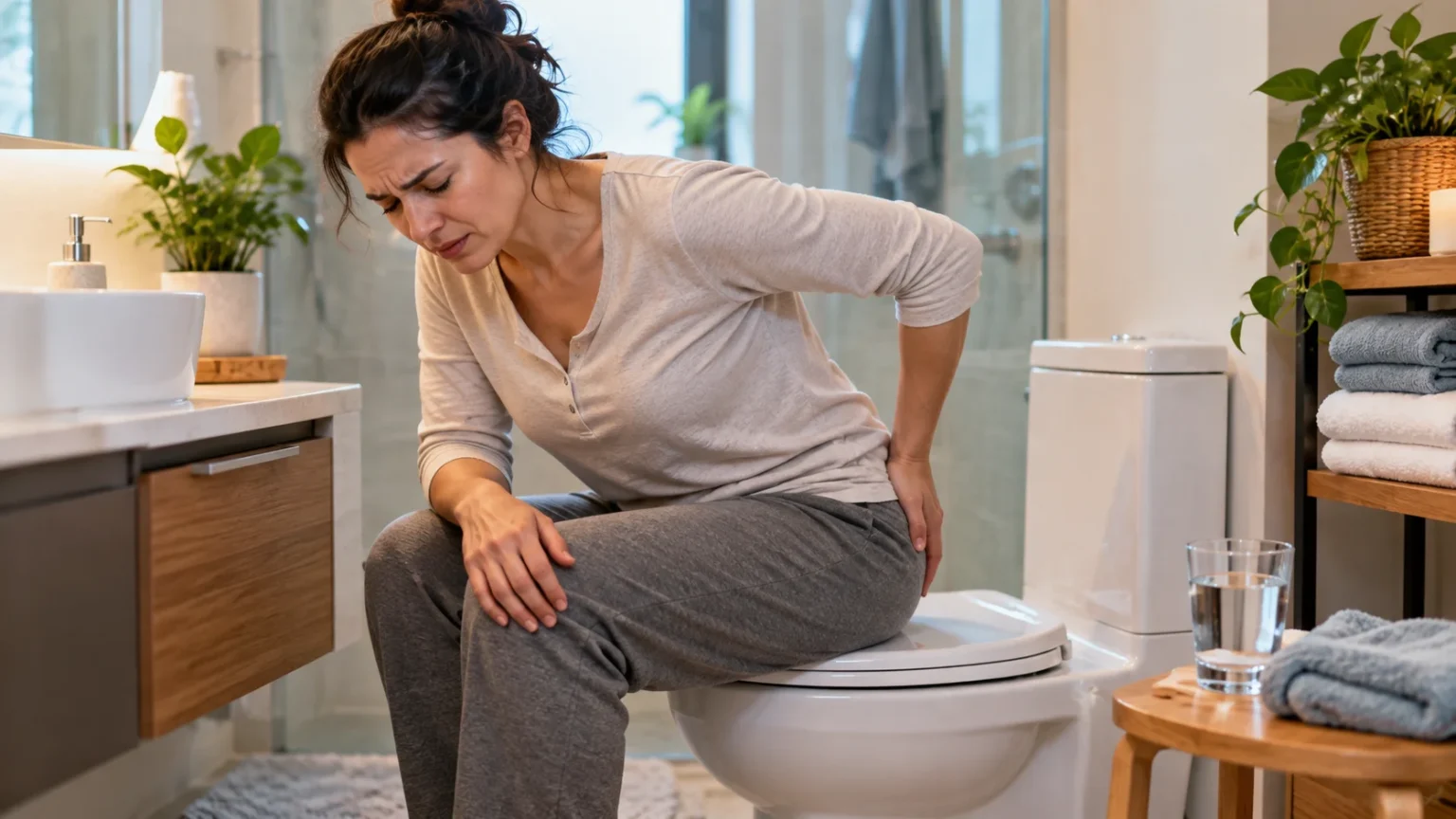

What Does Sharp Pain in the Rectum Feel Like?
Sharp pain in the rectum can appear suddenly and feel like a stabbing, pinching, cramping, or electric sensation inside or around the anus. For some people, the discomfort lasts only a few seconds, while others experience pain that continues for several minutes or longer. The sensation may occur during a bowel movement, while sitting, or seemingly without an obvious trigger.
The rectal and anal areas contain muscles, nerves, blood vessels, and sensitive tissues that can produce pain when irritated or placed under pressure. Even a relatively small problem, such as a minor tear or muscle spasm, can sometimes create intense discomfort. The location and timing of the pain can therefore provide useful clues about its possible cause.
Occasional brief rectal pain is often temporary, but repeated or severe episodes deserve more attention. Symptoms such as rectal bleeding, fever, swelling, discharge, constipation, diarrhea, or changes in bowel habits can help distinguish one possible cause from another. Understanding these patterns can help you decide whether self-care may be reasonable or medical evaluation is needed.
Common Causes of Sharp Rectal Pain
Several conditions can cause sharp pain in the rectum, ranging from temporary muscle spasms to irritation around the anal opening. Common possibilities include anal fissures, hemorrhoids, constipation, pelvic floor muscle tension, and proctalgia fugax. In some cases, infections, inflammation, or problems involving surrounding muscles and nerves may also contribute to discomfort.
The timing of symptoms often matters. Pain that becomes intense during or immediately after passing stool may be associated with an anal fissure or irritated hemorrhoid. Sudden stabbing pain that appears without a bowel movement and disappears within minutes may be more consistent with a brief spasm involving muscles in the rectal or pelvic area.
Less commonly, persistent rectal pain can result from an abscess, inflammatory bowel condition, injury, or another problem requiring professional treatment. Because different conditions may produce similar sensations, symptoms that continue, worsen, or repeatedly return should not automatically be blamed on hemorrhoids. A healthcare professional can examine the area and determine what may actually be causing the pain.
Proctalgia Fugax and Sudden Rectal Spasms
Proctalgia fugax describes episodes of sudden, intense pain in the anal or rectal area that usually last a short time. The pain can feel like a powerful cramp, stabbing sensation, or muscle spasm deep inside the rectum. Episodes may happen unexpectedly during the day or night and often disappear as suddenly as they begin.
These episodes are thought to involve temporary spasms of muscles surrounding the anus or pelvic floor. Stress, bowel movements, sexual activity, or prolonged sitting may sometimes appear to trigger symptoms, although many episodes occur without an identifiable cause. Between attacks, a person may feel completely normal and have no continuing pain or tenderness.
Brief occasional episodes may not require specific treatment beyond relaxation and gentle comfort measures. Warmth, slow breathing, and changing position may help the surrounding muscles relax until the episode passes. However, recurrent or unusually long-lasting attacks should be discussed with a healthcare professional to make sure another rectal or pelvic condition is not causing the symptoms.
Can an Anal Fissure Cause Sharp Rectal Pain?
An anal fissure is a small tear in the tissue lining the anal opening and is a common cause of sharp pain during bowel movements. Passing a hard, dry, or unusually large stool can stretch and damage the sensitive tissue. The resulting pain is often described as cutting, burning, or tearing and may continue for some time after using the bathroom.
You may also notice a small amount of bright red blood on toilet paper or on the surface of the stool. Pain can make people hesitant to have another bowel movement, which sometimes worsens constipation and creates a cycle of hard stools and repeated irritation. Keeping stool soft is therefore an important part of supporting healing and preventing further strain.
Drinking enough fluids, gradually increasing dietary fiber, and avoiding excessive straining may help mild fissures improve. Warm sitz baths can also soothe the anal area and help tense muscles relax. If pain or bleeding continues, a healthcare professional may recommend additional treatment to encourage healing and reduce muscle tension around the anal opening.
Hemorrhoids and Rectal Discomfort
Hemorrhoids are swollen veins around the anus or lower rectum that can cause pressure, itching, tenderness, bleeding, or pain. Internal hemorrhoids are often less painful, while external hemorrhoids may become uncomfortable when irritated or swollen. A thrombosed external hemorrhoid, which contains a blood clot, can produce sudden and sometimes severe localized pain.
Hemorrhoid symptoms may become worse after straining, constipation, prolonged sitting on the toilet, pregnancy, or repeated heavy lifting. You may notice a tender lump near the anal opening or bright red blood after passing stool. Although hemorrhoids are common, rectal bleeding should not automatically be assumed to come from hemorrhoids without proper evaluation.
Gentle bowel habits can reduce unnecessary pressure on swollen veins. Avoid prolonged toilet sitting, drink adequate fluids, and eat enough fiber to make stools easier to pass. Warm sitz baths and short periods of comfortable activity may provide additional relief, while persistent bleeding, severe swelling, or significant pain should be assessed professionally.
Constipation and Pain During Bowel Movements
Constipation can cause sharp rectal pain when hard stool stretches sensitive tissues during a bowel movement. Large or dry stools may irritate the anal canal, contribute to fissures, or place pressure on hemorrhoids. Some people also experience a feeling that stool is stuck in the rectum, making them strain harder and increasing discomfort.
Repeated straining can tighten the pelvic floor muscles instead of allowing them to relax normally. This can make bowel movements more difficult and may create pressure, cramping, or aching around the rectum. Spending long periods pushing on the toilet may therefore worsen the problem rather than helping stool pass more effectively.
Regular hydration, fiber-rich foods, and daily physical movement can help support comfortable bowel habits. Increasing fiber gradually is usually more comfortable than making a sudden large change, especially if bloating is already present. Persistent constipation, unexplained changes in stool pattern, or difficulty passing stool despite lifestyle changes should be discussed with a healthcare professional.
Pelvic Floor Muscle Spasms and Rectal Pain
The pelvic floor is a group of muscles that supports the bladder, bowel, and other structures within the pelvis. These muscles normally tighten and relax throughout daily activities, including bowel movements. When they remain overly tense or begin to spasm, they can create pressure, aching, cramping, or sharp sensations that may be felt around the rectum.
Pelvic floor tension can sometimes make it difficult to relax properly while passing stool. A person may feel pressure or pain even when there is no obvious external problem around the anus. Symptoms may also be associated with prolonged sitting, stress, certain exercise patterns, or muscle tension involving nearby areas of the hips and lower back.
Slow diaphragmatic breathing, comfortable movement, and avoiding excessive straining may help reduce unnecessary muscle guarding. Aggressive stretching is not always appropriate when the pelvic area already feels irritated or painful. People with persistent pelvic floor symptoms may benefit from assessment by a healthcare professional or pelvic health physical therapist who can identify the specific muscles involved.
Can Lower Back Problems Cause Rectal Pain?
The lower back, pelvis, hips, and pelvic floor work closely together, which means tension or irritation in one area can sometimes influence another. Tight muscles around the lower spine and hips may contribute to altered movement patterns and increased pelvic tension. However, not every episode of rectal pain comes from the back, so other local causes still need consideration.
Nerve irritation in the lower spine or pelvic region can occasionally create unusual sensations involving the buttocks, pelvis, or rectal area. Muscle tightness may also occur alongside episodes of back muscle spasms, particularly when surrounding muscles begin compensating for discomfort. These symptoms can overlap, making it difficult to identify the exact source without an appropriate assessment.
Rectal pain combined with significant lower-back pain, spreading numbness, leg weakness, or changes in bladder or bowel control requires more urgent attention. These symptoms can sometimes indicate significant nerve involvement rather than a simple muscle problem. Do not rely solely on stretching or massage when neurological symptoms are developing or getting progressively worse.
At-Home Relief for Mild Rectal Pain
For mild symptoms related to irritation, constipation, or muscle tension, a warm sitz bath may provide temporary relief. Sitting in comfortably warm water can soothe sensitive tissues and encourage tight muscles around the anus and pelvic floor to relax. Avoid water that is excessively hot, since heat that irritates the skin may make discomfort worse.
Keeping bowel movements soft can also reduce pressure on painful tissue. Drink fluids regularly, eat fiber-containing foods, and avoid repeatedly delaying bowel movements when you feel the urge. Try not to strain or remain seated on the toilet for a long time, because prolonged pressure may aggravate fissures, hemorrhoids, and pelvic muscle tension.
Gentle walking can be helpful if prolonged sitting contributes to pressure or stiffness around the pelvis. When symptoms feel muscular, slow breathing and comfortable positional changes may also reduce guarding. Avoid inserting objects, aggressively massaging the rectal area, or repeatedly using treatments without knowing the cause, particularly when symptoms are severe or persistent.
How to Prevent Recurring Sharp Rectal Pain
Healthy bowel habits can reduce several common triggers of rectal discomfort. Aim for stools that are soft enough to pass without excessive pushing by combining regular fluids, balanced nutrition, fiber, and physical activity. If you frequently become constipated, identifying your usual dietary, activity, and bathroom patterns may help reveal factors that contribute to recurring episodes.
Try to avoid spending unnecessary time sitting on the toilet while reading or using your phone. Extended sitting increases pressure around the anal area and may aggravate existing hemorrhoids or irritation. Responding to the natural urge to have a bowel movement rather than regularly delaying it may also help prevent stool from becoming increasingly hard and difficult to pass.
People who experience pelvic or lower-back muscle tension may benefit from regular comfortable movement throughout the day. Changing position after long periods of sitting and gradually improving hip and trunk mobility can reduce stiffness. When pain repeatedly returns despite these adjustments, professional assessment is more useful than continually experimenting with stretches or home remedies.
When Should You Worry About Sharp Rectal Pain?
Seek medical advice when rectal pain is persistent, becoming more intense, or regularly interfering with bowel movements and daily activities. Severe pain accompanied by a tender lump, significant swelling, discharge, or fever may indicate an infection or abscess requiring treatment. Rectal bleeding that is heavy, recurring, unexplained, or associated with other bowel changes should also be evaluated.
You should also seek prompt care if you experience black or tarry stool, significant abdominal pain, unexplained weight loss, persistent diarrhea, or major changes in bowel habits. These symptoms do not automatically indicate a serious condition, but they should not be ignored. Early evaluation helps identify the cause instead of repeatedly treating symptoms without knowing what is happening.
Urgent medical attention is particularly important when rectal or pelvic pain occurs alongside new loss of bladder or bowel control, numbness around the groin or inner thighs, or significant leg weakness. These neurological symptoms may require rapid assessment. Sudden severe pain after a major injury also warrants professional evaluation rather than home treatment alone.
Conclusion
Sharp pain in the rectum can result from several different problems, including anal fissures, hemorrhoids, constipation, temporary rectal spasms, and pelvic floor tension. The timing and pattern of symptoms often provide helpful clues. Mild occasional discomfort may settle with gentle self-care, particularly when constipation or temporary muscle tension is involved.
Supporting comfortable bowel movements is one of the most practical ways to reduce recurring irritation. Adequate hydration, gradual fiber intake, regular movement, and avoiding excessive straining can reduce unnecessary pressure around the rectal area. Warm sitz baths and relaxation techniques may also provide temporary comfort when symptoms are mild.
Persistent, worsening, or unexplained rectal pain deserves medical evaluation, especially when it occurs with bleeding, fever, swelling, neurological symptoms, or significant bowel changes. Different conditions can feel remarkably similar, so identifying the actual cause is important. Appropriate treatment depends on whether the problem involves irritated tissue, swollen veins, muscle spasms, infection, or another underlying issue.
FAQs
Why do I get a sudden stabbing pain in my rectum?
Sudden stabbing rectal pain may result from a brief muscle spasm such as proctalgia fugax, an anal fissure, or another form of irritation. Recurrent or severe episodes should be professionally evaluated.
Can constipation cause sharp pain in the rectum?
Yes. Hard or large stools can stretch sensitive anal tissue, worsen hemorrhoids, or cause small fissures. Repeated straining may also tighten pelvic floor muscles and increase rectal pressure.
How can I relieve sharp rectal pain at home?
Warm sitz baths, comfortable movement, hydration, and keeping stools soft may help mild symptoms. Avoid excessive straining and seek medical advice if pain is severe, persistent, or associated with bleeding.
Can pelvic floor muscles cause rectal pain?
Yes. Tight or spasming pelvic floor muscles can create pressure, aching, cramping, or sharp sensations around the rectum. Symptoms may become more noticeable during bowel movements or prolonged sitting.
When is rectal pain an emergency?
Seek urgent care for severe rectal or pelvic pain with heavy bleeding, fever, major swelling, loss of bladder or bowel control, groin numbness, or new significant weakness in the legs.



