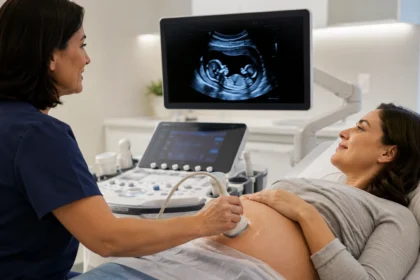

Pelvic floor muscles support the bladder, bowel, reproductive organs, and core, but they are not supposed to stay tense all day. When these muscles become overactive or difficult to release, you may notice pelvic pressure, painful urination, constipation, discomfort during sex, or a constant feeling that something is tight in the pelvis.
Learning how to relax pelvic floor muscles is different from simply trying to “stop squeezing.” True relaxation often involves breathing, gentle movement, comfortable positioning, better bathroom habits, and reducing the nervous system’s tendency to stay on high alert. Small, consistent changes usually work better than aggressively stretching or forcing the muscles to loosen.
The following techniques can help you understand pelvic floor relaxation and practice it safely at home. These strategies are intended for general self-care rather than diagnosis or treatment of a specific medical condition. Persistent, severe, or unexplained pelvic pain should always be discussed with an appropriate healthcare professional.
What Does It Mean to Relax Your Pelvic Floor Muscles?
Pelvic floor relaxation means allowing the muscles at the base of your pelvis to soften, lengthen, and move naturally instead of remaining contracted. Think of these muscles like any other muscle group: they should be able to tighten when needed and release afterward. Problems can develop when they remain partially contracted for long periods.
During healthy breathing, the pelvic floor and diaphragm work together. As you inhale, the diaphragm moves downward and the pelvic floor gently lengthens or drops. When you exhale, both structures naturally move upward again without requiring a strong conscious squeeze.
Relaxation therefore does not mean pushing the pelvic floor downward as hard as possible. Instead, the goal is to reduce unnecessary muscle guarding and restore comfortable movement. Learning this difference is especially important if you have a hypertonic pelvic floor, pelvic discomfort, urinary urgency, or difficulty with bowel movements.
Signs Your Pelvic Floor May Be Too Tight
A tight pelvic floor can cause more than pelvic pain. Some people experience urinary urgency, frequent urination, difficulty starting their urine stream, incomplete emptying, constipation, painful bowel movements, or pressure around the bladder and rectum. Symptoms can vary depending on which pelvic muscles are overactive.
Sexual discomfort may also occur when the muscles surrounding the vaginal or rectal area cannot relax properly. Some people describe burning, aching, pressure, or a sensation of tightness during penetration. Others notice pelvic spasms or discomfort that continues after sexual activity.
Muscle tension may also contribute to discomfort in nearby areas such as the lower abdomen, hips, tailbone, lower back, and inner thighs. Because these structures work together during movement and posture, pelvic floor tension rarely exists completely in isolation. Recognizing these patterns can help you understand why relaxation often requires a whole-body approach.
Why Do Pelvic Floor Muscles Become Tight?
Pelvic floor muscles may tighten in response to pain, stress, injury, prolonged sitting, intense exercise, or repeated straining. Sometimes the body contracts these muscles automatically as a protective response. If that protective tension continues after the original trigger has disappeared, the muscles may gradually become accustomed to staying contracted.
Bathroom habits can also contribute to excessive tension. Frequently holding urine, pushing hard during bowel movements, or repeatedly urinating “just in case” can interfere with normal pelvic floor coordination. Constipation may be particularly challenging because repeated straining can increase pressure throughout the pelvic region.
Stress and nervous system activity can play an important role as well. When your body feels threatened or overwhelmed, muscles throughout the body may tighten without conscious effort, including the jaw, shoulders, abdomen, and pelvic floor. Reducing this protective response can therefore be an important part of learning how to release pelvic floor tension.
Use Diaphragmatic Breathing to Release Pelvic Floor Tension
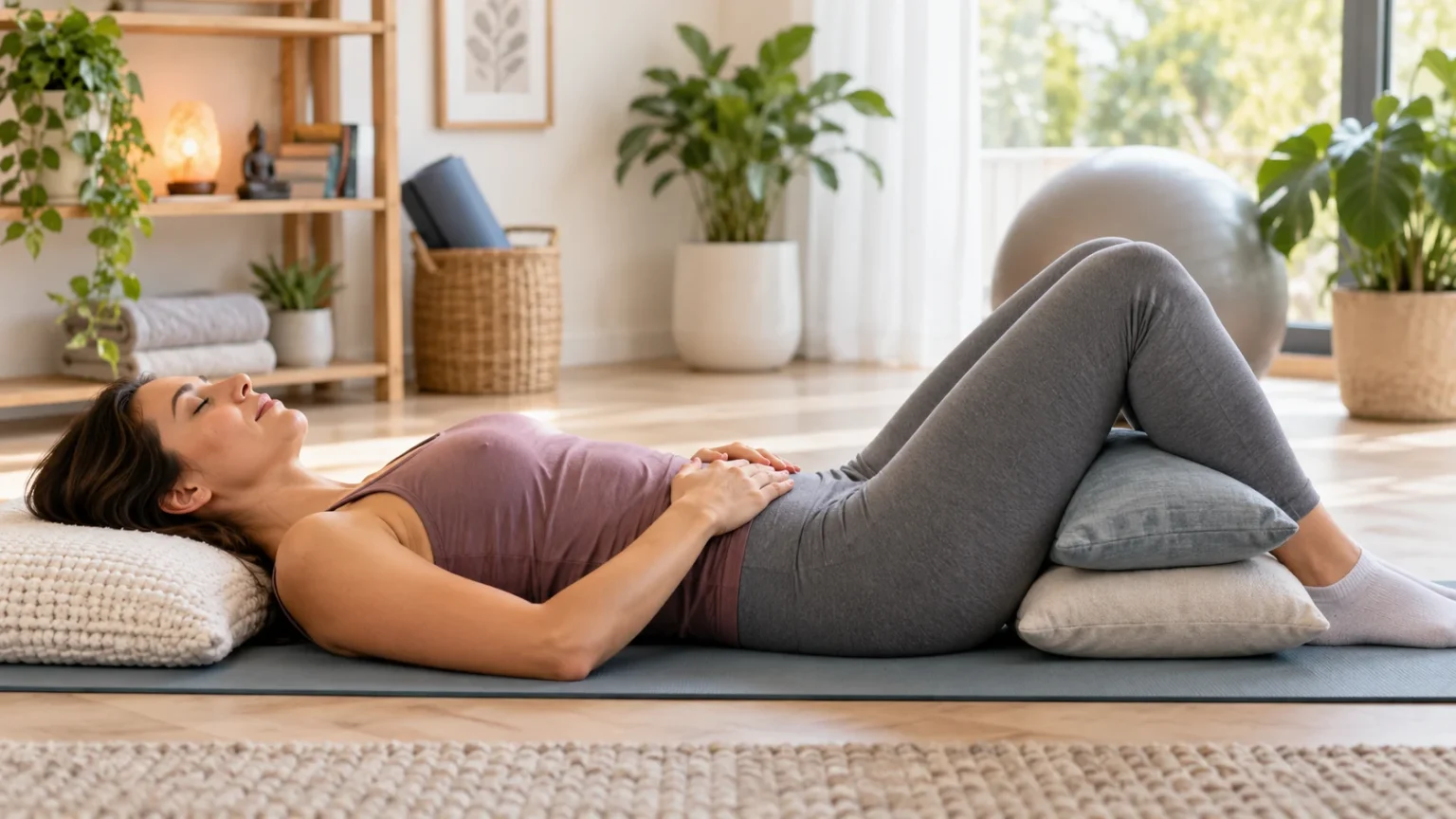
Diaphragmatic breathing is one of the simplest pelvic floor relaxation exercises because breathing and pelvic floor movement are naturally connected. Lie comfortably on your back with your knees bent or place pillows beneath your legs. Rest one hand on your chest and the other over your lower abdomen.
Slowly inhale through your nose and allow your ribs and abdomen to expand gently rather than forcing your stomach outward. Imagine the pelvic floor becoming heavier, wider, and softer as you breathe in. Avoid pushing downward or bearing down because the movement should feel passive and comfortable.
Exhale slowly through your mouth and allow your abdomen to return naturally. Try several minutes of slow breathing while consciously releasing tension from your jaw, glutes, inner thighs, and abdomen. Practicing this technique for five to ten minutes regularly can help you become more aware of unnecessary pelvic muscle contraction.
Try Gentle Pelvic Floor Relaxation Stretches
Gentle stretching can reduce tension in muscles surrounding the pelvis and hips. Positions such as child’s pose, happy baby, butterfly stretch, and supported deep squats may encourage the pelvic floor to lengthen naturally. Move only within a comfortable range rather than trying to create an intense stretch.
Child’s pose can be particularly relaxing because it combines hip opening with diaphragmatic breathing. Kneel comfortably, separate your knees slightly, and lower your upper body toward the floor while supporting yourself with pillows if necessary. Take slow breaths and imagine the muscles underneath your pelvis softening with each inhale.
Happy baby is another common relaxation position that gently opens the hips and inner thighs. Lie on your back, bring your knees toward your chest, and hold behind your thighs or around your feet if comfortable. Stop any exercise that increases pelvic pressure, numbness, sharp pain, or other uncomfortable symptoms.
Find Comfortable Positions That Encourage Pelvic Floor Release
Your position can make a noticeable difference when practicing pelvic floor relaxation. Lying on your back with pillows underneath your knees reduces the amount of muscular effort required to support your legs and pelvis. This position can make diaphragmatic breathing easier when you are first learning how to relax.
Side lying may feel better for people who experience discomfort while lying flat. Place a pillow between your knees and allow your abdomen, hips, and gluteal muscles to soften. Focus on releasing your stomach rather than constantly pulling it inward or maintaining a rigid core.
Supported sitting can also work when lying down is inconvenient. Sit with both feet supported, keep your shoulders relaxed, and avoid gripping your glutes or tightening your stomach. Comfort matters because muscles are much more likely to release when your body feels supported rather than forced into an uncomfortable posture.
Move Gently Instead of Staying in One Position Too Long
Sitting for extended periods can contribute to stiffness around the hips, lower back, and pelvic area. Taking short movement breaks throughout the day can reduce sustained pressure and encourage circulation. Even two or three minutes of comfortable walking, hip movement, or gentle stretching can help interrupt prolonged muscle guarding.
Your feet, legs, hips, and pelvis also work together whenever you stand and walk. Discomfort elsewhere in the movement chain can sometimes cause you to change your posture or walking pattern without noticing it. For example, persistent arch of foot pain may alter how you distribute weight and move through your legs and hips.
You do not need intense exercise to support pelvic relaxation. Walking at an easy pace, gentle hip circles, supported mobility exercises, and relaxed stretching may be more useful than repeatedly pushing into discomfort. If a particular activity consistently increases pelvic pain or muscle tension, temporarily modifying it may help while you identify the underlying cause.
Use Warmth to Help Tight Muscles Relax
Warmth can feel soothing when pelvic floor tension occurs alongside aching or muscle guarding. A warm bath allows the hips, lower abdomen, and pelvic area to relax while reducing the need to actively support your body. Combining warmth with slow breathing can make the relaxation experience even more comfortable.
A heating pad may also be placed over the lower abdomen, inner thighs, hips, or lower back depending on where tension is felt. Keep the temperature comfortable rather than extremely hot, and avoid applying excessive heat directly to sensitive skin. Heat should feel calming and should never create burning or irritation.
Gentle external massage around the hips, glutes, lower abdomen, and inner thighs may provide additional relaxation for some people. You do not need to press deeply for massage to be useful. Slow, comfortable pressure combined with breathing can help your nervous system recognize that these surrounding muscles do not need to remain guarded.
Improve Your Bladder and Bowel Habits
Bathroom habits affect the pelvic floor more than many people realize. Try not to repeatedly hold urine for extremely long periods, but also avoid urinating constantly when your bladder is not reasonably full. Developing a comfortable routine can help the pelvic muscles coordinate normally with bladder emptying.
When having a bowel movement, avoid holding your breath and pushing aggressively. Placing your feet on a small stool can bring the knees slightly above the hips and create a more comfortable position for bowel emptying. Slow breathing can also help the pelvic floor release instead of tightening against the pressure.
Constipation should not be ignored when pelvic floor tightness is present because repeated straining can reinforce dysfunctional muscle patterns. Adequate fluids, suitable dietary fiber, movement, and regular bathroom habits may help maintain softer stools. Persistent constipation or difficulty emptying the bowel should be discussed with a healthcare professional.
Calm Your Nervous System to Reduce Muscle Guarding
Pelvic floor tension can sometimes increase during periods of stress, anxiety, poor sleep, or emotional strain. This does not mean that pelvic symptoms are imaginary or simply caused by stress. Instead, the nervous system influences muscle tone throughout the body and can increase protective guarding when it perceives a threat.
Simple relaxation practices may help reduce this automatic response. Slow breathing, progressive muscle relaxation, meditation, gentle walking, calming music, and spending time in comfortable environments can all encourage the nervous system to shift away from constant alertness. Choose techniques that genuinely feel calming rather than forcing yourself to relax.
It can also help to notice where you unconsciously hold tension throughout the day. Check whether you are clenching your jaw, gripping your abdominal muscles, squeezing your glutes, or holding your breath while concentrating. Releasing these areas several times daily may gradually improve your awareness of pelvic floor tension as well.
Stop Constantly Doing Kegels if Your Pelvic Floor Is Tight
Kegel exercises are commonly associated with pelvic floor health, but strengthening is not always the right starting point. If your pelvic floor muscles are already overactive, repeatedly squeezing them may increase tension rather than solve the problem. A muscle must be able to relax properly before efficient strengthening can occur.
This is why identifying whether your muscles are weak, tight, poorly coordinated, or experiencing a combination of these problems is important. Symptoms alone do not always reveal what is happening because both weakness and overactivity can contribute to urinary problems. Performing more contractions without understanding the problem may therefore be unhelpful.
If Kegels increase pelvic pain, pressure, urinary symptoms, or discomfort, stop forcing the exercise and consider seeking professional assessment. A pelvic floor physical therapist can evaluate how well the muscles contract and release. Treatment can then focus on relaxation, coordination, mobility, strengthening, or a combination based on individual findings.
How Long Does It Take to Relax Tight Pelvic Floor Muscles?
There is no universal timeline for pelvic floor relaxation because the underlying causes and symptom patterns vary considerably. Mild tension related to temporary stress or prolonged sitting may improve relatively quickly. Long-standing muscle guarding, chronic pelvic pain, or significant coordination problems may require a more gradual approach.
Consistency usually matters more than performing long or intense relaxation sessions. Practicing slow breathing, gentle stretches, movement breaks, and muscle awareness for a few minutes every day may be easier to maintain. Forcing stretches or repeatedly checking whether the muscles have relaxed can sometimes make the process more frustrating.
Pay attention to functional improvements rather than expecting every sensation to disappear immediately. Easier urination, less straining during bowel movements, reduced pelvic pressure, improved sitting tolerance, and greater awareness of muscle tension can all represent progress. Symptoms that continue worsening despite consistent self-care deserve professional evaluation.
When Should You See a Pelvic Floor Physical Therapist?
Consider speaking with a pelvic floor physical therapist if pelvic tightness continues despite basic relaxation techniques. These clinicians can assess breathing patterns, pelvic muscle coordination, posture, mobility, muscle tenderness, and related movement patterns. Their assessment can help determine whether the pelvic floor is actually overactive or whether another problem is contributing.
Professional support may be especially valuable if you experience painful sex, ongoing pelvic pain, urinary urgency, bladder discomfort, constipation, difficulty emptying your bladder or bowel, or pelvic symptoms that interfere with everyday life. Individualized guidance is generally more useful than repeatedly trying random exercises from the internet.
Seek prompt medical attention for symptoms such as sudden severe pelvic or abdominal pain, fever, unexplained bleeding, inability to urinate, significant new weakness or numbness, or loss of bladder or bowel control. These symptoms should not simply be assumed to result from tight pelvic floor muscles.
Conclusion
Learning how to relax pelvic floor muscles involves much more than telling yourself to stop tightening them. Slow diaphragmatic breathing, gentle stretching, comfortable positions, regular movement, improved bathroom habits, warmth, and nervous system relaxation can all encourage the pelvic floor to move more naturally.
Start gently and pay attention to how your body responds rather than pushing through discomfort. A few minutes of consistent relaxation practice may be more helpful than aggressive stretching or repeatedly performing Kegel exercises. The goal is comfortable coordination between tightening and releasing, not permanent looseness.
If pelvic floor tightness causes persistent pain, bladder or bowel problems, painful intercourse, or difficulty completing normal activities, consider professional assessment. A qualified pelvic floor physical therapist or healthcare provider can identify contributing factors and help you build a plan that fits your individual symptoms.
FAQs
How do I relax my pelvic floor muscles quickly?
Start with slow diaphragmatic breathing while lying comfortably with your knees supported. Relax your abdomen, jaw, glutes, and inner thighs while imagining the pelvic floor gently widening during each inhale.
What does releasing the pelvic floor feel like?
Pelvic floor release may feel like softening, widening, or a subtle downward movement around the pelvis. It should feel comfortable and gentle rather than like forceful pushing or straining.
Can a tight pelvic floor cause urinary problems?
Yes. Overactive pelvic floor muscles can sometimes contribute to urinary urgency, frequent urination, difficulty starting the urine stream, or incomplete emptying because the muscles may struggle to coordinate properly.
Should I do Kegels if my pelvic floor is tight?
Not necessarily. Repeated Kegels may worsen symptoms when pelvic floor muscles are already overactive, so relaxation and coordination may need to come before strengthening exercises.
Can pelvic floor tightness go away on its own?
Temporary tension may improve with movement, relaxation, and better habits. Persistent pelvic pain, urinary symptoms, bowel difficulties, or sexual discomfort should be assessed by a qualified healthcare professional or pelvic floor physical therapist.