
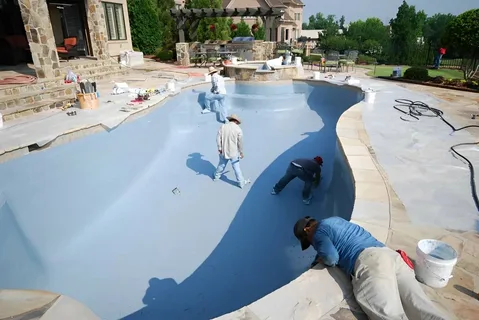

A swimming pool can transform a backyard, but it also changes how rainwater moves across the property. Excavation, new decking, and adjustments to ground elevation can redirect runoff into areas that previously stayed dry. During custom pool construction with www.reliefpools.com, accounting for these changes early in the design process is just as important as choosing the pool’s shape and features. Without adequate planning, even a beautifully finished backyard can develop standing water, muddy landscaping, and drainage problems around the swimming area.
The challenge extends beyond new construction. Existing pools can develop drainage issues when surrounding surfaces are remodeled, landscaping changes, or older drainage systems stop working efficiently. Whether installing a pool or improving an established one, understanding how water moves through the yard helps prevent costly corrections later.
What Your Backyard Reveals Before Construction Begins
Every property has natural drainage patterns, although they aren’t always obvious during dry weather. Some yards slope gently toward the street, while others contain low areas where rainwater collects. Soil composition, neighboring elevations, and existing paved surfaces also influence how quickly water drains.
Observing the backyard after heavy rainfall can reveal problems that might otherwise go unnoticed. Puddles that remain for hours, soil erosion near patios, and unusually damp planting beds are useful warning signs. These observations help determine where a pool should sit, how surrounding surfaces should be graded, and whether additional drainage infrastructure is necessary.
Why Pool Remodeling Can Change Drainage Patterns
An existing pool may have handled rainfall reasonably well for years, only to develop drainage problems after renovations. Replacing decking, enlarging a patio, or adding raised features can change how water travels across the property. Even a relatively small adjustment in surface elevation can redirect runoff toward the pool or surrounding structures.
Pool remodeling therefore involves more than updating worn finishes or improving appearance. Projects may introduce new coping, expanded decking, integrated spas, or decorative water features. During renovation work undertaken with https://socalcustompoolsandspas.com/, the surrounding drainage conditions deserve renewed attention, particularly when the proposed improvements affect existing slopes or paved areas.
An important consideration is how new materials meet older surfaces. A freshly installed deck might sit slightly higher than the adjacent patio, creating a low point where water accumulates. Addressing these transitions during remodeling is generally easier than removing finished materials to correct drainage problems afterward.
Decking and Drainage Need to Work Together
Pool decking serves several purposes. It creates space for walking, seating, and outdoor activities while providing access to the water. However, concrete, stone, and other hard surfaces also reduce the amount of rainfall that can soak directly into the ground.
A properly designed deck generally incorporates a subtle slope that carries water toward appropriate drainage points. The direction matters because runoff should not flow toward the house, undermine surrounding surfaces, or carry soil and debris into the swimming pool.
Depending on the property’s layout, drainage channels or collection basins may be useful. Linear drains can intercept water along patios and other paved areas, while strategically positioned catch basins collect runoff from low points. These systems need suitable outlets and enough capacity to handle expected rainfall.
Material selection also deserves consideration. Permeable paving can allow some rainfall to infiltrate through the surface when the underlying soil and drainage design are appropriate. However, permeable materials are not a universal solution, particularly in areas with poorly draining soil or persistent groundwater problems.
When Landscaping Becomes Part of the Problem
Landscaping and drainage are closely connected. Planting beds, decorative gravel, retaining walls, and raised garden areas can influence the direction and speed of runoff. Problems often develop when landscaping improvements unintentionally block established drainage paths.
For example, a raised flower bed beside the pool deck may prevent rainwater from reaching its previous outlet. Water then collects against the paving or follows a new path toward the swimming area. Loose mulch and soil can also wash onto the deck during intense storms.
Thoughtful landscaping provides opportunities to manage runoff. Shallow planted depressions, appropriately designed swales, and areas of permeable ground can help direct or absorb water where site conditions allow. The important distinction is that surface drainage must be coordinated with the overall backyard layout rather than addressed as an isolated landscaping detail.
Keep Rainwater and Pool Water Separate
A swimming pool’s circulation system and the backyard’s stormwater drainage system perform different jobs. Pool pumps and filters move and treat water within the swimming pool, while surface drainage manages rainfall around the property.
Directing large amounts of stormwater into the pool can introduce dirt, fertilizer residue, and other contaminants. It may also create unnecessary cleaning and water-treatment demands. Likewise, relying on the pool’s equipment to solve flooding around the deck does not address the underlying grading problem.
Drainage outlets must also be planned carefully. Sending collected runoff toward neighboring properties or unsuitable discharge areas can create additional issues. Local regulations, soil conditions, and available drainage infrastructure should guide the final approach.
Build Drainage Into the Design From Day One
The most effective time to address drainage is before construction or remodeling begins. At that stage, designers can evaluate existing elevations, identify potential runoff paths, and adjust the layout without disturbing completed work.
A comprehensive plan should account for the pool shell, surrounding decking, landscaping, equipment placement, underground utilities, and drainage infrastructure. Three-dimensional renderings can help visualize the finished backyard, but accurate site measurements and grading information are essential for determining how it will perform during rainfall.
For existing pools, recurring puddles, erosion, or water collecting against nearby structures are reasons to investigate drainage before beginning cosmetic renovations. Correcting those conditions as part of a larger project may prevent repeated disruption.
A well-designed pool area should remain practical long after the construction crews leave. When drainage is considered alongside appearance, comfort, and everyday use, homeowners can enjoy an outdoor space that looks attractive and handles changing weather conditions more effectively.