
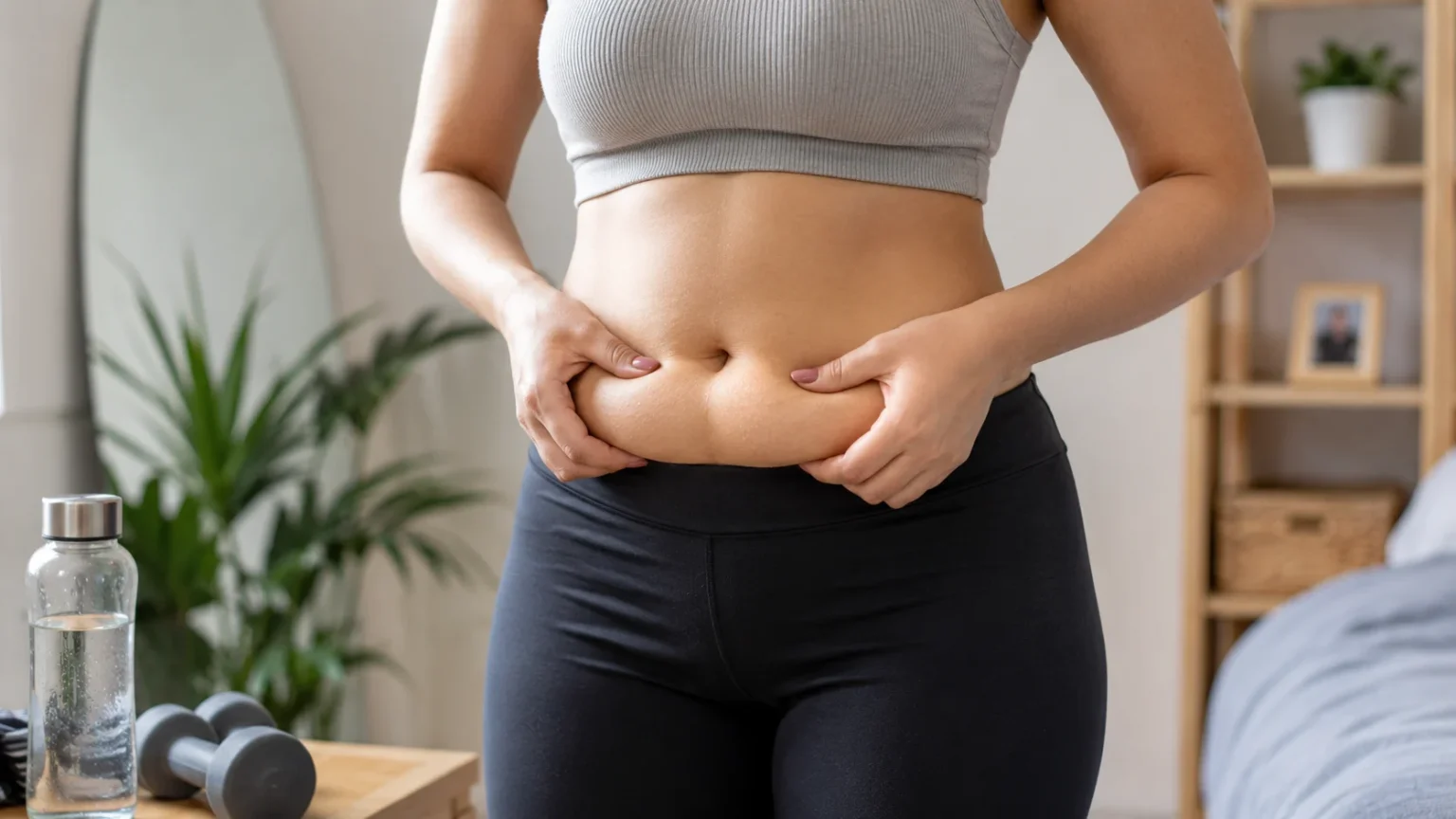

FUPA Meaning: Causes, Appearance & Ways to Reduce It
The term FUPA is commonly used online to describe fullness or a noticeable pad of tissue in the lower abdomen and pubic area. It stands for “fat upper pubic area,” although the expression is informal and is not a medical diagnosis. The area people are usually referring to includes the mons pubis, the rounded tissue that sits over the pubic bone, as well as the lowest part of the abdomen. Some people naturally have more visible fullness there because of genetics, body-fat distribution, pregnancy changes, aging, or major weight fluctuations. Having a prominent lower abdominal or pubic area does not automatically mean something is wrong. Bodies store fat differently, and this region can remain fuller even in people who are otherwise relatively lean.
People often search for ways to get rid of a FUPA because the area may affect how clothing fits or how they feel about their body shape. However, reducing fat from one specific location is more complicated than performing exercises for that body part. Overall fat loss may reduce the area for some people, but genetics influence where fat disappears first and where it tends to remain longest. Pregnancy, loose skin, a cesarean-section scar, abdominal muscle changes, and age-related tissue changes can also affect appearance even after weight loss. In certain cases, a bulge may not be ordinary body fat at all and could represent swelling, a hernia, or another medical condition. Understanding the possible causes helps people choose realistic and safe approaches instead of relying on quick-fix claims.
What Does FUPA Mean?
FUPA is an informal abbreviation most commonly interpreted as “fat upper pubic area.” It describes visible fullness around the region just above the genitals and below the lower abdomen. Anatomically, part of this area is known as the mons pubis, which naturally contains fatty tissue that cushions the pubic bone. The amount and shape of that tissue vary considerably between individuals, just like fat distribution around the hips, thighs, abdomen, or arms. For some people, the mons pubis is relatively flat, while others naturally have a more rounded appearance. Neither shape automatically indicates poor health. The term FUPA therefore describes an appearance rather than a recognized disease, disorder, or medical condition.
People sometimes use FUPA to describe several different areas of the body, which can create confusion. One person may be referring specifically to fat over the pubic bone, while another may mean a lower belly pouch extending from the abdomen toward the pelvic region. These areas can look similar in fitted clothing but may have different anatomical causes. Lower abdominal fat, loose skin, the mons pubis, abdominal muscle separation, and scar tissue can all contribute to the appearance people casually call a FUPA. Understanding exactly which tissue is creating the fullness matters if someone is considering lifestyle changes or cosmetic treatment. A clinician examining the area can often determine whether the concern involves subcutaneous fat, excess skin, muscle changes, scar positioning, or another factor.
The mons pubis naturally contains adipose tissue in both women and men, although its shape can differ according to anatomy, hormones, body composition, and genetics. During puberty, hormonal changes influence fat distribution throughout the body, including the pelvic region. In adulthood, weight gain may increase the size of fat cells in this area, but weight is only one factor determining prominence. Some people remain bothered by pubic-area fullness even after losing substantial amounts of weight because their body preferentially stores fat there. Others may lose volume but retain stretched skin following pregnancy or major weight loss. This variation explains why two people with similar body weights can have very different lower abdominal and pubic contours.
Using neutral anatomical terms can be helpful because the word FUPA is sometimes used jokingly or negatively. People may feel embarrassed about a completely normal body feature because social media, advertising, or edited images create unrealistic expectations about how the lower abdomen should look. Real bodies naturally fold, soften, and change position depending on whether someone is standing, sitting, bending, or wearing tight clothing. The pubic region is not expected to be perfectly flat in every person. Body composition also changes throughout adulthood due to aging, pregnancy, illness, physical activity, and hormonal transitions. Looking at the area as normal anatomy rather than a flaw can make decisions about lifestyle or cosmetic changes more informed and less driven by unrealistic standards.
It is also important to separate cosmetic concern from medical concern. A soft, symmetrical pad of tissue that has been present for years is often related to ordinary fat distribution or skin structure. A new lump, painful swelling, rapidly enlarging bulge, redness, or area that changes noticeably with coughing or straining deserves medical assessment instead of being assumed to be FUPA fat. Hernias, cysts, swollen lymph nodes, infections, and other conditions can sometimes create changes in the groin or lower abdominal area. These problems are managed differently from body fat. Anyone uncertain about an unusual change should seek professional evaluation. Understanding what FUPA means is useful, but identifying what is actually causing a specific bulge is more important.
What Does a FUPA Look Like?
A FUPA usually appears as a soft or rounded area of fullness above the pubic bone and below the main portion of the abdomen. Its appearance can range from a small curve that is visible mainly in fitted clothing to a more pronounced lower abdominal or pubic mound. Some people notice it most when sitting because the abdomen naturally compresses and forms folds. Others see the fullness while standing because of their individual fat distribution or skin structure. The area may feel soft when caused primarily by subcutaneous fat, although texture varies between individuals. Its shape can also change depending on posture, clothing, recent weight changes, and whether loose skin is present.
Lower belly fat and mons pubis fullness sometimes blend together visually, producing what people describe as a pouch. The lower abdomen may extend downward while the tissue over the pubic bone projects outward, creating one continuous contour beneath clothing. In other cases, a natural crease separates the abdomen from the pubic region. A cesarean-section scar can sometimes make this separation more noticeable because the skin and soft tissue may sit differently above and below the scar. People occasionally refer to this appearance as a C-section shelf. The visible contour may involve a combination of fat, skin, scar tissue, and abdominal wall changes rather than a single pocket of unwanted fat. That distinction affects which improvement strategies are likely to help.
Body position makes a large difference in how the area looks. Someone who appears relatively flat while standing may notice folds or a rounded lower abdomen when seated, and this is generally normal. Sitting compresses the torso and redistributes skin and soft tissue, causing natural creases even in people with low body-fat levels. Bending forward can create similar changes. Online images taken under carefully controlled lighting, posing, or clothing can therefore provide unrealistic comparisons. A body should not be expected to maintain the same contour in every position. When assessing changes in the lower abdomen, it is more useful to compare the person’s own appearance over time rather than comparing one posture with highly staged images.
The appearance of pubic-area fullness may also change after significant weight loss. Fat volume may decrease, but skin that was previously stretched can remain loose or folded over the lower abdomen. The mons pubis itself may also sag or appear more prominent relative to surrounding areas after substantial weight changes. This can sometimes make people believe that weight loss “did not work” in the region even though fat mass has decreased. Skin elasticity depends on age, genetics, duration of previous weight gain, pregnancy history, smoking, sun exposure, and other factors. Exercise can strengthen underlying muscles but cannot directly remove excess skin. Understanding whether the concern is mostly fat or skin is therefore useful before deciding what to do next.
A FUPA should generally not be described by severe pain, hardness, sudden swelling, or significant skin changes. Those features may suggest something other than ordinary body-fat distribution. A hernia, for example, can create a bulge around the lower abdomen or groin that may become more noticeable during coughing, lifting, or straining. Infection may cause warmth, tenderness, redness, or fever, while cysts can produce a more localized lump. Persistent unexplained swelling also deserves evaluation. People sometimes delay medical care because they assume a changing bulge is simply weight gain. If the appearance changes rapidly or is associated with discomfort or other symptoms, a healthcare professional should examine it rather than relying on appearance alone.
What Causes a FUPA?
Genetics play a major role in where the body prefers to store fat. Some people accumulate more subcutaneous fat around the hips and thighs, while others tend to store more around the abdomen, lower belly, or pubic region. These patterns can remain recognizable even when body weight changes significantly. A person may lose fat from the face, chest, or arms relatively quickly while the lower abdomen remains stubborn because the body does not remove stored fat evenly. This does not mean the area is resistant to all lifestyle changes, but it does explain why targeted fat-loss promises are usually unrealistic. Family patterns can sometimes provide clues about natural fat distribution. Genetics influence body shape even when nutrition and physical activity are similar.
Overall weight gain can increase fullness in the lower abdominal and pubic regions because fat cells throughout the body expand when energy intake consistently exceeds energy expenditure. However, the amount deposited in each area depends on individual biology. A modest increase in body weight might produce noticeable changes around the lower abdomen in one person but primarily affect the thighs or upper body in another. Conversely, losing weight usually reduces total body fat but cannot guarantee where the greatest visual change will happen first. This is why abdominal exercises alone do not selectively burn FUPA fat. Muscle activity and fat metabolism are related to different physiological processes. Sustainable weight management may help, but the resulting body shape remains partly determined by genetics.
Pregnancy can significantly alter the appearance of the lower abdomen and pubic area. The abdominal skin stretches as the uterus grows, abdominal muscles lengthen and adapt, and body-fat stores can change throughout pregnancy and postpartum recovery. After delivery, some people retain additional fat in the lower abdomen while others experience loose skin or abdominal muscle separation. Cesarean delivery can add scar-related changes that influence the way tissue sits above the pubic region. These changes may remain visible even when pregnancy weight has been lost. Postpartum bodies also continue changing for months after delivery. For this reason, judging the final appearance of the abdomen too early after childbirth may create unrealistic expectations about recovery.
Aging can contribute to lower abdominal fullness through changes in muscle mass, skin elasticity, hormones, and body-fat distribution. Adults often lose muscle gradually unless they regularly perform resistance exercise and consume sufficient nutrition to support muscle maintenance. Lower muscle mass can reduce total daily energy expenditure, making weight gain easier if eating patterns remain unchanged. Hormonal transitions may also influence where fat is stored, particularly around the abdomen. At the same time, collagen and elastin changes can make skin less firm. These processes may make the lower abdomen appear softer even without a dramatic increase in body weight. Aging cannot be prevented, but physical activity, resistance training, nutrition, sleep, and other health behaviors can influence body composition.
Major weight fluctuations can leave a combination of residual fat and loose skin around the lower abdomen. Repeated cycles of gaining and losing substantial weight can stretch the skin over time, although individual responses vary considerably. Someone who has lost a large amount of weight may have reached a healthy body composition while still having an abdominal apron or pubic-area fullness caused partly by excess skin. This situation is different from simply having a small pocket of fat. Additional dieting may produce limited cosmetic improvement and, if taken too far, could compromise health while the loose skin remains. A medical or qualified cosmetic evaluation can distinguish between fat and skin. Identifying the dominant cause helps set realistic expectations about lifestyle-based improvement.
Can Pregnancy and C-Sections Cause a FUPA?
Pregnancy commonly changes the lower abdomen because several tissues must adapt to support a growing fetus. The abdominal wall stretches, skin expands, and the body’s pattern of fat storage may change throughout pregnancy. After delivery, these tissues do not instantly return to their previous state, and some changes may remain permanently. The lower abdomen may appear softer, rounder, or looser, particularly during the first postpartum months. This can happen after vaginal or cesarean delivery. Some people use the term postpartum FUPA to describe these changes, although the appearance may involve much more than fat alone. Healing, hormonal adjustment, muscle recovery, and changes in skin elasticity all contribute to the postpartum body.
Cesarean delivery can create a distinctive lower abdominal contour in some people because the surgical incision and healing process influence tissue positioning. The scar itself does not necessarily create fat, but skin and subcutaneous tissue can sit differently around the incision afterward. This may contribute to a fold or shelf immediately above the scar, particularly when loose skin or additional abdominal fat is also present. Scar tissue can sometimes feel firmer than the surrounding tissue as healing progresses. The appearance differs widely between individuals, and not everyone develops a noticeable shelf. Surgical technique, genetics, body composition, pregnancy changes, scar formation, and skin elasticity can all influence the final contour after a C-section.
Diastasis recti can also change the way the postpartum abdomen looks. This condition involves widening between the two sides of the rectus abdominis muscles along the midline of the abdomen. Some separation during pregnancy is expected, but persistent separation after birth can contribute to abdominal bulging or weakness in certain people. Diastasis recti does not directly create pubic fat, although it may make the abdomen project outward and change the overall lower-belly contour. Appropriate postpartum rehabilitation can help improve abdominal function and strength. However, aggressive abdominal exercises are not automatically better and may be inappropriate for some individuals. A pelvic health physiotherapist or qualified healthcare professional can assess abdominal wall function and recommend suitable exercises.
Postpartum weight loss can reduce body fat, including some fat from the lower abdomen, but it cannot guarantee a completely flat stomach. Skin that stretched significantly during pregnancy may remain looser, and the position of tissue around a surgical scar may still produce a visible fold. Genetics influence how quickly skin retracts and how much elasticity remains. Multiple pregnancies, age, amount of abdominal stretching, smoking history, and major weight changes can also affect skin. People should therefore be cautious about advertisements promising that a specific exercise, cream, massage, or supplement can erase a C-section shelf. Strength and fitness can improve considerably without eliminating every visible postpartum change. Cosmetic appearance and physical function are related but separate outcomes.
Anyone recently postpartum should approach body-composition goals gradually and prioritize recovery, nourishment, sleep when possible, and medical clearance for exercise. Pregnancy and childbirth place major demands on the body, and healing timelines vary widely. Severe calorie restriction or intense exercise soon after delivery can be counterproductive, particularly when someone is recovering from surgery or breastfeeding. Persistent pain, wound problems, pelvic pressure, unusual bleeding, or abdominal concerns should be discussed with a healthcare professional before focusing on cosmetic changes. Later, if a stable lower abdominal fold remains bothersome, options can be discussed based on whether the concern is fat, excess skin, scar tethering, or muscle separation. Each of these causes requires a different approach.
Can You Lose FUPA Fat With Exercise?
Exercise can contribute to reducing overall body fat, but it cannot reliably force the body to burn fat from the pubic or lower abdominal area first. The idea that repeatedly exercising one body part removes fat directly above that muscle is commonly called spot reduction, and it does not reflect how fat loss generally works. When the body needs stored energy, fat is mobilized from different regions according to complex biological factors, including hormones and genetics. Performing hundreds of lower abdominal exercises may strengthen the muscles but does not guarantee that nearby fat will disappear. A broader training program is therefore more effective for body composition. Exercise should support overall health, strength, fitness, and sustainable energy balance rather than focus only on one small area.
Cardiovascular exercise can help increase energy expenditure and improve heart and metabolic health. Walking, cycling, swimming, jogging, dancing, rowing, and other activities can all contribute depending on an individual’s fitness level and preferences. The best type of cardio is usually one that can be performed consistently without causing injury or excessive fatigue. Someone does not need to perform extremely intense workouts every day to make progress. Regular moderate activity combined with appropriate nutrition can support gradual fat loss. Increasing everyday movement, such as walking more frequently, can also contribute meaningfully over time. Consistency generally matters more than selecting a supposedly perfect fat-burning workout. Sustainable routines are easier to maintain than short periods of extreme exercise.
Resistance training is especially useful because it helps build or preserve lean muscle during weight loss. Exercises such as squats, hinges, presses, rows, lunges, and appropriately selected core movements can improve whole-body strength and functional fitness. More muscle does not automatically cause dramatic fat loss, but preserving muscle helps support a healthier body composition during a calorie deficit. Strength training can also improve posture and the way the body carries itself, which may change overall appearance even when a specific fat pocket remains. Progressive training is usually more effective than endlessly repeating light exercises without increasing challenge. Beginners can start gradually and focus on proper technique. People with medical conditions, injuries, or postpartum concerns may benefit from professional exercise guidance.
Core exercises can improve abdominal strength and stability but should be viewed realistically. Planks, controlled trunk exercises, dead bugs, carries, and other movements can strengthen muscles surrounding the torso when performed appropriately. Stronger abdominal muscles may improve function and create a firmer foundation beneath the skin and fat. However, strengthening a muscle does not selectively remove the subcutaneous fat covering it. Someone can develop excellent core strength while still having visible lower abdominal softness. Postpartum individuals with diastasis recti or pelvic floor symptoms may also need modified exercises rather than aggressive crunch routines. The best core program depends on current function, fitness experience, and health history. Exercise quality matters more than targeting a trendy “FUPA workout.”
Exercise also provides benefits that go far beyond changing appearance. Regular physical activity can improve cardiovascular health, insulin sensitivity, sleep, mood, bone health, strength, mobility, and long-term independence. Focusing solely on whether the pubic area becomes flatter can make people overlook these meaningful improvements. Body-fat reduction also tends to occur gradually, so photographs, waist measurements, fitness progress, and how clothing fits may provide more useful feedback than checking one stubborn region every day. If overall weight and measurements are changing while the lower abdomen remains relatively full, genetics may simply make that area slower to change. Continuing healthy habits is usually more productive than escalating to extreme exercise methods.
How Nutrition Can Help Reduce Lower Abdominal Fat
Nutrition affects overall body fat because sustained fat loss generally requires the body to use more energy than it receives over time. This does not mean someone needs to follow an extremely restrictive diet or eliminate entire food groups. A moderate calorie deficit that can be maintained consistently is usually more practical than rapid weight-loss approaches. Meals built around vegetables, fruits, protein-rich foods, whole grains, legumes, and other minimally processed choices can make it easier to feel satisfied while controlling total calorie intake. Portion size still matters because even nutritious foods contain energy. The objective is not to eat as little as possible but to create an eating pattern that supports health while gradually reducing excess body fat when appropriate.
Protein can be particularly useful during a fat-loss phase because it supports muscle maintenance and can contribute to fullness after meals. Sources may include eggs, fish, poultry, dairy products, lean meats, beans, lentils, soy foods, and other options according to dietary preference. Protein needs vary based on body size, age, training level, medical conditions, and overall diet. Spreading protein across meals can make it easier for some people to meet their needs consistently. Resistance training alongside adequate protein provides a stronger signal for maintaining muscle during weight reduction. However, adding high-calorie protein products without considering total intake does not automatically promote fat loss. Supplements are optional rather than necessary when ordinary foods can meet nutritional needs.
Fiber-rich foods can also make a balanced calorie-controlled diet easier to maintain. Vegetables, fruit, whole grains, beans, lentils, seeds, and other high-fiber foods generally provide volume while supporting digestive health. Higher-volume meals can help some people feel satisfied without relying on very large amounts of calorie-dense food. Adequate fluid intake is also important, particularly when increasing dietary fiber. Sudden large increases may cause bloating or digestive discomfort, so gradual changes are often more comfortable. Bloating itself should not be confused with FUPA fat because temporary gastrointestinal distension can make the lower abdomen look larger at certain times. Fat changes happen gradually, whereas bloating may fluctuate substantially from one day to another.
Highly restrictive diets often promise rapid belly-fat loss but can be difficult to maintain and may encourage cycles of losing and regaining weight. Removing carbohydrates, avoiding food after a certain hour, drinking detox products, or following juice cleanses does not specifically target pubic fat. Short-term scale changes may reflect water and stored carbohydrate rather than meaningful fat loss. Sustainable eating patterns allow flexibility while keeping total energy intake appropriate for the person’s goals. Planning meals, keeping convenient nutritious foods available, and paying attention to hunger cues can support consistency. People who repeatedly struggle with overeating, emotional eating, or extreme restriction may benefit from professional nutritional or psychological support. Healthy weight management should not require constant hunger or fear around food.
Sleep and stress can also influence eating patterns even though they do not directly melt abdominal fat. Poor sleep can increase fatigue and make high-calorie foods more appealing while reducing motivation for physical activity. Chronic stress can similarly affect appetite and daily habits in some individuals. Building regular sleep routines, managing workload where possible, and using healthy stress-management strategies can therefore support a broader weight-management plan. These factors should not be presented as magical hormone fixes, because body-fat regulation remains complex. Instead, they help create conditions that make healthy decisions easier to sustain. Long-term progress usually results from several modest behaviors working together rather than one food, supplement, fasting schedule, or metabolism hack.
Can You Get Rid of a FUPA Without Surgery?
Whether a FUPA can be reduced without surgery depends largely on what is producing the visible fullness. If the area is primarily excess subcutaneous fat and a person currently carries more body fat than they want, gradual overall weight loss may reduce the prominence significantly. The amount of change is unpredictable because fat distribution is genetically influenced. Some people notice substantial improvement around the lower abdomen, while others retain a noticeable pad even after reaching a stable healthy weight. Exercise can improve underlying strength and body composition but cannot dictate exactly where fat is lost. Setting expectations around overall change rather than complete elimination can prevent frustration. A naturally rounded mons pubis may remain even in a fit body.
Loose skin responds differently from body fat. Lifestyle changes can improve health, muscle tone, and body composition, but exercise cannot shrink a large amount of stretched skin in the same way it reduces fat. Skin may tighten gradually after pregnancy or weight loss, particularly in younger people with good elasticity, but the degree is highly individual. Creams and topical products cannot remove substantial excess skin. If skin rather than fat is responsible for most of the pouch, additional dieting may provide little benefit and could make surrounding areas look thinner while the fold remains. A qualified clinician can assess skin quality and tissue composition. Knowing which tissue is present helps someone avoid pursuing increasingly aggressive weight loss for a problem that weight loss cannot fully solve.
Some nonsurgical cosmetic treatments are marketed for reducing localized fat. Depending on the region and local regulations, these can include technologies that cool, heat, or otherwise damage fat cells so the body gradually clears them. Results are generally more modest than surgical fat removal and vary substantially between individuals and devices. These treatments are intended for body contouring rather than general weight loss. They also cannot reliably correct significant loose skin, muscle separation, or large abdominal folds. Side effects and complications are possible, so treatment should be performed by appropriately trained professionals using suitable devices. Anyone considering nonsurgical body contouring should ask about expected improvement, risks, alternatives, and whether the technology is actually appropriate for the pubic region.
Massage tools, waist trainers, sweat belts, vibration devices, and topical fat-burning creams are frequently promoted as ways to target a lower belly pouch. These products may temporarily change fluid distribution, sweating, or how the body looks while compressed, but they do not selectively remove meaningful amounts of body fat. Sweating more during exercise mainly causes temporary water loss that returns after rehydration. Tight garments can alter appearance under clothing but do not permanently reshape fat tissue. Aggressive massage may cause bruising without producing lasting fat reduction. Consumers should be skeptical of before-and-after photos that do not account for lighting, posture, weight loss, or other treatments. Reliable body-composition change requires methods that actually affect energy balance or fat tissue.
For many people, the most realistic nonsurgical strategy combines sustainable nutrition, regular resistance training, cardiovascular activity, adequate recovery, and patience. This approach may not create the exact body shape seen in edited media, but it supports health while allowing natural fat loss to occur. Progress can be assessed after several months rather than several days because body composition changes gradually. Once someone reaches a stable weight, they can better judge how much of the remaining concern is related to genetics, skin, or tissue structure. If the area still causes significant distress, a consultation can clarify additional options without committing to treatment. Lifestyle improvement remains valuable even when it does not completely remove a genetically resistant fat pocket.
Medical and Cosmetic Treatments for FUPA
Liposuction is one surgical option sometimes used to reduce localized fat around the mons pubis or lower abdomen. During the procedure, a surgeon removes selected subcutaneous fat through small incisions using a suction technique. Liposuction can change contour more predictably than lifestyle efforts when someone is already near a stable weight but retains a localized fat deposit. However, it is not a substitute for general weight loss and does not automatically correct loose skin. Removing too much fat can also create contour irregularities or an unnatural appearance. As with any surgery, there are risks such as bleeding, infection, swelling, numbness, blood clots, and anesthesia complications. Consultation with a properly qualified plastic surgeon is essential before considering the procedure.
A monsplasty, sometimes called a pubic lift, may be considered when the mons pubis is enlarged or sagging because of both fat and excess skin. The procedure can involve removing skin, fat, or a combination of the two to reshape the pubic area. It may be performed alone or in combination with another body-contouring surgery depending on the person’s anatomy and goals. Recovery, scarring, sensation changes, swelling, and wound-healing risks should be discussed carefully. Cosmetic surgery should be considered only after realistic expectations are established. The goal is improvement rather than anatomical perfection. People should also understand where scars will be placed and how the procedure could affect comfort, sensation, clothing fit, and future body changes.
Abdominoplasty, commonly known as a tummy tuck, addresses a different but sometimes related set of concerns. It can remove excess abdominal skin and, in selected cases, repair or tighten parts of the abdominal wall while reshaping the lower abdomen. Some procedures also include attention to the mons pubis when its position or fullness contributes to the overall contour. A tummy tuck is more extensive than localized liposuction and involves a larger recovery period. It should not be viewed as a weight-loss operation. Candidates are often advised to reach a relatively stable weight before surgery because major future weight changes can alter results. Pregnancy after surgery can also stretch tissues again, so future family plans may influence timing.
Nonsurgical body-contouring treatments may appeal to people who want modest change without an operation. Certain energy-based or fat-reduction devices can reduce a limited amount of subcutaneous fat in selected treatment areas. Results develop gradually and are usually subtler than those of liposuction. Multiple sessions may sometimes be recommended, which can increase total cost. Not every technology is suitable for every area, and some devices have specific contraindications or rare complications. A reputable clinic should explain exactly which device is being used, whether it is cleared or approved for the intended treatment area, and what evidence supports its use. Marketing terms such as “fat melting” should not replace a clear explanation of expected results and risks.
Before choosing any cosmetic procedure, people should first decide whether the concern is significant enough to justify medical intervention. A naturally rounded pubic area is normal and does not require treatment. Cosmetic procedures are personal choices rather than health necessities unless excess tissue is contributing to problems such as skin irritation, hygiene difficulty, or functional discomfort. Anyone considering treatment should review qualifications, facility standards, photographs of realistic outcomes, complication policies, recovery requirements, and total costs. Pressure to book quickly or purchase large packages should be viewed cautiously. A responsible provider should also be willing to say when a procedure is unlikely to produce the desired result. Informed decision-making is more important than chasing a perfectly flat appearance.
When Should You See a Doctor About Lower Abdominal Fullness?
Most long-standing, soft lower abdominal or pubic fullness is not an emergency, particularly when it changes gradually with body weight. However, a new bulge should not automatically be labeled as FUPA fat. Hernias can develop in the abdominal wall or groin and may produce a lump that becomes more noticeable when someone coughs, strains, lifts, or stands. The bulge may reduce while lying down, although not every hernia behaves this way. Some hernias cause little discomfort initially, while others become painful. Because treatment depends on the type and severity, proper examination is important. A healthcare professional can usually begin distinguishing ordinary fatty tissue from a hernia through history and physical examination, with imaging used when needed.
Seek urgent medical attention if a bulge becomes suddenly painful, firm, discolored, or impossible to push back when it was previously reducible. Severe abdominal pain, vomiting, fever, inability to pass stool or gas, or significant abdominal swelling can also indicate a more serious problem. These symptoms may occur when tissue becomes trapped or blood supply is compromised, although other abdominal emergencies can cause similar symptoms. Waiting to see whether such symptoms disappear can delay necessary treatment. Emergency evaluation is safer when severe symptoms accompany a new abdominal or groin bulge. Cosmetic concerns can generally wait, but acute pain and systemic symptoms should not. The priority is identifying dangerous conditions before thinking about body contour.
Localized lumps in the pubic or groin region can have causes unrelated to fat. Cysts, enlarged lymph nodes, skin infections, inflamed hair follicles, lipomas, and other conditions can produce noticeable swelling. A lump that grows, remains hard, becomes painful, drains fluid, or persists without explanation should be professionally assessed. People should avoid repeatedly squeezing or aggressively massaging an unexplained lump because that can worsen inflammation or infection. Skin redness, warmth, fever, or feeling generally unwell can suggest that infection is present. While many lumps turn out to be benign, appearance alone cannot reliably establish the diagnosis. Medical examination provides more useful information than attempting to compare the lump with photographs found online.
Postpartum individuals should also seek care when abdominal or pelvic changes are accompanied by pain, significant weakness, pelvic pressure, urinary problems, bowel symptoms, or concerns about a surgical incision. A clinician or pelvic health physiotherapist can assess diastasis recti, pelvic floor function, scar healing, and movement patterns when appropriate. Persistent C-section scar pain, redness, drainage, or increasing swelling should not be dismissed as a normal cosmetic shelf. Recovery after childbirth varies, but worsening symptoms deserve attention. Similarly, someone who notices a bulge around a previous surgical incision may require assessment for an incisional hernia. Medical evaluation does not mean something serious is necessarily present. It simply helps separate normal healing and body changes from problems requiring treatment.
People may also want professional help when body-image concerns become consuming even though the area is medically normal. Constant checking, severe food restriction, compulsive exercise, avoiding relationships, or feeling unable to participate in ordinary activities because of one body feature can significantly affect wellbeing. A doctor, dietitian, or mental health professional can help address these concerns without dismissing the person’s feelings. Cosmetic treatment does not always resolve body-image distress, particularly when expectations are unrealistic or attention shifts to another perceived flaw afterward. Decisions about changing appearance are healthiest when they come from informed preference rather than intense shame or pressure. A FUPA can be reduced in some circumstances, but having one does not make a body unhealthy, abnormal, or unacceptable.
Frequently Asked Questions About FUPA
What does FUPA stand for?
FUPA commonly stands for “fat upper pubic area.” It is an informal term used to describe fullness around the mons pubis and lower abdominal region rather than an official medical diagnosis.
Can you lose a FUPA through exercise?
Exercise can support overall fat loss and improve muscle strength, but it cannot selectively burn fat only from the pubic area. Genetics largely influence where body fat is lost first and where it tends to remain longer.
Why do I have a FUPA even though I am skinny?
People at lower body weights can still have a naturally prominent mons pubis because of genetics and individual fat distribution. Loose skin, pregnancy changes, scar positioning, and natural anatomy can also affect the area’s appearance.
Can a C-section cause a FUPA?
A C-section does not directly create body fat, but pregnancy-related stretching, residual fat, loose skin, and tissue positioning around the scar can contribute to a lower abdominal shelf. The appearance may involve several tissues rather than fat alone.
What is the fastest way to get rid of a FUPA?
There is no safe method that instantly removes localized pubic fat. Sustainable overall fat loss may reduce it, while persistent localized fat or excess skin may require professional body-contouring treatment if someone chooses to pursue cosmetic change.



