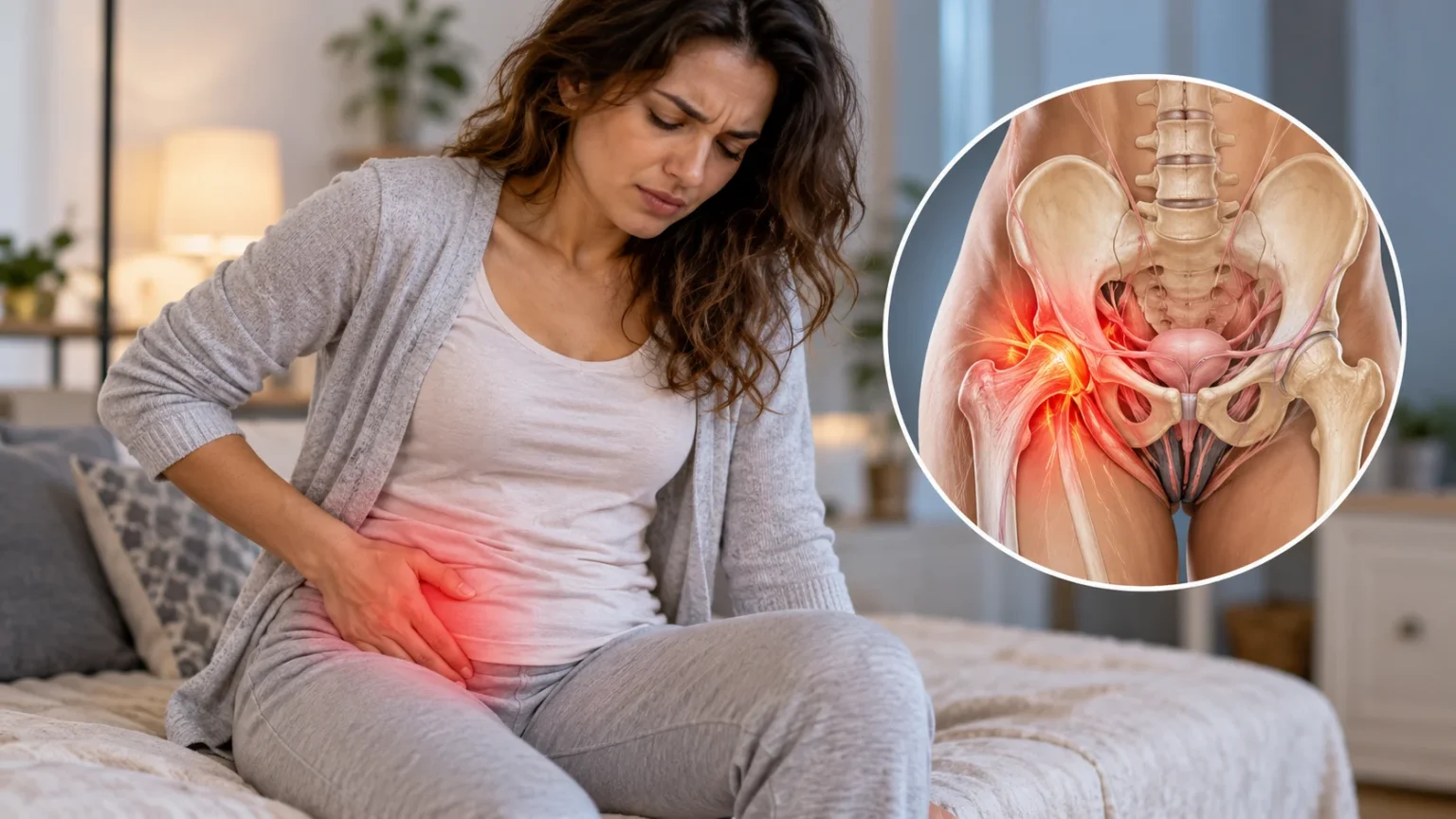

Right side groin pain in females can come from muscles, joints, reproductive organs, the urinary system, or digestive structures. The discomfort may feel sharp, aching, pulling, burning, cramping, or pressure-like, and it can appear suddenly or develop gradually. Because several important structures sit close together in the lower abdomen and groin, identifying the exact source from location alone can be difficult.
Some causes are relatively minor, such as muscle strain after exercise, while others may require medical attention. Symptoms that occur with fever, vomiting, unusual bleeding, pregnancy, severe abdominal pain, or fainting deserve particular attention. Understanding how the pain began and what makes it better or worse can provide useful clues.
This guide explains common reasons for right side groin pain in females, possible relief strategies, and warning signs that should not be ignored. It can help you understand the different systems that may be involved, but persistent or severe symptoms should be evaluated by a qualified healthcare professional.
What Does Right Side Groin Pain in Females Mean?
Groin pain usually refers to discomfort where the lower abdomen meets the upper inner thigh. On the right side, pain may originate from muscles, tendons, hip structures, reproductive organs, urinary tissues, or parts of the digestive system. The discomfort can remain localized or spread toward the lower abdomen, pelvis, hip, back, or inner thigh.
The type of pain may offer useful information. A pulling sensation after exercise may suggest a muscle-related problem, while cramping associated with menstruation may involve reproductive structures. Burning with urination, digestive changes, fever, or nausea can point toward other possible causes that need a different type of evaluation.
Location alone cannot confirm a diagnosis because several organs and tissues can produce very similar symptoms. The timing, severity, triggers, and accompanying symptoms matter just as much. Keeping track of when the pain starts and whether it changes with movement, meals, urination, bowel movements, or the menstrual cycle can be helpful.
Muscle and Tendon Strain as a Common Cause
Muscle strain is one of the more common causes of groin discomfort, especially after exercise, lifting, running, sudden direction changes, or unfamiliar physical activity. The hip adductors, hip flexors, abdominal muscles, and nearby tendons may become overstretched. Pain is often more noticeable when walking, climbing stairs, squeezing the legs together, or moving the hip.
A strained muscle may also feel tender when pressed. Some people notice stiffness, weakness, mild swelling, or bruising depending on the severity of the injury. Pain commonly improves with rest and returns when the irritated muscle is used, which can help distinguish it from discomfort caused by internal organs.
Mild strains often improve gradually with temporary activity modification and gentle movement. Avoid repeatedly forcing painful stretches or returning immediately to intense training. If the pain is severe, follows a significant injury, or does not improve over time, a healthcare professional can assess whether a muscle, tendon, hip joint, or another structure is involved.
Reproductive Causes of Right Side Groin Pain
Reproductive organs can contribute to one-sided groin or pelvic pain. Ovulation discomfort may occur around the middle of the menstrual cycle and can sometimes affect only one side. It is usually temporary, but persistent or unusually severe pain should not automatically be assumed to be normal ovulation.
Ovarian cysts may also cause one-sided pelvic or groin discomfort. Many cysts produce no symptoms, while others may cause pressure, aching, bloating, or sudden pain if complications occur. Severe pain with nausea, vomiting, weakness, or dizziness requires urgent medical attention because certain ovarian problems can need prompt treatment.
Conditions such as endometriosis may produce recurring pelvic pain that spreads into the groin, lower back, or thighs. Symptoms can worsen around menstruation or during sexual activity. Because reproductive conditions often overlap in their symptoms, recurring one-sided pain is best evaluated through medical history, examination, and appropriate testing when needed.
Digestive Problems That Can Cause Groin Pain
Digestive conditions can sometimes cause pain in the lower right abdomen that feels as though it extends into the groin. Constipation, intestinal gas, bowel irritation, or other gastrointestinal problems may produce cramping or pressure. Symptoms are more likely to be digestive when they change with eating, bowel movements, bloating, or stool patterns.
Constipation can create significant pressure through the lower abdomen and pelvis, particularly when straining occurs. People experiencing painful bowel movements may also notice discomfort around the pelvic or groin region. Persistent constipation, rectal bleeding, or major changes in bowel habits should be discussed with a healthcare professional.
Appendicitis is another important cause of right-sided abdominal pain that may extend toward the groin. Pain often becomes progressively worse and may occur with nausea, loss of appetite, vomiting, or fever. Sudden or increasing right lower abdominal pain with these symptoms requires prompt medical assessment rather than home treatment.
Urinary Causes of Right Side Groin Pain
Urinary tract conditions can produce lower abdominal, pelvic, or groin discomfort. A urinary tract infection may cause burning during urination, frequent urination, urgency, or lower abdominal pressure. While discomfort may not remain strictly on one side, urinary symptoms alongside groin pain can help identify the system involved.
Kidney stones can cause intense pain that travels from the back or side toward the lower abdomen and groin. The pain may come in waves and can be accompanied by nausea, vomiting, urinary urgency, or blood in the urine. Severe stone-like pain deserves medical evaluation, particularly when fever or difficulty urinating is present.
Kidney infections may also produce pain on one side, although discomfort is often felt higher in the back or flank. Fever, chills, nausea, and urinary symptoms may occur together. These infections require medical treatment, so suspected kidney infection symptoms should not be managed only with fluids, rest, or over-the-counter pain relief.
Right Side Groin Pain During Pregnancy
Pregnancy can produce groin discomfort as the body changes and tissues around the pelvis stretch. Round ligament pain is one possible cause and may feel sharp or pulling on one or both sides of the lower abdomen or groin. Sudden movements such as standing, coughing, or rolling over can sometimes trigger it.
However, not every groin or pelvic pain during pregnancy should be attributed to normal stretching. Severe pain, vaginal bleeding, dizziness, fainting, fever, shoulder pain, or worsening one-sided discomfort requires prompt medical evaluation. Early pregnancy pain may sometimes be associated with conditions that need urgent assessment.
Later in pregnancy, changes in joint loading, pelvic pressure, and muscle function may also cause discomfort around the groin. A maternity care professional can help determine whether symptoms are consistent with common pregnancy-related changes. New or severe pain should always be discussed rather than self-diagnosed based on location alone.
How to Tell if the Pain May Be Musculoskeletal
Musculoskeletal pain is often influenced strongly by movement. If discomfort increases when lifting the leg, walking, twisting, exercising, or pressing a specific muscle area, a strain or joint-related problem becomes more likely. Pain may also begin after a workout, fall, sudden movement, or increase in physical activity.
Muscle-related pain often becomes more comfortable with rest and returns when the affected tissues are loaded. It may feel like pulling, soreness, tightness, or localized tenderness. Hip problems can sometimes create deep groin pain, especially during movements involving bending, rotating, or bearing weight through the leg.
These patterns can provide clues, but they are not definitive. Internal conditions may also become more noticeable during movement because motion changes pressure in the abdomen and pelvis. Persistent groin pain, particularly when no clear physical trigger exists, should be assessed rather than assumed to be a simple strain.
Home Relief for Mild Right Side Groin Pain
If the pain clearly follows exercise or a minor muscle strain and there are no warning symptoms, temporary activity modification may help. Avoid movements that sharply increase pain while continuing comfortable daily movement when possible. Short periods of cold therapy may reduce soreness early after a recent strain, provided the cold pack is wrapped appropriately.
As symptoms begin improving, gentle mobility may help restore comfortable movement. Avoid aggressive stretching, deep lunges, heavy lifting, or repeated movements that reproduce sharp pain. Gradually returning to activity usually gives tissues more time to recover than immediately resuming the exercise or workload that caused the problem.
Over-the-counter pain medication may be appropriate for some people, but personal medical conditions and other medicines should be considered. If you are unsure which medication is safe, ask a healthcare professional or pharmacist. Home care is most appropriate when symptoms are mild, clearly musculoskeletal, and steadily improving rather than worsening.
How Doctors Evaluate Right Side Groin Pain
Evaluation usually begins with questions about when the pain started, where it is located, and what makes it better or worse. A healthcare professional may ask about menstruation, pregnancy possibility, urinary changes, bowel habits, recent exercise, injuries, fever, nausea, or abnormal bleeding. These details help narrow the possible causes.
A physical examination may involve checking the abdomen, hip movement, groin tenderness, muscle strength, or other areas depending on the symptoms. Urine testing, pregnancy testing, blood tests, or imaging may be considered when the history suggests urinary, reproductive, digestive, or musculoskeletal causes.
Ultrasound is commonly useful for evaluating certain pelvic and reproductive structures, while other imaging methods may be used when kidney stones, appendicitis, joint problems, or other conditions are suspected. The exact testing depends on the overall symptom pattern rather than the presence of right-sided groin pain alone.
When Right Side Groin Pain Is a Reason to Worry
Seek urgent medical care if right side groin pain is sudden, severe, rapidly worsening, or accompanied by fainting, severe dizziness, difficulty breathing, or significant weakness. These symptoms may signal a problem that requires immediate assessment rather than waiting to see whether the pain settles.
Medical attention is particularly important when groin pain occurs with heavy vaginal bleeding, pregnancy, persistent vomiting, fever, severe abdominal tenderness, or an inability to urinate. Blood in the urine, painful urination with fever, or intense pain traveling from the back toward the groin also deserves prompt evaluation.
Even without emergency symptoms, arrange an assessment if pain repeatedly returns, lasts for several days without improvement, or interferes with walking, sleeping, exercise, urination, bowel movements, or sexual activity. Persistent symptoms may require examination to identify the underlying cause and determine an appropriate treatment plan.
Conclusion
Right side groin pain in females can result from many different structures, including muscles, hip tissues, reproductive organs, the urinary system, and digestive organs. Mild pain after physical activity may represent a muscle strain, while discomfort linked with urinary, digestive, menstrual, or pregnancy-related symptoms may have another explanation.
Relief depends on the cause. Mild musculoskeletal discomfort may improve with temporary activity modification, gradual movement, and appropriate pain-management strategies, while infections, ovarian conditions, kidney stones, appendicitis, or pregnancy complications require medical care. Watching the pattern of symptoms can help determine how quickly evaluation is needed.
The safest approach is to avoid relying on location alone to diagnose the problem. Severe, worsening, or persistent right side groin pain should be professionally evaluated, especially when it occurs with fever, vomiting, bleeding, fainting, urinary changes, or pregnancy. Early assessment can help rule out urgent conditions and guide appropriate treatment.
FAQs About Right Side Groin Pain in Females
What is the most common cause of right side groin pain in females?
Muscle strain is a common cause, particularly after exercise or sudden movement. However, reproductive, urinary, digestive, and hip-related problems can produce similar pain, so persistent symptoms should be evaluated.
Can ovarian problems cause right side groin pain?
Yes. Ovulation, ovarian cysts, and other reproductive conditions can cause one-sided pelvic or groin discomfort. Sudden severe pain with nausea, weakness, or dizziness requires urgent medical assessment.
Can constipation cause pain in the right groin?
Constipation can create lower abdominal and pelvic pressure that may extend toward the groin. Persistent constipation, severe abdominal pain, vomiting, or bleeding should be discussed with a healthcare professional.
When should I seek emergency care for groin pain?
Seek urgent care for severe or rapidly worsening pain with fainting, heavy bleeding, pregnancy, fever, persistent vomiting, significant weakness, or severe abdominal tenderness. These symptoms can indicate conditions needing prompt treatment.
Can kidney stones cause right groin pain in women?
Yes. Kidney stone pain can travel from the side or back into the lower abdomen and groin. It may occur in waves and can be accompanied by nausea, urinary urgency, or blood in the urine.