
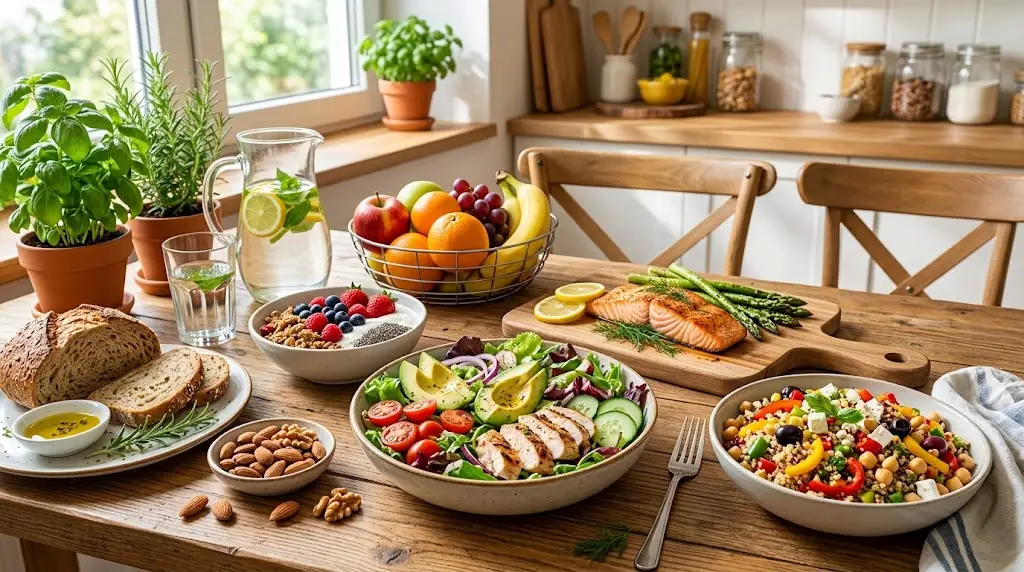

Healthy eating does not mean following a strict diet, avoiding every favorite food, or spending hours preparing perfect meals. A balanced approach focuses on nourishing your body with a variety of foods while still allowing flexibility and enjoyment. Small choices repeated consistently can support energy, digestion, heart health, weight management, and overall well-being.
The best eating habits are usually simple enough to fit into real life. Vegetables, fruit, whole grains, protein foods, healthy fats, and adequate fluids can form the foundation of everyday meals. You do not need expensive superfoods or complicated nutrition rules to improve the quality of your diet and create healthier routines.
These healthy eating tips for a balanced lifestyle are designed to make nutrition practical rather than restrictive. The goal is to help you understand what balanced eating looks like, how to build satisfying meals, and how to develop habits that remain sustainable through work, family responsibilities, travel, social events, and changing schedules.
What Does Healthy Eating Really Mean?
Healthy eating means regularly choosing foods that provide your body with the energy and nutrients it needs while maintaining enough flexibility to enjoy your meals. A nutritious diet typically contains vegetables, fruits, whole grains, protein foods, and healthy fats. It does not require perfect choices at every meal or eliminating entire food groups unnecessarily.
Balance is important because no single food provides every nutrient your body needs. Different foods contribute protein, carbohydrates, fats, vitamins, minerals, fiber, and other useful compounds. Eating a varied diet helps fill nutritional gaps while making meals more interesting and reducing excessive dependence on one particular ingredient or food category.
Healthy eating should also reflect your personal needs. Culture, budget, allergies, medical conditions, activity level, age, and food preferences can all shape what a balanced diet looks like. The most effective approach is one that provides adequate nutrition while remaining practical and enjoyable enough to maintain over the long term.
Build a Balanced Plate at Most Meals
A balanced plate can simplify nutrition without requiring you to count every calorie or nutrient. Try including a source of protein, a fiber-rich carbohydrate, vegetables or fruit, and some healthy fat when appropriate. This combination can provide steady energy while making meals satisfying enough to support your daily activities and nutritional needs.
For example, you might combine grilled chicken with brown rice, vegetables, and olive oil, or prepare beans with whole-grain bread, avocado, and salad. Breakfast could include yogurt, oats, berries, and nuts. There is no single correct plate because many different food combinations can provide a healthy balance of nutrients.
Portions can change depending on hunger, activity, body size, and personal goals. Someone training intensely may need more carbohydrates and total energy than someone with a sedentary routine. Rather than following rigid plate rules, use the balanced plate concept as a flexible framework that can be adjusted according to your individual circumstances.
Choose Whole and Minimally Processed Foods More Often
Whole and minimally processed foods often provide useful amounts of fiber, vitamins, minerals, protein, and healthy fats. Vegetables, fruit, beans, lentils, oats, eggs, fish, yogurt, nuts, seeds, and fresh meats are familiar examples. Making these foods the foundation of your diet can naturally improve nutritional quality without requiring complicated dietary rules.
Processed does not automatically mean unhealthy. Frozen vegetables, canned beans, whole-grain bread, yogurt, and canned fish are processed products that can still be nutritious and convenient. Looking at the overall ingredient list and nutritional value is usually more useful than automatically avoiding anything packaged or commercially prepared.
The goal is to create balance rather than pursue an unrealistic completely unprocessed diet. Convenient foods can save time and help people eat regularly during busy weeks. Combining practical packaged staples with fresh or minimally processed foods can make healthy eating easier to sustain without creating unnecessary pressure around food preparation.
Eat a Variety of Vegetables
Vegetables provide fiber, vitamins, minerals, water, and many naturally occurring plant compounds. Eating different colors throughout the week can help you obtain a broader range of nutrients. Leafy greens, peppers, carrots, tomatoes, broccoli, onions, squash, mushrooms, cabbage, and many other vegetables can all contribute to a balanced diet.
You do not need to eat vegetables raw to receive their nutritional value. Roasting, grilling, steaming, stir-frying, or adding them to soups can create completely different flavors and textures. Experimenting with cooking methods, herbs, and spices may help you enjoy vegetables that seemed unappealing when prepared in another way.
Frozen and canned vegetables are also useful, especially when fresh produce is expensive or likely to spoil. Keeping convenient options in the freezer or pantry can make it easier to add vegetables to meals quickly. Consistency matters more than insisting that every vegetable must be fresh and prepared from scratch.
Include Fruit as Part of Your Daily Diet
Fruit provides fiber, water, vitamins, minerals, and natural carbohydrates that can fit comfortably into a healthy eating pattern. Apples, berries, bananas, oranges, mangoes, pears, melons, grapes, and many other fruits can provide nutritional variety. Choosing different options throughout the week helps keep snacks and meals enjoyable.
Whole fruit is generally more filling than juice because it retains its natural fiber and structure. Juice can still fit into some diets, but it is easier to drink quickly without experiencing the same level of fullness. Choosing whole or minimally processed fruit most of the time can therefore be a useful everyday habit.
Fruit is easy to incorporate into breakfast, snacks, yogurt, oatmeal, smoothies, or desserts. Frozen fruit can be particularly convenient because it lasts longer and requires little preparation. You do not need to fear the natural sugar in whole fruit when it is consumed as part of an otherwise balanced diet.
Get Enough Protein Throughout the Day
Protein supports muscles, tissues, enzymes, hormones, and numerous other body functions. Useful sources include eggs, poultry, fish, yogurt, milk, tofu, beans, lentils, soy products, nuts, and seeds. Including protein across several meals can make your eating pattern more balanced while helping meals feel satisfying and substantial.
Your exact protein needs depend on factors such as age, body size, activity level, pregnancy, and overall health. Active adults and older people may need to pay particular attention to maintaining adequate intake. However, most people do not need to build every meal around huge portions of protein or rely heavily on supplements.
Simple food combinations can increase protein without dramatically changing your routine. Add yogurt to breakfast, beans to lunch, eggs to toast, or fish to dinner. Spreading protein across meals can often feel more practical than trying to consume most of your daily intake during one large meal.
Choose Whole Grains More Often
Whole grains retain more of their original grain structure and can provide fiber, B vitamins, minerals, and useful carbohydrates. Oats, brown rice, barley, quinoa, bulgur, whole wheat, and whole-grain breads are common examples. These foods can provide energy while supporting digestive health and making meals feel more satisfying.
You do not need to replace every refined grain immediately. Start by choosing whole-grain bread for some meals, using oats at breakfast, or mixing brown rice with the rice you already enjoy. Gradual changes can make new textures easier to accept while helping your eating pattern become more fiber-rich over time.
Refined grains can still fit into balanced eating, particularly in traditional recipes or favorite foods. The goal is to increase your overall intake of nutrient-rich grain choices rather than treating certain foods as forbidden. Flexibility makes healthy eating easier to maintain without creating unnecessary guilt around normal meals.
Include Healthy Fats in Moderate Amounts
Fat is an essential nutrient and plays important roles in hormone production, cell function, energy storage, and absorption of certain vitamins. Unsaturated fat sources such as olive oil, avocado, nuts, seeds, and fish can be useful additions to balanced meals. Healthy eating does not require removing all fat from your diet.
These foods can also make meals more satisfying and flavorful. Olive oil can be used in dressings or cooking, nuts can be added to oatmeal, and avocado can complement toast or salads. Small portions often provide enough flavor and nutritional value because fats are naturally more energy-dense than protein or carbohydrates.
Healthy fats still need to fit within your overall energy needs. Eating very large portions simply because a food is considered nutritious is unnecessary. Balance is more useful than extremes, so include healthy fat sources regularly while continuing to make room for protein, vegetables, fruit, and fiber-rich carbohydrates.
Increase Fiber Gradually
Fiber supports normal digestion, bowel regularity, fullness, and the health of beneficial gut microorganisms. Vegetables, fruit, whole grains, legumes, nuts, and seeds are among the best dietary sources. Including several of these foods throughout the day can increase fiber naturally without requiring specialized fiber supplements.
If your current diet contains little fiber, increase it gradually. Suddenly eating large amounts of beans, whole grains, and vegetables can sometimes cause temporary gas, bloating, or abdominal discomfort. Drinking enough fluid while increasing fiber may help your digestive system adjust more comfortably to a higher-fiber eating pattern.
Persistent digestive symptoms should not automatically be treated by adding more fiber. Severe pain, blood in stool, unexplained weight loss, or ongoing bowel changes can require professional evaluation. Healthy eating supports digestion, but individual gastrointestinal conditions may need different nutritional approaches depending on the underlying cause.
Stay Hydrated Alongside Healthy Eating
Hydration is an important part of balanced nutrition because water supports circulation, digestion, temperature regulation, and physical performance. Fluid needs vary depending on activity, climate, body size, pregnancy, and medical circumstances. Drinking regularly throughout the day is usually more practical than forcing yourself to consume a huge amount at once.
Water is an excellent default beverage, but it is not your only source of fluid. Milk, tea, coffee, soups, yogurt, vegetables, and fruit can all contribute to total hydration. People exercising intensely or spending long periods in hot environments may need additional fluids because sweat losses can increase considerably.
Sugary beverages can add substantial amounts of energy without being particularly filling, so reducing them may improve overall diet quality. You do not need to avoid every sweet drink forever. Choosing water or other lower-sugar options more often can create a useful balance without turning hydration into another restrictive nutrition rule.
Pay Attention to Hunger and Fullness
Learning to recognize hunger and fullness can help create a healthier relationship with food. Eating slowly enough to notice how you feel may make it easier to stop when comfortably satisfied rather than automatically finishing every available portion. These internal signals can complement practical meal planning and balanced food choices.
Hunger is influenced by many factors, including sleep, activity, stress, meal composition, and time since your last meal. Some days you may naturally need more food than others. Treating appetite as something that must remain exactly the same every day can make eating unnecessarily rigid and disconnected from your body’s changing needs.
Mindful eating does not require analyzing every bite or eating in complete silence. It simply means paying more attention to your food and physical cues instead of always eating while distracted. Sitting down when possible and reducing constant scrolling during meals can make this awareness easier to develop gradually.
Maintain Regular Meal Patterns That Work for You
Regular meals can make it easier to maintain stable energy and prevent becoming excessively hungry later in the day. However, there is no universal meal schedule that works for everyone. Some people prefer three main meals, while others feel better with smaller meals or planned snacks depending on appetite and daily responsibilities.
Try to avoid skipping meals simply because you are too busy whenever doing so leads to uncontrolled hunger later. Preparing easy options such as yogurt, fruit, sandwiches, boiled eggs, or leftovers can make regular eating more convenient. Planning ahead reduces dependence on whatever food happens to be available when hunger becomes intense.
Your schedule should match your lifestyle rather than following someone else’s routine. Shift workers, parents, athletes, students, and office workers may all need different meal timing. Healthy eating is more sustainable when timing supports your actual work, sleep, exercise, and family schedule.
Limit Added Sugar and Excess Sodium
Added sugar is commonly found in sweetened drinks, desserts, candy, flavored products, and many packaged foods. These foods can still fit into a balanced diet, but consuming them frequently may crowd out more nutrient-dense choices. Reducing excessive sugar intake can be easier when you focus on gradual substitutions rather than complete elimination.
Excess sodium is another consideration, particularly when diets rely heavily on packaged and restaurant foods. Cooking more meals at home, comparing labels, and using herbs or spices for flavor can help reduce intake when appropriate. You do not need to make every meal bland in order to eat with greater nutritional awareness.
Avoid becoming obsessed with individual nutrients. A dessert or salty restaurant meal does not determine the overall quality of your diet. Looking at your usual eating pattern across the week is more useful than feeling guilty about occasional foods that are higher in sugar or sodium.
Plan Meals Without Making It Complicated
Meal planning can make healthy eating easier by reducing last-minute decisions. You do not need to prepare every meal for the entire week in advance. Simply choosing a few breakfasts, lunches, and dinners before shopping can make it easier to keep appropriate ingredients available and reduce dependence on convenience food.
Keep versatile staples such as eggs, oats, rice, frozen vegetables, canned beans, yogurt, fruit, whole-grain bread, and simple protein foods at home. These ingredients can be combined quickly into several different meals. A well-stocked pantry and freezer can be especially helpful during weeks when cooking time is limited.
Planning should create convenience rather than pressure. If cooking seven different dinners feels unrealistic, prepare larger portions and use leftovers. Repeating simple meals is perfectly acceptable when they provide variety across the broader week and help you maintain a balanced eating pattern consistently.
Choose Snacks That Support Your Needs
Snacking is not automatically unhealthy. A useful snack can help manage hunger between meals, particularly when your schedule includes long gaps or increased activity. Fruit with nuts, yogurt, whole-grain crackers with cheese, or vegetables with a dip can provide more nutrition and satisfaction than relying entirely on highly processed snack foods.
Not everyone needs snacks every day. If your meals keep you comfortably satisfied, adding food simply because the clock says it is snack time may be unnecessary. Let your appetite, activity level, and schedule help determine whether snacks serve a useful purpose within your eating routine.
Favorite snack foods such as chips, cookies, or chocolate can still fit into balanced eating. Pairing them with something more filling or enjoying them in reasonable amounts can provide flexibility. A healthy lifestyle does not require transforming every snack into a perfectly optimized nutrition decision.
Make Smarter Choices When Eating Out
Eating at restaurants can fit comfortably into a balanced lifestyle. You do not need to avoid social meals or always choose the lowest-calorie item on the menu. Instead, consider how the meal fits into your overall day and choose foods that provide both enjoyment and enough balance to leave you feeling satisfied.
You might include vegetables, choose a protein source, share larger side dishes, or simply stop eating when comfortably full. These strategies are options rather than strict rules. Sometimes you may want a richer meal because it is a celebration, and one restaurant meal will not determine your long-term health.
Avoid trying to compensate for restaurant meals by severely restricting food before or afterward. Returning to your normal eating pattern is usually more sustainable. Healthy eating becomes easier when occasional indulgent meals are treated as normal parts of life rather than events that require guilt or punishment.
Eat Well Without Overspending
Healthy eating does not have to be expensive. Beans, lentils, oats, rice, eggs, frozen vegetables, seasonal fruit, canned fish, and basic whole grains can provide excellent nutrition at relatively low cost. Planning meals around affordable staples can help you improve diet quality while staying within a realistic food budget.
Frozen and canned foods can reduce waste because they last longer than many fresh ingredients. Buying produce that is in season and comparing unit prices can also help control costs. Nutritious food does not need premium packaging, organic labels, or marketing that describes it as a superfood.
Cooking at home more often can save money, but convenience still matters. Combining inexpensive prepared foods with basic ingredients can create practical meals when time is limited. A healthy budget-friendly diet should reduce stress rather than requiring hours of preparation simply to meet an unrealistic standard of clean eating.
Connect Healthy Eating With Your Overall Lifestyle
Nutrition works best when it is part of a broader healthy routine. Sleep, exercise, stress management, hydration, and daily movement can all influence appetite and food choices. Trying to perfect your diet while consistently sleeping poorly or feeling completely exhausted may make sustainable eating much harder than it needs to be.
If you want practical ideas for choosing more nutrient-dense foods, this guide to the best foods to eat for better overall health can help you build balanced meals from familiar ingredients. Combining healthy food choices with realistic lifestyle habits creates a stronger foundation than depending on one strict diet.
Think of healthy eating as one piece of long-term wellness rather than a temporary project. You can gradually improve meal quality while also building better sleep, movement, and stress-management habits. Progress in one area often makes other healthy behaviors easier because your routine becomes more structured and supportive.
Focus on Flexibility and Consistency
Consistency matters more than eating perfectly. One dessert, takeaway meal, missed breakfast, or holiday dinner will not ruin a balanced diet. Your health is influenced by the pattern you maintain across months and years, so returning to your normal routine after an unusual meal is usually all that is necessary.
Flexible eating also makes social life easier. Birthdays, travel, family gatherings, cultural celebrations, and busy workdays naturally change the way people eat. A sustainable nutrition approach leaves room for these situations rather than requiring you to choose between maintaining relationships and following strict food rules.
Choose habits you can realistically imagine maintaining long term. Eating vegetables with most dinners, keeping fruit available, choosing whole grains more often, and drinking water regularly may seem basic, but these behaviors can become powerful when repeated consistently. Sustainable nutrition is usually built from ordinary habits rather than dramatic short-term diets.
Conclusion
The most practical healthy eating tips for a balanced lifestyle focus on variety, moderation, and consistency. Build meals around vegetables, fruit, protein foods, whole grains, healthy fats, and adequate fluids while leaving room for foods you enjoy. No single meal needs to be perfect for your overall diet to support good health.
Start with a few changes that fit naturally into your routine. You might add vegetables to dinner, choose a higher-fiber breakfast, drink more water, or prepare one extra meal at home each week. Small changes become more meaningful when you can continue them without feeling constantly restricted or overwhelmed.
Most importantly, create an eating pattern that works in real life. Healthy nutrition should support your energy, well-being, culture, budget, relationships, and enjoyment of food rather than becoming another source of stress. A flexible diet built around nutritious choices is generally far easier to maintain than a rigid plan based on perfection.
FAQs
What is the easiest way to start eating healthier?
Begin with one simple improvement, such as adding vegetables to one meal, eating fruit daily, or choosing water more often. Once that change feels natural, gradually introduce another healthy eating habit.
What should a balanced meal include?
A balanced meal can include a protein source, vegetables or fruit, a fiber-rich carbohydrate, and some healthy fat. Exact portions can vary according to appetite, activity level, preferences, and nutritional needs.
Do I need to avoid sugar completely to eat healthy?
No. Foods containing added sugar can fit into a balanced diet in moderation. Your overall eating pattern matters more than completely eliminating desserts, sweets, or occasional sweetened drinks.
Is healthy eating expensive?
It does not have to be. Affordable foods such as beans, lentils, oats, eggs, rice, frozen vegetables, seasonal fruit, and canned foods can provide excellent nutrition without requiring premium ingredients.
Can I eat out and still maintain a balanced diet?
Yes. Restaurant meals can fit into healthy eating when your overall diet remains balanced. Choose foods you enjoy, include nutrient-rich options when practical, and simply return to your usual eating habits afterward.



