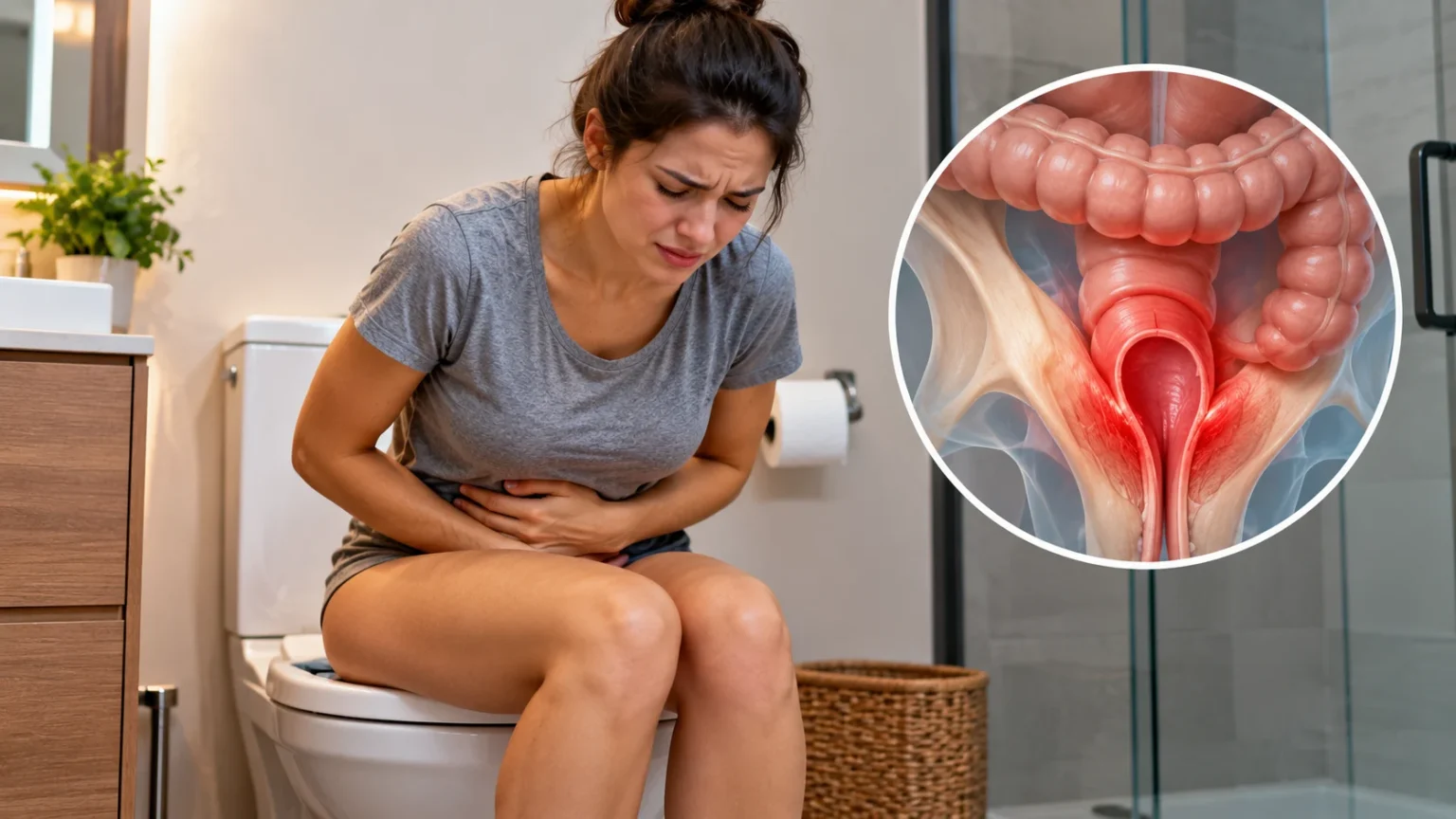

Pain during a bowel movement can be uncomfortable, worrying, and sometimes difficult to talk about. If you are wondering, “Why does it hurt when I poop?” the cause may be something relatively common, such as constipation, hemorrhoids, or a small anal fissure. In other cases, ongoing pain can be related to inflammation, pelvic floor problems, or another digestive condition.
The location and type of pain can provide useful clues. Some people notice a sharp or burning sensation as stool passes, while others experience pressure, cramping, aching, or discomfort that continues afterward. Changes in stool consistency, bleeding, itching, abdominal symptoms, and bowel habits can also help determine what may be contributing to the problem.
Occasional mild discomfort may improve when the underlying cause is addressed, but persistent or severe pain should not simply be ignored. Understanding common reasons for painful bowel movements can help you decide what self-care steps may be reasonable and when professional medical evaluation is more appropriate.
What Does Pain When Pooping Feel Like?
Painful bowel movements can feel different depending on what is causing the problem. A sharp, cutting, or burning sensation near the anal opening may suggest irritation or a small tear in the tissue. Pressure or throbbing discomfort may feel different and can sometimes occur with swollen hemorrhoids or inflammation around the rectal area.
Some people experience pain before they pass stool because the intestines or pelvic muscles are under pressure. Others feel pain only while stool is moving through the anus, while discomfort may continue for several minutes or longer afterward. Paying attention to timing can provide useful information when discussing symptoms with a healthcare professional.
It can also help to notice whether pain happens with hard stool, diarrhea, straining, or every bowel movement regardless of stool consistency. Blood on toilet paper, mucus, itching, swelling, abdominal pain, or changes in bowel frequency are additional details worth monitoring. These patterns cannot diagnose the cause by themselves, but they can help guide evaluation.
Constipation and Hard Stool
Constipation is one of the most common reasons it may hurt when you poop. Stool becomes harder and more difficult to pass when it remains in the colon for longer periods and more water is absorbed. Passing a large or dry bowel movement can stretch and irritate sensitive tissues around the anus.
Straining can make the problem worse because increased pressure affects the rectum and surrounding blood vessels. Some people also delay going to the bathroom because they expect it to hurt, which may allow the stool to become even harder. This can create a cycle in which discomfort, withholding, and constipation reinforce one another.
Increasing fluids, gradually eating more fiber, staying physically active, and responding to the natural urge to have a bowel movement may help some people. However, constipation can also be related to medications, medical conditions, dietary changes, or pelvic floor problems. Frequent or persistent constipation deserves further evaluation rather than repeated straining.
Anal Fissures and Sharp Pain
An anal fissure is a small tear in the tissue lining the anal opening. It often develops after passing hard or unusually large stool, although frequent diarrhea or irritation can also contribute. The pain is often described as sharp, tearing, or burning and may be especially noticeable during and immediately after a bowel movement.
A small amount of bright red blood may sometimes appear on toilet paper or on the outside of the stool. Because the area contains many sensitive nerve endings, even a relatively small fissure can be surprisingly painful. The discomfort may also cause the anal muscles to tighten, making future bowel movements more uncomfortable.
Keeping stools soft is an important part of reducing repeated irritation. Gentle hygiene, adequate fluid intake, and avoiding excessive straining may help minor fissures settle. If pain is severe, bleeding continues, or symptoms repeatedly return, a clinician can evaluate the area and discuss treatments that may help healing.
Hemorrhoids and Painful Bowel Movements
Hemorrhoids are swollen veins around the anus or lower rectum. Internal hemorrhoids may cause bleeding without much pain, while external hemorrhoids can become tender, swollen, itchy, or uncomfortable. Straining, constipation, pregnancy, and prolonged time sitting on the toilet can increase pressure in this area.
Pain may become more noticeable during bowel movements if stool rubs against irritated tissue. In some cases, a blood clot can develop inside an external hemorrhoid and cause sudden, significant pain or a tender lump near the anal opening. Not every lump or episode of bleeding is caused by hemorrhoids, so repeated symptoms should be properly assessed.
Reducing straining and keeping bowel movements comfortable can often help with mild symptoms. Warm baths, gentle cleaning, and avoiding prolonged toilet sitting may also reduce irritation. Significant bleeding, persistent pain, or a new lump should be discussed with a healthcare professional to make sure another condition is not responsible.
Pelvic Floor Muscle Problems
The pelvic floor muscles help support the bladder, bowel, and pelvic organs while also coordinating bowel movements. Normally, certain muscles need to relax as stool passes. If they tighten instead of relaxing, pushing stool out can become difficult, uncomfortable, and sometimes painful even when stool is not especially hard.
People with pelvic floor coordination problems may feel that stool is stuck or that they cannot completely empty their bowels. They may spend a long time straining, change body positions repeatedly, or feel pressure in the rectum afterward. Constipation and pelvic discomfort can sometimes occur alongside these symptoms.
Treatment depends on the underlying problem and may include specialized pelvic floor physical therapy, bowel habit changes, or other medical care. Simply pushing harder is usually not a good long-term solution when the muscles are not coordinating properly. Persistent difficulty emptying the bowel should be evaluated so the cause can be identified.
Diarrhea and Skin Irritation
Diarrhea can also make bowel movements painful even though the stool is soft. Frequent wiping, digestive enzymes in loose stool, and repeated trips to the bathroom can irritate the sensitive skin around the anus. The area may begin to feel raw, burning, or sore after several bowel movements.
Certain foods, infections, medications, food intolerances, stress, and digestive conditions can all contribute to diarrhea. Short-term episodes often improve once the underlying trigger settles. During this time, gentle cleaning and avoiding heavily fragranced wipes or harsh soaps may help prevent further irritation around the anal area.
Diarrhea that continues for several days, repeatedly returns, or occurs with dehydration, fever, blood, severe pain, or significant weakness requires more attention. Children, older adults, and people with certain health conditions can become dehydrated more easily. Persistent diarrhea should not be managed only as a skin problem when the bowel symptoms themselves remain unexplained.
Inflammation and Digestive Conditions
Inflammatory conditions affecting the digestive tract can sometimes cause painful bowel movements. Inflammation around the rectum or colon may produce urgency, cramping, mucus, diarrhea, or bleeding along with pain. Symptoms can vary significantly depending on which part of the digestive system is affected and what is causing the inflammation.
Conditions such as inflammatory bowel disease require medical diagnosis and ongoing management rather than self-treatment alone. Rectal inflammation can also develop because of infections, radiation treatment, or other medical problems. Because several conditions can produce similar symptoms, persistent bowel pain usually needs a proper history and examination.
Pain accompanied by recurring diarrhea, blood in the stool, unexplained weight loss, fever, or ongoing abdominal symptoms should be discussed with a clinician. These signs do not automatically mean a serious condition is present, but they provide a reason to investigate further rather than assuming constipation or hemorrhoids are responsible.
Hormonal Changes, Menopause, and Bowel Symptoms
Hormonal changes can influence digestion and bowel habits in some people. Around menopause, changes in activity, diet, medications, sleep, stress, and hormone levels may occur at the same time, making bowel patterns feel different. Constipation, bloating, and abdominal discomfort can therefore sometimes appear during the same stage of life.
Body composition may also change during midlife, which is why people experiencing digestive concerns sometimes have related questions about menopause belly fat and abdominal changes. However, new pain during bowel movements should not automatically be attributed to menopause or weight changes without considering other possible causes.
Pelvic floor function can also change with age and hormonal shifts, potentially affecting bowel emptying in some people. If constipation, rectal pain, pelvic pressure, or bleeding develops or becomes persistent during menopause, professional evaluation can help distinguish common bowel problems from symptoms that require specific treatment.
When Painful Pooping Needs Medical Attention
Occasional mild discomfort after a hard bowel movement may settle once stool becomes softer. However, pain that continues for more than a short period, repeatedly returns, or becomes more intense should be assessed. Persistent symptoms may indicate a fissure, hemorrhoids, pelvic floor dysfunction, inflammation, or another condition requiring targeted treatment.
Seek timely medical advice if you notice repeated rectal bleeding, significant changes in bowel habits, unexplained weight loss, persistent abdominal pain, fever, or unusual fatigue. Black or tar-like stool can indicate bleeding higher in the digestive tract and requires prompt medical attention. Large amounts of bleeding or dizziness should also be treated seriously.
Urgent care may be necessary when severe abdominal pain occurs with vomiting, significant swelling, inability to pass stool or gas, fainting, or heavy bleeding. These symptoms are different from routine constipation discomfort. When symptoms feel severe or rapidly worsen, delaying evaluation in hopes that they disappear is not advisable.
What to Do When It Hurts to Poop
If discomfort appears related to hard stool, focus first on making bowel movements easier to pass. Drink enough fluids, include fiber-containing foods gradually, and remain physically active when possible. Increasing fiber too quickly can cause additional gas or bloating, so dietary changes are usually more comfortable when introduced progressively.
Avoid sitting on the toilet for long periods while repeatedly straining. Going when you naturally feel the urge can reduce the chance of stool becoming harder. Some people also find that placing their feet on a small stool creates a more comfortable toileting position by changing the angle of the hips and knees.
Warm baths may soothe irritation around the anal area, particularly with minor fissures or hemorrhoid discomfort. Keep the area clean without scrubbing aggressively and avoid products that sting or irritate the skin. If home measures do not improve symptoms, professional guidance is more useful than repeatedly trying different remedies without knowing the cause.
How to Prevent Painful Bowel Movements
Regular bowel habits can reduce the chance of painful constipation. A balanced diet containing vegetables, fruits, whole grains, legumes, and other fiber sources may help stool retain an easier-to-pass consistency. Fluid needs vary, but regularly drinking throughout the day supports normal digestion and helps fiber work effectively.
Physical movement can also support bowel function. Walking, exercise, and simply avoiding extremely long periods of inactivity may encourage normal intestinal movement. People who frequently ignore the urge to use the bathroom may benefit from allowing enough time and privacy to respond when the body signals that a bowel movement is needed.
Prevention also means paying attention when symptoms change. Recurrent pain should not become something you simply learn to tolerate. Identifying constipation, medication effects, pelvic floor difficulties, or other digestive issues early can make it easier to address the underlying problem before painful bowel movements become a regular pattern.
Conclusion
If it hurts when you poop, common causes include constipation, anal fissures, hemorrhoids, diarrhea-related irritation, and difficulty coordinating the pelvic floor muscles. The type, timing, and location of pain can provide clues, but several conditions can produce similar symptoms. It is therefore important not to rely on symptoms alone for a definite diagnosis.
For mild discomfort associated with hard stools, improving hydration, gradually increasing fiber, avoiding excessive straining, and maintaining regular movement may help. Gentle hygiene and warm baths may also soothe irritated tissues. Any self-care approach should focus on comfortable bowel movements rather than forcing stool to pass.
Persistent pain, repeated bleeding, major bowel changes, severe abdominal symptoms, or unexplained weight loss should be assessed by a healthcare professional. Prompt evaluation is especially important for heavy bleeding, black stool, fever, vomiting, or severe worsening pain. Getting the cause identified is the best way to choose appropriate treatment.
FAQs
Why does it hurt when I poop even if I am not constipated?
Pain can also result from anal fissures, hemorrhoids, diarrhea-related irritation, pelvic floor problems, inflammation, or infection. Persistent pain deserves evaluation even when your stool is soft.
Why is there sharp pain when I pass stool?
Sharp or cutting pain during a bowel movement is commonly associated with an anal fissure, especially after hard stool. Other conditions can cause similar pain, so recurring symptoms should be assessed.
Is blood after pooping always caused by hemorrhoids?
No. Hemorrhoids and fissures commonly cause bright red bleeding, but other digestive conditions can also cause blood in stool. Recurrent, unexplained, or heavy bleeding requires medical evaluation.
Can constipation cause pain after a bowel movement?
Yes. Hard stool and straining can irritate the anus, aggravate hemorrhoids, or create a small fissure, allowing discomfort to continue after the bowel movement has finished.
When should I worry about painful bowel movements?
Seek medical advice for persistent pain, recurring bleeding, bowel habit changes, fever, weight loss, or significant abdominal symptoms. Heavy bleeding, black stool, severe pain, or dizziness require more urgent attention.