
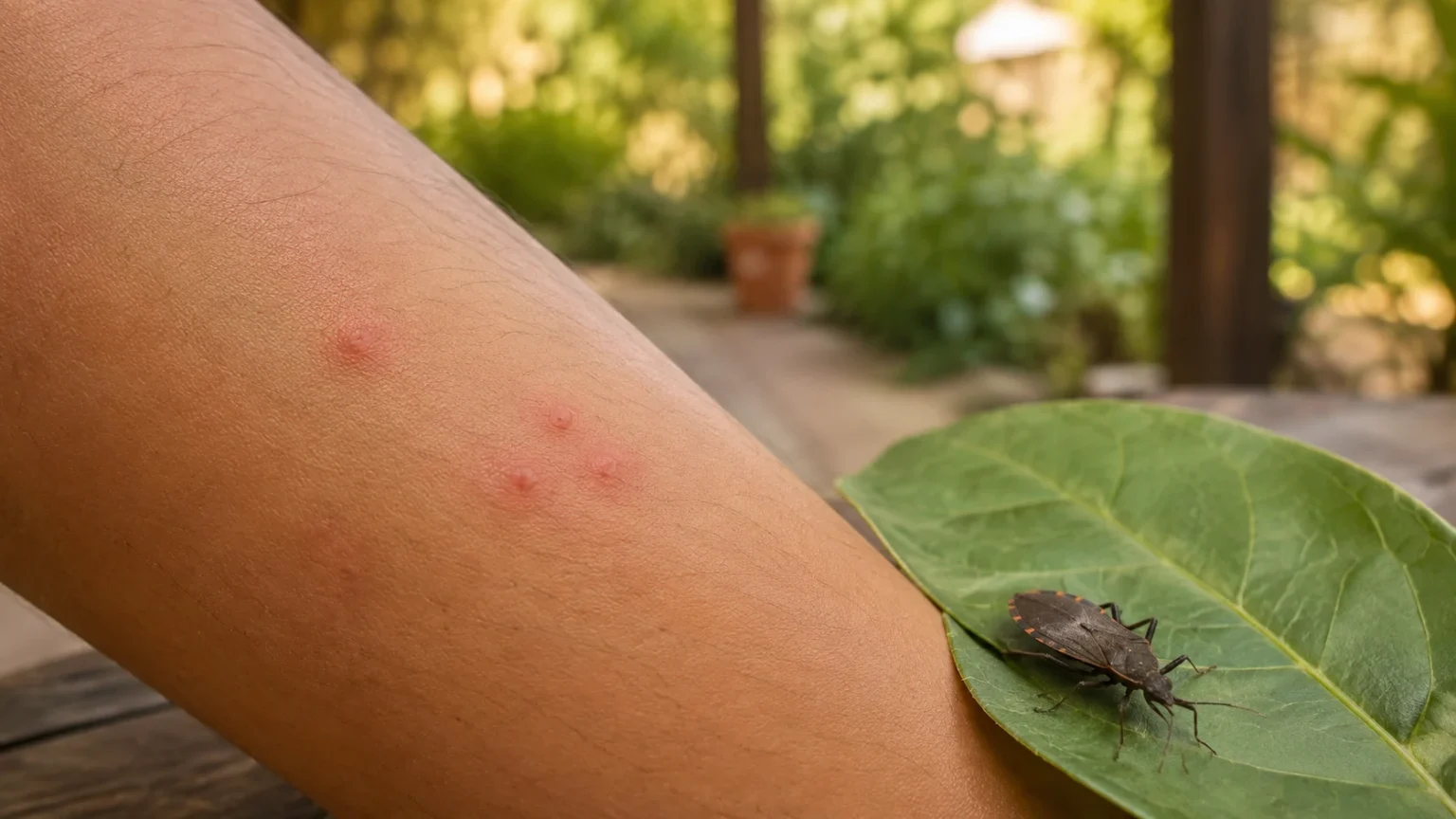

Kissing Bug Bite Marks: Pictures, Signs and Risks
Kissing bug bite marks can be difficult to identify because they often look similar to bites from mosquitoes, bed bugs, fleas, spiders, or other insects. A person may notice a small red bump, itching, swelling, or a cluster of irritated spots after sleeping or spending time outdoors. The name “kissing bug” comes from the insect’s tendency to bite around the face, especially near the mouth or eyes, although bites can occur on other exposed areas of the body. A bite mark alone cannot confirm what insect caused it. Looking at the symptoms, location, timing, possible exposure, and the insect itself gives a more complete picture.
Kissing bugs are also called triatomine bugs or cone-nosed bugs. Some species can carry the parasite that causes Chagas disease, but being bitten does not automatically mean someone has been infected. The parasite is typically spread when infected bug droppings enter the body through the bite area, eyes, mouth, or another opening. This makes it important to avoid scratching a suspected bite and to wash the area carefully. Most bug bites are not medical emergencies, but certain symptoms and exposure histories deserve prompt attention. This guide explains what to look for, how to reduce risk, and when to contact a healthcare professional.
What Does a Kissing Bug Bite Look Like?
A kissing bug bite may appear as a small red bump, welt, or raised patch of irritated skin. It can resemble a mosquito bite because both may cause itchiness, mild swelling, and redness. Some people notice only one bite, while others may see several marks if the insect fed more than once. The bite can appear overnight because kissing bugs are most active after dark. It may be located on exposed skin, including the face, neck, arms, hands, legs, or feet. However, appearance alone is not enough to confirm that a mark came from a kissing bug.
In pictures, suspected kissing bug bites may look like red, itchy spots with a slightly raised center. The surrounding skin may become pink or swollen, particularly if a person has a stronger reaction to insect saliva. Some marks may be small and barely noticeable, while others can become larger because of scratching or skin irritation. A rash-like area does not automatically mean Chagas disease or a serious allergic reaction. Many insects can cause similar skin changes. Comparing online images can be useful for general awareness, but it should not be used as a diagnosis.
Some people experience a stronger local reaction after a kissing bug bite. The bite area may feel warm, sore, itchy, or tender for several days. Swelling may be more noticeable on the face because facial skin and tissues are more delicate. In certain cases, the area may develop a firm bump or a larger red patch. Scratching can break the skin and increase the risk of a secondary bacterial infection. Keeping the area clean and avoiding picking at it is often more helpful than repeatedly checking or touching the mark.
A bite around the eye deserves additional attention. Swelling of one eyelid can occur for many reasons, including allergies, styes, irritation, sinus problems, insect bites, and infection. In areas where exposure to infected kissing bugs is possible, swelling near one eye after contact with a suspected bug may be a reason to seek medical advice. It does not confirm infection on its own, but it provides useful information for a healthcare professional. Eye symptoms should never be ignored if they involve pain, vision changes, severe swelling, light sensitivity, or trouble opening the eye. These signs can need urgent assessment regardless of the suspected cause.
The timing of the mark can offer clues but is still not definitive. A person may wake up with an itchy bump after sleeping, notice a bite after working outdoors, or discover a mark after entering a cabin, shed, pet area, or older building. Kissing bugs tend to hide during the day and may emerge at night to feed. Still, bed bugs, mosquitoes, fleas, and other insects can also leave marks after dark. Instead of relying only on the bite, consider whether you saw an insect, found one indoors, or had a relevant travel or environmental exposure. This broader context is more useful than the bite’s appearance by itself.
How to Identify a Kissing Bug
Kissing bugs are generally larger than common bed bugs and often have a long, narrow body. Many are about half an inch to one inch long, though size can vary by species and life stage. They usually have a cone-shaped head, long legs, and a narrow mouthpart used for feeding. Their bodies are often dark brown or black with red, orange, yellow, or tan markings along the edges of the abdomen. Because several insects have similar coloring, visual identification can be difficult for people without entomology experience. Taking a clear photograph can be more helpful than trying to identify the insect from memory.
Kissing bugs are commonly confused with harmless look-alike insects. Assassin bugs, wheel bugs, leaf-footed bugs, and other insects may have a similar shape or color pattern but are not the same as triatomine bugs. Some look-alikes can bite or cause irritation when handled, while others are not a health concern at all. This is why finding a dark, long-legged insect near your home does not automatically mean you have kissing bugs. Accurate identification may require assistance from local public-health, agricultural, pest-control, or insect-identification services. Avoid crushing the insect with bare hands if you suspect it could be relevant to a health concern.
Where the insect was found can provide useful information. Kissing bugs may be associated with areas where they can hide, such as cracks in walls, gaps near windows, pet bedding, wood piles, outdoor structures, rodent nests, chicken coops, or clutter near a home. They are more likely to be active at night and may be drawn to lights. In some regions, they can enter homes through openings around doors, windows, rooflines, vents, or utility lines. The chance of encountering them varies by location and housing conditions. A bug found outdoors does not necessarily mean it has been living or feeding inside the home.
If you find a suspected kissing bug, avoid touching it directly. Use a container, jar, plastic bag, or gloves if you need to collect it for possible identification. Try to keep the insect intact, because body shape and markings can help experts distinguish it from similar bugs. Do not place it on your skin, crush it near your face, or handle it with bare hands. Wash your hands afterward, especially if you may have come into contact with insect droppings. If you are uncertain what to do, take several clear photos from above and from the side before disposing of it or asking local experts for guidance.
Homeowners should also remember that one insect sighting does not always indicate an infestation. Insects can wander indoors accidentally, especially during warmer months or when attracted by outdoor lighting. However, repeated sightings, bites after sleeping, or bugs found near sleeping areas may justify a closer inspection. Check screens, door seals, wall gaps, pet sleeping spaces, and areas where wildlife or rodents may be close to the home. A licensed pest-control professional can assess possible entry points and recommend appropriate measures. Avoid using excessive pesticides indoors without clear identification, because unnecessary chemical exposure can create its own risks.
Kissing Bug Bite Marks vs. Other Bug Bites
Mosquito bites are one of the most common look-alikes for kissing bug bite marks. Mosquito bites often appear as itchy, round, raised bumps that may become larger after scratching. They can occur anywhere exposed skin is accessible, especially after time outdoors or in areas with standing water. A mosquito bite may appear quickly and often becomes very itchy within hours. Kissing bug bites can look similar, which makes visual comparison unreliable. If you did not see the insect, it is usually impossible to determine the cause based only on a single red bump.
Bed bug bites can also be mistaken for kissing bug bites. Bed bugs often bite at night and may leave small itchy marks on exposed skin, including the arms, shoulders, neck, face, hands, and legs. Some people develop bites in groups, rows, or clusters, while others show little skin reaction at all. Bed bugs may leave signs in sleeping areas, such as dark spots on mattresses, shed skins, tiny pale eggs, or live insects in seams and cracks. Kissing bugs are typically larger and shaped differently from bed bugs. If bites are happening repeatedly after sleep, checking the bedroom environment can help narrow down possible causes.
Flea bites are another common possibility, especially in homes with pets. Flea bites often appear as small, very itchy red bumps, commonly around the ankles, feet, lower legs, or waistline. Pets may scratch more often or show signs of fleas, which can provide an important clue. Fleas are much smaller than kissing bugs and may be difficult to spot in carpets, pet bedding, or upholstery. Although flea bites and kissing bug bites can both itch, their location and household context may differ. Treating pets and the home environment may be necessary when fleas are suspected.
Spider bites are frequently blamed for unexplained skin marks, but true spider bites are less common than people think. Many red, sore bumps blamed on spiders are actually caused by insects, irritation, allergic reactions, or skin infections. A spider bite may cause localized pain, redness, or swelling, but the appearance can vary by species and individual reaction. Severe pain, spreading redness, blistering, fever, or tissue changes should be evaluated by a healthcare professional rather than self-diagnosed online. A photo of a skin lesion usually cannot reliably distinguish a spider bite from another cause. Medical assessment is especially important when symptoms worsen quickly.
Skin conditions can also mimic insect bites. Hives, contact dermatitis, eczema, folliculitis, heat rash, acne, and bacterial skin infections can all create itchy or red bumps. A rash that keeps recurring without a clear insect exposure may be more likely related to irritation, allergy, or a skin condition than a bug bite. New laundry products, soaps, plants, cosmetics, pets, medications, and fabrics can all contribute to skin reactions. If marks keep appearing but no insects are found, consider whether there has been a new environmental exposure. A clinician or dermatologist can help when a rash is persistent, painful, spreading, or difficult to identify.
Understanding Kissing Bugs and Chagas Disease
Kissing bugs matter medically because some can carry a parasite called Trypanosoma cruzi. This parasite causes Chagas disease, also known as American trypanosomiasis. The disease is more common in parts of Mexico, Central America, and South America, but kissing bugs are also found in parts of the southern United States. The presence of a kissing bug does not automatically mean it carries the parasite. Likewise, a bite does not automatically mean a person has Chagas disease. Risk depends on the insect species, geographic area, whether the insect was infected, and whether contaminated droppings reached a break in the skin or a mucous membrane.
A key fact is that Chagas disease is not usually transmitted through the bite itself. After feeding, an infected kissing bug may pass stool near the bite site. The parasite can enter the body if contaminated material is rubbed into the bite, a scratch, the eye, the mouth, or another mucous membrane. This is why avoiding scratching and washing the skin after a suspected bite are sensible precautions. A person may also become infected through other routes, including congenital transmission, certain blood or organ exposures, and contaminated food in rare circumstances. The transmission process is more complex than simply being bitten by an insect.
Early Chagas disease may cause no symptoms at all. When symptoms occur, they can be mild and nonspecific, making the illness difficult to recognize without testing. Possible early signs include fever, fatigue, headache, body aches, rash, loss of appetite, nausea, diarrhea, or vomiting. Some people may have swelling around the bite site or swelling of one eyelid if the parasite entered near the eye. These symptoms overlap with many common illnesses, including viral infections and ordinary allergic reactions. A healthcare professional will consider travel history, insect exposure, symptoms, and testing when evaluating possible Chagas disease.
If untreated, Chagas disease can remain in the body for many years. Some people never develop noticeable complications, while others may later experience serious heart or digestive problems. Potential long-term complications can include abnormal heart rhythm, heart enlargement, heart failure, swallowing problems, or bowel problems. These complications do not happen to everyone with the infection, but they show why early diagnosis matters when there is a credible exposure concern. Effective treatments are available, especially when infection is identified early. Anyone worried about Chagas disease should seek professional testing instead of waiting for symptoms to become severe.
It is important not to panic after every unexplained bite. In many cases, a red mark will be caused by a common insect or a minor skin irritation rather than a kissing bug. However, awareness is valuable when a person has seen a suspected triatomine bug, spent time in an area where kissing bugs are known to occur, or developed compatible symptoms afterward. Save details such as the date, location, photos of the insect, and photos of the bite area if possible. This information can help a clinician make a more informed decision about testing. Calm, practical follow-up is more useful than trying to diagnose yourself from pictures alone.
Signs of a Kissing Bug Bite Reaction
A mild local reaction may include redness, itching, a small bump, and minor swelling. This type of reaction can be uncomfortable but often improves with basic skin care and avoiding scratching. Wash the area with soap and water, then use a cool compress for short periods if swelling or itching is bothersome. Some people may use an over-the-counter anti-itch product or oral antihistamine if it is safe for them, but they should follow the label or ask a pharmacist. Keep fingernails short to reduce skin damage from scratching. Watch for changes rather than assuming every bite will follow the same course.
A larger local reaction can cause more pronounced swelling, warmth, tenderness, or a wider red area around the bite. This does not necessarily mean infection, but it may be a sign that the immune system is reacting strongly to the insect saliva or skin irritation. Facial swelling can look dramatic because the skin around the eyes and lips is loose and sensitive. If swelling is limited, stable, and not affecting breathing or vision, a clinician may still be able to advise on home care. However, worsening swelling, significant pain, or spreading redness should be evaluated. Children may need quicker assessment because skin reactions can be harder to monitor.
Allergic reactions require urgent attention when they involve more than the bite site. Signs of a serious reaction can include trouble breathing, wheezing, throat tightness, swelling of the lips or tongue, fainting, confusion, widespread hives, or severe dizziness. These symptoms can indicate anaphylaxis, which is a medical emergency. Call emergency services or seek immediate emergency care if these symptoms occur. Do not wait to see whether the reaction improves on its own. A severe allergic response can worsen quickly, even if the original bite looked small.
A secondary skin infection can occur when a person scratches a bite repeatedly or when bacteria enter broken skin. Warning signs include increasing pain, pus, red streaks, a growing warm area, fever, or swelling that continues to worsen instead of improving. A bite that becomes increasingly tender after several days deserves medical attention. Do not squeeze, cut, or try to drain a suspicious area at home. This can push bacteria deeper into the skin or delay proper treatment. A healthcare professional can determine whether the problem is irritation, infection, an abscess, or another skin condition.
Systemic symptoms after a suspected kissing bug exposure should also be taken seriously. Fever, fatigue, headache, body aches, swollen lymph nodes, rash, digestive upset, or eyelid swelling may be caused by many illnesses, but they are worth discussing with a clinician if exposure is plausible. Be ready to explain where you were, when the bite occurred, whether you saw the insect, and whether you have traveled to regions where Chagas disease is more common. This information helps guide testing and follow-up. Avoid assuming that the symptoms are “just anxiety” or “just a bug bite” if you feel unwell. Early evaluation can provide reassurance or identify a condition that needs treatment.
What to Do After a Suspected Kissing Bug Bite
Start by gently washing the bite area with soap and clean water. This can remove dirt, insect residue, and possible contaminants from the skin surface. Avoid harsh scrubbing, alcohol, bleach, or strong chemical products, because these can irritate the skin and make the area more inflamed. Pat the skin dry with a clean towel rather than rubbing it aggressively. If the bite is itchy or swollen, a cool compress can help reduce discomfort. Try not to scratch, even though itching can be difficult to ignore.
If you found the insect, take clear photos before disposing of it or collecting it safely. Photographs from above, the side, and near a size reference can help with identification. If collection is appropriate in your area, use gloves or a container rather than bare hands. Keep the insect away from children and pets, and do not crush it against skin or near the face. Local public-health agencies, universities, agricultural extension services, or pest professionals may be able to help identify a suspected kissing bug. Accurate identification can reduce unnecessary worry and help determine whether any further action is needed.
Monitor the bite for several days. Take a photo each day if the mark is changing, particularly if redness, swelling, blistering, or pain is increasing. This can make it easier to show a healthcare professional how the area has progressed. Pay attention to other symptoms, including fever, tiredness, rash, stomach upset, swollen eyelids, or unusual heart symptoms. Most minor bites improve gradually, but a worsening pattern is important information. Write down the date and location of the bite, especially if you were traveling or staying somewhere new.
Avoid relying on home remedies that can damage the skin. Applying toothpaste, bleach, vinegar, gasoline, essential oils, or undiluted alcohol may worsen irritation and does not treat parasite exposure. If you use an anti-itch cream, antihistamine, or pain reliever, make sure it is appropriate for your age, medical history, and other medicines. Ask a pharmacist if you are unsure, especially for children, pregnancy, breastfeeding, or chronic health conditions. Keep the bite clean and protect it from friction when possible. Simple care is usually safer than aggressive treatment.
Contact a healthcare professional if you think the insect may have been a kissing bug, particularly if you have symptoms or a relevant travel history. Mention the suspected insect exposure directly, because clinicians may not automatically consider it when evaluating an ordinary-looking bite. They may ask about travel, sleeping conditions, pets, wildlife exposure, blood donation history, and family medical history. Testing is not based on the appearance of a bite alone. A clinician will decide whether blood tests, monitoring, or referral are appropriate. Prompt advice can provide clarity and reduce the risk of missing an important diagnosis.
When to Seek Medical Care
Seek emergency care right away if you develop trouble breathing, swelling of the lips or tongue, severe dizziness, fainting, widespread hives, or severe swelling around the face. These signs can indicate a serious allergic reaction that needs immediate treatment. Emergency care is also important for severe eye pain, vision changes, inability to open the eye, or rapidly worsening swelling around the eye. Do not drive yourself if you feel faint or have difficulty breathing. Call emergency services or ask someone to help you get care quickly. Fast action matters when allergic or eye-related symptoms are severe.
Make a same-day medical appointment for spreading redness, increasing pain, pus, fever, red streaks, or a bite that appears infected. These symptoms may indicate a bacterial skin infection rather than a simple insect reaction. A clinician can assess whether antibiotics or another treatment are needed. Do not try to pop a blister, drain a swollen area, or scrape the skin with a sharp object. These actions can worsen damage and raise the risk of infection. Children, older adults, and people with weakened immune systems should be assessed promptly if a bite becomes painful or infected.
Contact a healthcare professional if you develop fever, fatigue, body aches, rash, swollen eyelid, headache, digestive symptoms, or other illness after a suspected kissing bug exposure. These symptoms are not specific to Chagas disease, but they may justify a discussion about testing. It is particularly important to mention travel or residence in areas where Chagas disease is more common. A clinician may also consider whether you had known contact with a triatomine bug or its droppings. Bring photos of the insect or bite mark if you have them. Clear details can help the clinician assess risk more accurately.
Pregnant people should seek medical advice after a suspected kissing bug exposure, particularly if they have traveled to an area where Chagas disease is common or believe they may have been exposed to triatomine bugs. Chagas disease can sometimes be passed from a pregnant person to a baby. This does not mean exposure guarantees infection, but it makes timely assessment important. Infants and young children should also be evaluated promptly if they have concerning symptoms after a suspected bite. Young children may not be able to describe symptoms clearly, and skin reactions can change quickly. It is always reasonable to ask for guidance when you are unsure.
People with heart disease, immune suppression, severe allergies, or complex medical conditions may need a lower threshold for contacting a clinician. They may be more vulnerable to complications from infection, allergic reactions, or medication interactions. If you have a history of severe insect-sting reactions, ask your healthcare professional whether you should carry emergency medication or have a personalized action plan. Avoid letting embarrassment or uncertainty delay care. Medical professionals are used to evaluating insect bites and environmental exposures. Getting advice early is often simpler and less stressful than waiting for symptoms to worsen.
How to Prevent Kissing Bug Bites
Preventing kissing bug bites starts with reducing the chance that insects can enter sleeping areas. Check window screens, door seals, vents, roof gaps, wall cracks, and spaces around pipes or utility lines. Repairing openings can help keep many types of insects out, not just kissing bugs. Use weather stripping where appropriate and make sure screens fit tightly without tears. Keep doors closed when possible, especially at night when insects are more active. Small home-maintenance steps can make a meaningful difference in reducing unwanted pests indoors.
Outdoor areas can also influence insect activity near the home. Keep wood piles, brush, leaf litter, stone piles, and animal nesting materials away from the exterior when possible. These spaces can create hiding places for insects and wildlife. If you have outdoor pets or animal enclosures, keep sleeping areas clean and inspect them regularly. Pet bedding should be washed and maintained, particularly if pets sleep near the home or move between indoor and outdoor spaces. Reducing clutter around the house can also make it easier to spot insects before they enter living areas.
Use protective measures when camping, traveling, or sleeping in areas with potential insect exposure. Well-maintained lodging, intact window screens, and secure sleeping areas can reduce contact with many biting insects. Insect repellent may help reduce bites when used according to the product label, although it should not be treated as the only protective measure. Wear protective clothing when outdoors in areas with high insect activity, particularly during the evening and overnight hours. Avoid sleeping directly on the ground or near animal nests when possible. Travel preparation is especially useful when visiting rural or remote regions.
Indoor lighting can attract insects, so consider reducing bright exterior lights near open doors and windows at night. If outdoor lighting is needed, position it away from entryways where possible. Keep bedrooms uncluttered and check areas near beds, furniture, curtains, and wall cracks if you have concerns about insect activity. Do not assume that every nighttime insect is a kissing bug, but do take repeated sightings seriously. A professional pest inspection can identify entry points and recommend targeted strategies. Broad pesticide use without identification is not always effective and may create unnecessary exposure for people and pets.
Public awareness is also part of prevention. Learn what common local insects look like, especially if you live in or travel to an area where kissing bugs may be found. Teach children not to touch unfamiliar insects with bare hands. If you see a suspected kissing bug, use a container or gloves rather than trying to handle it directly. Keep a record of where and when it was found, particularly if multiple insects appear. Prevention is not about becoming fearful of every bug; it is about taking sensible steps to reduce contact, protect your home, and seek help when a situation is genuinely concerning.
FAQs About Kissing Bug Bite Marks
What does a kissing bug bite look like?
A kissing bug bite may look like a small, red, itchy bump or swollen welt. It can resemble a mosquito, flea, or bed bug bite, so a picture alone cannot confirm the cause.
Can a kissing bug bite give you Chagas disease?
A bite does not automatically cause Chagas disease. Infection can happen when droppings from an infected kissing bug enter the bite wound, eye, mouth, or another opening in the body.
When should I worry about a suspected kissing bug bite?
Seek medical advice if you saw a suspected kissing bug, have fever or flu-like symptoms, develop swelling around one eye, or have traveled to an area where Chagas disease is common. Seek emergency care for breathing trouble, facial swelling, or severe allergic symptoms.
Should I keep a kissing bug I found?
If it can be done safely, place it in a sealed container without touching it directly. Clear photos can also help local experts identify the insect.
Are kissing bugs the same as bed bugs?
No. Kissing bugs and bed bugs are different insects, although both can bite people at night. Kissing bugs are generally larger, have a more elongated shape, and can carry the parasite associated with Chagas disease.