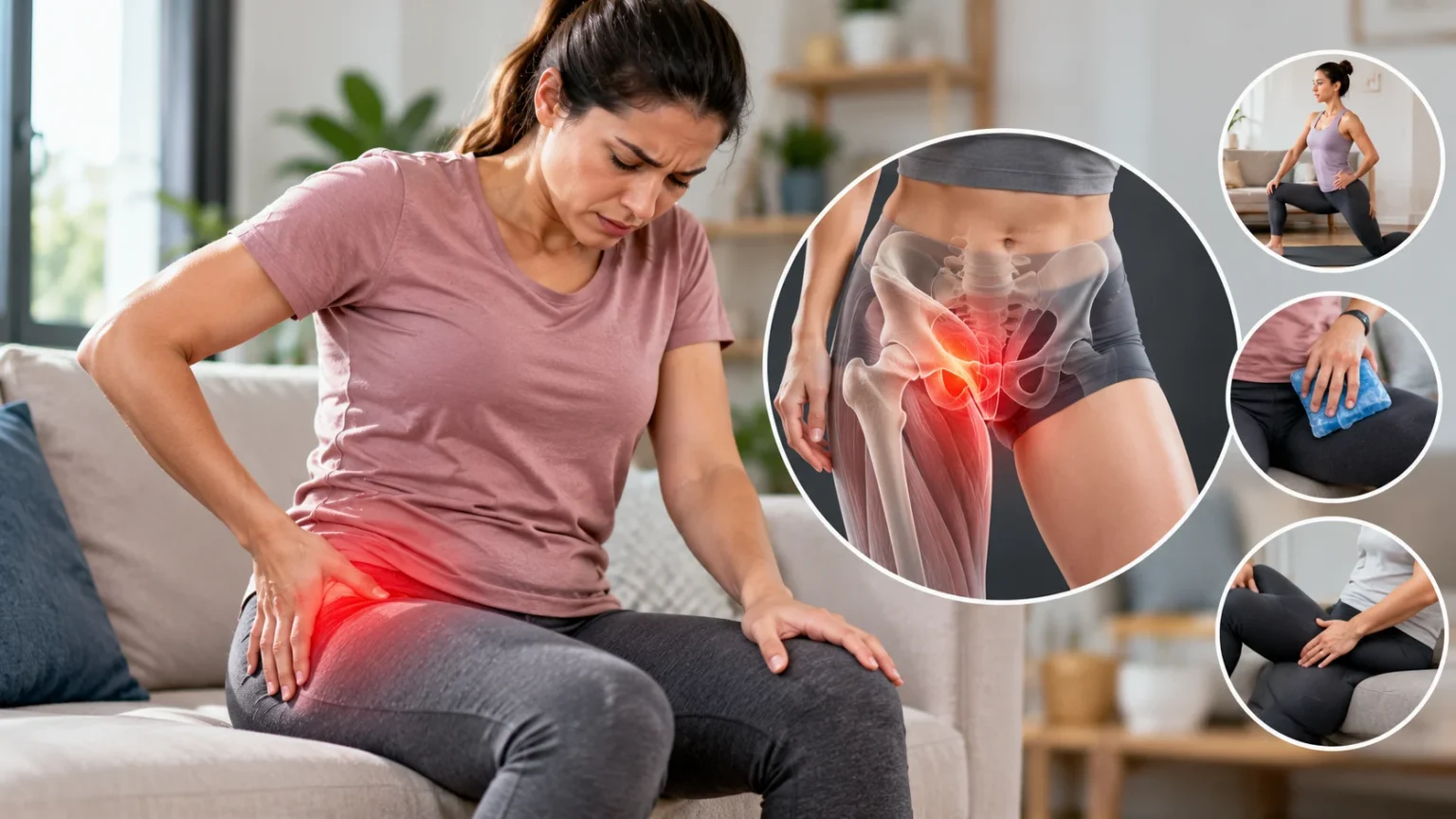

Right side female groin pain can develop for many reasons, ranging from a mild muscle strain to problems involving the hip, urinary system, reproductive organs, or digestive tract. The groin sits where the lower abdomen meets the upper thigh, so discomfort in this area can sometimes be difficult to trace to one specific structure. The severity and pattern of pain often provide important clues.
Some causes of right-sided groin pain improve with rest and basic self-care, while others require prompt medical attention. Pain that is sudden, severe, persistent, or accompanied by fever, vomiting, unusual bleeding, or difficulty walking should not be ignored. Understanding the most common causes and warning signs can help you decide when home care may be reasonable and when professional evaluation is needed.
What Does Right Side Female Groin Pain Mean?
Right side groin pain refers to discomfort located near the crease where the lower abdomen meets the upper inner thigh on the right side. The pain may feel sharp, dull, aching, burning, pulling, or like pressure. It can remain localized or spread toward the hip, lower abdomen, pelvis, back, or upper leg.
Because several organs and muscle groups are located close together in this region, symptoms can overlap. A strained muscle may feel similar to hip pain, while pelvic or abdominal problems may also be felt in the groin. The exact location, timing, intensity, and activities that worsen the pain can help narrow down possible causes.
Groin pain may develop suddenly after physical activity or appear gradually without an obvious trigger. Some women notice pain only when walking, bending, exercising, coughing, or standing, while others experience discomfort even at rest. Persistent or unexplained pain deserves medical assessment, especially when it interferes with normal movement or daily activities.
Common Causes of Right Side Groin Pain in Women
One of the most common causes is a muscle or tendon strain. The adductor muscles of the inner thigh, hip flexors, and nearby tissues can become irritated after running, lifting, sudden twisting, or starting a new exercise routine. Muscle-related pain often becomes worse with movement and may improve gradually with rest.
Hip and joint problems can also cause pain that is felt in the groin rather than directly over the hip. Arthritis, labral injuries, bursitis, or other hip conditions may produce discomfort during walking, climbing stairs, or rotating the leg. Stiffness and reduced range of motion may occur alongside the pain.
Pelvic, urinary, and abdominal conditions are other important possibilities. Ovarian cysts, urinary tract problems, kidney stones, appendicitis, and hernias can all produce pain that extends into the right groin. Because some of these conditions require specific treatment, persistent symptoms should not automatically be assumed to come from a pulled muscle.
Muscle Strain and Overuse Injuries
A groin strain occurs when muscles or tendons in the inner thigh are overstretched or torn. This often happens during sports, quick changes in direction, heavy lifting, or movements involving sudden hip extension. The pain may appear immediately or become more noticeable several hours after the activity.
Muscle strain usually causes tenderness along the inner thigh or groin and may worsen when squeezing the legs together. Walking, climbing stairs, or getting in and out of a car can also become uncomfortable. Mild swelling or bruising may occur in more significant strains, although some injuries cause pain without visible changes.
Most mild strains improve with reduced activity and gradual return to movement. However, severe pain, significant bruising, weakness, or inability to walk normally may indicate a more substantial muscle or tendon injury. In these situations, a healthcare professional can assess the severity and determine whether rehabilitation or imaging is appropriate.
Hip Problems That Can Cause Groin Pain
Hip problems frequently produce pain in the groin because the hip joint lies deep within this region. Osteoarthritis can cause aching, stiffness, and discomfort that becomes worse with prolonged walking or standing. Some people notice reduced hip movement, especially when putting on shoes, crossing the legs, or getting up from a low chair.
A hip labral tear can also lead to groin pain. The labrum is a ring of cartilage surrounding the hip socket, and injury may cause clicking, catching, stiffness, or pain during rotation. Labral problems can occur after sports injuries, repeated hip movements, or structural differences affecting the shape of the joint.
Other causes include hip impingement, tendon irritation, and less commonly stress fractures. Pain associated with weight-bearing, decreased movement, or persistent symptoms should be evaluated rather than repeatedly exercised through. Early diagnosis can help prevent continued irritation and guide a more appropriate treatment plan.
Ovarian Cysts and Pelvic Causes
Ovarian cysts are fluid-filled sacs that can develop on or within the ovaries. Many cause no symptoms and disappear on their own, but larger or irritated cysts may cause one-sided pelvic or groin pain. The discomfort can be dull and persistent or become sharper during exercise, intercourse, or certain movements.
A cyst that ruptures may cause sudden pelvic pain, although the severity varies. Ovarian torsion, where the ovary twists and reduces its own blood supply, can cause severe one-sided pain, nausea, and vomiting. This is a medical emergency and requires urgent evaluation because delayed treatment can damage the ovary.
Other pelvic conditions, including endometriosis and pelvic inflammatory disease, can also cause pain that radiates toward the groin. Symptoms may vary with the menstrual cycle or occur alongside painful periods, pelvic tenderness, abnormal discharge, or discomfort during intercourse. Persistent pelvic symptoms should be discussed with a healthcare professional.
Could It Be Appendicitis?
Appendicitis is an important cause of right-sided abdominal pain and may sometimes be felt near the groin. Pain often begins around the center of the abdomen and later shifts toward the lower right side, although the pattern is not always typical. The discomfort generally becomes progressively worse rather than improving with rest.
Other symptoms can include nausea, vomiting, reduced appetite, fever, and tenderness in the lower abdomen. Movement, coughing, or bumps during travel may make the pain feel worse. Some people experience changes in bowel habits as well, but the absence of these symptoms does not completely exclude appendicitis.
Severe or increasing right lower abdominal or groin pain should be evaluated promptly, particularly when fever, vomiting, or marked tenderness is present. Appendicitis can become serious if the appendix ruptures. It should not be treated at home based only on symptoms when pain is worsening or significantly affecting normal activity.
Hernia as a Cause of Female Groin Pain
A hernia occurs when tissue pushes through a weak area in the abdominal wall. Inguinal and femoral hernias can cause discomfort in the groin, and some may become more noticeable when standing, coughing, lifting, or straining. A small lump or bulge may be present, although not every hernia is easy to see.
The pain may feel like pressure, heaviness, burning, or pulling near the groin crease. Symptoms can become more noticeable later in the day or after physical activity. Women can develop groin hernias, and femoral hernias are especially important because they may have a greater risk of becoming trapped.
A painful lump that becomes firm, cannot be pushed back, or is accompanied by nausea, vomiting, or severe abdominal pain requires urgent medical attention. These symptoms can indicate an incarcerated or strangulated hernia. Prompt treatment is important because compromised blood flow to trapped tissue can become a surgical emergency.
Urinary Tract and Kidney Causes
Urinary problems can sometimes cause pain that extends toward the lower abdomen or groin. A urinary tract infection may cause burning during urination, frequent urination, urgency, lower abdominal discomfort, or cloudy urine. Groin pain alone is less typical, but it can occur alongside other symptoms depending on which part of the urinary system is affected.
Kidney stones can cause more intense pain that often begins in the side or back and travels toward the lower abdomen or groin. The pain may come in waves and can be severe enough to cause nausea or restlessness. Blood in the urine, urinary urgency, or painful urination may also occur.
Kidney infection is another condition that requires medical evaluation. Symptoms can include fever, chills, back or side pain, nausea, and urinary discomfort. Women experiencing groin pain together with fever or significant urinary symptoms should seek care so the cause can be identified and treated appropriately.
Groin Pain Related to Pregnancy
Groin pain can occur during pregnancy as the body changes and the uterus grows. Ligaments supporting the uterus stretch, and changes in posture and pelvic load can create discomfort around the lower abdomen and groin. Some women notice brief sharp pain during sudden movements, coughing, standing, or rolling over.
Pelvic girdle discomfort can also develop as pregnancy progresses. Pain may occur in the groin, pubic area, hips, or lower back and can become worse during walking, climbing stairs, or separating the legs. A maternity healthcare professional or physical therapist can recommend safe strategies for improving movement and reducing unnecessary strain.
However, significant one-sided pain during pregnancy should not automatically be considered normal. Severe abdominal or groin pain, dizziness, fainting, bleeding, shoulder pain, or worsening symptoms require prompt assessment. These symptoms may indicate complications such as ectopic pregnancy, especially during early pregnancy, and should be treated urgently.
Right Groin Pain During the Menstrual Cycle
Some women experience one-sided pelvic discomfort around ovulation, sometimes called mittelschmerz. This pain typically occurs around the middle of the menstrual cycle and may last from a short period to a day or two. It can feel like a mild ache or sharper pain on the side of the ovary releasing an egg.
Menstrual cramps can also radiate into the groin, hips, or thighs. This occurs because the uterus and surrounding pelvic structures share nerve pathways with nearby areas. Mild cycle-related discomfort is common, but severe or progressively worsening pain may indicate another underlying condition rather than routine menstrual cramping.
Endometriosis, adenomyosis, and ovarian conditions can produce more significant cycle-related pain. Symptoms may include heavy bleeding, pain during intercourse, bowel or bladder discomfort, or chronic pelvic pain. If groin pain repeatedly appears with menstruation and interferes with daily activities, medical evaluation can help identify the cause.
How Right Side Groin Pain Is Diagnosed
Diagnosis usually begins with questions about when the pain started, where it is located, and what makes it better or worse. A healthcare professional may also ask about recent exercise, injuries, menstrual symptoms, urinary changes, digestive problems, pregnancy possibility, and other symptoms that could provide clues about the source.
A physical examination may involve checking the abdomen, pelvis, hip movement, muscle tenderness, and areas of swelling or weakness. Depending on the symptoms, the clinician may also examine for a hernia or assess whether walking and certain movements reproduce the pain. The examination helps determine which additional tests might be useful.
Testing can include urine studies, pregnancy testing, blood work, ultrasound, X-rays, or other imaging depending on the suspected cause. Pelvic ultrasound may be useful when ovarian or reproductive causes are considered, while imaging of the hip or abdomen may be recommended for musculoskeletal or abdominal concerns.
Home Relief for Mild Groin Pain
Mild groin pain caused by overuse or a minor muscle strain may improve with temporary activity modification. Avoid movements that repeatedly reproduce the pain, particularly heavy lifting, sprinting, deep lunges, or sudden direction changes. Gentle walking may be comfortable for some people, but activities should not significantly increase symptoms.
Cold packs can sometimes reduce discomfort during the first stages of an acute muscle injury. Apply cold through a cloth for short periods rather than directly to the skin. After the initial irritation settles, some people find gentle warmth useful for muscle tightness, although treatment should be based on what feels comfortable.
Over-the-counter pain medicines may help some individuals, but they are not appropriate for everyone. Medication choice can depend on pregnancy, kidney problems, stomach conditions, bleeding risk, and other health factors. Persistent pain should not be repeatedly masked with medication without understanding the reason it continues.
Gentle Movement and Recovery Tips
Once severe pain has been ruled out and symptoms begin improving, gradual movement can help restore normal function. Gentle hip range-of-motion exercises and light stretching may be useful after a muscle-related injury. Movements should remain comfortable and should not produce sharp, worsening, or spreading pain.
Strengthening the hips, glutes, inner thighs, and core can support recovery when weakness or overuse contributes to symptoms. However, exercises should match the underlying diagnosis. A routine that helps a mild adductor strain may not be suitable for a hernia, hip joint problem, ovarian condition, or acute abdominal issue.
Return to exercise gradually rather than immediately resuming full intensity. Increase walking, strength training, or sport-specific movements only when symptoms remain controlled. If pain repeatedly returns as activity increases, professional assessment can help determine whether the problem needs targeted rehabilitation or further investigation.
When to Worry About Right Side Female Groin Pain
Seek urgent medical care for sudden severe groin or lower abdominal pain, especially when accompanied by vomiting, fever, dizziness, fainting, or significant weakness. These symptoms may occur with appendicitis, ovarian torsion, ectopic pregnancy, severe infection, or another condition requiring immediate evaluation and treatment.
Urgent care is also important for a painful groin lump that becomes hard, extremely tender, or cannot be reduced. Nausea, vomiting, and abdominal swelling alongside a hernia-like bulge may indicate trapped tissue. Delaying treatment in this situation can increase the risk of serious complications.
Persistent pain also deserves attention even when it is not severe. Make a medical appointment if the discomfort lasts, repeatedly returns, interferes with walking, or occurs alongside menstrual, urinary, digestive, or hip symptoms. Identifying the underlying cause is more useful than continuing self-treatment without knowing what is producing the pain.
Conclusion
Right side female groin pain can come from muscles, the hip, abdominal structures, the urinary system, or reproductive organs. Common possibilities include groin strains, hip problems, ovarian cysts, urinary conditions, hernias, and menstrual-related discomfort. The location of the pain alone is usually not enough to determine the exact cause.
Mild pain after exercise or overuse may improve with rest, activity modification, and gradual return to movement. However, recurring or unexplained symptoms should be evaluated, particularly when they are accompanied by pelvic, urinary, digestive, or menstrual changes. Treatment depends on identifying the condition responsible for the discomfort.
Sudden severe pain, fever, vomiting, fainting, heavy bleeding, or a painful groin lump should be treated as warning signs. These symptoms may indicate conditions that require urgent care. Paying attention to how the pain starts, changes, and affects daily activities can help you seek the right level of medical attention.
FAQs
What is the most common cause of right side groin pain in women?
Muscle strain and hip-related problems are common causes, especially after exercise or physical activity. However, pelvic, urinary, digestive, and reproductive conditions can also cause similar pain, so persistent symptoms should be evaluated.
Can ovarian cysts cause pain in the right groin?
Yes. An ovarian cyst on the right side can cause pelvic pain that spreads toward the groin. Sudden severe pain with nausea or vomiting requires urgent medical attention because ovarian torsion or rupture may be possible.
When should I worry about female groin pain?
Seek urgent care if the pain is sudden or severe or occurs with fever, vomiting, fainting, heavy bleeding, or a painful groin lump. Persistent or repeatedly returning pain should also be medically evaluated.
Can a pulled muscle cause one-sided groin pain?
Yes. An adductor or hip flexor strain can cause pain on one side of the groin, particularly after exercise, lifting, or sudden movement. Muscle-related pain often becomes worse when walking or moving the hip.
Can right groin pain be related to the appendix?
Yes. Appendicitis usually causes pain in the lower right abdomen and may sometimes be felt toward the groin. Worsening pain with fever, nausea, vomiting, or tenderness requires prompt medical assessment.