
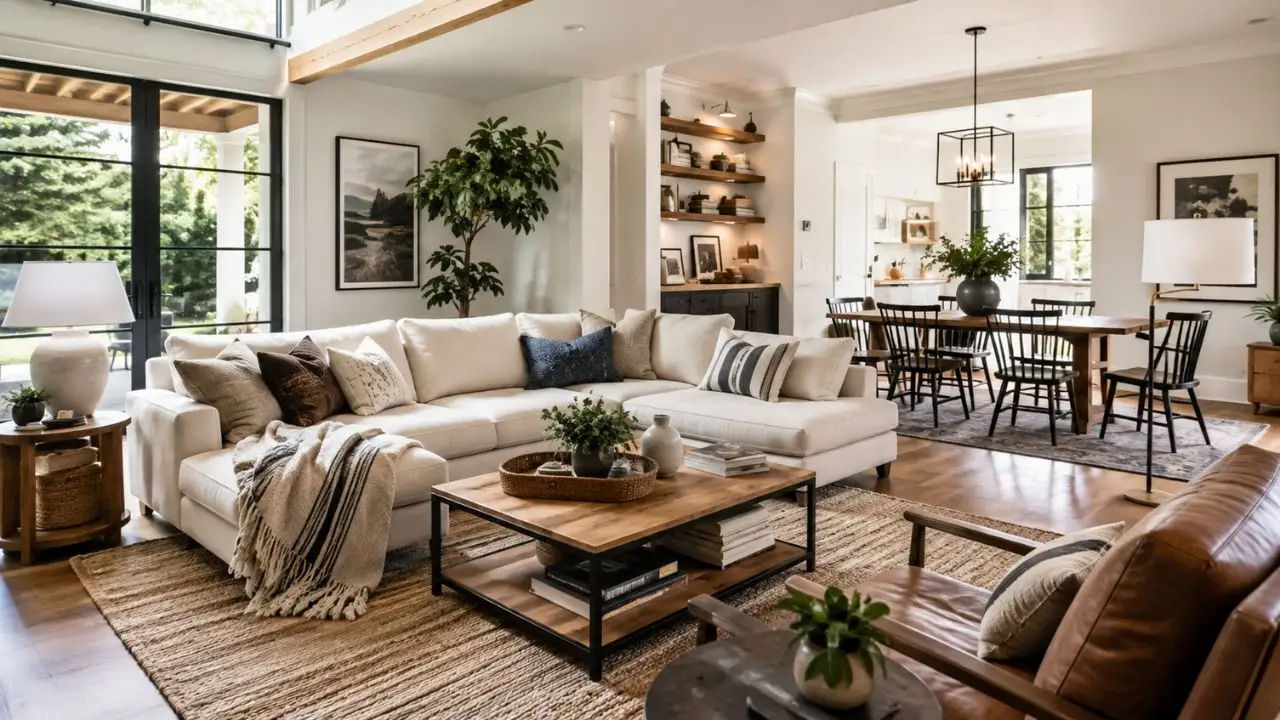

Beautiful Homes: Create a Stylish Space That Feels Like You
Beautiful homes are not defined only by expensive furniture, large rooms, or picture-perfect decoration. A genuinely attractive home combines visual appeal with comfort, functionality, and personality. Every room should support daily activities while making the people who live there feel relaxed, welcomed, and connected to their surroundings.
Creating a beautiful home begins with understanding how you want your space to feel. Some people prefer clean modern interiors, while others enjoy traditional details, natural textures, bright colours, or cosy decorative layers. The right direction depends on your lifestyle rather than a trend shown in a magazine or social media post.
Good home design also involves practical decisions about movement, lighting, storage, furniture placement, and maintenance. A stunning sofa cannot improve a living room if it blocks movement, and beautiful kitchen finishes cannot compensate for insufficient work surfaces. Appearance and usability should therefore be considered together from the beginning.
This guide explains how to create beautiful homes through manageable improvements rather than unnecessary renovations. You will learn how to develop a design style, select colours, arrange furniture, improve lighting, decorate individual rooms, enhance the exterior, and maintain a polished appearance without exceeding your budget.
What Makes Beautiful Homes Feel Special?
The most memorable homes usually have a clear sense of identity. Their rooms may contain different colours and furnishings, but repeated materials, shapes, or decorative details create a natural connection. This consistency helps the entire property feel intentionally designed rather than assembled from unrelated purchases.
Comfort is another defining feature of attractive interiors. Furniture should be pleasant to use, rooms should support their intended activities, and frequently needed items should remain accessible. When design decisions improve everyday routines, the home becomes more enjoyable instead of functioning merely as a visual display.
Balance also plays an important role in beautiful house design. A room needs enough furniture and decoration to feel complete, but it also requires open areas where the eye can rest. Leaving some surfaces and walls undecorated allows important pieces, such as artwork or statement lighting, to attract attention.
Finally, attractive homes reflect the experiences and interests of their residents. Family photographs, books, handmade objects, artwork, travel finds, and inherited furniture can give an interior emotional depth. Designers increasingly emphasise meaningful layering because a beautiful room becomes more engaging when it communicates a personal story.
Choose a Style and Colour Palette
Start by collecting examples of beautiful home interiors that appeal to you. Save photographs of rooms, furniture, colours, materials, and architectural features. After collecting several examples, look for repeated characteristics such as warm wood, curved furniture, neutral walls, bold artwork, vintage details, or modern lighting.
Use those repeated characteristics to define a simple design direction. Your style might be modern organic, contemporary, traditional, minimalist, farmhouse, coastal, industrial, eclectic, or a combination of two compatible approaches. A clear direction makes it easier to evaluate new furniture and décor before spending money.
Next, create a manageable colour palette containing three to five main shades. Choose one dominant colour for larger surfaces, one or two supporting colours for furniture and textiles, and an accent colour for smaller decorative pieces. Repeating these shades throughout connected rooms creates visual continuity without making every space look identical.
Before painting an entire room, test samples on different walls and observe them throughout the day. Natural and artificial lighting can significantly change the appearance of paint. Consider existing flooring, cabinets, countertops, and large furniture so that your chosen colours complement items that will remain in the room.
Plan the Layout for Comfort
A successful layout begins with the room’s main purpose. Decide whether the space will be used primarily for relaxing, entertaining, dining, working, studying, or several activities. Furniture placement becomes easier when every item supports a specific function instead of being added simply to fill empty space.
Identify the room’s natural focal point, such as a fireplace, large window, television, bed, dining table, or piece of art. Arrange the largest furniture around that feature, then add smaller pieces. This method creates visual structure and prevents the room from feeling confusing or disconnected.
Maintain clear walking routes between doors, seating areas, and frequently used features. Avoid placing bulky furniture where it interrupts movement or makes people squeeze through narrow gaps. In conversation areas, position chairs and sofas close enough for comfortable interaction rather than pushing every item against a wall.
Measure the room before purchasing furniture and record the dimensions of doorways, stairs, and corridors. Use painter’s tape to mark the proposed dimensions of larger pieces on the floor. This simple step helps you understand their true scale and reduces the risk of buying furniture that overwhelms the space.
Use Lighting to Transform Rooms
Lighting influences how colours, textures, furniture, and architectural features appear. A room with expensive decoration can still feel flat when it depends on one harsh ceiling fixture. Layering different light sources creates depth while allowing the atmosphere to change according to the activity and time of day.
Begin with ambient lighting, which provides general illumination through ceiling fixtures, recessed lights, or wall-mounted fittings. Add task lighting beside beds, desks, mirrors, countertops, and reading chairs. Complete the scheme with accent lighting that highlights artwork, shelving, plants, or architectural details.
Use warm light in bedrooms, dining spaces, and living rooms where relaxation is important. Kitchens, bathrooms, and work areas may benefit from brighter task lighting that improves visibility. Dimmers provide greater control and allow the same room to feel energetic during the day and comfortable during the evening.
Natural light should also influence the layout. Keep large furniture from unnecessarily blocking windows, and use curtains or blinds that provide privacy without removing all daylight. Layered lighting—including ambient, task, accent, and natural sources—is widely recommended for creating rooms that are both functional and inviting.
Select Furniture with Purpose
Choose furniture according to the proportions of the room rather than the size of a showroom. Large sectionals, deep armchairs, and oversized tables may look impressive in commercial displays but can dominate smaller interiors. Likewise, furniture that is too small may make a spacious room feel unfinished and disconnected.
Begin with essential pieces such as a sofa, dining table, bed, desk, or storage cabinet. Once those items are positioned, identify genuine functional gaps before adding more furniture. This gradual approach prevents overcrowding and gives you time to understand how the room performs during everyday use.
Prioritise comfort and construction quality for pieces that receive frequent use. A supportive sofa, durable dining chairs, and a suitable mattress will affect daily life more than decorative accessories. When budgets are limited, invest in dependable foundational furniture and update the appearance with affordable cushions, throws, lamps, and artwork.
Consider multipurpose furniture when space is limited. Storage benches, nesting tables, extendable dining tables, ottomans with compartments, and beds with drawers can solve several problems at once. Small-home designers often recommend adaptable rooms, customised storage, and furniture that performs more than one function.
Add Texture and Personal Details
Texture prevents neutral or limited colour schemes from feeling cold. Combine smooth, rough, soft, woven, polished, and natural surfaces to create depth. Wood, linen, wool, stone, metal, ceramic, leather, rattan, and glass can work together when their colours or visual weight remain balanced.
Introduce texture gradually through rugs, curtains, cushions, bedding, baskets, pottery, and upholstered furniture. Mixing too many highly patterned materials can make the room feel unsettled, so combine statement patterns with quieter surfaces. Repeating one texture or material in several places also creates a more cohesive appearance.
Artwork provides an opportunity to express personality and establish a focal point. Select pieces because they create a meaningful emotional or visual response rather than because they match every item perfectly. Hang art at a comfortable viewing height and consider the relationship between its scale and the furniture beneath it.
Complete the room with objects that reveal something about the people who live there. Display a controlled selection of books, photographs, ceramics, plants, handmade pieces, or travel souvenirs. Editing is important: a few meaningful items usually make a stronger impression than numerous unrelated accessories spread across every surface.
Improve Living Rooms and Kitchens
Beautiful living rooms should encourage relaxation and conversation. Begin with comfortable seating, a suitable rug, and accessible surfaces for drinks, books, or lamps. Position the seating around a focal point while preserving clear movement between the entrance and other areas of the home.
Use cushions, curtains, artwork, and throws to introduce colour without making permanent changes. A rug can visually connect separate furniture pieces and define the main seating area. Select a rug large enough to relate to the furniture rather than leaving it isolated in the centre of the floor.
In the kitchen, prioritise practical organisation before decorative styling. Keep frequently used tools close to their work areas, remove unnecessary countertop items, and create dedicated storage for appliances. Clearer surfaces make food preparation easier while helping the kitchen appear larger, calmer, and more refined.
Combine practical task lighting with warmer decorative fixtures to make the kitchen suitable for both work and socialising. Thoughtful kitchen design commonly uses negative space, layered lighting, limited countertop clutter, and cohesive open-shelf displays to balance usefulness with visual appeal.
Refresh Bedrooms and Bathrooms
A beautiful bedroom should provide visual calm and physical comfort. Start with a supportive bed, breathable bedding, practical bedside storage, and lighting that can be controlled without crossing the room. Position the bed where it feels grounded and does not interfere with doors or walking routes.
Build the design around a limited palette and repeat its colours through bedding, curtains, rugs, and artwork. Layer different fabrics to add warmth without creating excessive visual noise. Blackout curtains can support sleep, while lighter curtains may be added as a decorative layer to soften the window.
Bathrooms benefit from simplicity because numerous small products can quickly create clutter. Store daily essentials in accessible drawers, cabinets, trays, or containers. Keep only a controlled number of attractive items visible, such as folded towels, a plant, soap dispensers, or a decorative mirror.
Improve the bathroom with updated lighting, coordinated hardware, fresh towels, clean grout, and a consistent set of containers. These changes usually require less investment than replacing major fixtures. Choose materials designed for humid conditions, and avoid decorative additions that make cleaning or movement unnecessarily difficult.
Enhance the Exterior
The exterior creates the first impression of a property and should feel connected to the interior style. Begin by cleaning paths, windows, walls, gates, and entrance areas. Repair peeling paint, broken fixtures, loose handles, damaged numbers, and other small defects that can make the whole property appear neglected.
Make the front entrance easy to identify and pleasant to approach. A clean door, visible house number, functional exterior light, and suitable doormat can create an immediate improvement. A contrasting door colour may add character, provided it works with the roof, walls, trim, and surrounding landscape.
Use landscaping to frame the building instead of hiding it. Trim overgrown plants, remove weeds, define planting beds, and select greenery that suits the local climate and available sunlight. Repeating a limited group of plants often creates a cleaner composition than using many unrelated varieties.
Affordable curb-appeal ideas can include window boxes, refreshed paint, updated exterior lighting, attractive planters, and improved pathways. Window boxes are particularly useful for adding controlled colour and architectural charm without requiring a complete landscape redesign.
Design Simple Beautiful Homes
Limited square footage does not prevent a home from feeling attractive or comfortable. In smaller properties, every design decision has a greater visual and practical effect. Begin by removing items that do not support your lifestyle, then organise what remains according to how frequently it is used.
Select furniture that fits the available floor area and leaves visible space around important pieces. Raised furniture with exposed legs can create a lighter appearance, while low-profile designs may improve sightlines. Avoid filling every corner, because controlled empty space makes compact rooms feel calmer and easier to navigate.
Take advantage of vertical areas with tall cabinets, wall-mounted shelves, hooks, and overhead storage. Built-in or customised solutions can use awkward recesses, areas beneath stairs, and shallow wall spaces. Concealed storage is especially valuable for household items that would otherwise create daily visual clutter.
Allow rooms to perform more than one role. A dining area can include a work surface, an entry bench can contain shoe storage, and a guest room can function as an office. Functional small homes often use overlooked corners, adaptable furniture, and storage designed around the residents’ real routines.
Create Beauty on a Budget
Begin with cleaning, decluttering, and rearranging before purchasing anything new. Moving furniture, removing unused objects, washing textiles, and clearing surfaces can reveal the room’s potential. These changes also help you identify genuine problems instead of attempting to solve every issue through shopping.
Paint is one of the most flexible ways to change the atmosphere of a room. Use it on walls, doors, furniture, shelving, or architectural details. When a full-room update is unnecessary, a carefully selected accent area can introduce contrast while using less time and material.
Shop your existing home for furniture and decoration that could work in another room. A bedroom chair may suit an entryway, while framed artwork, lamps, baskets, or side tables can gain new purpose elsewhere. Painting, refinishing, reupholstering, or changing hardware can make familiar pieces feel more appropriate.
Prioritise visible improvements with everyday value, such as better lighting, coordinated textiles, practical storage, fresh paint, and correctly scaled artwork. Avoid buying numerous low-quality accessories simply to complete the room quickly. A slower, deliberate approach usually produces a more convincing and lasting result.
Keep Rooms Organised
Organisation should support your habits rather than forcing you to maintain an unrealistic system. Store everyday items close to where they are used, and place occasional items in less accessible areas. When putting something away requires too many steps, it is more likely to remain on a visible surface.
Give commonly misplaced objects a defined home. Use an entry tray for keys, a basket for blankets, a drawer for charging cables, and a cabinet section for paperwork. Clear labels can make shared storage easier to maintain, especially in kitchens, wardrobes, utility rooms, and children’s spaces.
Decorative storage allows practical objects to contribute to the room’s appearance. Baskets, boxes, trays, pegboards, shelving, and attractive containers can hold items while adding texture or colour. However, open storage should remain edited because too much on display can make even a carefully designed interior appear crowded.
Maintaining beautiful homes requires small routines rather than occasional major clean-ups. Reset shared rooms each evening, process paperwork weekly, and review clothing or décor seasonally. Professional organisers similarly recommend assigning items defined places and building routines that preserve the desired level of organisation.
Avoid Common Design Mistakes
Buying furniture before measuring is one of the most expensive home design mistakes. A piece may fit physically but still appear too bulky, interrupt movement, or create poor proportions. Always consider its width, depth, height, and relationship with the other objects in the room.
Another mistake is copying a trend without considering your architecture or lifestyle. Open shelving may look attractive but could become frustrating for someone who dislikes frequent dusting. Pale upholstery may not suit a busy household, while delicate materials can create unnecessary maintenance in high-traffic areas.
Poor lighting can also undermine an otherwise strong design. Avoid relying entirely on a bright central fixture or placing task lights where they create glare. Plan lighting according to the activities performed in each area, and make switches, lamps, and controls convenient to reach.
Finally, avoid decorating the entire property at once. Rushed decisions often produce unnecessary purchases and rooms that feel generic. Complete one area at a time, live with major choices before adding accessories, and allow the home to develop naturally through considered improvements and meaningful additions.
Conclusion: Build a Home You Love
Beautiful homes succeed when style, comfort, organisation, and personality work together. They do not need to follow one decorative trend or contain expensive materials. A clear design direction and a few thoughtful decisions can improve how a property looks, feels, and functions.
Begin with the changes that will influence daily life most significantly. Improve an uncomfortable layout, introduce better lighting, clear crowded surfaces, or update a room’s colour palette. Solving functional problems first gives decorative choices a stronger and more lasting foundation.
Work gradually and evaluate each addition before moving to the next. Choose furniture that fits, repeat colours and materials, preserve open space, and display objects that have genuine meaning. This measured approach helps prevent clutter while allowing your personal style to become clearer.
Most importantly, design your home around the people who use it. A beautiful home should make everyday activities easier, encourage rest and connection, and feel welcoming when you return. When the space reflects real needs and experiences, its beauty becomes personal rather than temporary.
Frequently Asked Questions
What makes a home look beautiful?
A beautiful home combines a coordinated colour palette, comfortable furniture, practical layouts, layered lighting, controlled decoration, and personal details. Cleanliness and organisation also have a major influence on its overall appearance.
How can I make my home beautiful on a low budget?
Start by decluttering, rearranging furniture, repainting selected surfaces, and reusing items from other rooms. Improve lighting, update hardware, add coordinated textiles, and purchase new décor only when it solves a clear design problem.
Which colours make a home look more attractive?
Warm neutrals, soft earth tones, gentle whites, muted greens, and balanced accent colours can create an inviting environment. The best palette depends on natural light, existing materials, room size, and the atmosphere you want to create.
How do I make a small home look beautiful?
Use appropriately scaled furniture, vertical storage, multipurpose pieces, clear walking routes, and a limited colour palette. Reduce visual clutter and leave some open space instead of attempting to decorate every wall, shelf, and corner.
What should I decorate first in a new home?
Start with the room you use most often, usually the bedroom, kitchen, or living room. Establish its essential furniture, layout, storage, lighting, and colour palette before purchasing smaller decorative accessories.