

What Does Sharp Pain in the Anus Mean in Females?
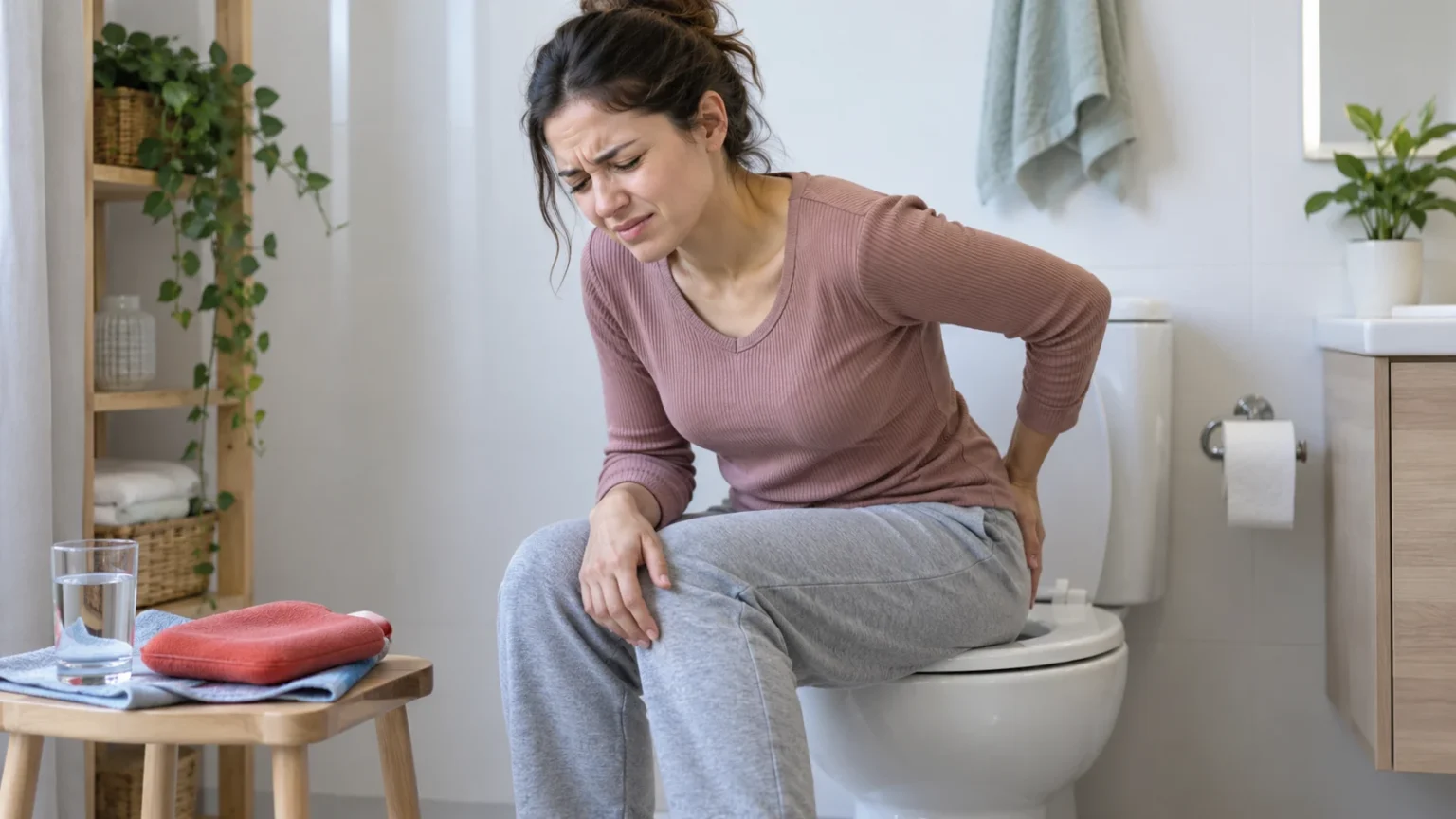
Sharp pain in the anus in females can feel like a sudden stabbing, burning, pinching, or cramping sensation around the anal opening or inside the rectum. The discomfort may last only a few seconds or continue for hours, depending on the underlying cause. Some women experience pain during bowel movements, while others notice symptoms while sitting, exercising, or resting.
Anal pain can develop from relatively minor problems such as constipation, irritated skin, or a small anal fissure. However, conditions involving hemorrhoids, pelvic floor muscles, infections, or inflammation can also produce significant discomfort. Paying attention to accompanying symptoms can help you better understand what may be contributing to the pain.
Although occasional mild anal discomfort may improve with simple home care, severe or persistent pain should not be ignored. Symptoms such as rectal bleeding, fever, swelling, drainage, or worsening pain deserve medical attention. Identifying the underlying problem is important because treatment can vary considerably depending on the cause.
Common Causes of Sharp Anal Pain in Women
Anal fissures are one of the most common causes of sudden sharp pain during or shortly after a bowel movement. These small tears in the tissue lining the anus often occur after passing hard or unusually large stool. Women may describe the sensation as cutting or tearing, followed by burning discomfort that can continue afterward.
Hemorrhoids can also cause anal pain, particularly when an external hemorrhoid becomes swollen or develops a blood clot. Symptoms may include tenderness, itching, pressure, swelling, or a noticeable lump near the anus. Internal hemorrhoids are often less painful but can cause bright red bleeding during bowel movements.
Other possible causes include rectal muscle spasms, constipation, pelvic floor dysfunction, infections, inflammatory conditions, and abscesses. Less commonly, conditions affecting the bowel, reproductive organs, or surrounding pelvic structures may contribute to pain that feels as though it originates from the anus. The pattern and accompanying symptoms often provide useful clues.
Anal Fissures and Pain During Bowel Movements
An anal fissure is a small split or tear in the sensitive lining of the anal canal. It commonly develops when hard stool stretches the tissue during a bowel movement, although frequent diarrhea can also cause irritation. The resulting pain is often sharp and intense, particularly while stool passes through the affected area.
Some women notice a small amount of bright red blood on toilet tissue or on the outside of the stool. The pain may continue as burning or throbbing for several minutes or even hours after using the bathroom. Because pain can make the anal muscles tighten, repeated muscle spasms may make the fissure slower to heal.
Keeping stool soft is an important part of relieving discomfort and allowing the area to recover. Increasing fiber gradually, drinking enough fluids, and avoiding prolonged straining may help reduce pressure during bowel movements. Persistent fissures may require medical treatments that help relax the anal muscles and support healing.
Hemorrhoids and Sudden Anal Discomfort
Hemorrhoids are enlarged or swollen veins around the anus or lower rectum. They can develop from constipation, repeated straining, pregnancy, prolonged sitting, or increased pressure within the pelvic area. While many hemorrhoids cause little pain, external hemorrhoids can become tender and uncomfortable.
A thrombosed external hemorrhoid occurs when a blood clot develops within a swollen hemorrhoidal vein. This can cause sudden, severe pain and a firm or bluish lump near the anal opening. The discomfort can make sitting, walking, or having a bowel movement particularly uncomfortable during the first few days.
Mild hemorrhoid symptoms may improve with warm baths, gentle hygiene, adequate hydration, and softer bowel movements. Avoiding excessive straining and sitting on the toilet for extended periods can also reduce pressure. Severe pain, heavy bleeding, or a lump that does not improve should be evaluated by a healthcare professional.
Constipation and Hard Stools
Constipation can create substantial pressure within the rectum and anal canal. Hard, dry stool may stretch sensitive tissues, irritate hemorrhoids, or create an anal fissure during passage. Women experiencing constipation may notice straining, incomplete bowel movements, abdominal fullness, and sharp discomfort around the anus.
Diet and hydration often play an important role in maintaining comfortable bowel movements. Fiber-rich foods such as vegetables, fruits, whole grains, legumes, nuts, and seeds can help increase stool softness and bulk. Drinking sufficient fluids can also help fiber work effectively and reduce the likelihood of dry stool.
Regular physical activity may support normal bowel function and reduce prolonged periods of inactivity. Avoid repeatedly delaying the urge to use the bathroom because stool can become harder the longer it remains in the colon. If constipation becomes frequent or does not respond to lifestyle changes, medical guidance may be helpful.
Pelvic Floor Muscle Spasms and Rectal Pain
The pelvic floor contains muscles that support the bladder, bowel, uterus, and other pelvic structures. When these muscles become overly tight or develop spasms, discomfort can sometimes be felt around the rectum or anus. Women may experience pressure, aching, difficulty relaxing during bowel movements, or sudden episodes of sharp rectal pain.
Proctalgia fugax is one example of temporary rectal pain associated with muscle spasms. Episodes typically begin suddenly and may feel like an intense cramp or stabbing sensation deep within the rectum. The pain can last seconds or minutes and may disappear completely between episodes.
Muscle tension elsewhere in the body can sometimes accompany stress, prolonged sitting, or repetitive posture habits. Gentle movement, relaxation exercises, breathing techniques, and general mobility work may help reduce overall muscular tension; for example, learning how to stretch traps can be useful as part of a broader stretching routine. Persistent pelvic floor symptoms may benefit from professional assessment.
Could Pelvic Conditions Cause Pain Near the Anus?
Because the rectum sits close to several pelvic organs, discomfort originating from other structures can occasionally be perceived near the anus. Conditions affecting the pelvic floor, ovaries, uterus, or surrounding tissues may produce pressure or pain that radiates toward the rectal area. Symptoms may become more noticeable during menstruation or certain activities.
Endometriosis, for example, can sometimes involve tissue around the bowel or deeper pelvic structures. Women with bowel-related endometriosis may experience painful bowel movements, pelvic pain, bloating, or rectal pressure, particularly around their menstrual period. However, anal pain alone does not automatically indicate endometriosis.
Pelvic pain has many possible causes, which means symptoms should be considered as a whole rather than relying on one sensation. Keeping track of menstrual timing, bowel habits, bleeding, urinary symptoms, and activities that trigger pain can provide useful information. Recurrent pain associated with the menstrual cycle should be discussed with a healthcare professional.
Can an Anal Abscess Cause Severe Sharp Pain?
An anal or perianal abscess occurs when an infected gland near the anus fills with pus. Unlike brief muscle spasms, an abscess usually causes persistent pain that progressively becomes more intense. The area may feel swollen, tender, warm, or painful when sitting, walking, coughing, or having a bowel movement.
Some women also develop fever, chills, fatigue, redness, or drainage near the anal opening. An abscess may appear as a painful lump, although deeper infections are not always visible externally. Because infection can spread, this condition generally requires prompt medical evaluation rather than home treatment alone.
Healthcare professionals may need to drain the infected area to remove accumulated pus and relieve pressure. Antibiotics may also be used in certain situations depending on the infection and the patient’s overall health. Attempting to squeeze or drain a suspected abscess yourself can worsen irritation or introduce additional bacteria.
Other Possible Causes of Anal Pain
Diarrhea can irritate the skin and tissues surrounding the anus, particularly when bowel movements become frequent. Repeated wiping may further aggravate the area, producing burning, tenderness, or sharp discomfort. Gentle cleansing and addressing the underlying digestive problem can help reduce continued irritation.
Certain infections or sexually transmitted infections can also affect the anal or rectal area. Depending on the cause, symptoms might include sores, itching, discharge, bleeding, swelling, or pain during bowel movements. People who develop these symptoms after possible exposure should seek appropriate testing instead of relying only on home remedies.
Inflammatory bowel conditions can occasionally cause rectal discomfort alongside diarrhea, abdominal pain, urgency, mucus, or bleeding. Trauma, skin disorders, and less common rectal conditions may produce similar symptoms. Persistent or unexplained anal pain is therefore worth discussing with a clinician, particularly when bowel habits have noticeably changed.
Home Relief Tips for Mild Anal Pain
Warm sitz baths are one of the simplest ways to soothe irritated anal tissues and relax nearby muscles. Sitting in comfortably warm water for about 10 to 15 minutes can temporarily reduce soreness, itching, and muscle tension. Avoid extremely hot water because excessive heat can irritate sensitive skin.
Keeping bowel movements soft can also reduce repeated pressure on painful tissues. Drink water regularly, gradually increase dietary fiber, and respond promptly when you feel the need for a bowel movement. Avoid forceful straining because pushing can worsen hemorrhoids, fissures, and pelvic floor tension.
Clean the anal area gently after bowel movements without excessive rubbing. Unscented toilet tissue or rinsing with water may be more comfortable when the skin is irritated. Avoid perfumed soaps, fragranced wipes, and harsh products around sensitive tissue because these can sometimes increase burning or inflammation.
How to Prevent Anal Pain From Returning
Maintaining consistent bowel habits is one of the most effective ways to lower the risk of recurring fissures and hemorrhoid irritation. A balanced diet containing adequate fiber helps stool move more comfortably through the digestive tract. Gradually increasing fiber can reduce bloating that sometimes develops when intake changes too quickly.
Avoid sitting on the toilet for long periods while using your phone or reading because this can increase pressure on rectal veins. Try not to strain unnecessarily, and give your body time to develop a natural bowel movement. Regular walking and general movement may also support digestive function.
If pelvic muscle tension contributes to symptoms, relaxation may be as important as strengthening exercises. Deep diaphragmatic breathing, comfortable stretching, and avoiding excessive muscle clenching may help some people. Women experiencing repeated rectal pain or difficulty relaxing during bowel movements may consider discussing pelvic floor physical therapy with a qualified professional.
When Should You See a Doctor for Sharp Anal Pain?
Seek medical advice when sharp anal pain is severe, lasts more than a few days, repeatedly returns, or interferes with normal activities. Persistent pain should not automatically be assumed to be hemorrhoids because several conditions can produce similar symptoms. A healthcare professional can examine the area and recommend treatment based on the actual cause.
Rectal bleeding also deserves attention, especially when it is heavy, recurring, mixed throughout the stool, or accompanied by changes in bowel habits. Although fissures and hemorrhoids commonly cause small amounts of bright red blood, other digestive conditions can also produce bleeding. Medical assessment helps determine where the blood is coming from.
Urgent evaluation is particularly important when anal pain occurs with fever, chills, rapidly increasing swelling, pus, significant bleeding, dizziness, or severe abdominal pain. These symptoms may indicate an infection or another condition requiring prompt treatment. Sudden severe symptoms should not be managed only with home remedies.
What to Expect During Medical Evaluation
A healthcare professional will usually begin by asking when the pain started and what it feels like. They may ask whether discomfort happens during bowel movements, whether blood is present, and whether you have constipation, diarrhea, fever, pelvic symptoms, or recent changes in bowel habits. Providing specific details can help narrow the possible causes.
Depending on your symptoms, the clinician may visually examine the skin around the anus for swelling, hemorrhoids, fissures, irritation, or infection. In some situations, additional examination or testing may be recommended. The evaluation is tailored to the symptoms rather than using the same tests for every patient.
Treatment depends on what is found during assessment. A fissure may require stool-softening strategies and medications that relax anal muscles, while hemorrhoids may need conservative treatment or a procedure in severe cases. Infections, pelvic floor disorders, and inflammatory conditions require different approaches, making an accurate diagnosis valuable.
Conclusion
Sharp pain in the anus in females can have several possible causes, including anal fissures, hemorrhoids, constipation, pelvic floor muscle spasms, irritation, and infections. The timing and character of the pain can provide helpful clues. Symptoms occurring during bowel movements often have different causes from sudden pain that appears without warning.
For mild symptoms, warm sitz baths, softer bowel movements, adequate hydration, gentle hygiene, and avoiding excessive straining may provide relief. Preventing constipation can also reduce repeated irritation around the anus. However, home remedies should not replace medical evaluation when symptoms are severe or persistent.
Pay attention to accompanying signs such as bleeding, swelling, fever, pus, bowel changes, or worsening pain. These symptoms can help determine when professional evaluation is appropriate. Getting the underlying cause identified is the safest way to choose effective treatment and prevent recurring discomfort.
FAQs
Why do I suddenly get a sharp stabbing pain in my anus?
Sudden stabbing rectal pain may come from pelvic or anal muscle spasms, including proctalgia fugax. Anal fissures and hemorrhoids can also cause sharp pain, particularly around bowel movements.
Can constipation cause sharp anal pain in women?
Yes. Hard stool and excessive straining can irritate anal tissue, worsen hemorrhoids, or cause a small anal fissure, all of which may produce sharp pain during or after bowel movements.
Why does my anus hurt during my period?
Pelvic muscle tension and conditions such as endometriosis can sometimes cause rectal pressure or painful bowel movements around menstruation. Recurrent cycle-related rectal pain should be discussed with a healthcare professional.
How can I relieve anal pain quickly at home?
Warm sitz baths, gentle cleaning, adequate fluids, fiber-rich foods, and avoiding straining may help mild irritation. Severe pain, fever, swelling, drainage, or significant bleeding requires medical assessment.
When is sharp anal pain considered serious?
Seek medical attention when pain is intense, persistent, repeatedly returns, or occurs with fever, pus, major swelling, substantial bleeding, dizziness, abdominal pain, or significant changes in bowel habits.



